TLP:CLEAR · Disclosure is not limited.
Persian Gulf: Second Night of U.S. Strikes, Iranian Retaliation, and Hormuz Disruption
Time window: Last 1 day · Audience: General analyst · Type: Situation report · DTG: 2026-07-09 12:46Z · Overall confidence: LOW
BLUF
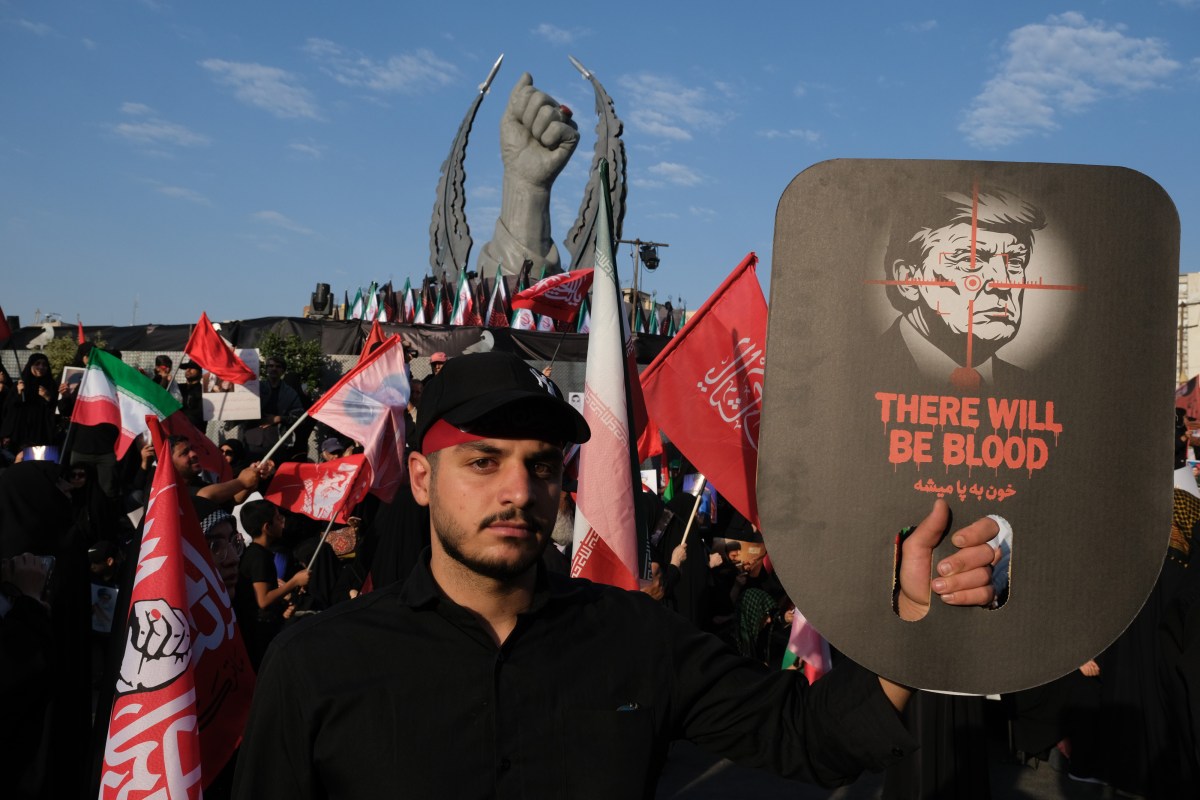
U.S. forces almost certainly hit about 90 targets across Iran on 9 July, and Iran very likely retaliated with drone and missile attacks against U.S.-linked sites in Bahrain, Kuwait and Qatar, which Gulf air defences intercepted. Shipping through the Strait of Hormuz is severely constrained, and the practical ceasefire has likely collapsed, raising the risk of further exchanges in the near term.
Executive summary
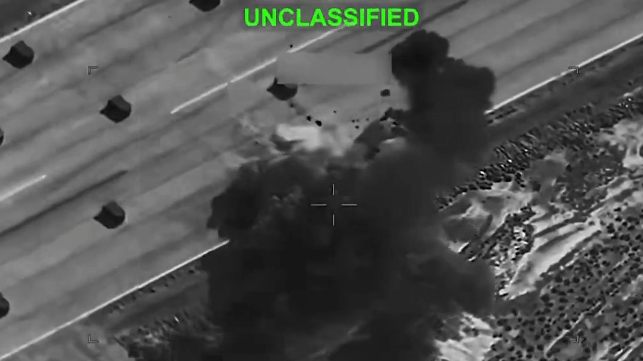
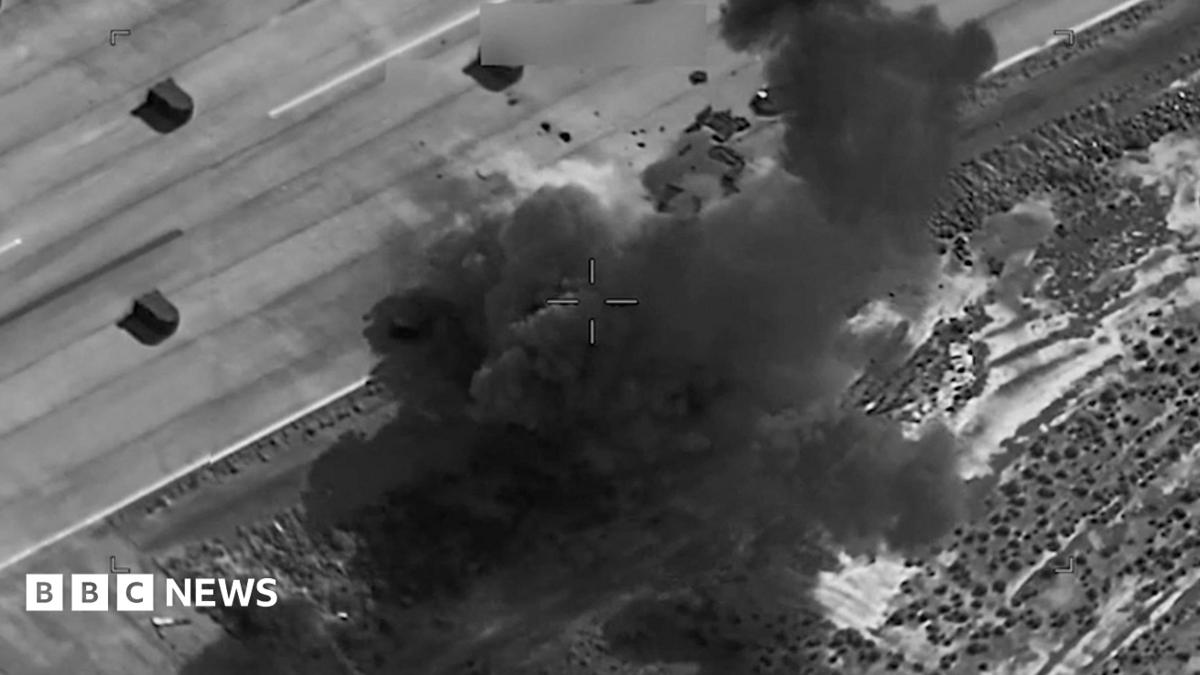
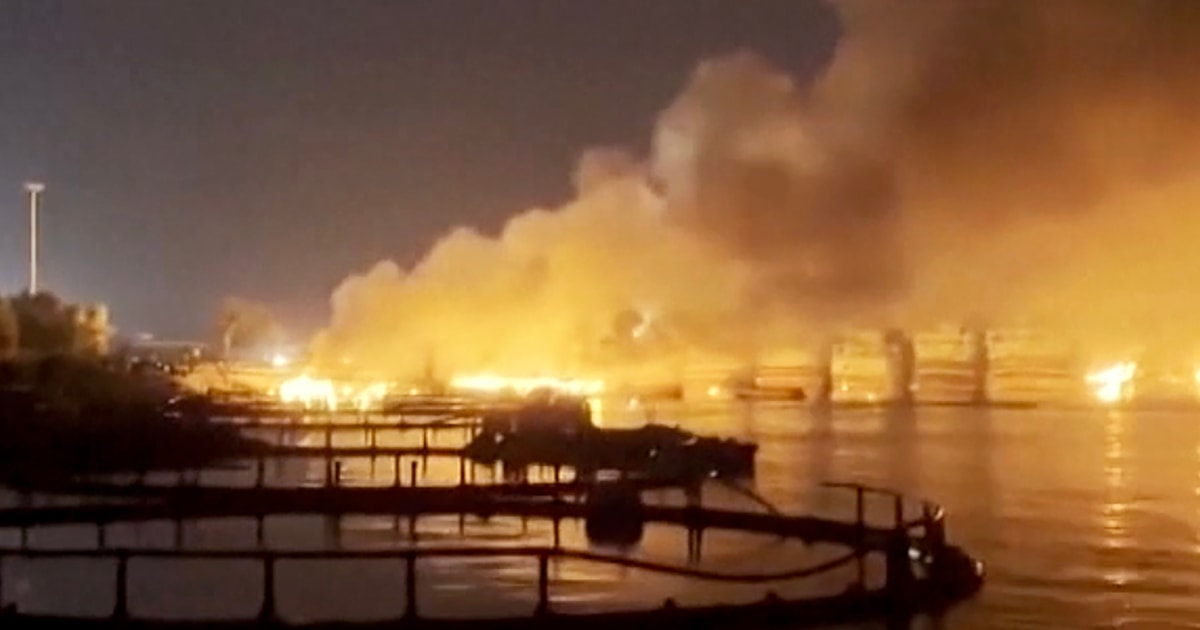
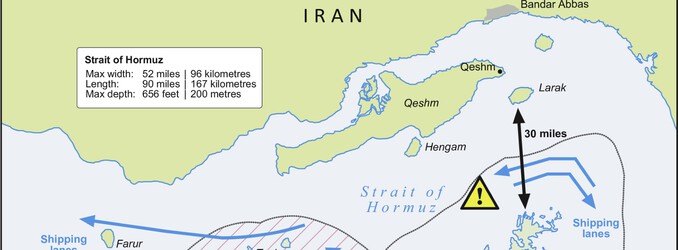
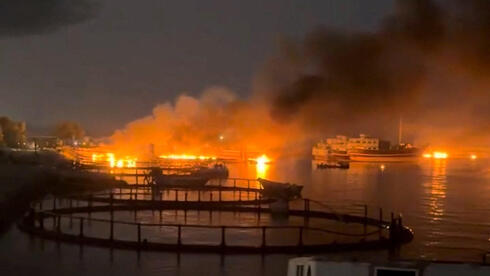
On 9 July, the United States almost certainly conducted a second night of large-scale strikes, hitting roughly 90 Iranian targets, including coastal air defence and logistics nodes, and damaging bridges such as the Aq Tekeh Khan rail bridge near Aqqala, with explosions also reported at Bushehr. Iran very likely retaliated with drones and missiles against U.S.-linked targets in Bahrain, Kuwait and Qatar; Bahraini air defences reported shoot-downs and Kuwait intercepted multiple missiles, with one injury from debris. Iran’s Health Ministry reported at least 14 dead and 78 injured over two days of U.S. strikes, including at least three fatalities in Khuzestan. Maritime transits via Hormuz are severely constrained, with southern-route traffic reportedly in single figures and wartime insurance hard to obtain. Public statements from Washington and Tehran indicate the truce is effectively over and further action is threatened.
Change from previous assessment
New since the prior brief: U.S. forces almost certainly conducted another wave hitting roughly 90 targets on 9 July, including reported bridge strikes and explosions at or near Bushehr. Iran’s retaliation broadened, with Army claims of strikes on a Patriot system in Kuwait, a satellite early‑warning antenna in Qatar, and fuel depots in Bahrain, alongside IRGC confirmation of strikes on U.S. bases in Kuwait and Bahrain. Kuwait reported intercepts and one injury from debris and Bahrain reported shoot‑downs. Shipping indicators now show southern‑lane transits in single figures and continuing war‑risk insurance constraints. Iran’s Health Ministry reiterated at least 14 dead and 78 wounded from the two days of U.S. strikes. Assessment of a de facto end to the ceasefire is reinforced by fresh public statements; confidence is unchanged overall at low due to persistent sourcing contradictions.
Key judgments
- The United States almost certainly conducted a second night of large-scale strikes on 9 July, hitting roughly 90 Iranian targets, including coastal air defence and logistics nodes, with damage to bridges such as the Aq Tekeh Khan rail bridge near Aqqala and explosions reported at Bushehr. (Confidence: high · REPORTED)
- I&W: Release of CENTCOM battle damage imagery or independent satellite confirmation of strikes, including the Aq Tekeh Khan bridge. (0-14 days)
- I&W: Official CENTCOM revision materially reducing the reported target count below 90. (0-14 days)
- Iran very likely retaliated on 9 July with drones and missiles against U.S.-linked targets in Bahrain, Kuwait and Qatar, with Bahraini air defences shooting down incoming fire and Kuwait intercepting multiple missiles, wounding one person by falling debris. (Confidence: high · REPORTED)
- I&W: Kuwaiti or Bahraini defence ministries publish debris imagery or technical attributions from intercepted drones or missiles. (0-14 days)
- I&W: Official Gulf statements retract or deny prior reports of interceptions. (0-14 days)
- Maritime transits through the Strait of Hormuz are very likely severely constrained, with southern-route ship traffic reportedly in single figures and war-risk insurance hard to obtain, raising costs for any passage. (Confidence: medium · REPORTED)
- I&W: AIS-based counts show sustained single-digit daily southern-lane transits and continued elevated war-risk premia. (0-14 days)
- I&W: Daily southern-lane transits rise into double digits and insurers relax cover terms. (0-14 days)
- U.S. strikes very likely killed at least 14 people and wounded 78 in Iran over two days, including at least three fatalities in Khuzestan, according to Iran’s Health Ministry. (Confidence: high · REPORTED)
- I&W: Consistent casualty updates from Iran’s Health Ministry and major hospitals. (0-14 days)
- I&W: Independent reporting establishes substantially lower casualty figures. (0-14 days)
- Tehran has very likely focused strikes on U.S. military facilities and has not targeted high‑value petroleum infrastructure in GCC states to date. (Confidence: high · REPORTED)
- I&W: Subsequent Iranian communiqués and BDA continue to list U.S. bases rather than oil infrastructure. (0-14 days)
- I&W: Credible reports of missile or drone damage at GCC oil export terminals or refineries. (0-14 days)
- The interim understandings between Washington and Tehran have likely collapsed in practical terms, given public declarations that the ceasefire is over, IRGC assertions of U.S. violations, and the absence of a functioning monitoring mechanism. (Confidence: medium · ASSESSED)
- I&W: Another round of reciprocal U.S. and Iranian strikes and continued official statements disavowing the truce. (0-14 days)
- I&W: Announcement of a joint monitoring mechanism and a verified halt in strikes for at least 14 days. (0-1 month)
Outlook & scenarios
Managed tit‑for‑tat while keeping Hormuz partially open (60%)
U.S. forces continue periodic strikes on Iranian coastal air defence, radar and logistics to deter attacks on shipping, while Iran sustains intermittent drone and missile fire on U.S.-linked bases in Bahrain and Kuwait. Gulf air defences intercept most inbound threats. Shipping via the southern lane remains sparse and expensive to insure, but limited flows continue.
Escalation to energy infrastructure targeting (30%)
Iran expands its target set from U.S. military sites to high‑value petroleum infrastructure in GCC states to increase coercive leverage. A successful strike on an export terminal or refinery triggers sharper U.S. and partner responses and drives further cuts in Hormuz traffic.
External pressure prompts a pause and a procedural reset (25%)
Sustained third‑party pressure, including public calls to avoid renewed hostilities, leads both sides to pause strikes and reopen channels to stabilise the situation. A basic monitoring arrangement is announced and alerts in Bahrain and Kuwait subside, easing war‑risk insurance and allowing a modest uptick in transits.
Wildcard: Miscalculation near Bushehr triggers a nuclear‑adjacent crisis (10%)
Strikes or explosions reported near Bushehr, already sensitive, are misread as a threat to the nuclear complex. Tehran raises alert levels and signals a harsher response, prompting emergency messaging by outside powers and a temporary halt to air operations near the site.
Recommendations
- Prioritise battle damage assessment: task commercial satellite review to verify reported strikes on the Aq Tekeh Khan rail bridge near Aqqala and other transport nodes; maintain a geolocated catalogue of the roughly 90 reported target sites.
- Maintain a live watch on Kuwaiti and Bahraini defence channels for intercept reports and debris attributions; archive and technically profile recovered fragments to refine assessments of Iranian systems employed.
- Stand up a Hormuz shipping dashboard: daily AIS counts by routing lane, with overlays of war‑risk premiums and declared no‑sail advisories to brief decision‑makers on transit feasibility.
- Track Iranian target selection: log official Army and IRGC communiqués for references to U.S. bases in Arifjan, Ali Al Salem, Juffair and Sheikh Isa, and flag any shift toward energy infrastructure as a break indicator.
- Consolidate casualty reporting from Iran’s Health Ministry with hospital‑level accounts to validate the 14 killed and 78 wounded figure and identify any civilian infrastructure impacts.
- Flag proximity-to-nuclear indicators: monitor for further reports of explosions or strike debris near Bushehr and prepare a contingency note on escalation risks tied to nuclear‑adjacent incidents.
- Prepare a short brief on ceasefire status: compile statements from both sides regarding truce termination and the lack of a monitoring mechanism to inform policymakers on diplomatic off‑ramps and triggers.
Confidence & uncertainty
Overall confidence is low because, while multiple high‑reliability outlets and official statements corroborate core events like U.S. strikes hitting about 90 targets and Iranian retaliatory fire, the dataset contains timeline inconsistencies and overlapping attributions. Several claims originate from Iranian state or official channels that are credible for intent but require independent verification for effects, and some reporting mixes dates from prior episodes. Shipping flow estimates rely on a limited set of sources and lack broad cross‑checks. These gaps and contradictions warrant a low headline confidence despite strong signals on the main exchange.
Alternative analysis (red cell)
The reporting is concentrated in a small number of source clusters and official statements; many central event claims (target counts, casualty figures, specific damage) lack independent, multi-source corroboration. A more cautious estimate is that kinetic exchanges occurred but that scale, specific target sets, casualty totals, and the degree of disruption to shipping and infrastructure remain uncertain pending independent ISR, official logs from affected states, and commercial imagery or on-the-ground confirmation.
Intelligence gaps
- [EEI 1.1 · UNCOVERED] Concentrations or unusual movements of IRGC-Navy fast attack craft, small boat swarms, or escort vessels within 200 km of U.S./allied ships, including approach distances and formation changes. Recommended collection: maritime/AIS
- [EEI 1.2 · UNCOVERED] Detected pre-launch activity at coastal missile or rocket batteries (vehicle dispersal, fuel/warhead handling, radars powering up, transport erector launchers moving to firing positions). Recommended collection: imagery/signals
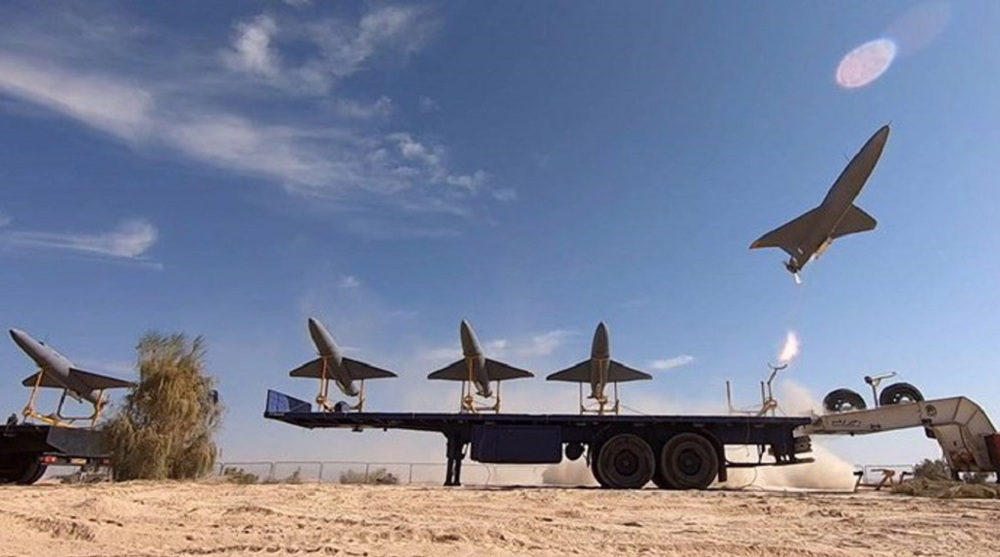
- [EEI 1.3 · PARTIAL] Increased launch/arming/positioning of armed UAVs (MALE/loitering munitions) or tactical aircraft at Iranian coastal bases with sortie generation rates and munitions loadouts. Recommended collection: air/ADS-B/imagery
- [EEI 1.4 · UNCOVERED] Command-and-control indications of attack orders or elevated rules-of-engagement from IRGC/General Staff (intercepted communications, internal order messages, force-wide alert messages). Recommended collection: signals/human
- [EEI 2.2 · UNCOVERED] Issuance of formal orders, mobilization directives, travel restrictions, or official internal communications within IRGC/Armed Forces indicating escalation posture or stand-down. Recommended collection: human/diplomatic
- [EEI 2.3 · UNCOVERED] Directives, logistics movements, or communications from Iranian commanders to regional proxy militias (Houthis, Iraqi Shia militias, Lebanese groups) that change their threat posture or task them with specific operations. Recommended collection: signals/human
- [EEI 2.4 · PARTIAL] Changes in Iran's diplomatic exchanges with key states (offers of negotiation, warnings, or coordination with Russia/China) or requests for deconfliction with maritime/naval actors. Recommended collection: diplomatic
- [EEI 3.2 · UNCOVERED] Discovery or reporting of naval mines, unexploded ordnance, or damage to fixed maritime infrastructure (oil platforms, terminals, pipelines) with geolocated imagery or on-scene assessments. Recommended collection: imagery/open-source
- [EEI 3.3 · PARTIAL] Commercial indicators of disruption: sudden increases in war-risk insurance premiums for Gulf transits, vessel re-routing decisions, port throughput reductions, or charter cancellations for Gulf shipments. Recommended collection: financial/commercial
- [EEI 3.4 · PARTIAL] Movements or posture changes of regional state navies/air forces (Saudi, UAE, Kuwait, Bahrain, UK) such as task group departures, airbase dispersals, or announced maritime patrols near choke points. Recommended collection: open-source/imagery
Cited sources
[1] military.com · US and Iran Exchange Intensifying Fire Across the Gulf, Threatening the Interim Deal to End War (A) · sha256:294c5b79b00f [2] BBC · US and Iran trade strikes for second night in a row as Tehran aims at Kuwait, Bahrain, and Qatar (A) · sha256:fbdaa7cd6be4 [3] huffpost.com · U.S. Launches New Airstrikes On Iran And Tehran Fires Back At Gulf Arab States (B) · sha256:bdcca8b49d5a [4] maritime-executive.com · U.S. and Iran Continue to Exchange Strikes in Dispute Over Hormuz (B) · sha256:a8d2eafbdb1d [5] Los Angeles Times · U.S. and Iran exchange intensifying fire across the Mideast, threatening the interim deal to end war - Los Angeles Times (A) · sha256:d8e035597290 [6] Press TV · Iran Army launches drone attacks on US bases in response to deadly American strikes (B) · sha256:624ec4ab939c [7] Newsweek · China reacts as U.S.-Iran strikes threaten fragile peace (A) · sha256:e7809e859497 [8] HuffPost · U.S. And Iran Exchange Intensifying Fire, Threatening Interim Deal To End War (B) · sha256:18c7a1688309 [9] jpost.com · Can the cycle of US, Iranian attacks in Strait of Hormuz be stopped? - analysis (B) · sha256:060923c1ac34 [10] NBC News · U.S. and Iran exchange intense new attacks after Trump says ceasefire is ‘over’ (A) · sha256:c6e64d705316 [11] worldoil.com · U.S. strikes Iran for second straight day amid Strait of Hormuz tensions (A) · sha256:91f520a441e2 [12] nournews.ir · IRGC strikes US military bases in Kuwait and Bahrain after American assaults (A) · sha256:f2b76ad7564a [13] haaretz.com · U.S. military launches second straight night of attacks as Iran says it struck American bases in the Gulf (A) · sha256:0b599b0a122d [14] ynetnews.com · The status quo with Iran may look comfortable, but it is misleading (B) · sha256:c2b0cef567e9
Source content hashes were computed at collection time; the cited text is preserved unmodified for the life of this product.
Red cell review: PARTIAL DISSENT
TLP:CLEAR