TLP:CLEAR · Disclosure is not limited.
Persian Gulf: Shipping Attacks and US Blockade Pressure
Time window: Last 1 day · Audience: General analyst · Type: Situation report · DTG: 2026-10-06 09:40Z · Overall confidence: HIGH
BLUF
Further attacks or coercive interference with commercial shipping in or near the Strait of Hormuz are likely over the next 14 days. CENTCOM reported continued blockade enforcement, while Iranian officials dispute the US naval presence; Iran-specific oil export data indicate severe disruption, even as aggregate Gulf export figures show some recovery.
Executive summary
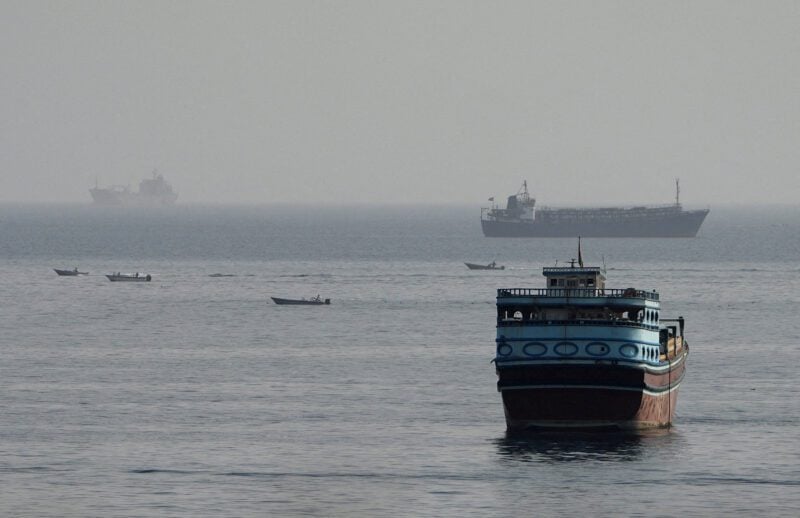
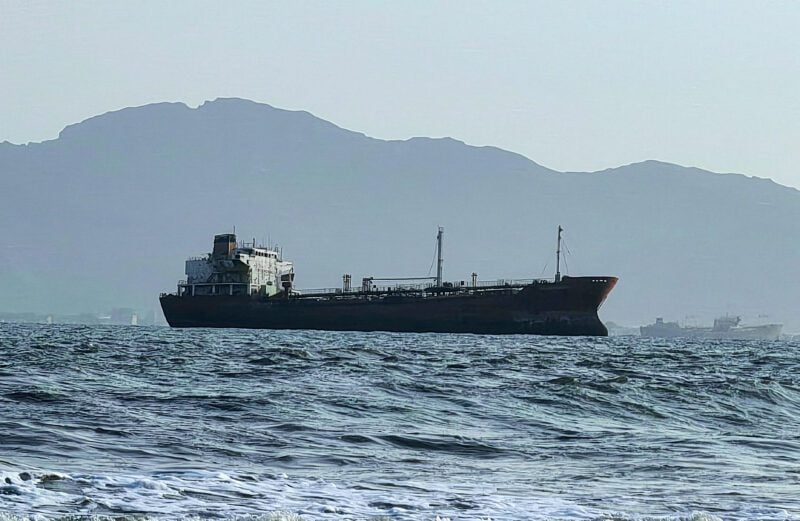
UK Maritime Trade Operations reported five incidents involving commercial shipping on 5 October, including four tanker attacks and an IRGC threat against a vessel. The Joint Maritime Information Center separately documented four tanker attacks between 2 and 3 October. CENTCOM said US forces redirected the 130th commercial vessel on 5 October and reported disabling three vessels and destroying 13 others over the preceding 12 weeks. Iran's crude exports remain sharply constrained: preliminary Bloomberg vessel tracking estimated no Iranian crude loadings in September, and United Against Nuclear Iran reported at least 50 oil tankers backed up near Iran. Kpler put Hormuz crude flows at 14.2 million barrels per day on 26 September, nearly 80 per cent of pre-war levels; a separate report said Arab Gulf crude exports exceeded pre-war levels, but the different measures do not establish that Hormuz traffic has normalised. President Donald Trump rejected Iran's latest proposal, although reporting says negotiations have restarted and identifies Qatar and Oman as potential mediators.
Change from previous assessment
Since the 5 October brief, new reporting gives a more specific account of blockade enforcement: CENTCOM says the 130th commercial vessel was redirected on 5 October and reports three vessels disabled and 13 destroyed over the preceding 12 weeks. UKMTO also reports five commercial shipping incidents on 5 October, while JMIC records four tanker attacks between 2 and 3 October. The tanker backlog near Iran and preliminary estimate of zero Iranian crude loadings in September add detail to the export disruption picture. These developments reinforce the prior assessment that shipping remains at risk and that aggregate Gulf export recovery does not establish normal Hormuz passage. The supplied reporting does not resolve the dispute over US naval presence or provide evidence of an agreed reopening.
Key judgments
- Further attacks or coercive interference with commercial vessels in or near the Strait of Hormuz are likely over the next 14 days. UKMTO reported five incidents on 5 October, including four tanker attacks and an IRGC threat to a vessel about 11 nautical miles north of Khasab, Oman. JMIC documented four tanker attacks between 2 and 3 October. The projectiles' origins are unconfirmed, so the incident pattern does not establish Iranian responsibility for the attacks. (Confidence: medium · ASSESSED)
- I&W: Confirm: UKMTO or JMIC reports another attack, attempted attack or IRGC threat against a commercial vessel in or near Hormuz. (0-14 days)
- I&W: Break: UKMTO and JMIC report no further attacks or threats, while published incident updates confirm that recent reports were misattributed or duplicated. (0-14 days)
- The US blockade was being enforced on 5 October and is likely to remain active over the next 14 days. CENTCOM said US forces redirected the 130th commercial vessel that day and reported disabling three vessels and destroying 13 commercial vessels over the preceding 12 weeks. This account conflicts with Ali Fadavi's claim that no US vessel was present in the Persian Gulf, the Strait of Hormuz, the Gulf of Oman or the northern Indian Ocean; the precise US force disposition is therefore unresolved. (Confidence: medium · ASSESSED)
- I&W: Confirm: CENTCOM reports another commercial vessel redirected or publishes a new blockade enforcement action. (0-14 days)
- I&W: Break: independently verifiable vessel-position reporting supports Fadavi's claim of no US vessels in the named waters, alongside a US announcement that enforcement has paused. (0-14 days)
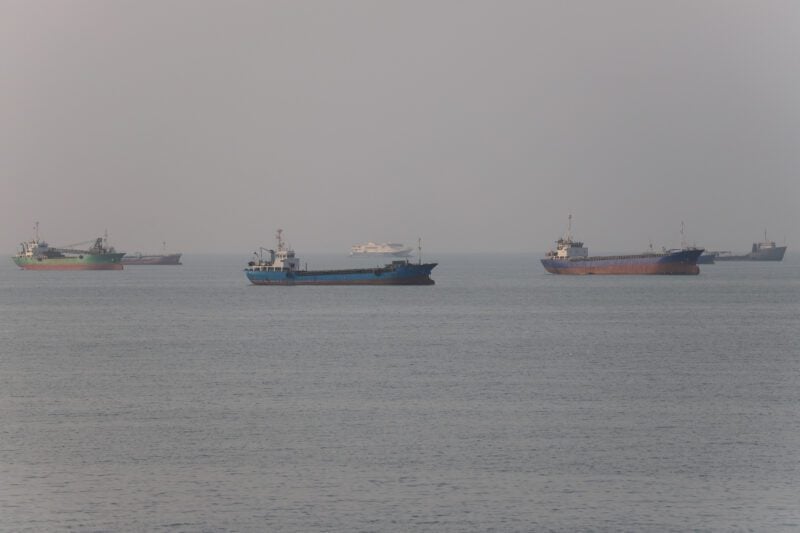
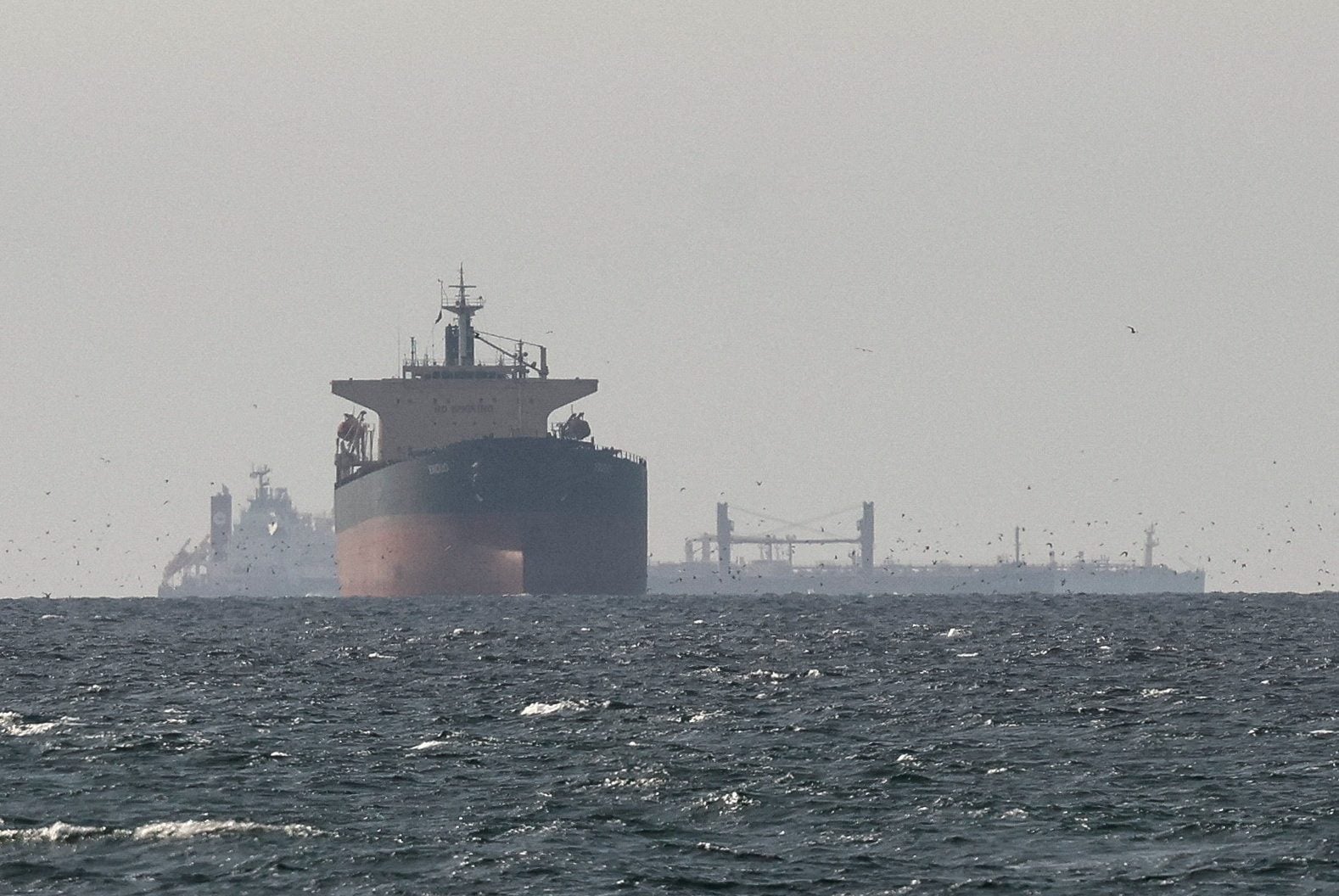
- Iran's crude-export system is very likely under severe constraint. Preliminary Bloomberg vessel tracking estimated zero Iranian crude loadings in September, while UANI reported at least 50 oil tankers backed up near Iran and no tankers loading at Kharg Island on 5 October. This Iran-specific picture does not mean all Gulf oil traffic has stopped: Kpler estimated Hormuz crude flows at 14.2 million barrels per day on 26 September, nearly 80 per cent of pre-war levels, and another report said Arab Gulf crude exports had exceeded pre-war levels. Those figures use different scopes and do not demonstrate normal passage through Hormuz. (Confidence: medium · ASSESSED)
- I&W: Confirm: Updated vessel tracking again records no Iranian crude loadings, and UANI reports the tanker backlog remains at or above 50 vessels. (0-14 days)
- I&W: Break: vessel tracking records sustained Iranian crude loadings and UANI reports a clear decline in the number of backed-up tankers. (1-3 months)
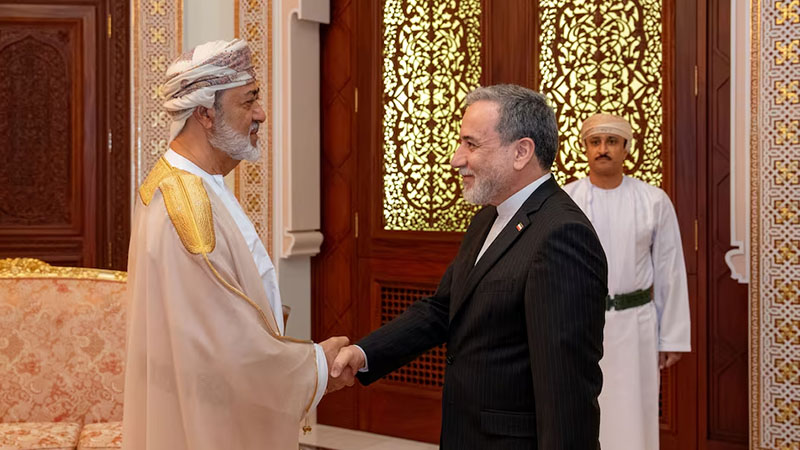
- A comprehensive negotiated reopening of the Strait of Hormuz by 19 October is unlikely. Trump rejected Iran's proposal, which included ending hostilities involving Iran and Lebanon, reopening the Strait and resuming nuclear negotiations in exchange for sanctions relief. Reporting also says US-Iran negotiations have restarted and names Qatar and Oman as potential mediators, but provides no confirmed agreement or timetable. The forecast rests on limited reporting about the current state of negotiations. (Confidence: low · ASSESSED)
- I&W: Break: US and Iranian officials confirm a mediated framework with a specific sequence for reopening the Strait and easing blockade measures. (0-14 days)
- I&W: Confirm: No publicly confirmed agreement or reopening timetable emerges by 19 October. (0-14 days)
Outlook & scenarios
Continued blockade enforcement and maritime harassment (57%)
The US continues reported blockade enforcement, while commercial vessels face further attacks, threats or diversions in and near Hormuz. Iran's crude loadings remain constrained. Projectile attacks remain unattributed unless reporting establishes responsibility.
Limited diplomatic arrangement (35%)
Qatar or Oman carries proposals between Washington and Tehran. The sides reach a limited arrangement on shipping or the sequence of negotiations without resolving the wider conflict or producing a comprehensive reopening agreement.
Wider military escalation (8%)
A strike on a US or regional military site prompts Iranian action against US interests, consistent with Iranian commanders' public warnings, and triggers a wider US-Iran military exchange. This is a low-probability, high-impact outcome.
Recommendations
- Track UKMTO and JMIC incident updates separately, recording incident time, vessel type, location, reported weapon or damage, and whether the attacker is identified. Do not attribute unknown-projectile attacks to Iran without corroboration.
- Maintain separate measures for Iranian crude loadings, tankers backed up near Kharg Island and other Iranian waters, and total Gulf or Hormuz flows. Record each measure's date, source and benchmark before comparing it with pre-war levels.
- Reconcile CENTCOM's blockade enforcement reports with independent vessel-position information in the Persian Gulf, Strait of Hormuz, Gulf of Oman and northern Indian Ocean. Keep the Iranian claim of US withdrawal distinct from verified force-location reporting.
- Monitor for publicly confirmed proposals or agreements carried by Qatar or Oman, with particular attention to stated terms for Hormuz passage, blockade measures and the timing of nuclear negotiations.
Confidence & uncertainty
Overall confidence is high for the occurrence of the reported maritime incidents and the public statements about blockade enforcement. UKMTO and JMIC reporting provides detailed incident accounts, while CENTCOM statements and vessel-tracking and shipping reports provide evidence on enforcement and disruption. Some shipping figures are preliminary or reported by UANI, and multiple reports may rely on shared underlying data. Confidence is lower on projectile attribution, the exact US force disposition and the diplomatic outlook.
Intelligence gaps
- [EEI 1.1 · UNCOVERED] Concentrations or unusual movements of IRGC-Navy fast attack craft, small boat swarms, or escort vessels within 200 km of US/allied ships, including approach distances and formation changes. Recommended collection: maritime/AIS
- [EEI 1.2 · UNCOVERED] Detected pre-launch activity at coastal missile or rocket batteries (vehicle dispersal, fuel/warhead handling, radars powering up, transport erector launchers moving to firing positions). Recommended collection: imagery/signals
- [EEI 1.3 · UNCOVERED] Increased launch/arming/positioning of armed UAVs (MALE/loitering munitions) or tactical aircraft at Iranian coastal bases with sortie generation rates and munitions loadouts. Recommended collection: air/ADS-B/imagery
- [EEI 1.4 · UNCOVERED] Command-and-control indications of attack orders or elevated rules-of-engagement from IRGC/General Staff (intercepted communications, internal order messages, force-wide alert messages). Recommended collection: signals/human
- [EEI 2.2 · PARTIAL] Issuance of formal orders, mobilization directives, travel restrictions, or official internal communications within IRGC/Armed Forces indicating escalation posture or stand-down. Recommended collection: human/diplomatic
- [EEI 2.3 · UNCOVERED] Directives, logistics movements, or communications from Iranian commanders to regional proxy militias (Houthis, Iraqi Shia militias, Lebanese groups) that change their threat posture or task them with specific operations. Recommended collection: signals/human
- [EEI 3.2 · UNCOVERED] Discovery or reporting of naval mines, unexploded ordnance, or damage to fixed maritime infrastructure (oil platforms, terminals, pipelines) with geolocated imagery or on-scene assessments. Recommended collection: imagery/open-source
- [EEI 3.4 · UNCOVERED] Movements or posture changes of regional state navies/air forces (Saudi, UAE, Kuwait, Bahrain, UK) such as task group departures, airbase dispersals, or announced maritime patrols near choke points. Recommended collection: open-source/imagery
Cited sources
[1] gCaptain · Five Hormuz Incidents Reported Monday as Tanker Attacks Mount (C) · 5 October 2026 · sha256:7d29fb9ec75b [2] gcaptain.com · More Tankers Hit in Hormuz as IRGC Orders Ship to Turn Back (F) · 5 October 2026 · sha256:8314fbc59ea7 [3] Energy Connects (republishing Bloomberg reporting) · US Blockade Bottles Up Dozens of Iranian Tankers, Nonprofit Says (C) · 6 October 2026 · sha256:3dbca5c4bb91 [4] Tehran Times · Iranian commanders warn any new war would trigger wider regional conflict (B) · 5 October 2026 · sha256:412cb819863d [5] gCaptain (republishing Bloomberg) · US Blockade Bottles Up Dozens of Iranian Tankers, Nonprofit Says (C) · 6 October 2026 · sha256:5d235cdcec4f [6] gCaptain (republishing a Reuters analysis by Ron Bousso) · Opinion: Oil's New Problem Isn't Supply. It's Logistics (C) · 5 October 2026 · sha256:928c997559ab [7] TV7 Israel News · Saudi Arabia Rethinks Its Alliances — Is Israel Back in the Equation? (B) · sha256:4e2c44375f18 [8] The Organization for World Peace (theowp.org) · Escalation And Diplomacy In The U.S.-Iran War (C) · 5 October 2026 · sha256:a077f288ad3f [9] Arab Center Washington DC · No Power Can Master Hormuz: Oman and the Politics of Maritime Interdependence (C) · 5 October 2026 · sha256:f471e4e17b0b
Source content hashes were computed at collection time; the cited text is preserved unmodified for the life of this product.
TLP:CLEAR