TLP:CLEAR · Disclosure is not limited.
Persian Gulf: Shipping Attacks and US-Iran Tensions
Time window: Last 1 day · Audience: General analyst · Type: Situation report · DTG: 2026-10-20 12:26Z · Overall confidence: HIGH
BLUF
Commercial traffic through the Strait of Hormuz remains severely disrupted, and another attack or hazardous encounter involving shipping is likely in the next 14 days. Iran's reports of tanker mine damage and a US MQ-9 shootdown remain unverified, while reporting raises concern about renewed US strikes after the November midterms but does not establish authorisation.
Executive summary
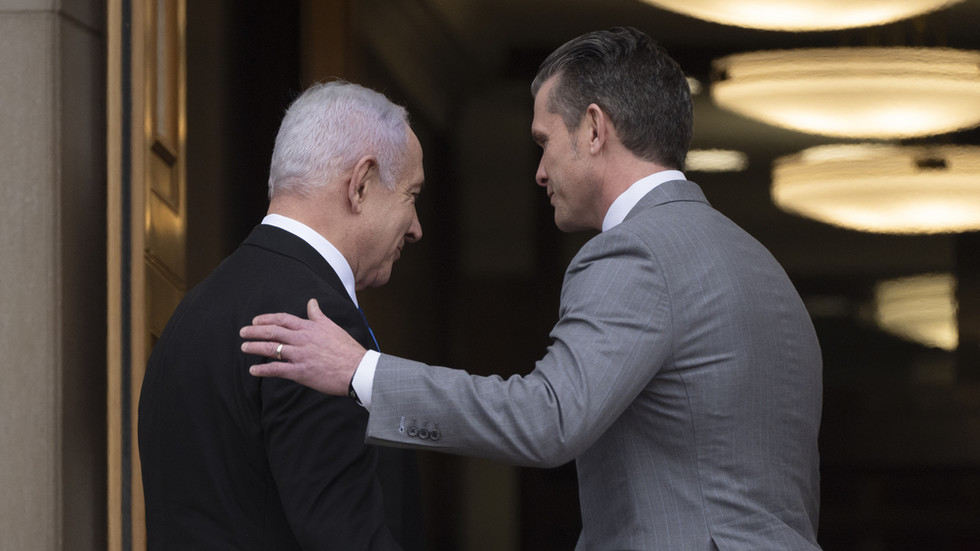
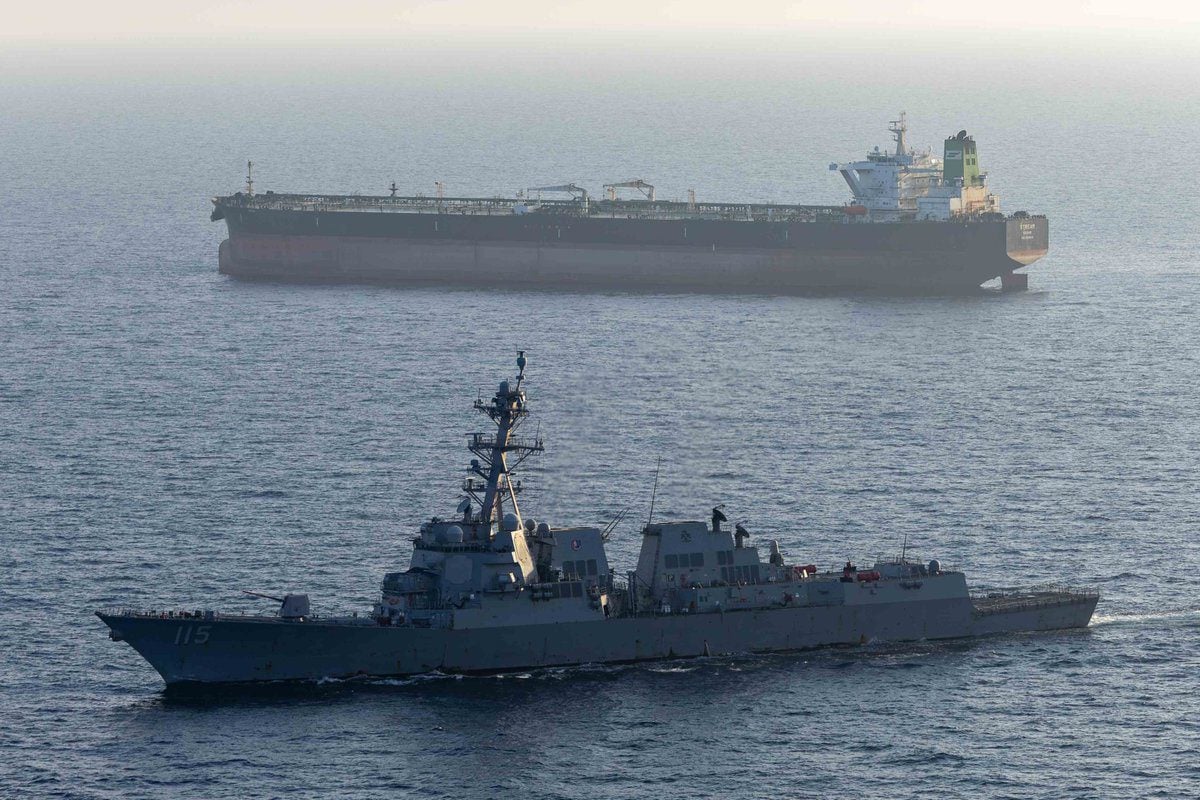
Reports describe sustained attacks on commercial vessels near the Strait of Hormuz. UKMTO reporting put attacks at 12 vessels in the seven days to 16 October and 25 ships targeted in and around the chokepoint during the first two weeks of October. Traffic is sharply reduced: UKMTO recorded 254 transits in the week to 14 October, about 70% below pre-conflict levels. Yet shipping has not stopped entirely: satellite imagery reportedly showed 11 vessels on the Hormuz Shuttle route on 19 October, and CENTCOM said US forces had assisted Gulf partners in moving more than 19 million barrels of crude through the strait on 12 October. The IRGC Navy's 20 October reports of a tanker mine strike and fires on two tankers are not independently verified, and accounts differ on the number of vessels and cause. The IRGC also claimed it shot down a US MQ-9, but the location and timing are unresolved. US-Iran negotiations are struggling, and Iran's reported reopening offer has conflicting six-day and seven-day timelines. Public signals from Donald Trump and Benjamin Netanyahu, alongside Pete Hegseth's undisclosed meeting with Netanyahu at Ovda Air Base, warrant monitoring for military action, but do not establish a US decision to strike.
Change from previous assessment
Since the 19 October brief, the IRGC Navy has issued new reports of tanker mine damage and threats against vessels that disable navigation systems, and Iranian outlets have reported an MQ-9 shootdown. These additions raise the immediate maritime warning level but do not increase confidence in either claim because independent confirmation is absent. Reporting that Donald Trump raised renewed strikes after the November midterms adds a post-election risk signal; Pete Hegseth's closed-door meeting with Benjamin Netanyahu at Ovda Air Base adds context but not evidence of authorisation. The assessment that a negotiated reopening is unlikely remains unchanged, and the Strait's operational status remains contested.
Key judgments
- Another attack or hazardous encounter involving commercial shipping in the Strait of Hormuz is likely in the next 14 days. UKMTO reporting and separate coverage indicate a high incident tempo, and the IRGC Navy has threatened vessels that disable navigation or identification systems and those using routes it calls unauthorised. The figures do not establish that Iran was responsible for every incident; UKMTO-reported projectile strikes on container ships and reports of suspected Iranian attacks leave attribution unresolved. (Confidence: medium · ASSESSED)
- I&W: Confirm: UKMTO reports a new attack or hazardous encounter involving a commercial vessel in the Strait of Hormuz. (0-14 days)
- I&W: Break: No new UKMTO-reported attack or hazardous encounter occurs during the next 14 days, while the weekly transit count rises above the latest reported 254. (0-14 days)
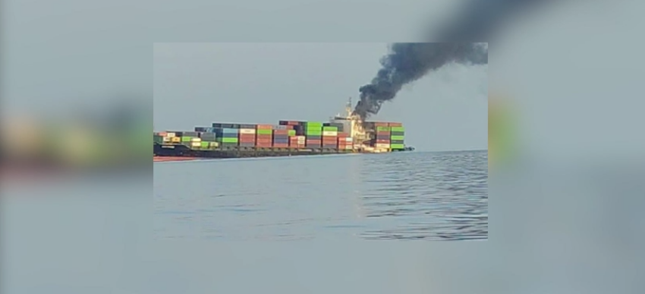
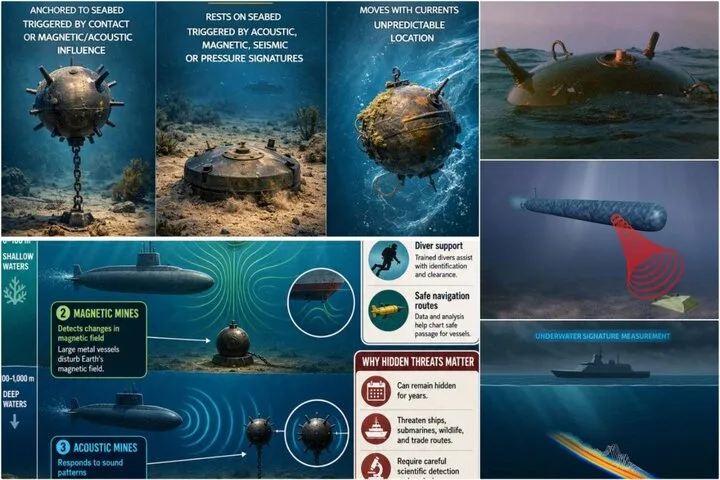
- The IRGC Navy's account that a tanker or tankers struck mines near the Strait of Hormuz remains unverified; current reporting does not establish the number of vessels or the cause of the damage. The account rests on IRGC statements repeated by local outlets, the mine type was not specified, and attribution of the incident remains unconfirmed. (Confidence: low · REPORTED)
- I&W: Confirm: A flag-state authority, vessel owner or maritime agency identifies an affected tanker and independently confirms mine damage. (0-14 days)
- I&W: Break: An investigation identifies projectile damage or another cause and excludes mine contact for the reported tanker incident. (0-14 days)
- The IRGC's claim that it shot down a US MQ-9 over the Strait of Hormuz is not independently corroborated. Iranian reporting places the event around 19-20 October, while related accounts place it over either the Strait of Hormuz or the Persian Gulf; the repeated claim does not resolve the location or confirm a loss. (Confidence: low · REPORTED)
- I&W: Confirm: US DoD or CENTCOM acknowledges an MQ-9 loss over the Strait of Hormuz or Persian Gulf, or independently verifiable wreckage is identified. (0-14 days)
- I&W: Break: US DoD or CENTCOM explicitly denies a loss during the reported period and provides evidence that the cited aircraft returned or remained accounted for. (0-14 days)
- The Strait of Hormuz is likely open to some commercial traffic, but remains heavily disrupted; claims that it is fully closed conflict with reported transits and oil movements. UKMTO recorded 254 transits in the week to 14 October, roughly 70% below pre-conflict levels. A trade publication reported 11 vessels on the Hormuz Shuttle route on 19 October, and CENTCOM reported assistance with more than 19 million barrels of crude movement on 12 October. IRGC and CENTCOM statements make opposing claims about control of the chokepoint, so neither side's control claim is established by these reports. (Confidence: medium · ASSESSED)
- I&W: Confirm: UKMTO transit reporting or independently checked vessel tracking records at least one commercial transit in each seven-day period. (0-14 days)
- I&W: Break: Verified vessel tracking records no commercial transits through the Strait of Hormuz during a rolling seven-day period. (0-14 days)
- A negotiated reopening of the Strait of Hormuz is unlikely in the next 14 days. Current reporting says US-Iran peace negotiations are struggling to make progress, while Iran's reported offer links reopening to sanctions relief. The reported six-day and seven-day timelines conflict, and the seven-day account is carried in low-confidence social-media reporting. (Confidence: medium · ASSESSED)
- I&W: Confirm: No jointly announced reopening agreement or verified resumption under an agreed timetable is reported within 14 days. (0-14 days)
- I&W: Break: Washington and Tehran jointly announce reopening terms and a verified commercial transit follows within 14 days. (0-14 days)
- A new large-scale US strike on Iran before the November midterms is unlikely; the reported prospect of renewed strikes after the midterms raises concern but does not establish authorisation. Donald Trump reportedly raised the possibility of strikes after the midterms, Benjamin Netanyahu said Israel was prepared to act alone, and Pete Hegseth met Netanyahu at Ovda Air Base on 19 October. The meeting's agenda was not disclosed, and the strike outlook relies partly on reporting that does not identify an authorised operation. (Confidence: low · ASSESSED)
- I&W: Confirm: The White House or Pentagon publicly announces authorisation of a US strike on Iran or identifies preparations for a specific operation. (0-3 months)
- I&W: Break: The White House explicitly rules out strikes before the November midterms and publicly confirms that no operation has been authorised. (0-14 days)
- Persian Gulf-to-East Asia oil freight costs are likely to remain well above pre-conflict levels over the next 1-3 months if Strait of Hormuz traffic remains depressed. Reported freight costs exceed six times their pre-conflict level, UKMTO transits were about 70% below pre-conflict levels, and more than 40% of the global VLCC fleet was reported in or close to the Persian Gulf. This forecast depends on continued disruption; it does not establish the future direction of crude prices. (Confidence: medium · ASSESSED)
- I&W: Confirm: Published Persian Gulf-to-East Asia freight rates remain at least six times their pre-conflict level in successive monthly reports. (1-3 months)
- I&W: Break: Published freight rates fall below twice their pre-conflict level and UKMTO reports a sustained recovery in Strait of Hormuz transits. (1-3 months)
Outlook & scenarios
Continued contested passage (55%)
Over the next 1-3 months, the IRGC Navy continues to enforce its stated navigation and route demands while commercial vessels continue to transit at reduced levels. Another attack or hazardous encounter is likely, and the US and Gulf partners continue assisting some oil movements. The Strait remains disrupted, but reports of ongoing transits prevent a firm conclusion that it is fully closed.
Temporary negotiated reopening (20%)
Washington and Tehran agree on a temporary passage arrangement tied to sanctions relief. Iran's reported reopening offer is converted into a verifiable timetable, and commercial transits rise. The current reporting on stalled negotiations and conflicting timelines makes this outcome less likely than continued disruption.
Renewed direct military exchange (20%)
A verified US MQ-9 loss or a new US strike prompts Iranian retaliation, increasing the risk to vessels and US forces in the Persian Gulf region. This scenario would become more likely if either government confirms a new military action; the current drone claim remains unverified.
Wildcard: pressure extends to another chokepoint (5%)
The low-probability, high-impact outcome is that Iran acts on the IRGC spokesman's threat to extend pressure from the Strait of Hormuz to Bab al-Mandab or the Suez Canal. Such an extension would widen shipping disruption beyond the Persian Gulf. No such action is established in the reporting.
Recommendations
- Maintain a daily incident ledger using UKMTO, Singapore's Maritime and Port Authority, vessel-owner notices and flag-state reporting. Record vessel identity, location, reported cause, damage and casualties separately; do not merge incidents without matching vessel details.
- Track Strait of Hormuz transit counts and vessel movements separately from claims about control or closure. State the evidence and criteria whenever describing the Strait as open, restricted or closed.
- Seek confirmation of the alleged MQ-9 loss from US DoD or CENTCOM and from independently verifiable wreckage or aircraft-loss reporting. Keep the claimed location and timing marked as unresolved until corroborated.
- Monitor official US and Iranian statements for a dated reopening proposal, agreed route and sanctions terms. Distinguish a stated offer from an implemented agreement and verified commercial passage.
- Include a shipping-cost stress case in near-term reporting: current Persian Gulf-to-East Asia freight is reported at more than six times its pre-conflict level. Update the assessment if freight rates fall or UKMTO transit counts recover.
Confidence & uncertainty
Overall confidence is high for the situation-level assessment because UKMTO-based attack and transit reporting, Singapore MPA reporting, trade data and CENTCOM statements provide converging evidence of maritime incidents, sharply reduced traffic and continuing oil movements. That corroboration does not settle responsibility for individual attacks or validate the IRGC's tanker mine and MQ-9 claims. Some reports repeat official assertions, and accounts of the number of tankers, the cause of damage and control of the Strait remain disputed.
Alternative analysis (red cell)
The timing of possible US or Israeli military action is indeterminate rather than clearly unlikely before the midterms. Trump's reported post-midterm framing (71badc46-5683-4bf2-a1f6-531415eb9330) is not an exclusion of earlier action, while Netanyahu's willingness to act alone (6d68c492-a881-4ee8-af32-0fb61d36dcff) and the undisclosed Hegseth meeting (c4d9b8f1-9b3a-45bb-9575-e60727557b54) leave a plausible alternative path. The available reporting supports low confidence in any timing estimate, not a firm directional judgment that pre-midterm action is unlikely.
Intelligence gaps
- [EEI 1.1 · UNCOVERED] Concentrations or unusual movements of IRGC-Navy fast attack craft, small boat swarms, or escort vessels within 200 km of US/allied ships, including approach distances and formation changes. Recommended collection: maritime/AIS
- [EEI 1.2 · UNCOVERED] Detected pre-launch activity at coastal missile or rocket batteries (vehicle dispersal, fuel/warhead handling, radars powering up, transport erector launchers moving to firing positions). Recommended collection: imagery/signals
- [EEI 1.3 · PARTIAL] Increased launch/arming/positioning of armed UAVs (MALE/loitering munitions) or tactical aircraft at Iranian coastal bases with sortie generation rates and munitions loadouts. Recommended collection: air/ADS-B/imagery
- [EEI 1.4 · UNCOVERED] Command-and-control indications of attack orders or elevated rules-of-engagement from IRGC/General Staff (intercepted communications, internal order messages, force-wide alert messages). Recommended collection: signals/human
- [EEI 2.2 · UNCOVERED] Issuance of formal orders, mobilization directives, travel restrictions, or official internal communications within IRGC/Armed Forces indicating escalation posture or stand-down. Recommended collection: human/diplomatic
- [EEI 2.3 · UNCOVERED] Directives, logistics movements, or communications from Iranian commanders to regional proxy militias (Houthis, Iraqi Shia militias, Lebanese groups) that change their threat posture or task them with specific operations. Recommended collection: signals/human
- [EEI 3.4 · UNCOVERED] Movements or posture changes of regional state navies/air forces (Saudi, UAE, Kuwait, Bahrain, UK) such as task group departures, airbase dispersals, or announced maritime patrols near choke points. Recommended collection: open-source/imagery
Red cell review: PARTIAL DISSENT
TLP:CLEAR