TLP:CLEAR · Disclosure is not limited.
Persian Gulf: Shipping Attacks Continue as US and Iran Contest Hormuz
Time window: Last 1 day · Audience: General analyst · Type: Situation report · DTG: 2026-10-17 13:37Z · Overall confidence: HIGH
BLUF
UKMTO reported 12 attacks on ships in its latest reporting period, including 10 in the Strait of Hormuz, while separate reports describe two tankers hit off Saudi Arabia near Jubail. The strait remains in use but traffic is far below pre-conflict levels; US and Iranian claims about control and the cause of a reported tanker fire remain contested.
Executive summary
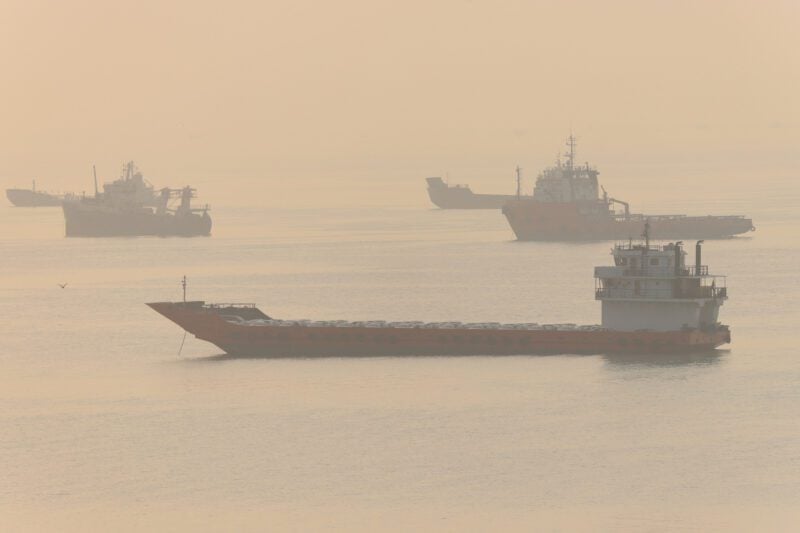
Maritime security risks remain acute. UKMTO reported 12 attacks in its latest period, and reported tanker strikes off Saudi Arabia included an account of an RPG fired from a small boat near Jubail. The IRGC Navy said an unnamed supertanker hit a mine in the Strait of Hormuz and caught fire, but it did not identify the vessel or provide details on casualties or damage. UKMTO recorded 254 transits in the week ending 14 October, while CENTCOM claimed about 400 for a roughly comparable week. The figures are not reconciled, and most of UKMTO's recorded transits were not independently verified by AIS. CENTCOM says the US and regional partners control the strait; Iranian officials say it is closed.
Change from previous assessment
Since the 16 October brief, UKMTO's latest reporting adds 12 attacks in its reporting period, including 10 in the Strait of Hormuz, and new reports describe two tankers hit off Saudi Arabia near Jubail. The IRGC Navy has also reported an unnamed supertanker mine strike, which remains unverified. The transit picture is now framed around UKMTO's 254 recorded transits for the week ending 14 October and CENTCOM's conflicting claim of about 400, rather than the prior brief's shorter-period figures. The assessment that further attacks are likely remains at medium confidence. The near-term US strike judgement remains low confidence because reporting of strike options conflicts with a reported statement against attacking before the midterm elections.
Key judgments
- Further attacks on commercial ships in or near the Strait of Hormuz are likely in the next 14 days. UKMTO reported 12 attacks in its latest period, including 10 in the strait, and said most attacked vessels do not report incidents to it, so its recorded total is likely incomplete. (Confidence: medium · ASSESSED)
- I&W: UKMTO or a named vessel operator reports another projectile or small-boat attack on a commercial ship in or near the Strait of Hormuz. (0-14 days)
- I&W: UKMTO's next 14-day incident summary records no attacks on commercial ships in or near the Strait of Hormuz. (0-14 days)
- UKMTO reported two tankers hit off the Saudi coast on 16 October, but the available accounts do not establish whether reports of a tanker hit by an RPG 78 nautical miles northeast of Jubail and a ship hit by an unknown projectile 68 nautical miles northeast of Al Jubail describe separate incidents. Vanguard identified one vessel as Safeen Principal and reported loss of propulsion and a fire in its engine room; UKMTO said the crews were safe and reported no signs of environmental damage. (Confidence: medium · REPORTED)
- I&W: UKMTO or the vessel operator publishes vessel names and incident details that confirm whether the two Jubail-area reports concern separate attacks. (0-14 days)
- I&W: UKMTO corrects its report of two tankers hit off Saudi Arabia or states that one reported incident did not involve a tanker. (0-14 days)
- The Strait of Hormuz is operating at reduced traffic levels, not fully closed, but total throughput remains uncertain. UKMTO recorded 254 transits in the seven days ending 14 October, roughly 70 per cent below pre-conflict levels; only 42 were observed via AIS, while 212 US-reported facilitated transits could not be independently verified. CENTCOM's claim of about 400 transits over a week conflicts with that count. (Confidence: medium · ASSESSED)
- I&W: UKMTO's next weekly update records AIS-observed transits continuing through the strait, confirming that it remains operational. (0-14 days)
- I&W: UKMTO reports zero transits through the strait in its next weekly update, breaking the assessment that it remains operational. (0-14 days)
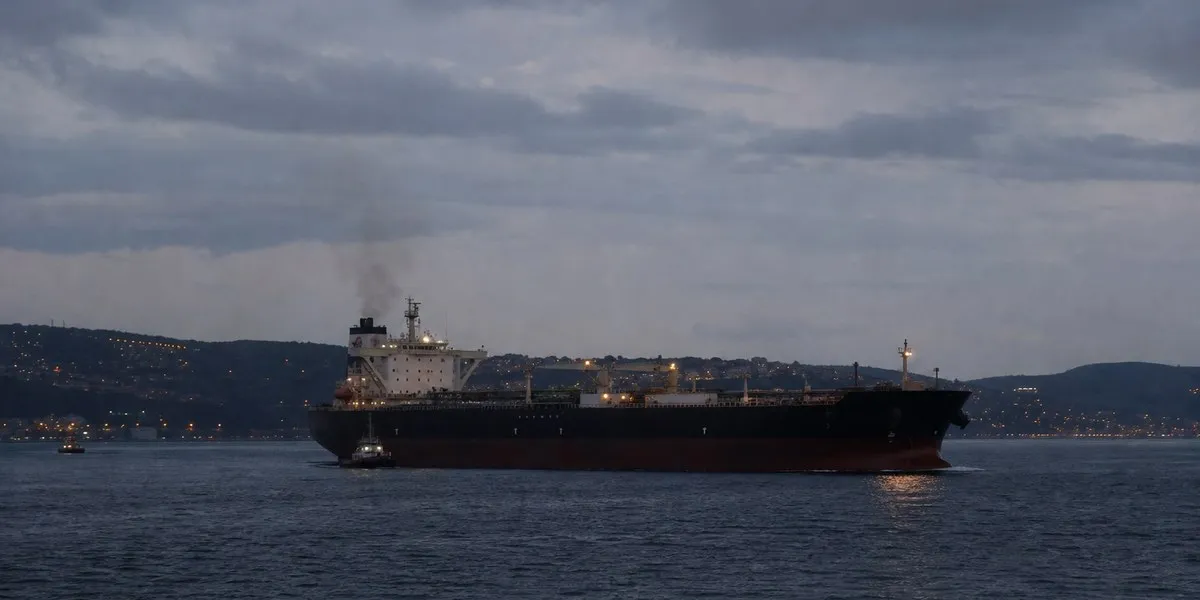
- The IRGC Navy's 17 October report that an unnamed supertanker carrying more than 2 million barrels of crude hit a mine and caught fire remains unverified. The IRGC did not name the vessel or provide casualty or damage details, and separate social media reports disagree over whether footage shows one or two burning tankers and whether a mine or deliberate targeting caused the fire. (Confidence: low · REPORTED)
- I&W: The IRGC Navy, a vessel operator, or UKMTO identifies the supertanker and provides details independently corroborating a mine strike and fire. (0-14 days)
- I&W: The vessel operator or UKMTO identifies the reported fire as a separate incident or contradicts the IRGC account of a mine strike. (0-14 days)
- A US strike on Iran in the next 14 days is unlikely, but the available reporting does not establish a decision or authorisation to strike. A reported Trump statement against attacking before the midterm elections conflicts with reports of prepared strike options and a statement that the US might need to strike Pickaxe Mountain. Those reports rely partly on social media or single-source reporting, so confidence is low. (Confidence: low · ASSESSED)
- I&W: Trump or the White House publicly reiterates that no strike on Iran is planned before the midterm elections. (0-14 days)
- I&W: Trump, the White House, or the Pentagon publicly announces authorisation for a strike on Iran, or US forces conduct one. (0-14 days)
Outlook & scenarios
Continued attacks, limited passage (60%)
Attacks on commercial ships continue, while some vessels transit the Strait of Hormuz. UKMTO's low AIS-observed count and the discrepancy with CENTCOM's transit figure persist, leaving the level of US-facilitated traffic difficult to establish.
Tactical pause and improved passage (28%)
No further attacks are reported in the next 14 days, and weekly AIS-observed transits increase from the latest UKMTO count. US and Iranian claims about control remain opposed, but a rise in independently observed traffic would indicate improved access.
Wider US-Iran military exchange (12%)
A new attack on shipping or a strike on Iran is followed by a wider military exchange. This is the low-probability, high-impact scenario: reporting describes US strike options, but no decision or authorisation is established.
Recommendations
- Keep UKMTO's AIS-observed transit count separate from US-reported facilitated transits in situation reporting. State the period covered and flag any totals that cannot be independently verified.
- Seek confirmation from UKMTO, vessel operators, and maritime security firms on the names, locations, damage, and crew status of the two tankers reported hit near Jubail before treating them as separate incidents.
- Do not report the IRGC Navy's mine-strike account as independently confirmed. Track whether the vessel is identified and whether an operator or maritime authority corroborates the cause of the fire.
- Monitor public statements by Trump, the White House, and the Pentagon for a change from options planning to an authorised strike decision. Distinguish reported planning from evidence of authorisation.
Confidence & uncertainty
Overall confidence is high for the broad picture of sustained attacks on shipping and reduced traffic through the Strait of Hormuz. UKMTO reporting, vessel-master accounts, and maritime security reporting corroborate the occurrence of recent incidents. Confidence is lower on the attribution and cause of particular attacks, the total number of incidents, actual transit volume, and US strike intent: UKMTO notes underreporting, transit figures conflict, and some strike-planning claims are thin or single-source.
Intelligence gaps
- [EEI 1.1 · UNCOVERED] Concentrations or unusual movements of IRGC-Navy fast attack craft, small boat swarms, or escort vessels within 200 km of US/allied ships, including approach distances and formation changes. Recommended collection: maritime/AIS
- [EEI 1.2 · UNCOVERED] Detected pre-launch activity at coastal missile or rocket batteries (vehicle dispersal, fuel/warhead handling, radars powering up, transport erector launchers moving to firing positions). Recommended collection: imagery/signals
- [EEI 1.3 · UNCOVERED] Increased launch/arming/positioning of armed UAVs (MALE/loitering munitions) or tactical aircraft at Iranian coastal bases with sortie generation rates and munitions loadouts. Recommended collection: air/ADS-B/imagery
- [EEI 1.4 · UNCOVERED] Command-and-control indications of attack orders or elevated rules-of-engagement from IRGC/General Staff (intercepted communications, internal order messages, force-wide alert messages). Recommended collection: signals/human
- [EEI 2.2 · UNCOVERED] Issuance of formal orders, mobilization directives, travel restrictions, or official internal communications within IRGC/Armed Forces indicating escalation posture or stand-down. Recommended collection: human/diplomatic
- [EEI 2.3 · PARTIAL] Directives, logistics movements, or communications from Iranian commanders to regional proxy militias (Houthis, Iraqi Shia militias, Lebanese groups) that change their threat posture or task them with specific operations. Recommended collection: signals/human
- [EEI 2.4 · UNCOVERED] Changes in Iran's diplomatic exchanges with key states (offers of negotiation, warnings, or coordination with Russia/China) or requests for deconfliction with maritime/naval actors. Recommended collection: diplomatic
- [EEI 3.4 · UNCOVERED] Movements or posture changes of regional state navies/air forces (Saudi, UAE, Kuwait, Bahrain, UK) such as task group departures, airbase dispersals, or announced maritime patrols near choke points. Recommended collection: open-source/imagery
Red cell review: CONCUR WITH COMMENT
TLP:CLEAR