TLP:CLEAR · Disclosure is not limited.
Persian Gulf: Shipping Risk and US-Iran Strike Uncertainty
Time window: Last 1 day · Audience: General analyst · Type: Situation report · DTG: 2026-11-02 15:40Z · Overall confidence: HIGH
BLUF
Further attacks on commercial vessels near the Strait of Hormuz are likely, while the attacker and timing of the Al Mayeda incident remain unresolved. Mediated US-Iran contacts are continuing, but an agreement in the next 14 days is unlikely; the chance of a renewed US strike after the 3 November midterm elections remains roughly even.
Executive summary
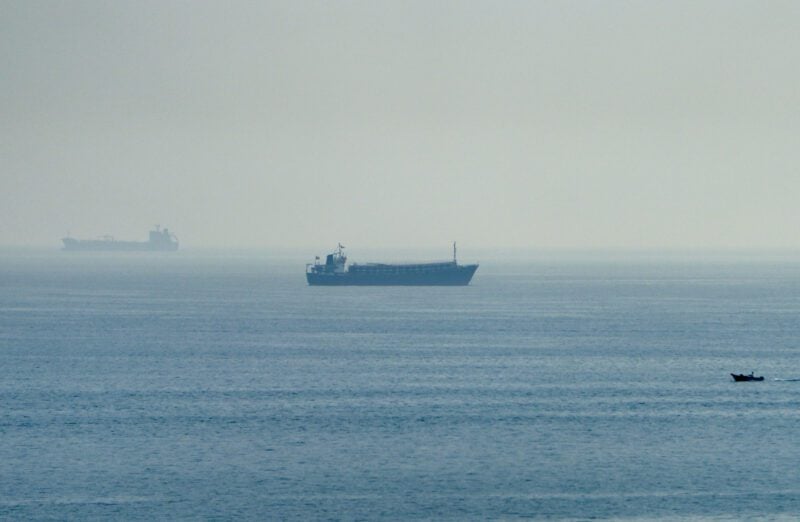
Reporting says the Marshall Islands-flagged LNG carrier Al Mayeda, loaded with Qatari gas, was attacked near the Strait of Hormuz and turned back into the Persian Gulf. Accounts place the incident on either 30 October or 1 November; all 25 crew members were reported safe, and Nakilat said the vessel remained operational and was being assessed. Iran's Foreign Minister Abbas Araghchi described intense Qatar- and Pakistan-mediated consultations and said Iran had submitted terms and a roadmap. He also said full-scale negotiations depended on Iran's conditions for the Strait. US President Donald Trump continued to threaten action, while reporting differed on whether he favoured a negotiating pause or was being urged by Israeli Prime Minister Benjamin Netanyahu to strike after the midterm elections. Iranian officials publicly signalled readiness to respond to another attack. LNG flows through Hormuz were reported at about 30% of pre-war levels in October; the UAE announced plans to protect energy infrastructure and expand export routes.
Change from previous assessment
Since the 1 November brief, reporting has added the Al Mayeda attack, its return to the Persian Gulf and confirmation that its crew were safe. The reported attack increases concern about commercial shipping, but the date discrepancy and unknown attacker leave attribution unresolved. Araghchi has now described intense mediated contacts and a submitted roadmap, while also making formal negotiations conditional on Iran's Hormuz terms. Reporting on Trump's preference for talks and Netanyahu's reported push for a post-election strike remains conflicting, so the prior roughly even chance assessment of renewed US action remains unchanged. Iranian public deterrent messaging is more explicit in the new reporting.
Key judgments
- Al Mayeda was likely attacked by a projectile or other unidentified object while approaching the Strait of Hormuz. Reporting says the carrier turned back into the Persian Gulf; all 25 crew members were safe, and Nakilat said the vessel remained operational and was being assessed. Reports differ on whether the incident occurred on 30 October or 1 November, and they do not identify the attacker. Confidence is medium because the attack and crew status appear in multiple reports and statements, but the date and attribution remain unresolved. (Confidence: medium · REPORTED)
- I&W: Nakilat's completed inspection or Qatar's investigation confirms physical impact damage to Al Mayeda. (0-7 days)
- I&W: Nakilat reports that its assessment found no impact damage, alongside a revised incident account that rejects the reported attack. (0-7 days)
- Further attacks or damage to commercial vessels in or near the Strait of Hormuz over the next 14 days are likely. The Al Mayeda incident adds to reporting of vessel targeting in the Strait and wider Gulf since the war began. Confidence is medium: the Al Mayeda reporting has multiple forms of corroboration, but the attacker is unknown and the additional tanker-mine report rests on social-media reporting. (Confidence: medium · ASSESSED)
- I&W: UKMTO, a flag-state authority or a vessel operator confirms another commercial vessel was struck or damaged in or near the Strait. (0-14 days)
- I&W: No UKMTO, flag-state or operator reports confirm vessel damage in or near the Strait through 16 November. (0-14 days)
- A formal US-Iran negotiation producing an agreement on Hormuz security in the next 14 days is unlikely. Araghchi described active mediated consultations and a submitted roadmap, but said full-scale negotiations depend on Iran's Strait of Hormuz conditions being met. The difference may reflect Tehran's distinction between mediated consultations and formal negotiations. Confidence is medium because the statements are reported by major-media and wire sources, but the status of engagement is contested. (Confidence: medium · ASSESSED)
- I&W: Washington and Tehran announce a direct negotiation date and publicly agree on steps for restoring security in the Strait. (0-14 days)
- I&W: Araghchi or Qatari or Pakistani mediators state that Iran's conditions remain unmet and no direct negotiation date has been set. (0-14 days)
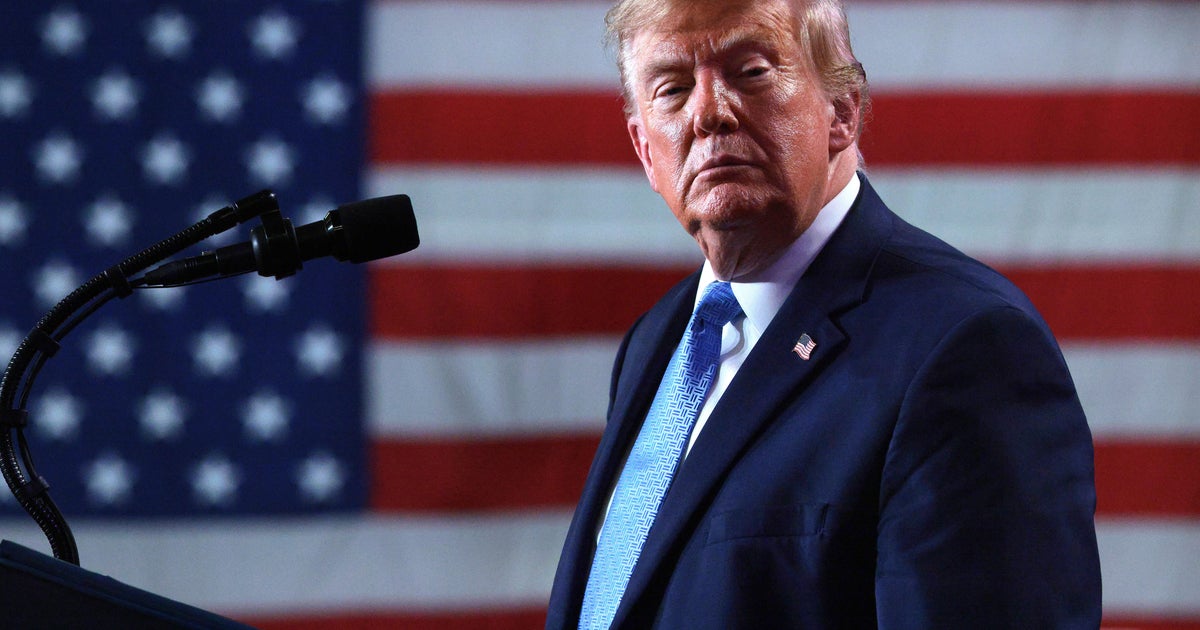
- A renewed US strike on Iran between 3 and 15 November is a roughly even chance. Trump's threats and a report that Netanyahu is pressing for an attack after the midterm elections point towards military action; a separate report says Trump wants negotiations to have a chance first. The Netanyahu lobbying account is single-outlet reporting attributed to Axios, and no claim establishes a US strike order or timetable. Confidence is low because the reporting conflicts and does not verify a decision. (Confidence: low · ASSESSED)
- I&W: The White House or Pentagon announces a strike order, or a US strike on an Iranian site is confirmed. (0-14 days)
- I&W: The White House confirms a post-election negotiation date and states that strikes are paused while those talks proceed. (0-14 days)
- Iran's senior leadership is very likely reinforcing deterrent messaging and response planning, but the reporting does not establish a decision to initiate a new attack. Supreme Leader Mojtaba Khamenei ordered an immediate response if Iran is attacked again, and the IRGC spokesman said the force was ready to confront another attack. These are direct public statements; the reported commanders' meeting and readiness claims do not independently verify operational movements. Confidence is medium. (Confidence: medium · ASSESSED)
- I&W: Mojtaba Khamenei or the IRGC announces new readiness orders or deployments in response to a stated threat. (0-14 days)
- I&W: A verified Iranian missile or drone strike hits a named US or Gulf Cooperation Council target. (0-14 days)
Outlook & scenarios
Indirect contacts continue, Hormuz restrictions persist (45%)
Qatar- and Pakistan-mediated contacts continue, but Washington and Tehran do not agree on Iran's conditions for the Strait of Hormuz. LNG flows remain below pre-war levels and commercial shipping remains exposed to further incidents.
Conditional diplomatic reopening (25%)
Washington accepts enough of Iran's stated terms for mediated contacts to move towards formal negotiations. Iran says security in the Strait will be restored and negotiations will begin; shipping operators look for confirmation that transit conditions have changed.
Post-election US strike and Iranian response (25%)
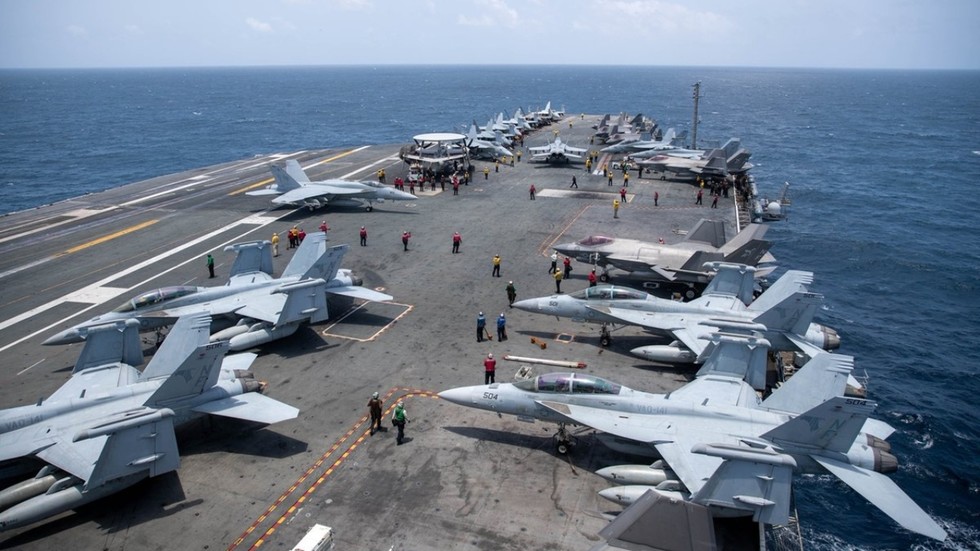
The United States resumes strikes after the 3 November midterm elections. Iran carries out the immediate response its leaders have publicly threatened, raising the prospect of attacks affecting US forces or Gulf Cooperation Council states.
Maritime incident draws Qatar into a wider confrontation (5%)
A further attack damages a Qatar-linked vessel despite prior passage arrangements. Qatar invokes its stated right to take measures to protect its assets and vessels, widening the diplomatic and security consequences of maritime incidents.
Recommendations
- Maintain a single incident chronology for Al Mayeda. Reconcile the 30 October and 1 November dates against Nakilat's assessment, Qatar's investigation, ship-tracking data and statements by the Indian shipping minister. Keep attacker attribution separate from confirmation that the vessel was hit.
- Track mediated consultations, direct contacts and formal negotiations as separate categories. Record any public US, Iranian, Qatari or Pakistani statement that clarifies whether Iran's Strait of Hormuz conditions have been accepted.
- Keep the post-election strike outlook as a competing-scenario assessment. Do not treat reported lobbying, public threats or commentary about a nuclear strike as evidence of a US order; update the assessment only on verified official decisions or confirmed military action.
- Monitor monthly LNG flows through the Strait alongside verified vessel incidents. Track implementation of the UAE's announced energy-protection and export-route plans, including the pipeline to Fujairah, as indicators of regional efforts to reduce exposure to Hormuz disruption.
Confidence & uncertainty
Overall confidence is high for the broad situation picture because the main developments are supported by major-media and wire reporting, named official statements, and operator or tracking information. The Al Mayeda crew status and return route have more than one form of reporting support, and Iranian deterrent statements are directly attributed to senior officials. Confidence is lower on the attack's date and attribution, the precise status of US-Iran negotiations, and whether Washington will resume strikes; those points remain contested or rest on thin reporting.
Alternative analysis (red cell)
The available reporting supports active mediated engagement and a conditional pathway toward reopening the Strait, so an agreement within 14 days cannot be discounted solely because Tehran distinguishes consultations from formal negotiations. Separately, the reporting supports continued US-Iran escalation risk but does not substantiate an even chance of a strike in the specified window. The Al Mayeda incident is better supported than the broader forecast of additional attacks, which rests partly on low-grade and potentially non-independent reporting.
Intelligence gaps
- [EEI 1.1 · UNCOVERED] Concentrations or unusual movements of IRGC-Navy fast attack craft, small boat swarms, or escort vessels within 200 km of US/allied ships, including approach distances and formation changes. Recommended collection: maritime/AIS
- [EEI 1.2 · UNCOVERED] Detected pre-launch activity at coastal missile or rocket batteries (vehicle dispersal, fuel/warhead handling, radars powering up, transport erector launchers moving to firing positions). Recommended collection: imagery/signals
- [EEI 1.3 · PARTIAL] Increased launch/arming/positioning of armed UAVs (MALE/loitering munitions) or tactical aircraft at Iranian coastal bases with sortie generation rates and munitions loadouts. Recommended collection: air/ADS-B/imagery
- [EEI 2.3 · UNCOVERED] Directives, logistics movements, or communications from Iranian commanders to regional proxy militias (Houthis, Iraqi Shia militias, Lebanese groups) that change their threat posture or task them with specific operations. Recommended collection: signals/human
- [EEI 3.3 · PARTIAL] Commercial indicators of disruption: sudden increases in war-risk insurance premiums for Gulf transits, vessel re-routing decisions, port throughput reductions, or charter cancellations for Gulf shipments. Recommended collection: financial/commercial
- [EEI 3.4 · UNCOVERED] Movements or posture changes of regional state navies/air forces (Saudi, UAE, Kuwait, Bahrain, UK) such as task group departures, airbase dispersals, or announced maritime patrols near choke points. Recommended collection: open-source/imagery
Red cell review: PARTIAL DISSENT
TLP:CLEAR