TLP:CLEAR · Disclosure is not limited.
Persian Gulf: Shipping Risk and US-Iran Tensions
Time window: Last 1 day · Audience: General analyst · Type: Situation report · DTG: 2026-11-14 10:41Z · Overall confidence: MEDIUM
BLUF
Further vessel-related security incidents in the Strait of Hormuz are likely over the next 14 days. Commercial traffic is still moving but remains far below pre-conflict levels, while Iranian claims of tanker mine strikes and the IRGC’s claim that it destroyed a US radar in Bahrain remain unverified or disputed.
Executive summary
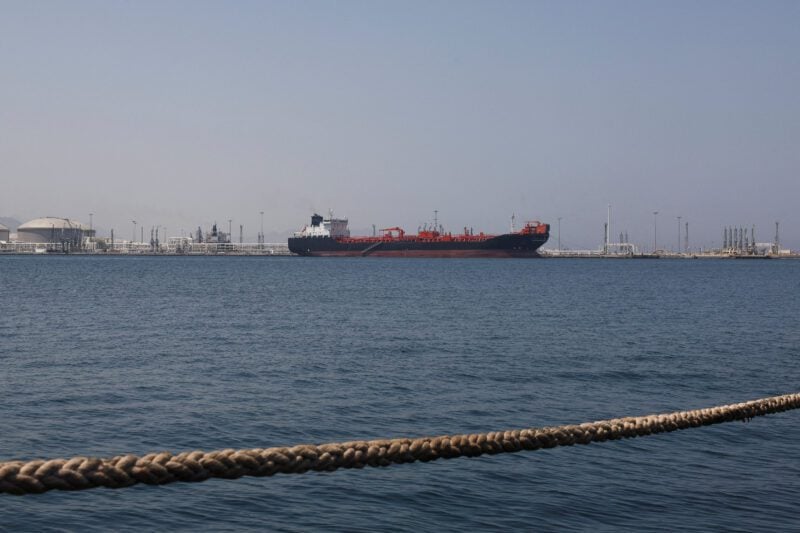
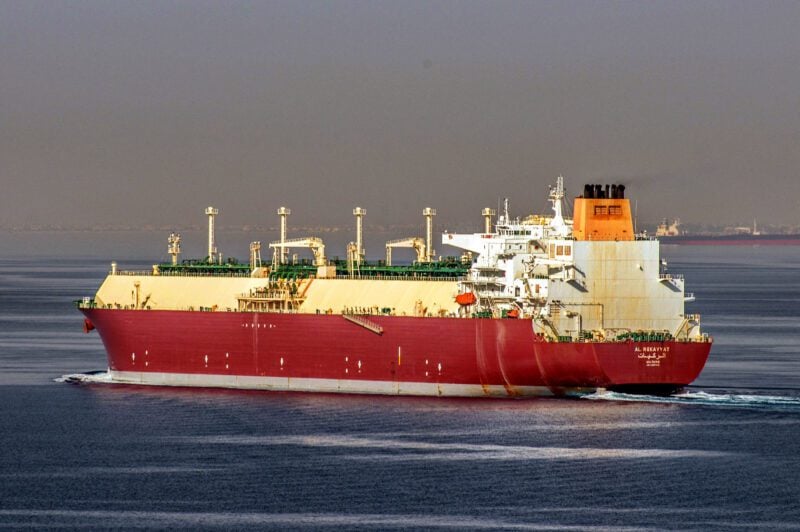
Maritime risk remains high. UKMTO reported eight recent security incidents, including seven tanker attacks, and traffic through the Strait of Hormuz at about 65% below pre-conflict levels. The IMO separately counted 136 vessel-related security incidents in Hormuz and the wider Middle East from 1 March to 11 November, including 10 in November. Iranian authorities have issued mine-related warnings and reported tanker strikes, but accounts differ on the number of vessels and the incidents lack independent confirmation in the available reporting. CENTCOM says it intercepted two Iranian drones headed for Bahrain and denies that the radar was destroyed; the IRGC claims the installation was destroyed. Diplomatic mediation by Qatar and Pakistan continues, but public US and Iranian positions remain far apart, and reporting conflicts over whether a June framework agreement was reached.
Change from previous assessment
Since the 13 November brief, reporting adds the IMO’s count of 136 vessel-related incidents through 11 November, including 10 in November, and UKMTO’s report of eight recent incidents, including seven tanker attacks. Iranian accounts now describe different numbers of tankers struck by mines, so confidence in the specific mine incident has fallen; the incidents remain unverified. The Bahrain radar claim remains disputed, with no new independent confirmation. Qatar-Pakistan mediation is reported to continue, while new reporting on Trump’s position and Iran’s conditions for talks leaves the likelihood of a near-term agreement low. This assessment narrows the near-term escalation judgment to vessel-related incidents rather than predicting a direct US-Iran strike.
Key judgments
- A further vessel-related security incident in or near the Strait of Hormuz is likely within the next 14 days. UKMTO reported eight recent incidents, including seven tanker attacks, while the IMO recorded 136 vessel-related incidents through 11 November and 10 in November. Iran’s Navy has threatened tankers entering a restricted area, and the IRGC has warned it is prepared to respond to further perceived violations. These reporting streams support continued maritime risk, but Iranian claims about recent mine strikes remain unconfirmed. (Confidence: medium · ASSESSED)
- I&W: A new UKMTO notice records an attack, attempted attack or other security incident involving a vessel in or near the Strait of Hormuz. (0-14 days)
- I&W: UKMTO records no new vessel-related security incidents during the period, and Iran’s Navy withdraws or amends its restricted-area warning. (0-14 days)
- Commercial shipping through the Strait of Hormuz is very likely to continue, but traffic is likely to remain well below pre-conflict levels over the next 14 days. UKMTO reported 139 outbound and 169 inbound transits while assessing overall traffic at about 65% below pre-conflict levels. CENTCOM says the main routes are open and cleared of mines, while Iran requires its approval for safe passage and has threatened vessels entering restricted areas. The claim that the strait has been effectively closed conflicts with reported transits and rests on low-reliability reporting. (Confidence: medium · ASSESSED)
- I&W: UKMTO continues to report vessel transits while traffic remains close to its current estimate of 65% below pre-conflict levels. (0-14 days)
- I&W: UKMTO reports traffic returning close to pre-conflict levels, or records no commercial transits through the strait. (0-14 days)
- It is unlikely that the IRGC destroyed the US early-warning radar in Bahrain, but the outcome remains unresolved. The IRGC says it destroyed the radar; CENTCOM denies damage and says US forces intercepted two Iranian drones headed for Bahrain. The accounts directly conflict, and the available reporting provides no independent confirmation of damage or the radar’s operational status. (Confidence: low · ASSESSED)
- I&W: Independent imagery or a specific CENTCOM statement confirms damage to the Bahrain radar or that it is out of service. (0-14 days)
- I&W: CENTCOM confirms the radar remains operational and independent imagery shows no damage at the site. (0-14 days)
- A formal US-Iran agreement is unlikely within the next 14 days, although Qatar-Pakistan mediation is reported to be continuing. Trump said the United States no longer needs an agreement and redirected Vice President JD Vance away from Iran diplomacy; Iran has tied the resumption of formal talks to demands including lifting sanctions and ending the naval blockade. Confidence is low because the public positions do not establish whether private talks continue, and reporting conflicts over whether a June Islamabad framework was already agreed. (Confidence: low · ASSESSED)
- I&W: The US and Iran or their mediators announce formal talks with a date, venue and stated agenda. (0-14 days)
- I&W: The US and Iran announce a signed agreement or joint statement confirming agreed terms. (0-14 days)
Outlook & scenarios
Continued maritime pressure without a major US-Iran strike (60%)
This is the likely course over the next 14 days. Vessel-related incidents and Iranian warnings continue, while commercial traffic remains well below pre-conflict levels. The US maintains its stated effort to keep the strait open and enforce its blockade, without a confirmed attack on a US installation.
A limited diplomatic pause (25%)
A pause in military activity is unlikely but remains plausible if Qatar-Pakistan mediation produces renewed formal talks. Public positions remain difficult to reconcile: Trump has said the United States does not need a deal, while Iran has tied talks to conditions including lifting sanctions and ending the blockade.
A confirmed incident triggers direct retaliation (15%)
A wider exchange is unlikely but would have high impact. An independently confirmed mine strike or attack on a US installation, followed by US retaliation, would move the confrontation beyond the current pattern of disputed claims, warnings and intercepted drones. Shipping disruption would then face a sharper escalation risk.
Recommendations
- Maintain a dated incident log using UKMTO and IMO reporting. Record each vessel’s name, location, reported damage, casualties and source, and keep Iranian claims of mine strikes separate from independently confirmed details.
- Track UKMTO transit figures against CENTCOM’s statements that routes are open and Iran’s requirement for authorisation. Distinguish actual vessel movement from claims about legal or military control of the strait.
- Keep the Bahrain radar incident classified as disputed until CENTCOM provides specific status information or independent imagery establishes whether the site was damaged.
- Ask reporting teams to reconcile the competing accounts of the June Islamabad framework with current Qatar-Pakistan mediation reporting before describing the diplomatic status as an agreed accord or an absence of agreement.
Confidence & uncertainty
Overall confidence is medium because UKMTO and the IMO independently report a substantial pattern of maritime incidents, and UKMTO reports traffic well below pre-conflict levels. Confidence is lower on the specific tanker mine incidents because Iranian accounts differ on the number of vessels and the available reporting does not independently confirm the strikes. The Bahrain radar claim is directly disputed by CENTCOM, and reporting on the status of US-Iran diplomacy conflicts.
Intelligence gaps
- [EEI 1.1 · UNCOVERED] Concentrations or unusual movements of IRGC-Navy fast attack craft, small boat swarms, or escort vessels within 200 km of US/allied ships, including approach distances and formation changes. Recommended collection: maritime/AIS
- [EEI 1.2 · UNCOVERED] Detected pre-launch activity at coastal missile or rocket batteries (vehicle dispersal, fuel/warhead handling, radars powering up, transport erector launchers moving to firing positions). Recommended collection: imagery/signals
- [EEI 1.3 · PARTIAL] Increased launch/arming/positioning of armed UAVs (MALE/loitering munitions) or tactical aircraft at Iranian coastal bases with sortie generation rates and munitions loadouts. Recommended collection: air/ADS-B/imagery
- [EEI 1.4 · PARTIAL] Command-and-control indications of attack orders or elevated rules-of-engagement from IRGC/General Staff (intercepted communications, internal order messages, force-wide alert messages). Recommended collection: signals/human
- [EEI 2.2 · PARTIAL] Issuance of formal orders, mobilization directives, travel restrictions, or official internal communications within IRGC/Armed Forces indicating escalation posture or stand-down. Recommended collection: human/diplomatic
- [EEI 2.3 · UNCOVERED] Directives, logistics movements, or communications from Iranian commanders to regional proxy militias (Houthis, Iraqi Shia militias, Lebanese groups) that change their threat posture or task them with specific operations. Recommended collection: signals/human
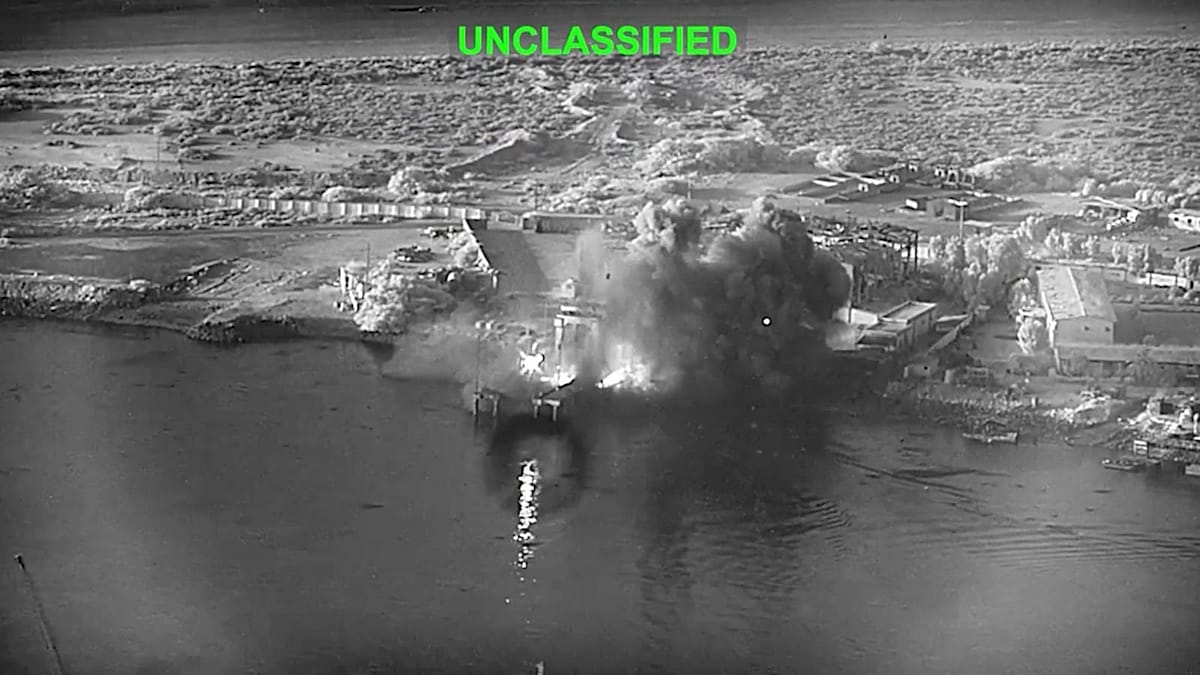
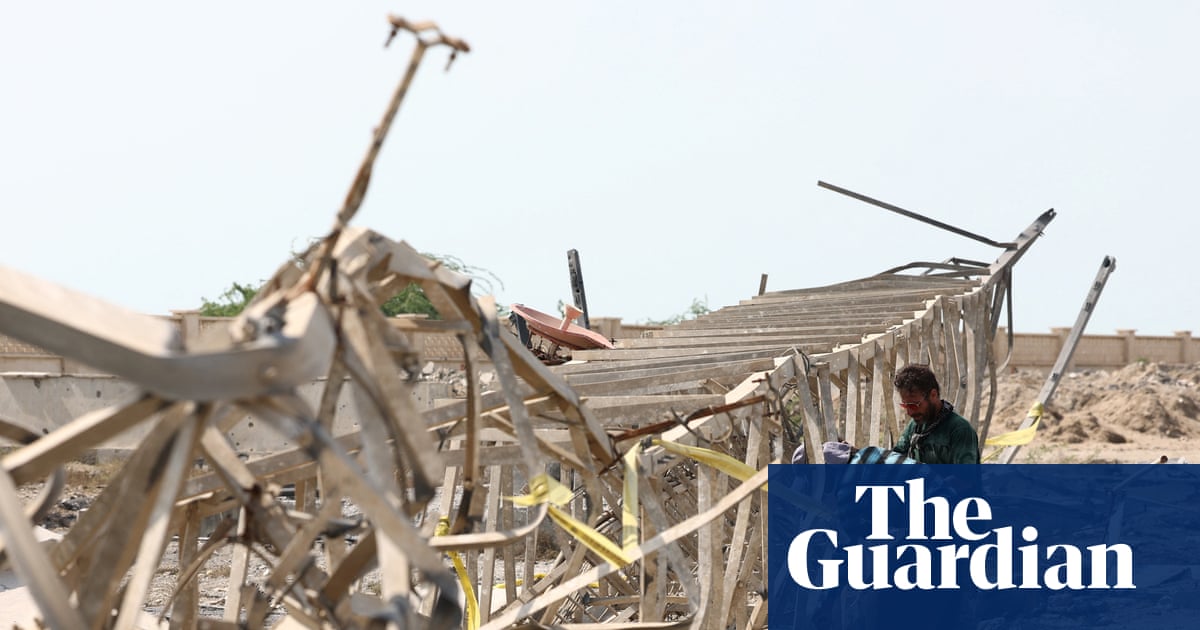
- [EEI 3.2 · PARTIAL] Discovery or reporting of naval mines, unexploded ordnance, or damage to fixed maritime infrastructure (oil platforms, terminals, pipelines) with geolocated imagery or on-scene assessments. Recommended collection: imagery/open-source
- [EEI 3.3 · PARTIAL] Commercial indicators of disruption: sudden increases in war-risk insurance premiums for Gulf transits, vessel re-routing decisions, port throughput reductions, or charter cancellations for Gulf shipments. Recommended collection: financial/commercial
- [EEI 3.4 · UNCOVERED] Movements or posture changes of regional state navies/air forces (Saudi, UAE, Kuwait, Bahrain, UK) such as task group departures, airbase dispersals, or announced maritime patrols near choke points. Recommended collection: open-source/imagery
Red cell review: CONCUR
TLP:CLEAR