TLP:CLEAR · Disclosure is not limited.
Persian Gulf SITREP: Indirect Doha Talks, Partial Hormuz Reopening, and Iran’s Control Push
Time window: Last 1 day · Audience: General analyst · Type: Situation report · DTG: 2026-07-02 10:12Z · Overall confidence: MEDIUM
BLUF
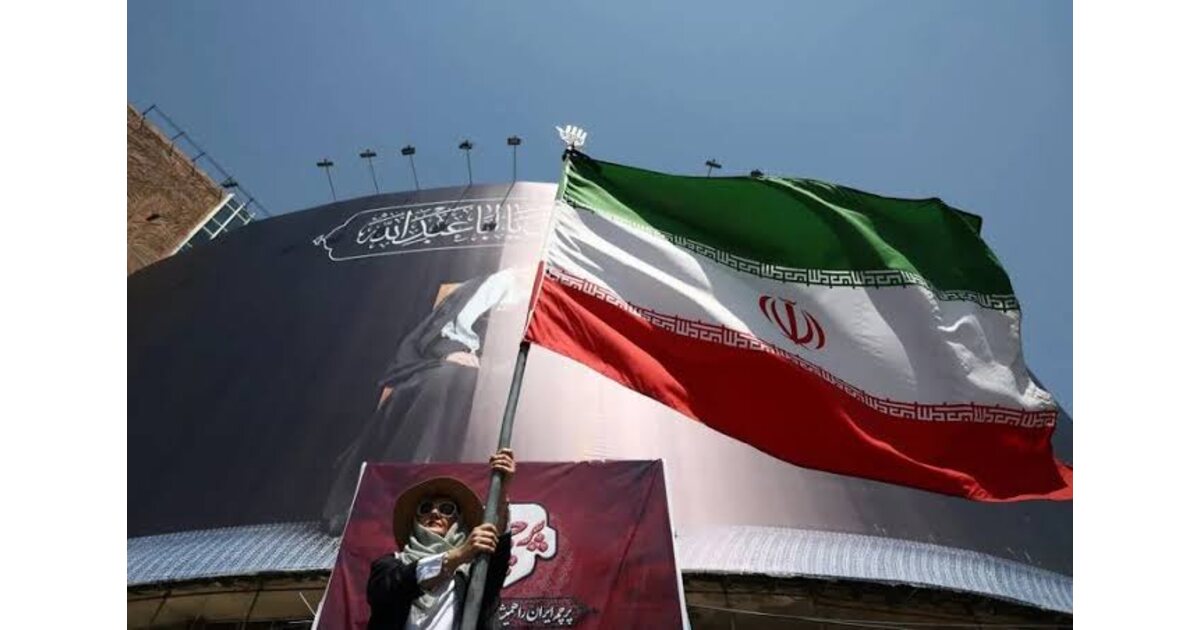
Iran is pressing to formalise control and fees in the Strait of Hormuz and is enforcing ‘authorised’ routing, while the United States and allies reject tolls. Shipping has only partially recovered and remains classed a war zone, and U.S., Iran engagement is confined to indirect talks in Doha with no scheduled direct meeting.
Executive summary
Large-scale U.S., Israeli strikes in Iran and Iranian counterstrikes occurred earlier in the conflict and a fragile ceasefire remains. Iran is seeking international recognition to levy fees and to regulate traffic in Hormuz, with the IRGC Navy warning against unauthorised routes. Washington and its allies reject Tehran’s claims and have vowed to prevent tolling. Traffic through Hormuz has partially resumed but remains hazardous, with global shipping unions keeping a war-zone designation at least until 9 July and European governments offering mine-clearance support. Off Yemen, armed boarders damaged a merchant ship and a second vessel reported a suspicious approach, highlighting persistent regional maritime threat vectors. In parallel, U.S. and Iranian officials have held and concluded indirect technical talks in Doha, while Tehran publicly denies any scheduled direct meeting. A U.S. Navy MH-60S helicopter crashed in the Arabian Sea with no indication of hostile action, three crew rescued and a search ongoing for one.
Change from previous assessment
Indirect technical talks in Doha have been reported and concluded on 1 July, reinforcing that engagement remains indirect and lowering the likelihood of an imminent direct meeting. The Strait of Hormuz remains classed a war zone at least until 9 July, and UKMTO recorded no incidents around Hormuz as of 10:30 a.m. UK time on Wednesday, while traffic has only partially resumed. Off Yemen, armed boarders damaged a merchant ship and another vessel reported a suspicious approach, maintaining regional maritime risk. Iran has reiterated control claims and fee ambitions, and U.S. leaders publicly rejected any Iranian tolling. A U.S. Navy MH-60S crash in the Arabian Sea appears unrelated to hostile action. Overall, our judgments place more weight on sustained coercive maritime control and indirect diplomacy, with confidence unchanged at medium.
Key judgments
- Tehran is very likely to sustain a coercive maritime-control campaign around Hormuz, pressing for international recognition to levy fees and enforcing ‘authorised’ routing, while the United States and allies reject any Iranian toll regime. (Confidence: medium · ASSESSED)
- I&W: Iran publishes a formal fee schedule or issues official pilotage/toll notices for Hormuz transits. (0-2 months)
- I&W: Public U.S. or allied naval guidance and escorts negate or ignore any Iranian ‘authorised route’ restrictions without interference. (0-2 months)
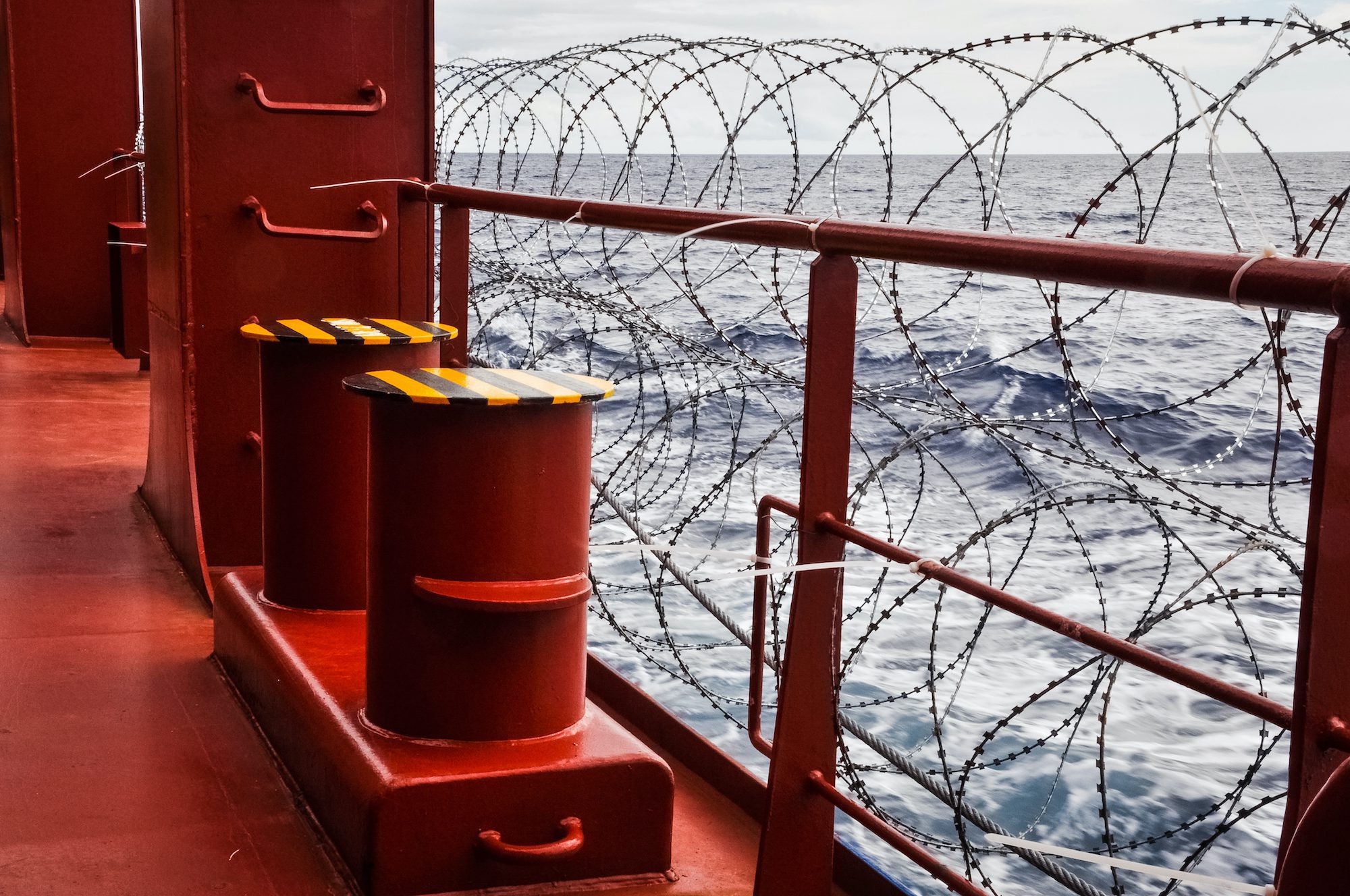
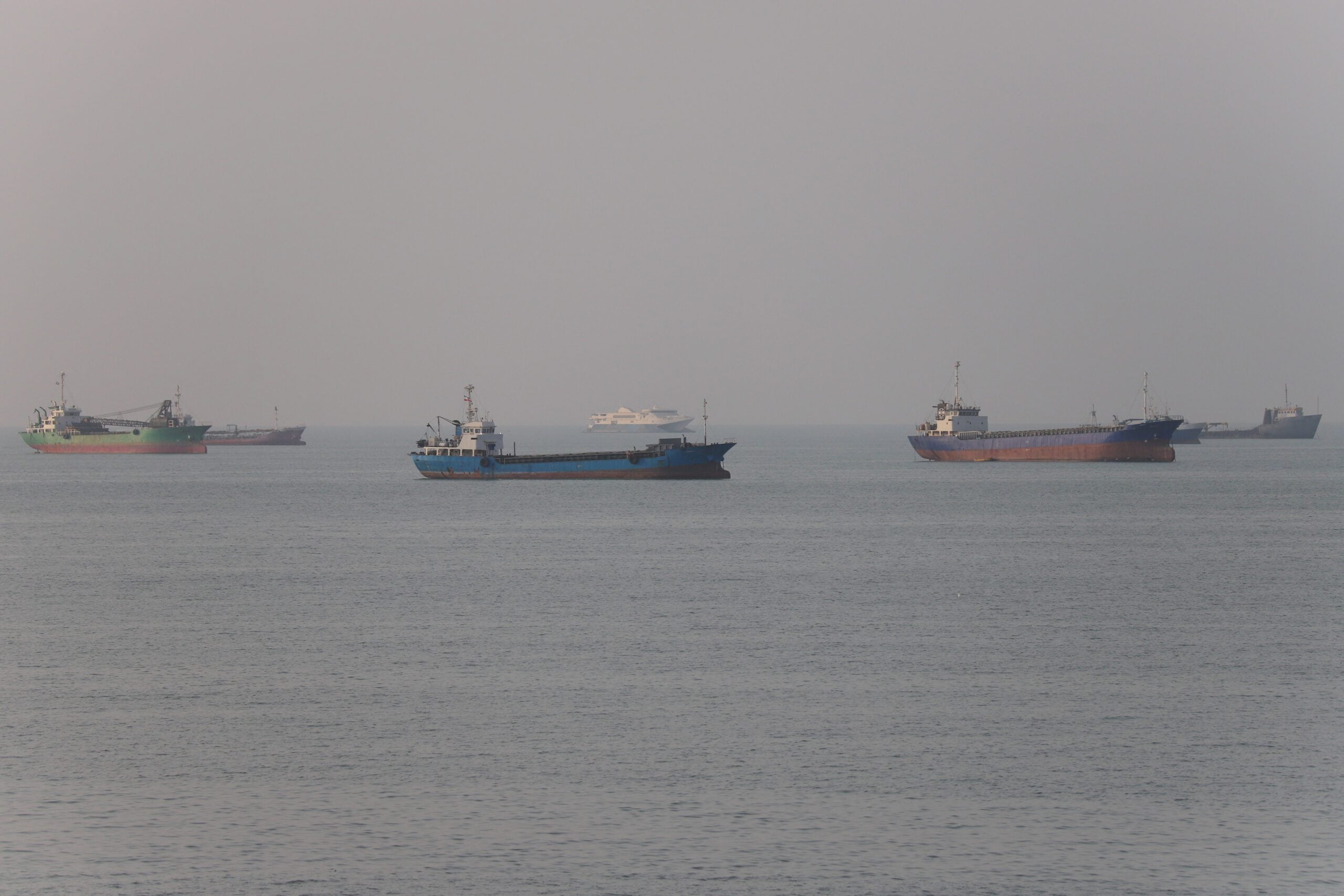
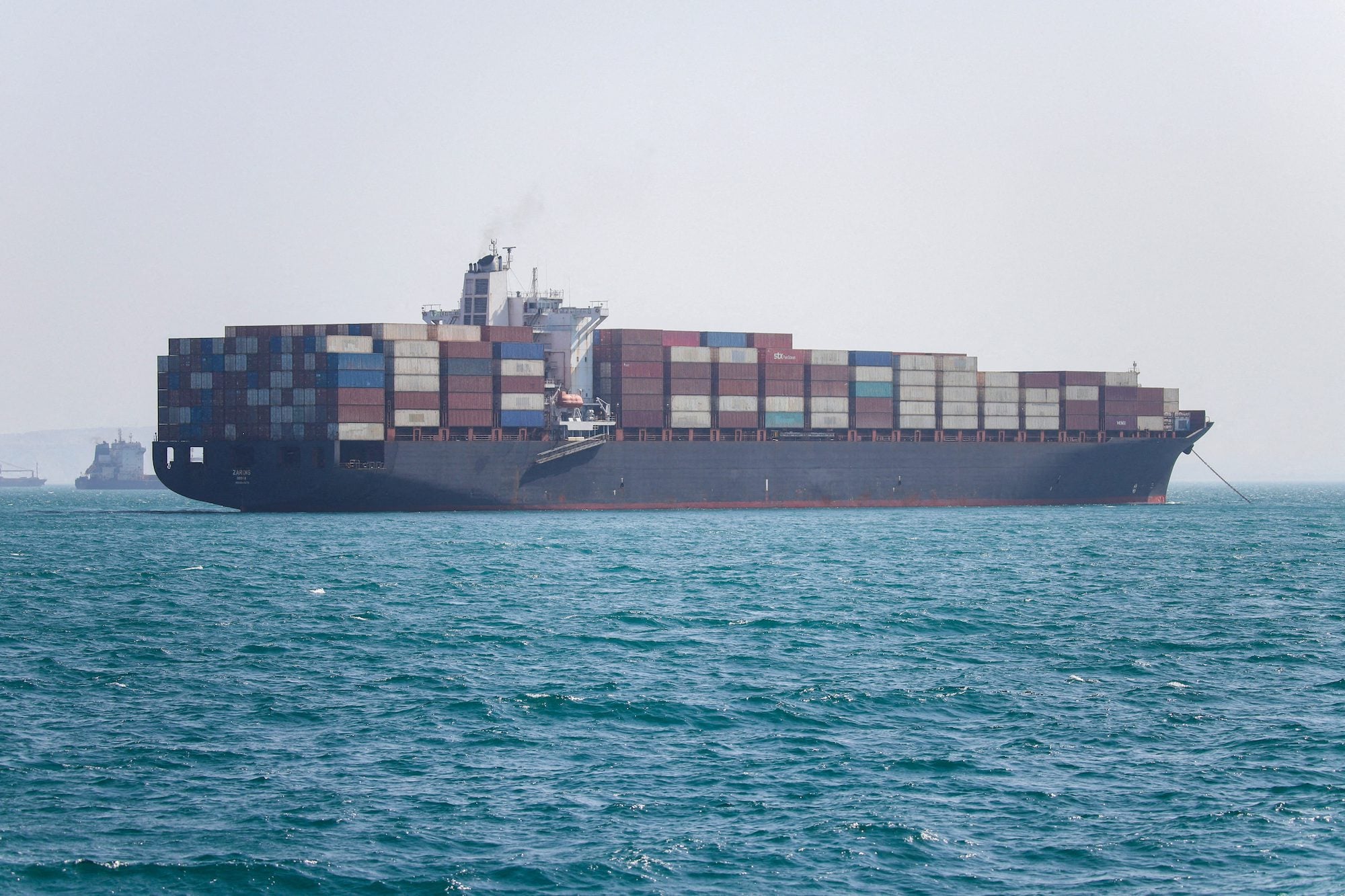
- Shipping through the Strait of Hormuz has partially resumed after an initial closure period, but the waterway remains hazardous and is still classified a war zone at least until 9 July. (Confidence: medium · REPORTED)
- I&W: UKMTO or shipping unions extend the war-zone designation beyond 9 July or issue new incident advisories in or near Hormuz. (0-14 days)
- I&W: The war-zone designation is lifted and UKMTO reports no incidents for at least 14 consecutive days. (0-1 month)
- Maritime threat activity off Yemen remains active: armed boarders damaged a merchant ship and another vessel reported a close suspicious approach south of Balhaf, indicating persistent risk on Red Sea, Gulf approaches. (Confidence: high · REPORTED)
- I&W: Further UKMTO reports of boardings or suspicious approaches within 100 nm of Balhaf. (0-14 days)
- I&W: A 30-day period without UKMTO advisories for the Balhaf sector. (1-2 months)
- The humanitarian toll on crews remains high, with at least 14 sailors killed and more than 40 ships attacked since the crisis began, and a suspended plan to evacuate about 11,000 stranded seafarers in the Gulf. (Confidence: high · REPORTED)
- I&W: Unions or IMO report a restart of seafarer evacuation arrangements from Gulf ports. (1-3 months)
- I&W: New casualty or attack tallies from unions or insurers exceed current figures. (0-3 months)
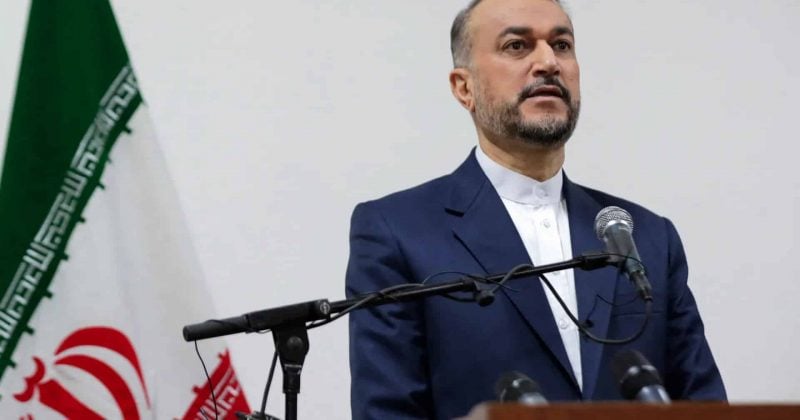
- U.S., Iran engagement is likely to remain indirect in the near term: technical-level talks in Doha concluded on 1 July, and Tehran publicly denies any scheduled direct meeting despite competing claims about future sessions. (Confidence: medium · ASSESSED)
- I&W: Announcement of another indirect round in Doha without a joint U.S., Iran communique. (0-14 days)
- I&W: Both Washington and Tehran publicly confirm a date and agenda for a direct high-level meeting. (0-1 month)
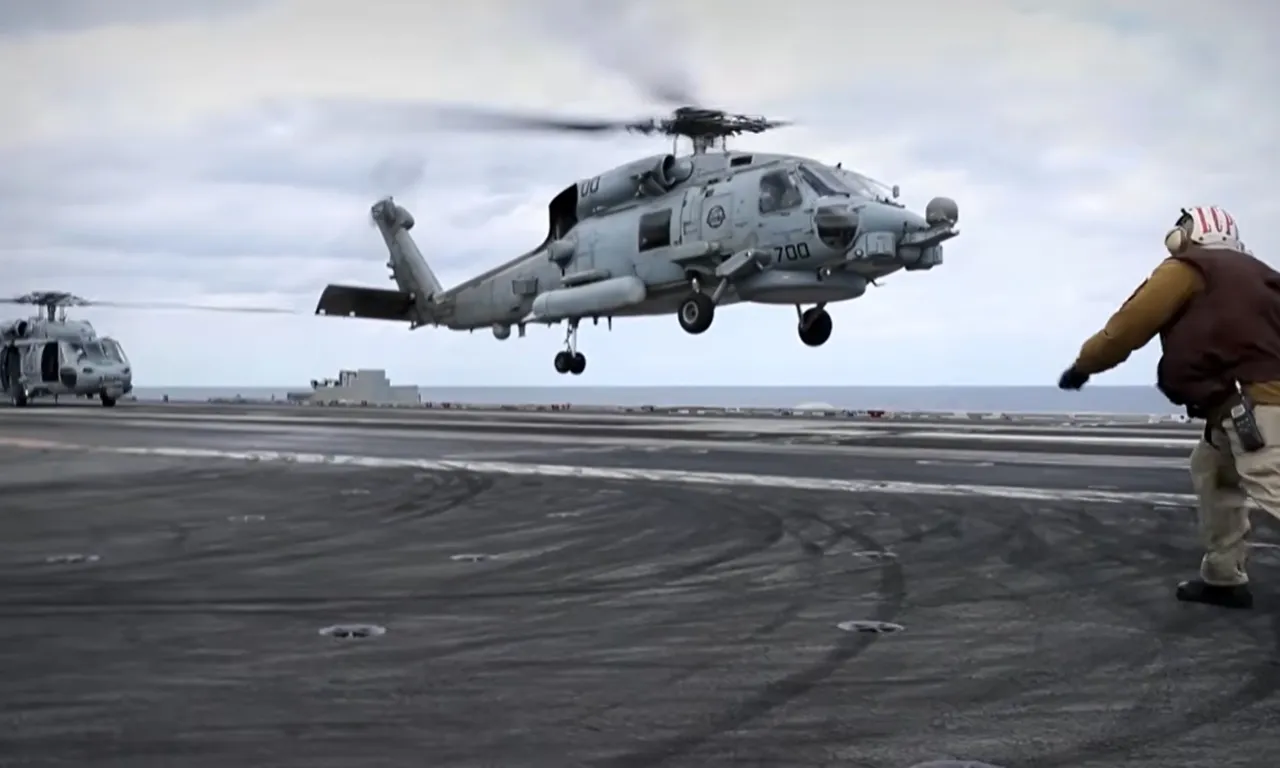
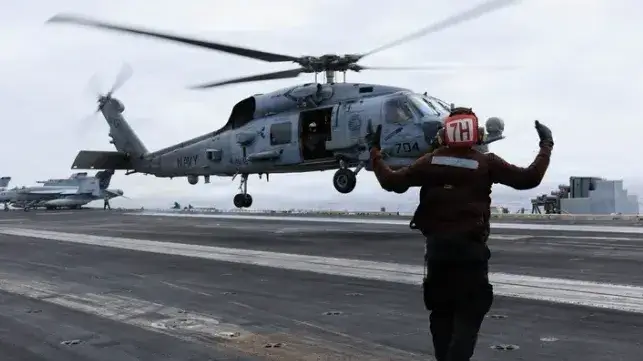
- The U.S. Navy MH-60S crash in the Arabian Sea is very likely unrelated to hostile action, with three crew rescued and a search ongoing for the fourth, and the cause under investigation. (Confidence: high · ASSESSED)
- I&W: Official safety investigation attributes the mishap to mechanical failure or human factors. (1-3 months)
- I&W: Credible forensic evidence emerges of external interference with the aircraft. (0-14 days)
Outlook & scenarios
Coercive status quo: partial flows with enforced ‘authorised routes’ (45%)
Iran maintains pressure to regulate transits and to secure recognition of tolling, while foreign navies keep traffic moving along risk-managed corridors. Shipping remains below normal and the war-zone classification extends beyond 9 July. Indirect Doha talks continue but do not resolve governance of the strait or fees. Sporadic incidents near Hormuz and on Red Sea, Gulf approaches persist.
Managed stabilisation and incremental reopening (35%)
Practical deconfliction holds under the fragile ceasefire. Tehran refrains from fee enforcement while talks narrow technical issues for safe passage. UKMTO reports remain sparse, the war-zone label is lifted, and European-supported mine-clearance reduces hazard. Traffic trends higher, though diplomatic recognition of Iranian control does not materialise.
Fee-enforcement gambit triggers clash and re-closure risk (20%)
Iran attempts to impose tolls or interdicts a ship for using an ‘unauthorised’ route. A U.S. response escalates to another round of strikes and Iranian missile threats around Hormuz. Traffic again contracts sharply and insurers raise premiums. Doha talks stall and maritime risk spikes across Hormuz, with spillover to the Gulf of Aden.
Recommendations
- Stand up a joint watchboard tracking IRGC Navy notices, Iranian fee-related decrees, and any pilotage or routing circulars; set a tripwire for any fee schedule or enforcement language.
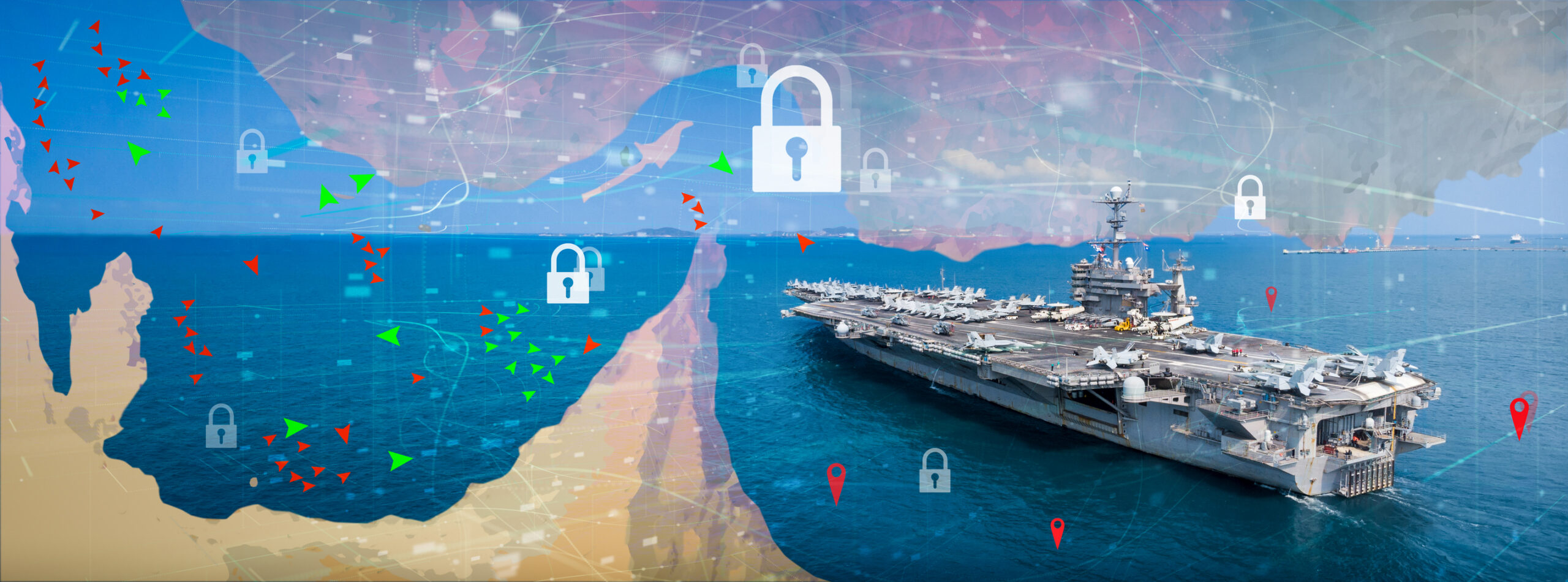
- Task commercial SAR and AIS analytics to monitor vessel patterns at Hormuz choke points and the Oman-facing corridor; flag diversions, AIS silences, or concentrations near IRGC patrol areas.
- Maintain daily liaison with UKMTO and MARAD for incident reporting and advisory updates; pre-draft risk guidance for U.S.-linked operators if the war-zone classification is extended past 9 July.
- Map mine-risk and no-go areas and rehearse coalition mine-countermeasure options aligned to European offers of support; identify port staging and timelines.
- Expand coverage of Red Sea, Gulf approaches around Balhaf with alerting for boarding attempts and small-craft approaches within 2-3 nm; share patterns with industry security officers.
- Use the Doha indirect track to press for explicit non-interference clauses on routing and a standstill on any tolling while negotiations continue; coordinate messaging with Oman and Qatar.
- Prepare a rapid advisory for U.S.-flag and U.S.-affiliated vessels detailing procedures if challenged over ‘unauthorised’ routing, including escalation protocols and contact points.
- Track the mid-August horizon for possible Iranian fee moves and align interagency contingency planning for escorts, sanctions signalling, and legal posture on strait governance.
Confidence & uncertainty
Many underlying points rest on multiple, mutually consistent reports from major media, official maritime advisories, and public statements, including partial traffic resumption, the war-zone classification, IRGC routing warnings, and the Doha indirect talks. However, there are material contradictions on the status of Hormuz from closure to partial reopening and on diplomatic scheduling. Some elements come from single-source statements and policy positions rather than observed behaviours. This mix supports a medium overall confidence.
Alternative analysis (red cell)
The record indicates Iranian intent to control Gulf transits and discrete maritime attacks off Yemen, but the ledger lacks multi-source operational indicators that Tehran has operationalized a sustained, revenue-generating toll regime or that the Strait remains uniformly hazardous. Several inferences depend on declaratory statements or single-source/low-confidence reports (e.g., planned fee imposition 2c882f94) and there are noted contradictions (e.g., Iranian toll intent versus U.S. rejection: 572adaec-e667-4553-82fb-9fccbb9e3397 vs ebd6160a-9dc6-4621-af7f-dcf486419732; meeting scheduling: 6be4dda1-cd71-47c2-8ef0-5106020d5dd7 vs 8f8944ba-eb4b-466a-8721-763f3e2b34ee). A more cautious estimate is warranted: intent and episodic coercive actions exist, but whether these will coalesce into a durable, internationally effective tolling regime or widespread, sustained maritime closure remains unresolved pending operational corroboration.
Intelligence gaps
- [EEI 1.1 · UNCOVERED] Concentrations or unusual movements of IRGC-Navy fast attack craft, small boat swarms, or escort vessels within 200 km of U.S./allied ships, including approach distances and formation changes. Recommended collection: maritime/AIS
- [EEI 1.2 · UNCOVERED] Detected pre-launch activity at coastal missile or rocket batteries (vehicle dispersal, fuel/warhead handling, radars powering up, transport erector launchers moving to firing positions). Recommended collection: imagery/signals
- [EEI 1.3 · UNCOVERED] Increased launch/arming/positioning of armed UAVs (MALE/loitering munitions) or tactical aircraft at Iranian coastal bases with sortie generation rates and munitions loadouts. Recommended collection: air/ADS-B/imagery
- [EEI 1.4 · PARTIAL] Command-and-control indications of attack orders or elevated rules-of-engagement from IRGC/General Staff (intercepted communications, internal order messages, force-wide alert messages). Recommended collection: signals/human
- [EEI 2.2 · UNCOVERED] Issuance of formal orders, mobilization directives, travel restrictions, or official internal communications within IRGC/Armed Forces indicating escalation posture or stand-down. Recommended collection: human/diplomatic
- [EEI 2.3 · UNCOVERED] Directives, logistics movements, or communications from Iranian commanders to regional proxy militias (Houthis, Iraqi Shia militias, Lebanese groups) that change their threat posture or task them with specific operations. Recommended collection: signals/human
- [EEI 3.2 · UNCOVERED] Discovery or reporting of naval mines, unexploded ordnance, or damage to fixed maritime infrastructure (oil platforms, terminals, pipelines) with geolocated imagery or on-scene assessments. Recommended collection: imagery/open-source
- [EEI 3.4 · UNCOVERED] Movements or posture changes of regional state navies/air forces (Saudi, UAE, Kuwait, Bahrain, UK) such as task group departures, airbase dispersals, or announced maritime patrols near choke points. Recommended collection: open-source/imagery
Cited sources
[1] aljazeera.net · نقابات عالمية تُبقي على هرمز "منطقة حرب" وإيران تتمسك بالسيطرة عليه (B) · sha256:c91ed8c3e50d [2] gcaptain.com · Iran Says Ship Ran Aground in ‘Unauthorized’ Hormuz Transit (B) · sha256:d1a384aab154 [3] HuffPost · U.S., Iran Talks Conclude In Doha, Focused On Strait Of Hormuz (B) · sha256:c5b1f030a8cf [4] Oil & Gas 360 · Hormuz is Iran's ultimate bargaining chip - Oil & Gas 360 (B) · sha256:f9d4fb8d921f [5] globalvillagespace.com · Iran rejects direct talks with U envoys, clouding prospects for peace deal (B) · sha256:5054121963a3 [6] gcaptain.com · US and Iran Enter Technical Talks to Secure Peace Deal, Shipping Restart (A) · sha256:1e07837944ae [7] gcaptain.com · Armed Boarders Damage Merchant Ship Off Yemen as Second Vessel Reports Suspicious Approach (B) · sha256:0a71f9f62c8f [8] CNN · US, Iranian officials hold indirect, lower-level talks in Doha, source says | CNN (A) · sha256:fa89a701bb06 [9] inosmi.ru · "Плеснул бензина": пламя иранской войны ползет все дальше. Трамп постарался (Toyo Keizai, Япония) (B) · sha256:0da0c5f0c26d [10] cryptobriefing.com · Iran warns of immediate response amid US-Israel tensions (B) · sha256:caa2d021f496 [11] maritime-executive.com · One Missing in U.S. Navy Helicopter Crash in Arabian Sea (B) · sha256:597bc546bf5b [12] topwar.ru · Вертолёт MH-60S Seahawk ВМС США упал в воды Аравийского моря (A) · sha256:7ab7ae871d3a
Source content hashes were computed at collection time; the cited text is preserved unmodified for the life of this product.
Red cell review: PARTIAL DISSENT
TLP:CLEAR