TLP:CLEAR · Disclosure is not limited.
Persian Gulf SITREP: Iran Enforces Routing While U.S.-Iran Exchanges Keep Hormuz Risk Elevated
Time window: Last 1 day · Audience: General analyst · Type: Situation report · DTG: 2026-07-03 10:15Z · Overall confidence: LOW
BLUF
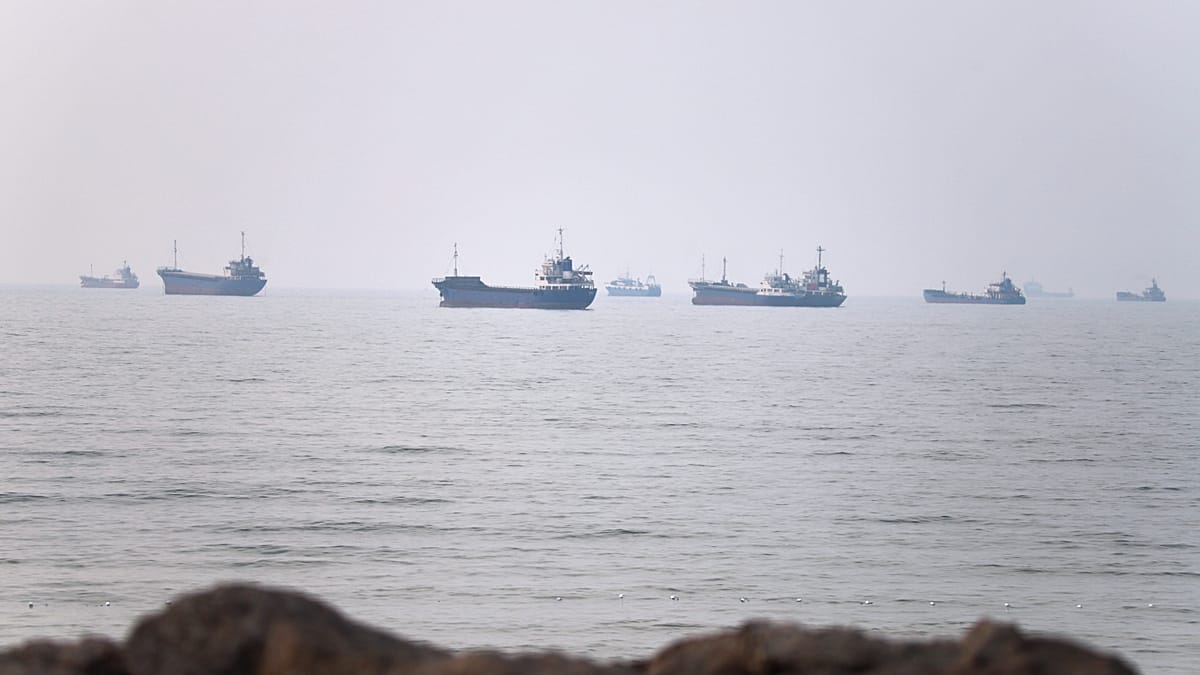
Iran is enforcing ‘approved’ routes in the Strait of Hormuz and threatening force against non-compliant shipping as the United States and Gulf partners reject any Iranian toll regime. Oil flows have resumed at high volumes under a fragile truce, but tit-for-tat strikes and coercive maritime control keep the risk of miscalculation high.
Executive summary
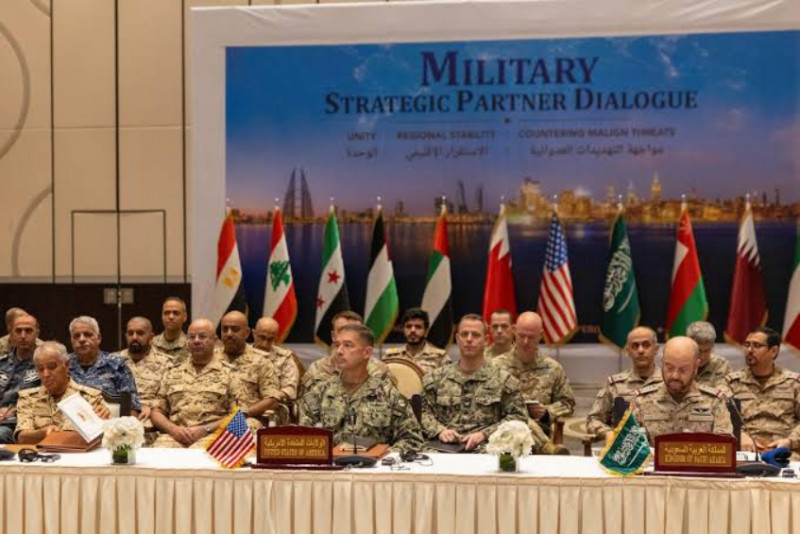
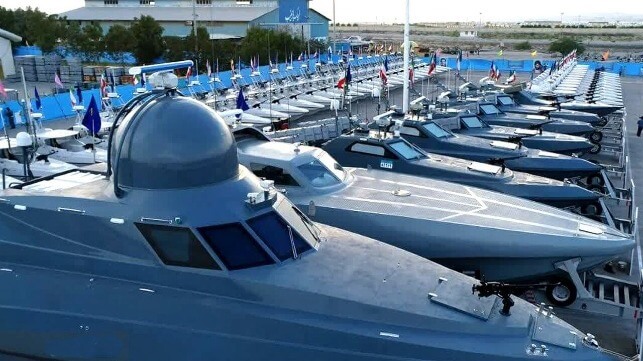
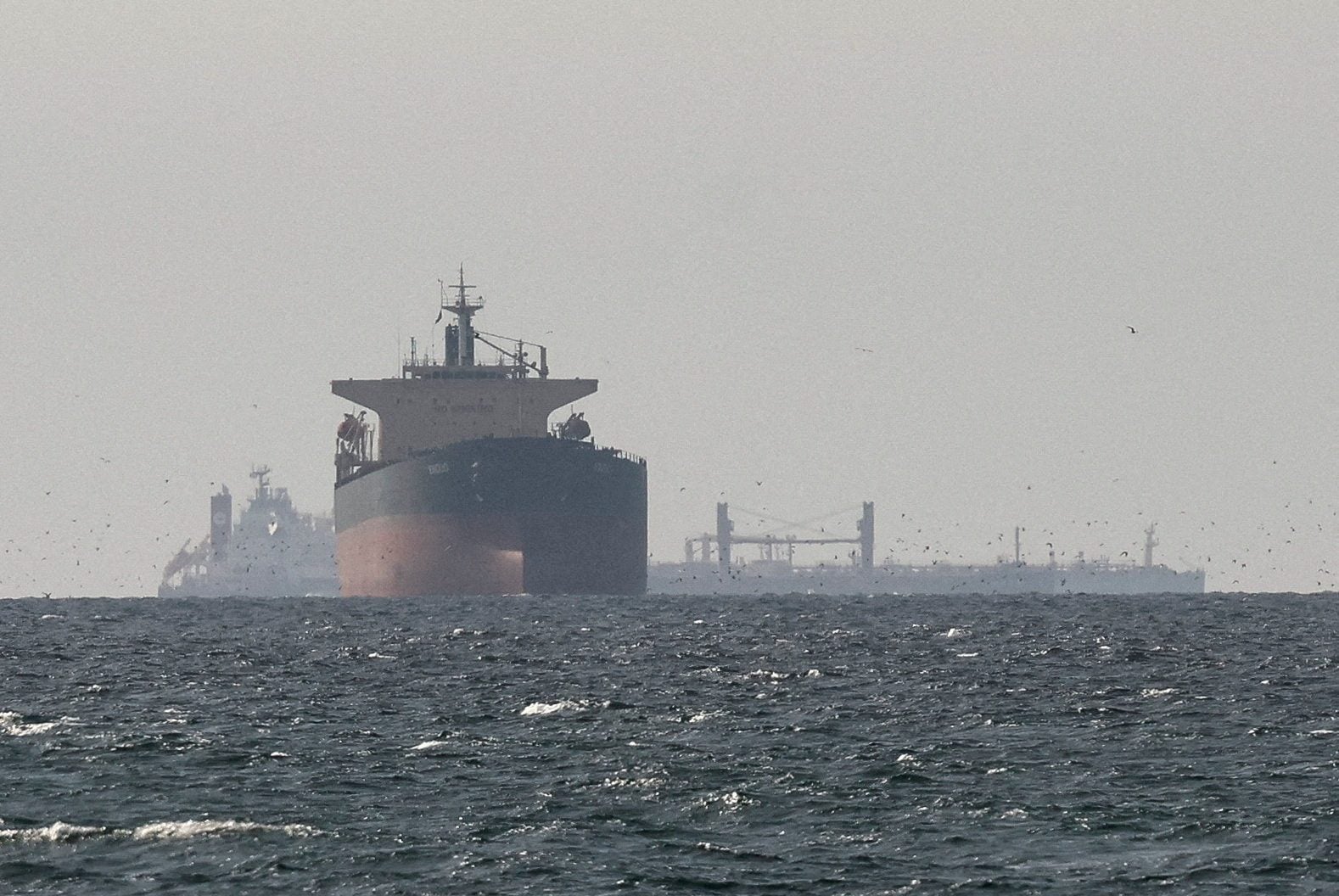
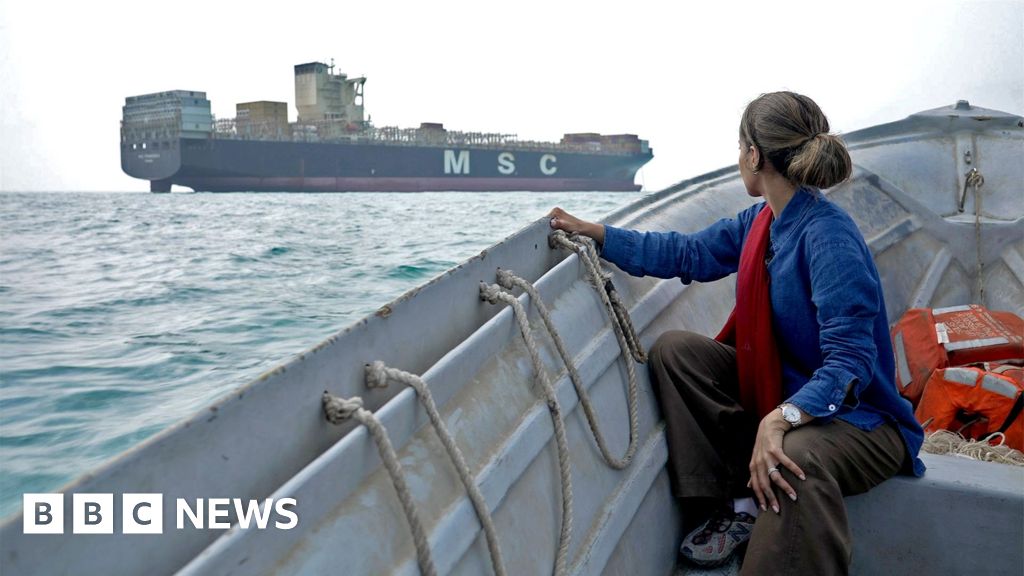
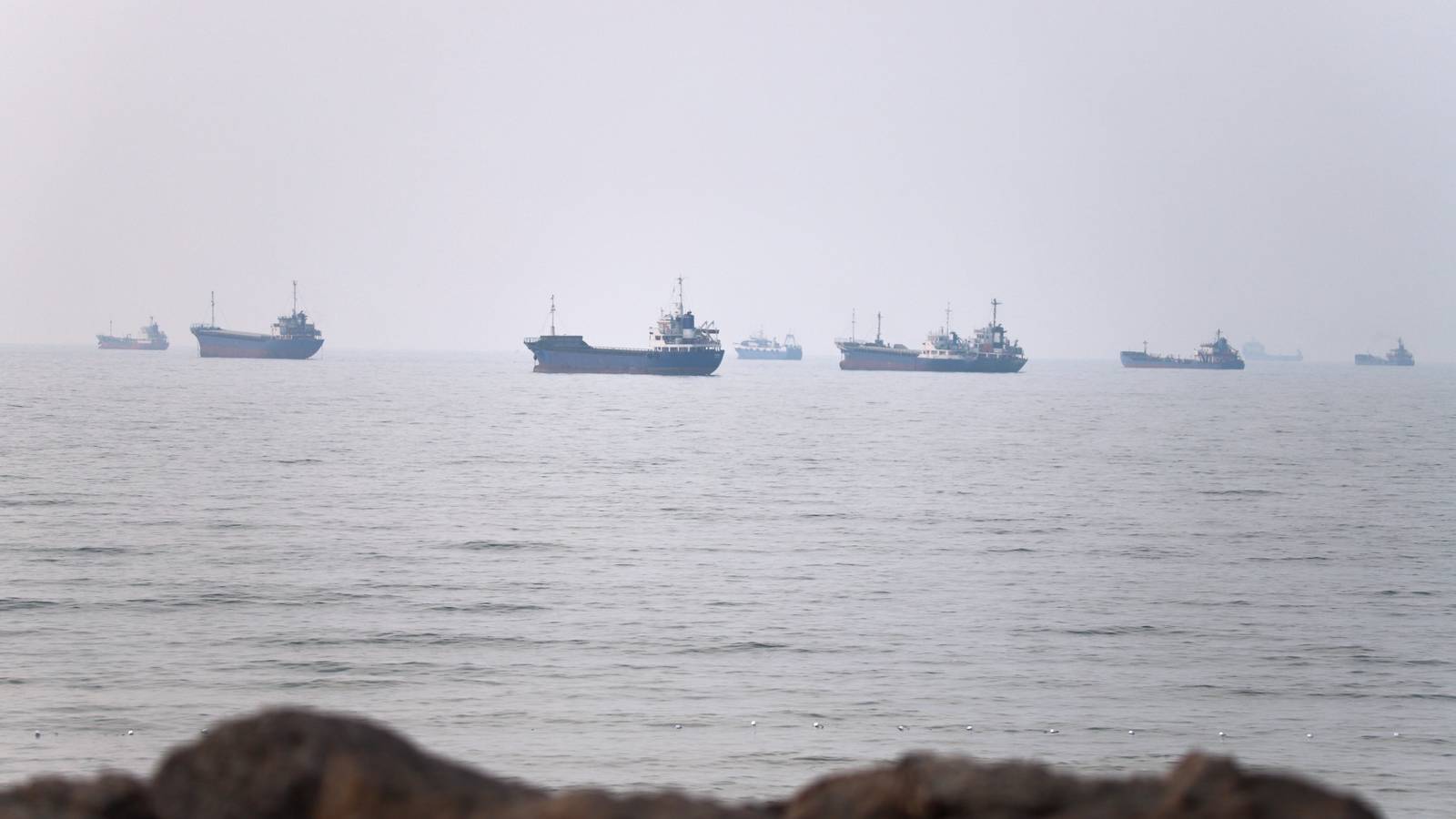
Iran’s military command warned ships to use Iranian-approved routes in the Strait of Hormuz or face a harsh response, echoing Khatam al-Anbiya’s threat of immediate armed action for deviations. Tehran says it has a mechanism with Oman to regulate shipping and seeks de facto control and fee collection in Hormuz, ambitions Washington and several Gulf states publicly reject. A U.S. official reported flows above 10 million barrels per day and 35 tankers exiting the strait, although a Comoros-flagged tanker remains stranded, underscoring fragility. Military exchanges persist: U.S. Central Command reported strikes on ten Iranian military facilities over aggression against commercial shipping, while Iran claims retaliatory action and a recent drone attack on a Singapore-flagged containership. Diplomacy remains indirect: a 17 June MoU triggered a 60-day window, a Doha round concluded, and Washington has offered to unfreeze funds in exchange for open transit, while pressing Tehran to formalise a long-term arrangement. Inside Iran, authorities warned against U.S. or Israeli ‘miscalculation’ around funerary events and imposed temporary airspace restrictions; the Red Crescent reports 261 dead in Hormuzgan since the conflict began. U.S. sanctions relief is due to expire on 21 August, and Gulf capitals are expected to hedge by diversifying security ties even as a CENTCOM-led meeting reaffirmed free navigation.
Change from previous assessment
Compared with the prior brief, Iran has explicitly threatened a ‘harsh response’ to ships deviating from approved routes and claims a coordination mechanism with Oman. A U.S. official now reports flows above 10 million barrels per day with 35 tankers exiting, although a stranded tanker highlights fragility. A round of indirect U.S., Iran talks in Doha has concluded under the 17 June MoU window, and Washington has offered to unfreeze funds for transit compliance. Kinetic activity remains in play, with CENTCOM reporting strikes on ten Iranian facilities and Iran claiming retaliatory action. Our confidence remains constrained by contested and single-source elements.
Key judgments
- Iran is very likely to sustain coercive enforcement of ‘approved’ navigation routes in the Strait of Hormuz, threatening immediate armed responses to non-compliance and having already fired on ships attempting transit without permission. (Confidence: high · ASSESSED)
- I&W: IRGC releases updated ‘approved route’ maps or boarding footage of an interdicted tanker that deviated (0-14 days)
- I&W: Iranian military command publicly rescinds threat language and permits documented non-Iranian routing without interference (1-3 months)
- Commercial oil flows through Hormuz have very likely rebounded to high volumes with U.S. military posture boosting confidence, yet the flow is fragile and subject to isolated disruptions. (Confidence: medium · ASSESSED)
- I&W: Official statements reiterate throughput at or above 10 million barrels per day (0-14 days)
- I&W: Multiple major tanker operators issue routing holds or suspend Hormuz transits following enforcement incidents (0-14 days)
- Tehran is almost certainly seeking de facto recognition of a routing-and-fee regime in Hormuz, including via a coordination mechanism with Oman, while the United States and several Gulf partners publicly reject any tolls. (Confidence: high · REPORTED)
- I&W: Iran publishes fee schedules or pilots fee collection with Omani liaison on named transits (1-3 months)
- I&W: Joint U.S.-GCC maritime guidance explicitly rejects fees and is mirrored in shipowner advisories (0-14 days)
- U.S.-Iran military exchanges tied to maritime security are ongoing: U.S. Central Command reported strikes on ten Iranian military facilities over aggression against commercial shipping, and Iran has claimed retaliatory action including a drone attack on a Singapore-flagged containership. (Confidence: medium · REPORTED)
- I&W: CENTCOM or Iranian state media issue new communiqués claiming strikes or attacks linked to shipping security (0-14 days)
- I&W: Mutual announcement of a pause on strike activity related to maritime incidents (0-14 days)
- Engagement is likely to remain indirect and transactional in the near term: a 17 June MoU triggered a 60-day window and a Doha round concluded, Iran agreed to unobstructed passage only if broader terms are met, and Washington offered to unfreeze funds while pressing for a long-term open-transit deal. (Confidence: medium · ASSESSED)
- I&W: Mediators publish details for the violations-reporting channel referenced by Kazem Garibabadi (0-14 days)
- I&W: Iran serves fee demands or the U.S. withdraws the unfreezing offer, signalling MoU breakdown (0-14 days)
- Domestic security risk in Iran remains elevated around mourning events, with temporary airspace restrictions and senior-command warnings against U.S. or Israeli ‘miscalculation’, alongside a reported cumulative death toll of 261 in Hormuzgan. (Confidence: medium · REPORTED)
- I&W: Extension or expansion of NOTAMs over Tehran or Mashhad during funeral period (0-14 days)
- I&W: Removal of restrictions and absence of fresh threat statements from Khatam al-Anbiya (0-14 days)
- The United States is consolidating regional backing for free navigation, yet Gulf states are likely to hedge by diversifying security ties even as they participate in U.S.-led security forums. (Confidence: medium · ASSESSED)
- I&W: Follow-on CENTCOM-led regional security meetings or joint statements reaffirming Hormuz transit support (1-3 months)
- I&W: Public Gulf moves to host Iranian security delegations or announce new non-U.S. defence pacts (1-3 months)
Outlook & scenarios
Managed enforcement with high throughput under the MoU window (40%)
Iran continues to police ‘approved’ lanes while avoiding large-scale interdictions, oil flows stay high, and mediators stand up a basic violations-reporting channel. The toll dispute remains unresolved, but both sides prioritise avoiding a shipping shock and keep talks indirect.
Coercive enforcement hardens and triggers new U.S. strikes (30%)
IRGC interdictions or live fire against a deviating tanker prompt CENTCOM to strike additional Iranian facilities tied to maritime aggression. Traffic dips as owners pause transits, and both sides escalate rhetoric. Risk to crews and insurers rises sharply.
Transactional de-escalation around transit guarantees (20%)
Tehran keeps fees off the table during the 60-day period and, via the Oman mechanism, accepts unobstructed passage in exchange for a U.S. funds-unfreezing step and calibrated sanctions relief signalling. Flows stabilise and escort postures remain low-profile.
Wildcard: Funeral-period miscalculation sparks broader exchange (10%)
Heightened security and warnings around mourning events coincide with an attack claim or airspace incident, triggering rapid escalation at sea and across Gulf bases. Tehran signals a temporary closure attempt, and allied navies surge into the approaches pending deconfliction.
Recommendations
- Task collection on Khatam al-Anbiya and IRIB outputs for any updates to ‘approved’ route maps, threat language, or boarding footage to refine the enforcement profile.
- Exploit AIS-based positional data to corroborate chokepoint congestion, deviations, or blockade effects along Iranian-designated corridors and the southern transit lane; flag patterns consistent with IRGC intercept activity.
- Prepare a standing outreach package for shipowners and insurers that contrasts U.S.-GCC zero-fee positions with Iranian routing demands to inform risk acceptance during the negotiation window.
- Map the reported Iran, Oman coordination mechanism in detail, identifying contact nodes, procedures, and any emergent fee-collection trials to assess normalisation risks.
- Develop policy options and messaging tied to the 21 August sanctions-relief expiry to deter fee imposition and condition any financial incentives on verifiable open transit.
- Maintain a rapid analytic check on throughput claims by triangulating official statements with tanker movements; investigate anomalies such as the stranded Comoros-flagged tanker for signs of coercive leverage.
- Use the CENTCOM regional forum to broaden partner commitments to free navigation and to coordinate consistent routing advisories that do not concede Iranian control.
- Elevate warning during the funeral period for airspace changes and new Iranian threat statements; pre-brief stakeholders on tripwires that would trigger posture adjustments.
Confidence & uncertainty
Overall confidence is low because key elements rest on a mix of official statements and single-source reporting with contradictions in timelines and attributions. While multiple major-media reports corroborate Iranian routing threats and resumed flows, contested claims about the scale of throughput, the presence of a U.S. blockade, and differing war-start dates introduce uncertainty. Some diplomatic details, including the Oman mechanism and violations channel, are asserted without publicly available documentation. The picture is credible but incomplete, and several salient points are not yet cross-verified.
Alternative analysis (red cell)
Overall, the reporting shows strong Iranian rhetoric and some reported incidents and diplomatic steps, but several high-consequence claims depend on a limited source cluster (notably origin_cluster_id b5f9ba54..) or lack primary documentation. A more cautious estimate is that Iran is signaling intent to assert control and seek leverage over Hormuz routings; commercial flows have partially resumed but unevenly and remain vulnerable; and military exchanges and alleged firing incidents require independent corroboration before concluding sustained coercive enforcement.
Intelligence gaps
- [EEI 1.2 · PARTIAL] Detected pre-launch activity at coastal missile or rocket batteries (vehicle dispersal, fuel/warhead handling, radars powering up, transport erector launchers moving to firing positions). Recommended collection: imagery/signals
- [EEI 1.3 · PARTIAL] Increased launch/arming/positioning of armed UAVs (MALE/loitering munitions) or tactical aircraft at Iranian coastal bases with sortie generation rates and munitions loadouts. Recommended collection: air/ADS-B/imagery
- [EEI 1.4 · UNCOVERED] Command-and-control indications of attack orders or elevated rules-of-engagement from IRGC/General Staff (intercepted communications, internal order messages, force-wide alert messages). Recommended collection: signals/human
- [EEI 2.2 · PARTIAL] Issuance of formal orders, mobilization directives, travel restrictions, or official internal communications within IRGC/Armed Forces indicating escalation posture or stand-down. Recommended collection: human/diplomatic
- [EEI 2.3 · UNCOVERED] Directives, logistics movements, or communications from Iranian commanders to regional proxy militias (Houthis, Iraqi Shia militias, Lebanese groups) that change their threat posture or task them with specific operations. Recommended collection: signals/human
- [EEI 3.2 · UNCOVERED] Discovery or reporting of naval mines, unexploded ordnance, or damage to fixed maritime infrastructure (oil platforms, terminals, pipelines) with geolocated imagery or on-scene assessments. Recommended collection: imagery/open-source
- [EEI 3.3 · PARTIAL] Commercial indicators of disruption: sudden increases in war-risk insurance premiums for Gulf transits, vessel re-routing decisions, port throughput reductions, or charter cancellations for Gulf shipments. Recommended collection: financial/commercial
Cited sources
[1] Euronews · Иран пригрозил "решительным ответом" судам в Ормузском проливе на фоне переговоров с США (B) · sha256:494c68be43bb [2] maritime-executive.com · Iran Threatens to Attack Ships for Using Non-Iranian Routes Through Hormuz (B) · sha256:d30c5cd80618 [3] military.com · Iran Warns Oil Tankers to Use Approved Routes in Strait of Hormuz or Face a ‘Forceful Response’ (B) · sha256:d5135db7a4ca [4] BBC · Strait of Hormuz: BBC sees seized ships and stranded tankers on visit to Iran (A) · sha256:a5c65b14296c [5] BBC · Strait of Hormuz: BBC sees seized ships and stranded tankers on visit to Iran (A) · sha256:9a54c0531e08 [6] gcaptain.com · US Sees 10 Million Barrels Via Hormuz Sapping Iran Oil Leverage (B) · sha256:3aff126bf140 [7] Al Jazeera · With Hormuz reopened, has the oil shortage turned into a glut? (A) · sha256:ef5addaf51e8 [8] foxnews.com · Tehran warns of 'harsh retaliation' against US before Khamenei funeral as Waltz blasts late leader | Live Updates from Fox News Digital (B) · sha256:6be4218f69db [9] haaretz.com · Iran says U.S. will not be allowed to interfere in Strait of Hormuz (A) · sha256:bd1da2024542 [10] understandingwar.org · Iran Update Special Report, July 2, 2026 (C) · sha256:cc97dc7369c3 [11] iran.ru · Иран предупредил страны Персидского залива после организованного США саммита по безопасности в Бахрейне (B) · sha256:6c609c5d5937 [12] Al Jazeera · How US-Iran war may push Gulf countries to ‘diversify’ security alliances (A) · sha256:835e3831bacd
Source content hashes were computed at collection time; the cited text is preserved unmodified for the life of this product.
Red cell review: PARTIAL DISSENT
TLP:CLEAR