TLP:CLEAR · Disclosure is not limited.
Persian Gulf SITREP: Strikes Paused amid Disputed Doha Talks; Hormuz Shipping Still At Risk
Time window: Last 1 day · Audience: General analyst · Type: Situation report · DTG: 2026-06-30 09:12Z · Overall confidence: LOW
BLUF
Washington and Tehran have paused strikes and signalled talks in Doha, but Iranian denials and continued assertions of control over the Strait of Hormuz keep the risk of renewed attacks high. Maritime recovery is patchy, LNG transits are paused, and Oman and Iran are considering transit fees, sustaining operational risk and market volatility.
Executive summary
After attacks on commercial shipping near Oman and in the Strait of Hormuz, the U.S. struck Iranian missile and drone sites along Iran’s Hormuz-facing coast and again after the Panama-flagged M/T Kiku, carrying Qatari oil, was hit. Iran launched drones and missiles at U.S.-linked sites in Kuwait and Bahrain, with Kuwaiti interceptions and Bahraini building damage reported. Both sides announced a pause in strikes and flagged a meeting in Doha, yet senior Iranian officials also denied any scheduled talks with the U.S. and framed travel to Qatar as coordination with the host only. Maritime risk remains elevated: the Joint Maritime Information Center raised threat levels to substantial, LNG transits have paused, and owners remain wary even as some VLCCs and product tankers re-enter and traffic modestly picks up. Iran continues to claim authority over Hormuz and, with Oman, is weighing service-related fees for transits, with technical teams and envoys expected in Doha in the coming days.
Change from previous assessment
Since the prior brief, reporting has firmed up on U.S. strikes occurring on consecutive days against Iranian missile and drone sites and on the M/T Kiku attack carrying Qatari oil. Tehran’s messaging on Doha has hardened in places, with denials of direct U.S., Iran talks even as Washington and some media maintain a Tuesday meeting is planned. Maritime posture shifted with JMIC raising the threat level to substantial, LNG transits pausing, and limited signs of traffic picking up for crude carriers. New policy risk emerged with Oman and Iran considering service-related transit fees. Initial assessment of prospective fee impacts is added; the earlier assessment on U.S. missile-defence magazine depth is retired for lack of fresh corroboration.
Key judgments
- Iran likely conducted coordinated drone and missile strikes on 26 to 27 June targeting U.S. military sites in Kuwait and Bahrain, with Kuwait reporting interceptions and Bahrain reporting damage to a residential building. (Confidence: medium · REPORTED)
- I&W: Kuwait Army or Bahrain’s Interior Ministry release debris analysis and radar tracks tying impacts to Iranian launch sites (0-14 days)
- I&W: Absence of further official references to the 26-27 June strikes from Kuwait, Bahrain or Iran by mid-July (1-3 months)
- U.S. Central Command very likely struck Iranian missile and drone sites along Iran’s Hormuz-facing coastline on 26-27 June and again after the attack on the M/T Kiku. (Confidence: high · REPORTED)
- I&W: CENTCOM releases battle damage imagery naming targeted missile or UAV facilities on Iran’s Hormuz coast (0-14 days)
- I&W: Iran’s defence authorities publish verifiable imagery showing targeted sites were untouched (0-14 days)
- There is a roughly even chance that U.S. and Iranian delegations convene in Doha this week, as Washington confirms a Tuesday meeting while senior Iranian officials deny any U.S., Iran talks and describe travel to Qatar as host coordination. (Confidence: low · ASSESSED)
- I&W: Qatar’s Foreign Ministry publishes a joint readout or imagery of Iranian and U.S. delegations in Doha (0-7 days)
- I&W: Iran’s Foreign Ministry issues a formal note ruling out direct U.S., Iran talks and limits meetings to Iran, Qatar technical coordination (0-7 days)
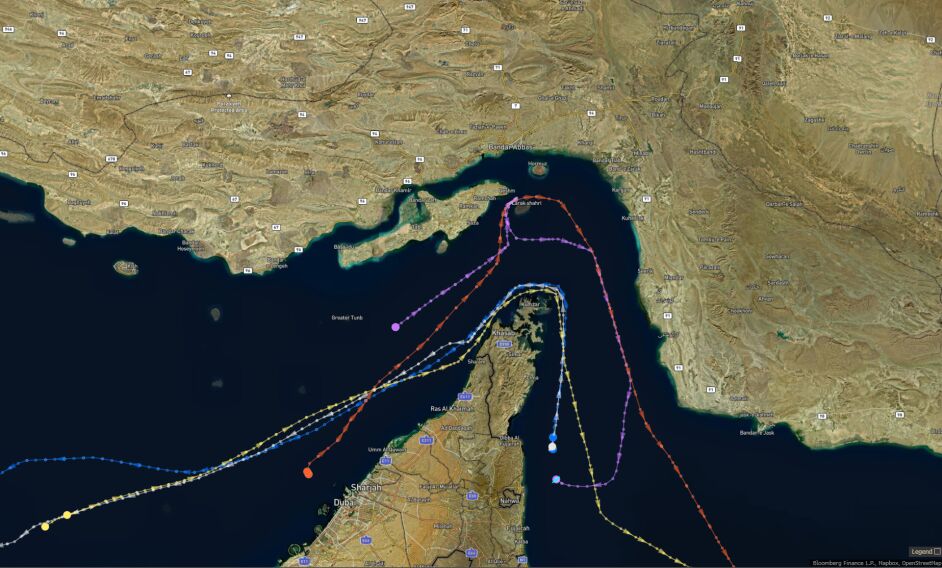
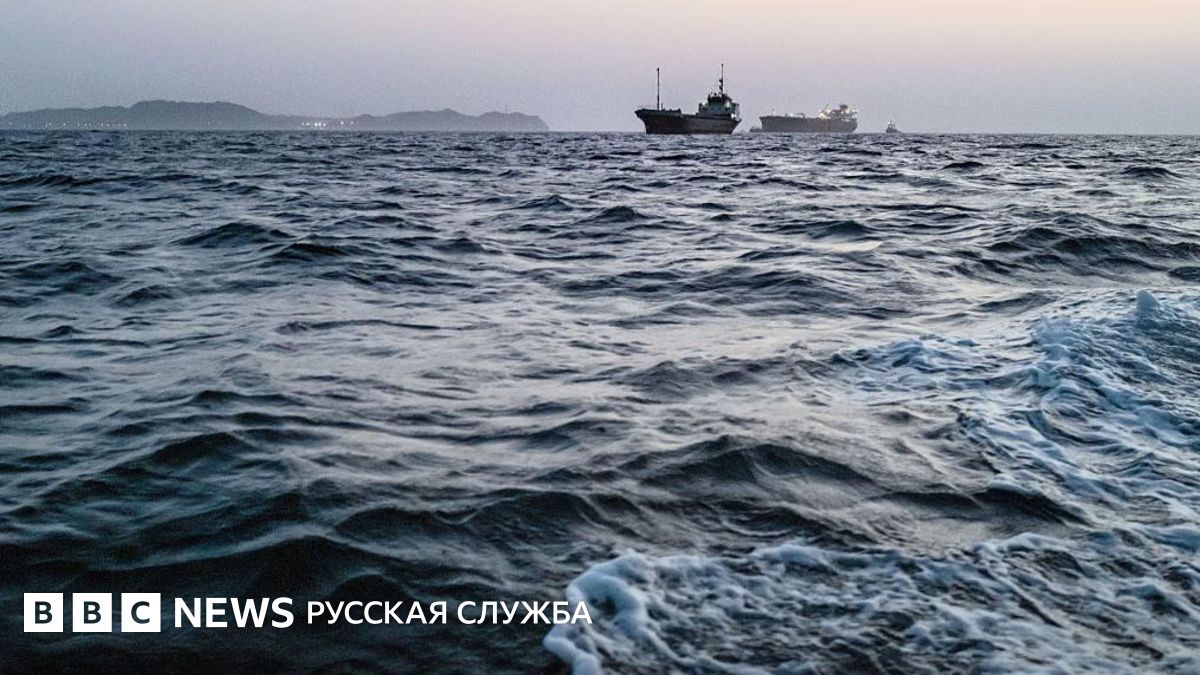
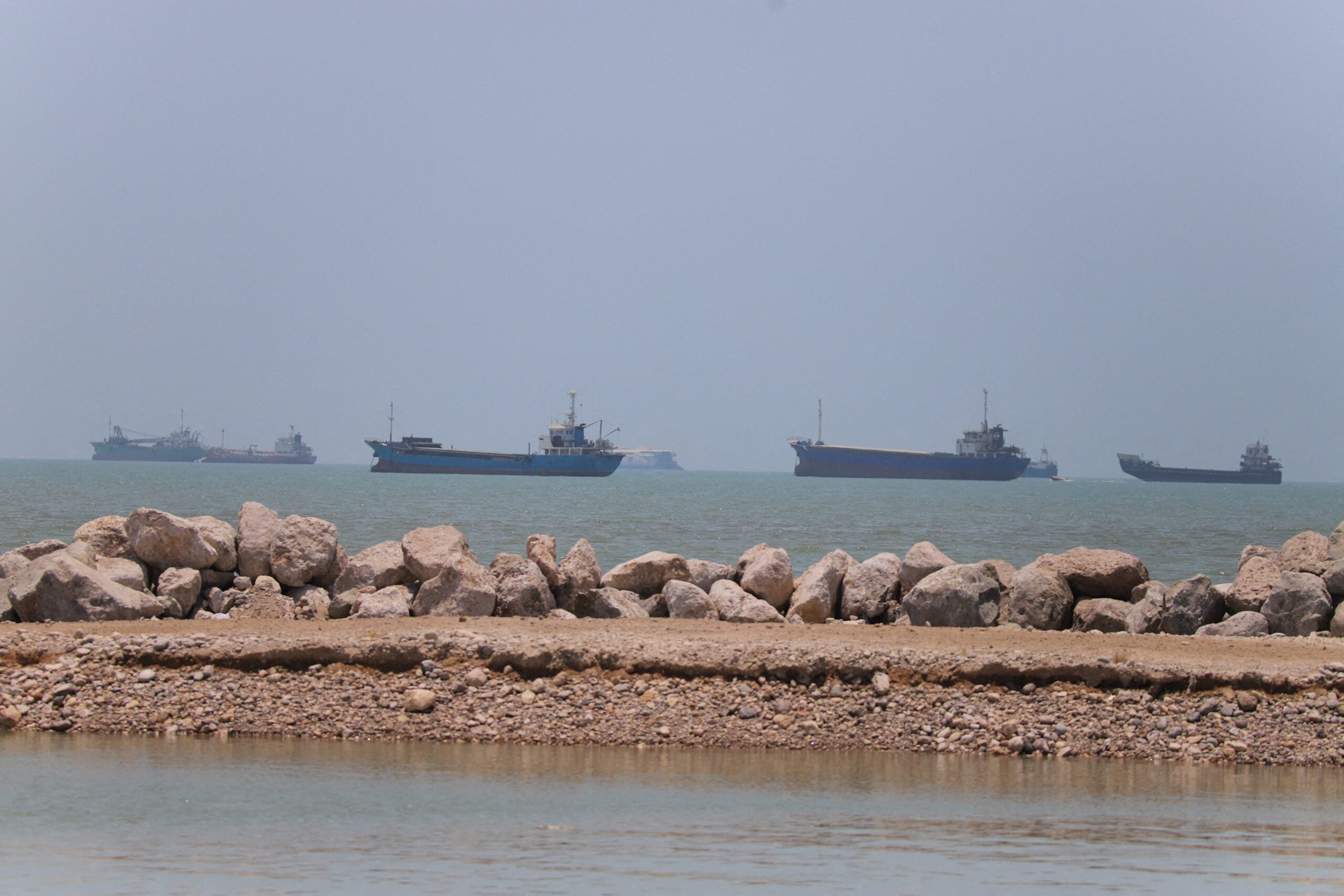
- Maritime risk in and around the Strait of Hormuz remains elevated and recovery is uneven: LNG carrier transits have paused, the Joint Maritime Information Center raised the regional threat to substantial, and shipowners remain wary even as some VLCCs and product tankers re-enter and traffic begins to pick up. (Confidence: medium · ASSESSED)
- I&W: JMIC maintains a ‘substantial’ threat level and UKMTO advisories continue citing drone or missile hazards in Hormuz (0-14 days)
- I&W: AIS and port-agent data show resumption of laden Qatari LNG transits through Hormuz on multiple consecutive days (0-14 days)
- Iran is likely to keep pushing for unilateral management of Hormuz while exploring, with Oman, the introduction of service-related transit fees within the next two months, increasing compliance pressure and potential costs for commercial shipping if implemented. (Confidence: medium · ASSESSED)
- I&W: Oman and Iran issue a joint notice or tariff schedule detailing ‘service-related’ fees for Hormuz transits (1-3 months)
- I&W: Oman publicly rejects fee proposals and affirms use of IMO-coordinated corridors without additional charges (1-3 months)
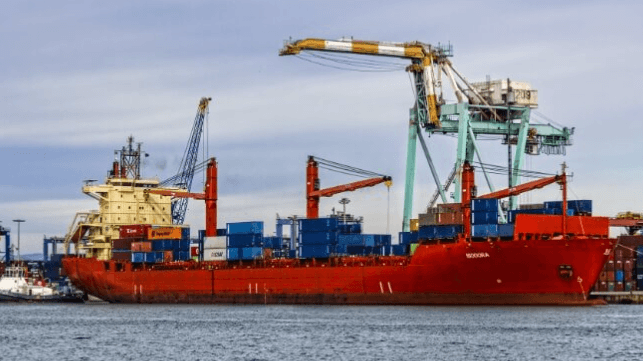
- Iran very likely attacked at least two commercial ships between 25 and 29 June in and near the Strait of Hormuz, including the Panama-flagged M/T Kiku carrying Qatari oil, prompting U.S. retaliatory strikes and a raised maritime threat posture. (Confidence: high · REPORTED)
- I&W: Flag states for Kiku and the affected container ship publish incident reports attributing causation to Iranian-origin drones or missiles (0-30 days)
- I&W: Independent assessments attribute the Kiku incident to non-state actors unconnected to Iran (0-30 days)
Outlook & scenarios
Fragile stand-down holds and technical talks convene in Doha (45%)
U.S. and Iranian technical teams arrive in Doha and engage through Qatari channels. The pause in strikes endures for days, commercial traffic continues a cautious uptick, and some LNG movements resume along IMO-coordinated Omani corridors with naval assistance. Iran sustains rhetoric about managing Hormuz while delaying any fee decision, and owners balance risk with narrow, designated corridors.
Renewed tit-for-tat after another ship attack (35%)
A further attack on a tanker or container ship triggers a new round of U.S. strikes on Iranian coastal military infrastructure, followed by limited Iranian volleys toward Kuwait or Bahrain. JMIC maintains a substantial threat level, LNG transits remain paused, insurers widen war-risk premiums, and owners defer passages pending clearer protection guarantees.
Managed transit regime with fees under Iran, Oman coordination (25%)
Tehran and Muscat announce service-related fees and codify routing and demining responsibilities, aligning most traffic to Iranian-designated lanes while IMO-coordinated Omani corridors act as alternates. Flows continue but costs rise and compliance burdens increase. U.S. escorts and de-confliction persist along Omani waters, and shipowners adopt standard operating procedures for Hormuz passages.
Recommendations
- Verify de-escalation claims by monitoring Qatari Foreign Ministry channels and open-source flight tracking for inbound U.S. and Iranian delegations to Doha; prepare a quick-turn readout if a meeting occurs.
- Task maritime analysts to track AIS for Qatari LNG carriers at Ras Laffan and through Hormuz and to log JMIC and UKMTO advisories daily for any change in the ‘substantial’ threat posture.
- Advise U.S.-flag operators and commercial partners to adhere to IMO-coordinated Omani corridors, maintain close contact with UKMTO, and document all interactions if approached by IRGC units given Tehran’s coordination warnings.
- Engage with Gulf partners to confirm availability and routes of naval assistance for merchant convoys along Oman’s coast and determine any gaps in coverage at chokepoints.
- Assess legal and cost implications of prospective Iran, Oman ‘service-related’ fees for transits; prepare options for engaging Muscat to shape any eventual framework away from unilateral control.
- Maintain a rolling watch on incident reporting for the M/T Kiku and the earlier container ship strike to firm up attribution chains; update escalation triggers accordingly.
- Track spot LNG market indicators and Pakistan’s urgent tendering activity as second-order impacts; integrate into energy risk estimates for clients exposed to South Asian demand.
- Prepare a contingency communication plan for shipowners outlining immediate steps if JMIC elevates the threat further or another high-profile attack occurs, including rerouting and war-risk insurance notifications.
Confidence & uncertainty
Overall confidence is low because several core elements are contested or inconsistently reported. The status and format of the Doha talks are contradicted by multiple credible statements, and shipping conditions in Hormuz are variably described as paused for LNG, reduced, and picking up, reflecting a fragmented picture. While reporting on the U.S. strikes and the Kiku attack is relatively consistent across independent outlets, other key aspects, including Iranian strikes’ effects and the scope of any fee regime with Oman, rely on medium-confidence sourcing and lack comprehensive official confirmation.
Alternative analysis (red cell)
Several judgments rely heavily on state claims and media reports that are inconsistent or lack independent forensic corroboration. Alternative readings are defensible: Iran may have publicly claimed strikes while local authorities reported isolated impacts; U.S. strikes are reported but not uniformly verified by third-party battle-damage assessment; Doha travel may reflect separate host- or technical-level coordination rather than direct U.S.–Iran bilateral negotiations; and Oman/Iran fee discussions appear exploratory rather than imminent policy. Overall, the evidence supports continued uncertainty and multiple plausible interpretations rather than the stronger, unified conclusions asserted.
Intelligence gaps
- [EEI 1.1 · UNCOVERED] Concentrations or unusual movements of IRGC-Navy fast attack craft, small boat swarms, or escort vessels within 200 km of U.S./allied ships, including approach distances and formation changes. Recommended collection: maritime/AIS
- [EEI 1.2 · UNCOVERED] Detected pre-launch activity at coastal missile or rocket batteries (vehicle dispersal, fuel/warhead handling, radars powering up, transport erector launchers moving to firing positions). Recommended collection: imagery/signals
- [EEI 1.3 · UNCOVERED] Increased launch/arming/positioning of armed UAVs (MALE/loitering munitions) or tactical aircraft at Iranian coastal bases with sortie generation rates and munitions loadouts. Recommended collection: air/ADS-B/imagery
- [EEI 1.4 · UNCOVERED] Command-and-control indications of attack orders or elevated rules-of-engagement from IRGC/General Staff (intercepted communications, internal order messages, force-wide alert messages). Recommended collection: signals/human
- [EEI 2.1 · UNCOVERED] Public statements or state-media broadcasts from Supreme Leader, President, Minister of Defense, or IRGC commanders indicating authorization, restraint, or conditions for retaliation. Recommended collection: open-source
- [EEI 2.2 · UNCOVERED] Issuance of formal orders, mobilization directives, travel restrictions, or official internal communications within IRGC/Armed Forces indicating escalation posture or stand-down. Recommended collection: human/diplomatic
- [EEI 2.3 · UNCOVERED] Directives, logistics movements, or communications from Iranian commanders to regional proxy militias (Houthis, Iraqi Shia militias, Lebanese groups) that change their threat posture or task them with specific operations. Recommended collection: signals/human
- [EEI 2.4 · UNCOVERED] Changes in Iran's diplomatic exchanges with key states (offers of negotiation, warnings, or coordination with Russia/China) or requests for deconfliction with maritime/naval actors. Recommended collection: diplomatic
- [EEI 3.1 · UNCOVERED] Incidents involving commercial vessels within the Strait of Hormuz or Persian Gulf: attacks, boarding attempts, near-misses, AIS spoofing or deliberate AIS outages, including vessel IDs and locations. Recommended collection: maritime/AIS
- [EEI 3.2 · UNCOVERED] Discovery or reporting of naval mines, unexploded ordnance, or damage to fixed maritime infrastructure (oil platforms, terminals, pipelines) with geolocated imagery or on-scene assessments. Recommended collection: imagery/open-source
- [EEI 3.3 · UNCOVERED] Commercial indicators of disruption: sudden increases in war-risk insurance premiums for Gulf transits, vessel re-routing decisions, port throughput reductions, or charter cancellations for Gulf shipments. Recommended collection: financial/commercial
- [EEI 3.4 · UNCOVERED] Movements or posture changes of regional state navies/air forces (Saudi, UAE, Kuwait, Bahrain, UK) such as task group departures, airbase dispersals, or announced maritime patrols near choke points. Recommended collection: open-source/imagery
Cited sources
[1] Los Angeles Times · U.S. and Iran pause strikes but disagree over next steps in talks - Los Angeles Times (A) · sha256:70ede92bbbd9 [2] military.com · US and Iran Pause Strikes but Disagree Over Next Steps on Talks (B) · sha256:bbcf987797b2 [3] retailgazette.co.uk · Iran and US agree to renew talks over Strait of Hormuz (B) · sha256:6bb17f115ba5 [4] time.com · Trump and Iranian Officials Make Conflicting Remarks About Next Steps in Talks (A) · sha256:39df81001000 [5] The Wall Street Journal · Тегеран отмахнулся от "нежных шлепков" Трампа: он теперь хозяин региона (The Wall Street Journal, США) (A) · sha256:77811e8194a2 [6] wwno.org · Trump says the U.S. and Iran will meet in Qatar after weekend attacks (A) · sha256:d4d85bd0885e [7] BBC News Русская служба · США и Иран договорились прекратить удары и вернуться к переговорам во вторник, заявляют в Вашингтоне. Тегеран встречу в Дохе не подтверждает - BBC News Русская служба (A) · sha256:cd67bb176751 [8] gcaptain.com · Hormuz Traffic Climbs as Supertankers Sail Into Persian Gulf (B) · sha256:3f7546f66b35 [9] Newsweek · Will Iran give up control of the Strait of Hormuz? (A) · sha256:679ed17c4dbe [10] gcaptain.com · Mediators Set Up De-escalation Channels Ahead of US-Iran Talks (A) · sha256:ef4f257ee4a1 [11] maritime-executive.com · Shipping Through Hormuz Holds Steady, But Little Clarity on Peace Talks (B) · sha256:c4043294a9b5 [12] gcaptain.com · Pakistan Urgently Seeks LNG as Hormuz Flare-Up Chokes Supply (A) · sha256:c63daa0161b8 [13] insurancejournal.com · Hormuz Traffic Drops Off as Vessel Attacks Raise Fresh Concerns (A) · sha256:54ee96661f0a [14] gcaptain.com · Middle East Producers Push on With Oil and LNG Loadings Despite Ship Attacks (A) · sha256:59d7b801cafa [15] gcaptain.com · Hormuz Oil Transits Continue Though Attacks Make Owners Wary (B) · sha256:f7e274e96626 [16] Associated Press · Iran says this. The US says that. A look at the trickiest issues in the unresolved conflict (A) · sha256:b19d9cef62fb
Source content hashes were computed at collection time; the cited text is preserved unmodified for the life of this product.
Red cell review: PARTIAL DISSENT
TLP:CLEAR