TLP:CLEAR · Disclosure is not limited.
Persian Gulf SITREP: U.S., Iran exchanges persist as Hormuz remains constrained ahead of planned deal signing
Time window: Last 7 days · Audience: General analyst · Type: Situation report · DTG: 2026-06-18 00:12Z · Overall confidence: MEDIUM
BLUF
Despite an announced interim U.S., Iran deal and a planned signing in Switzerland on Friday, the Strait of Hormuz remains heavily constrained with large vessel backlogs and continuing security threats to shipping. Kinetic activity and drone interceptions over the past week keep maritime risk high even as some tankers reposition for a potential reopening.
Executive summary
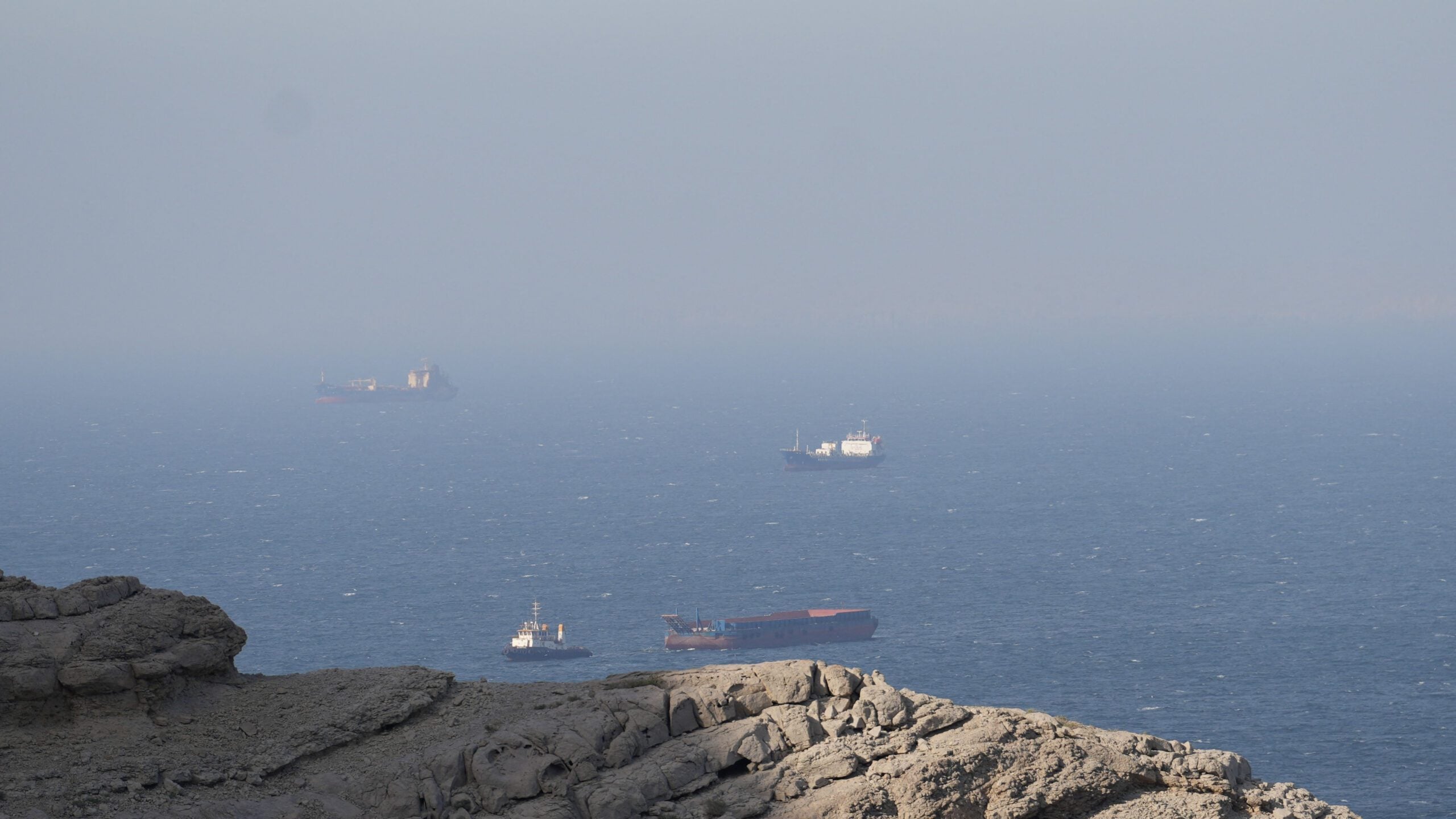
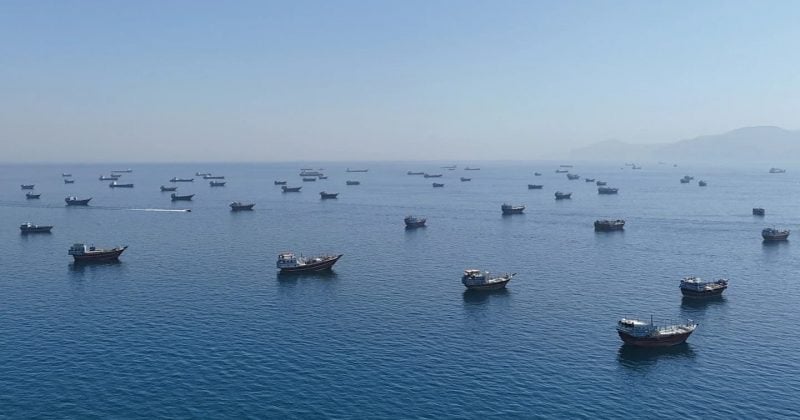
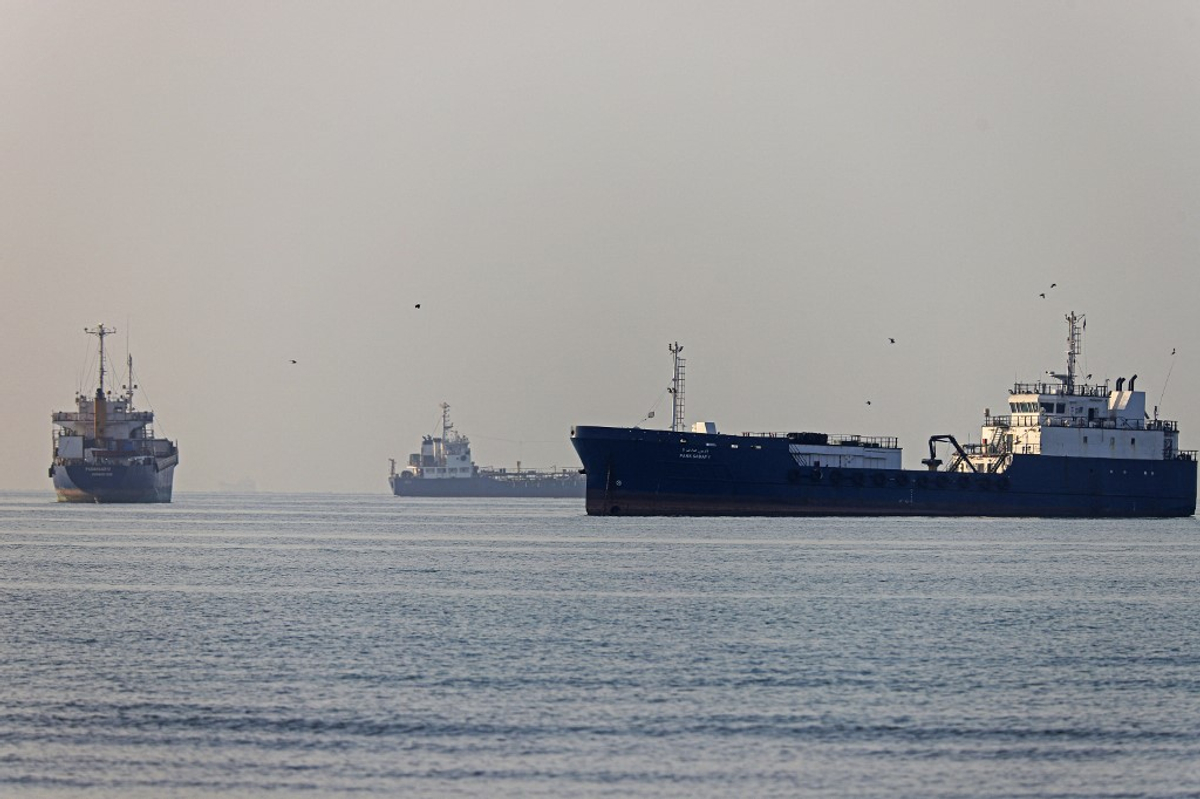
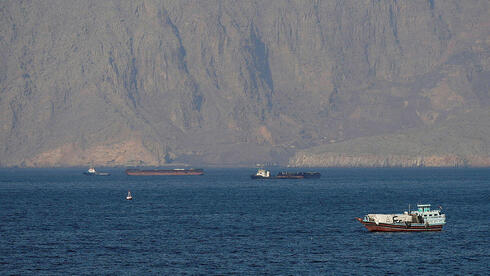
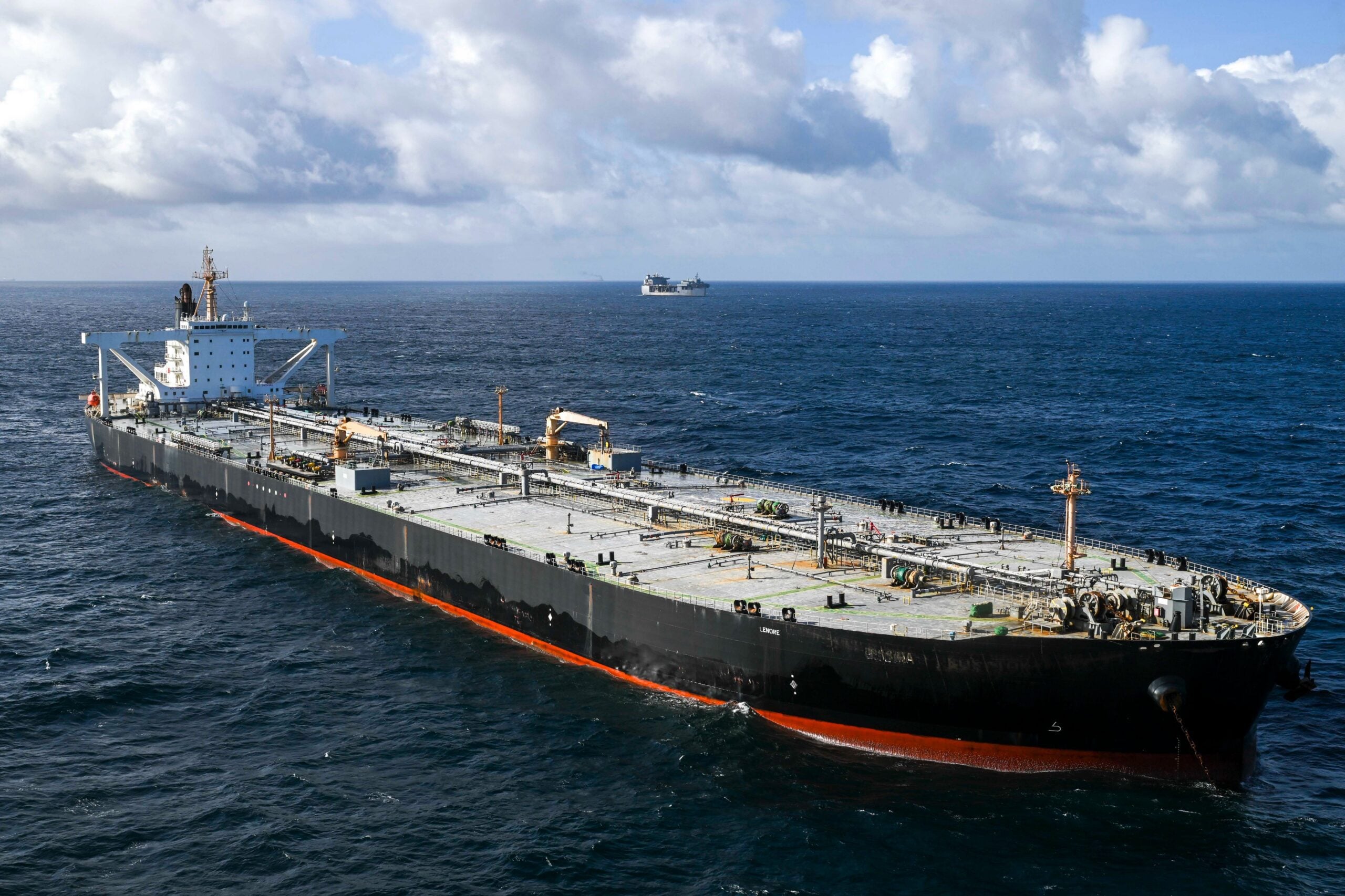
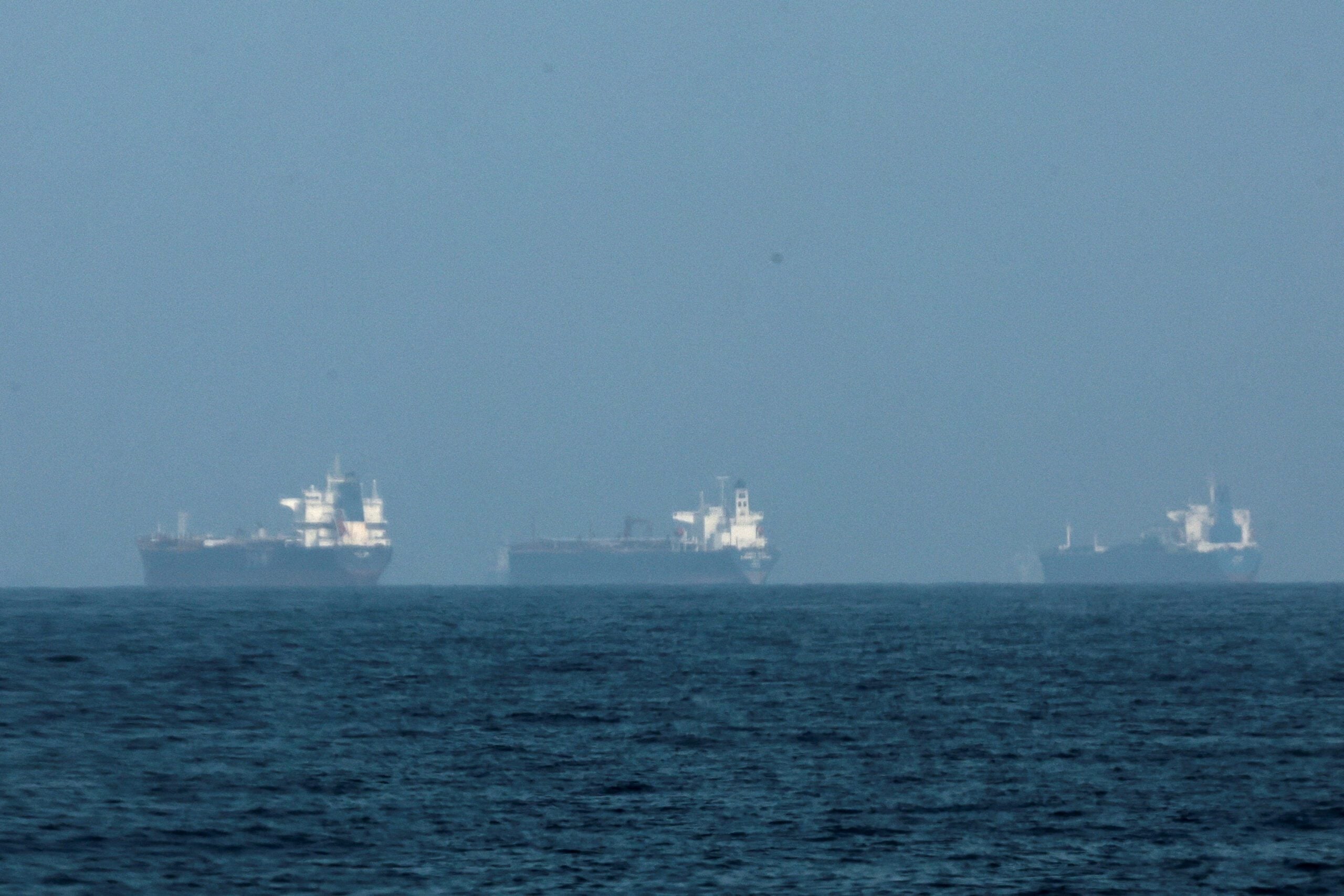
Iran and the United States engaged in multiple exchanges over 8-11 June, including U.S. strikes on Iranian air defences and Iranian drone and missile activity targeting U.S. facilities and shipping near Hormuz. Commercial traffic through the strait remains significantly reduced, with about 600 vessels backed up in the Gulf and roughly 60 empty supertankers waiting in the Gulf of Oman. Washington and Tehran say they reached an interim agreement on 17 June, with a formal signing expected in Bürgenstock, Switzerland, on Friday, aimed at trading the reopening of Hormuz for oil-related sanctions relief. However, public readouts diverge on key terms and timing, and Iran has publicly maintained closure language while U.S. forces continue armed escorts and drone shoot-downs near the strait. Regional mitigations, notably the UAE’s Fujairah route and ADNOC transits on the Omani side, and visible tanker u‑turns toward the Middle East, suggest preparation for a phased resumption rather than an immediate normalisation.
Key judgments
- The Strait of Hormuz remains constrained, with commercial traffic significantly reduced and a large queue of vessels awaiting passage despite announcements of an interim U.S., Iran deal. (Confidence: high · REPORTED)
- I&W: JMIC daily bulletins show commercial transits at or below mid-June reported levels and continued queues in the Gulf. (0-14 days)
- I&W: AIS data show a sustained outflow of Iranian‑linked tankers through the Gulf of Oman, indicating easing constraints. (0-14 days)
- U.S., Iran kinetic exchanges intensified around 8-11 June and very likely persist at a lower tempo, including U.S. strikes on Iranian air defences and naval assets, and repeated Iranian drone activity against commercial shipping near Hormuz. (Confidence: high · REPORTED)
- I&W: Additional CENTCOM releases on drone interceptions or strikes in or near the Strait of Hormuz. (0-14 days)
- I&W: A verified 60‑day ceasefire takes effect with no reported drone or missile incidents. (0-14 days)
- An interim agreement is likely in place and scheduled for formal signature in Bürgenstock on Friday, aiming to trade a reopening of Hormuz for time‑bound oil sanctions relief, but the parties’ public readouts diverge on scope and timing. (Confidence: medium · ASSESSED)
- I&W: Public signing in Bürgenstock with text referencing oil sanctions waivers and explicit commitments to reopen Hormuz. (0-7 days)
- I&W: Missed signing deadline and official statements disputing core provisions or timing. (0-7 days)
- Shipping patterns this week likely reflect repositioning ahead of a possible reopening, including tanker u‑turns toward the Middle East, visible queues in the Gulf of Oman, Iranian‑linked vessels shifting position, and Qatari LNG carriers heading back to the region. (Confidence: medium · REPORTED)
- I&W: Additional tanker diversions signalling Fujairah and increased AIS activity by Iran‑linked tankers exiting via the Gulf of Oman. (0-14 days)
- I&W: Fresh interdictions or attacks triggering renewed widespread diversions away from the Gulf. (0-14 days)
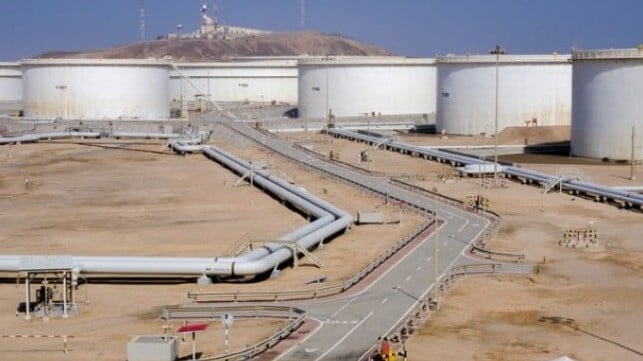
- Regional mitigations are likely cushioning some supply disruption: the UAE has diverted roughly two million bpd via pipeline to Fujairah and used the Omani side of Hormuz, while U.S. naval escorts are moving about seven million barrels per day through the strait. (Confidence: medium · ASSESSED)
- I&W: Continued high export loadings at Fujairah and ADNOC transits via Omani waters documented by port agents and AIS. (1-3 months)
- I&W: Reports of reduced Fujairah pipeline throughput or curtailment of ADNOC’s Omani‑side transits. (0-3 months)
- The risk to merchant vessels near the southeastern approaches to Hormuz remains high given recent reported strikes on a tanker and repeated Iranian one‑way drone attacks intercepted by U.S. forces. (Confidence: high · REPORTED)
- I&W: New CENTCOM or industry advisories on drone or projectile threats near Hormuz approaches. (0-14 days)
- I&W: No additional incident reporting by CENTCOM or JMIC for two consecutive weeks. (0-14 days)
Outlook & scenarios
Phased de‑escalation and escorted reopening under a 60‑day framework (55%)
The parties hold the Bürgenstock signing and begin implementing time‑bound oil sanctions relief tied to reopening Hormuz. U.S. naval escorts continue, Iranian‑linked tankers resume visible transits via the Gulf of Oman, and the queue gradually clears while JMIC reduces the regional threat level further. Disputes on outstanding issues are deferred to the framework’s review window.
Fragile pause: harassment persists below the threshold of collapse (50%)
The interim deal remains politically contested. Intermittent Iranian one‑way drone launches and sporadic attacks near the strait keep shipping risk elevated. Escorts and the Omani‑side routing limit losses, but traffic remains below normal and many owners delay sailings until the terms prove durable.
Talks stall and exchanges resume at higher tempo (35%)
The formal signing slips or is followed by public disputes over core provisions. Iran reiterates closure language, U.S. forces re‑strike Iranian capabilities, and insurers widen exclusions. Tanker diversions increase and the backlog grows, intensifying pressure on alternative routes and regional producers.
Wildcard: extra‑theatre trigger derails the Hormuz track (20%)
An Israeli, Iranian flashpoint, including further Iranian missile activity toward Israel or Israeli high‑impact strikes, jolts Tehran’s calculus. The interim deal loses traction, and the Gulf becomes secondary to a broader confrontation, undermining maritime de‑risking.
Recommendations
- Maintain a daily watch on Bürgenstock proceedings and official readouts; capture any public text on sanctions waivers, reopening commitments, and monitoring to clarify implementation timelines for operators.
- Fuse JMIC reports with AIS monitoring of Iranian‑linked tankers in the Gulf of Oman to track whether constraints are easing or persisting; brief maritime stakeholders on near‑term transit prospects.
- Sustain engagement with regional partners on mitigations: validate Fujairah pipeline throughput and ADNOC routing via Omani waters; map contingencies if those mitigations tighten.
- Support CENTCOM and interagency maritime risk communications with industry, highlighting the persistent threat axis at the southeastern approaches to Hormuz and the continued need for armed escorts.
- Prepare alternative indicators of deal durability: missed signing milestones, contradictory official statements, or renewed closure assertions should trigger an immediate reassessment of shipping risk assumptions.
Confidence & uncertainty
Overall confidence is medium. Reporting on kinetic events, interceptions near Hormuz, and maritime backlogs is well corroborated by multiple high‑confidence sources, supporting high confidence in continued shipping risk and recent exchanges. Confidence is lower on the diplomatic pathway and timing because public readouts from Washington and Tehran diverge on sanctions relief, management of the strait and sequencing, and some claims conflict on signing logistics and immediacy of measures. Shipping repositioning signals are credible but reflect anticipatory behaviour rather than confirmed normalisation.
Alternative analysis (red cell)
The reporting is internally inconsistent and often relies on single high‑impact assertions without independent corroboration. A sober alternative estimate is that the waters around Hormuz are experiencing significant, localized disruption and elevated risk to commercial shipping, but the evidence does not yet unambiguously support a sustained, uniform blockage with a single large queue or a fully executed, enforceable interim agreement.
Cited sources
[1] gcaptain.com · Iranian Tankers Reappear as Crude Exports Show Signs of Restart After Hormuz Deal (B) · sha256:e75a2d244d92 [2] gcaptain.com · Barnacle Boom: Divers Race to Clean Ships Stranded in Persian Gulf (B) · sha256:95f0973530be [3] gcaptain.com · Oil Tankers U-Turn, Rush to Middle East Before Hormuz Reopening (B) · sha256:b566a498089f [4] BBC News عربي · الرئيس الأمريكي يقول إن "اتفاقاً" سيُوقَّع مع إيران خلال ساعات - BBC News عربي (A) · sha256:73b0923df858 [5] Institute for the Study of War (ISW) and The Critical Threats Project (CTP) at the American Enterprise Institute · Iran Update Special Report, June 11, 2026 (B) · sha256:22f4cd0e4605 [6] aljazeera.net · بعد مواجهات ليلية. ترمب يهدد بقصف إيران والسيطرة على نفطها (B) · sha256:39f6967fb777 [7] ynetnews.com · Trump’s Iran ceasefire is starting to look like a countdown to war (B) · sha256:ace418f8b6f9 [8] foreignaffairs.com · The Middle East Power Paradox (B) · sha256:a18792673b08 [9] ynetnews.com · Tensions persist as US-Iran agreement nears and drones target Israel and Hormuz shipping (B) · sha256:32b715464452 [10] Kyiv Post · US Threatens to Seize $24B in Frozen Iranian Assets for Ally Compensation (B) · sha256:6969018ba30e [11] gcaptain.com · Trump Signs Interim Iran Deal as Focus Shifts to Hormuz (B) · sha256:448e576b1f29 [12] Bloomberg · U.S., Iran Prepare for Deal Signing as Financial Details Emerge (A) · sha256:a0f2cb9d784d [13] gcaptain.com · Trump Administration to Immediately Lift Iranian Oil Sanctions Under New Agreement (A) · sha256:bec31b1f91a9 [14] marinelink.com · US Energy Shares Fall, Crude Prices Drop as US and Iran Make Deal (B) · sha256:13f15c94f91f [15] Institute for the Study of War (ISW) and The Critical Threats Project (CTP) at the American Enterprise Institute · Iran Update Special Report, June 12, 2026 (B) · sha256:1d92477fba93 [16] maritime-executive.com · UAE Wants to End its Reliance on Shipping Through Strait of Hormuz (B) · sha256:e84b1561cddd [17] gcaptain.com · U.S. Military Guidance Reveals High-Risk Reality of Hormuz's 'Southern Highway' (B) · sha256:bd15873ddf06 [18] cryptobriefing.com · US forces down two Iranian drones near Strait of Hormuz (B) · sha256:e18145f6b81f
Source content hashes were computed at collection time; the cited text is preserved unmodified for the life of this product.
Red cell review: PARTIAL DISSENT
TLP:CLEAR