TLP:CLEAR · Disclosure is not limited.
Persian Gulf SITREP: US, Iran strikes, contested Hormuz closures, and wavering talks, 15-22 June 2026
Time window: Last 7 days · Audience: General analyst · Type: Situation report · DTG: 2026-06-22 12:45Z · Overall confidence: MEDIUM
BLUF
US and Iran are trading strikes while Iran’s military claims it shut the Strait of Hormuz, yet large oil flows continue via a southern route facilitated by US naval guidance. Talks in Switzerland are lurching between postponement and limited engagement as Israeli, Hezbollah fighting weighs on prospects, keeping escalation and market risk elevated.
Executive summary
Reporting shows the United States and Iran exchanging strikes for a second day, with spillover as debris from intercepted Iranian drones damaged homes in Bahrain. Iran’s joint military command announced a closure of the Strait of Hormuz, but tankers and supertankers continued transiting, including via a southern Omani corridor with US guidance. Maritime notices and commentary conflict with Tehran’s assertion that vessels require Iranian permission, contributing to a volatile but operating shipping environment. Planned US, Iran talks in Switzerland were postponed as fighting in southern Lebanon intensified, then Iran said it dispatched a delegation the next day, underscoring the fragility of diplomacy. Energy markets remain tight, with Brent above $120 and metals supply chains adapting through alternative routings and inventories. Official claims of a US, Iran memorandum of understanding and pledges on Iran’s nuclear programme sit uneasily alongside ongoing strikes and contested closure statements.
Key judgments
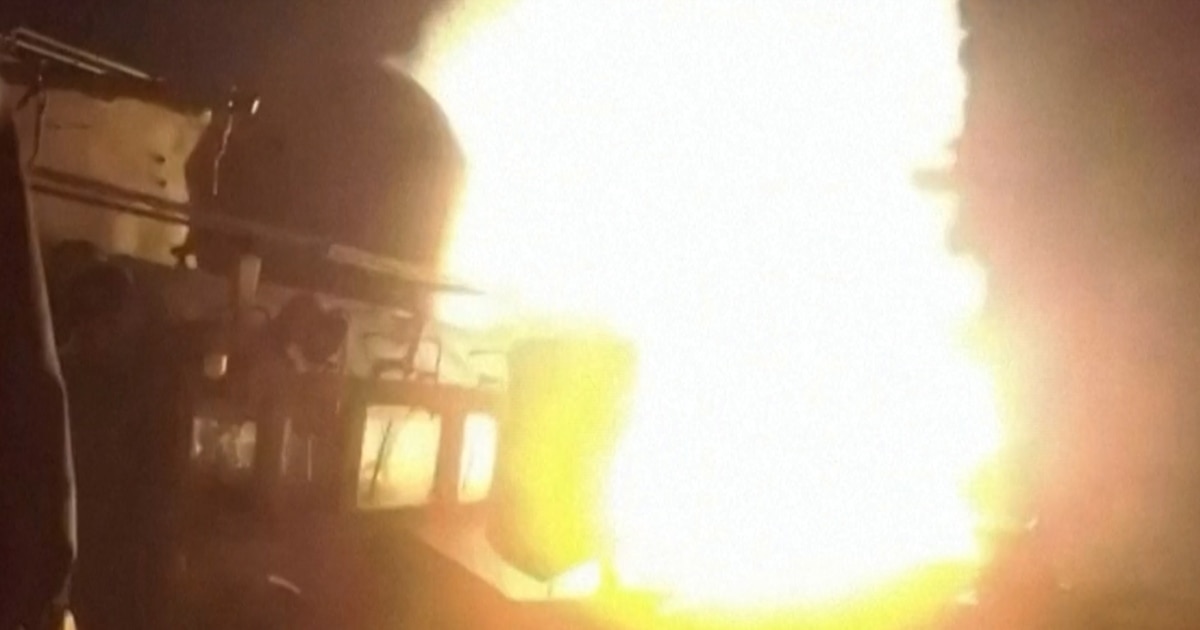
- US, Iran kinetic exchanges are active and affecting Gulf partners. The United States and Iran very likely exchanged strikes on consecutive days, Iran attacked US allies in the Persian Gulf region, and debris from intercepted Iranian drones damaged homes in Bahrain. (Confidence: high · REPORTED)
- I&W: CENTCOM or Iranian military channels publish new strike claims or video within the Gulf theatre. (0-14 days)
- I&W: Gulf states report additional drone or missile debris impacts on urban areas or infrastructure. (0-14 days)
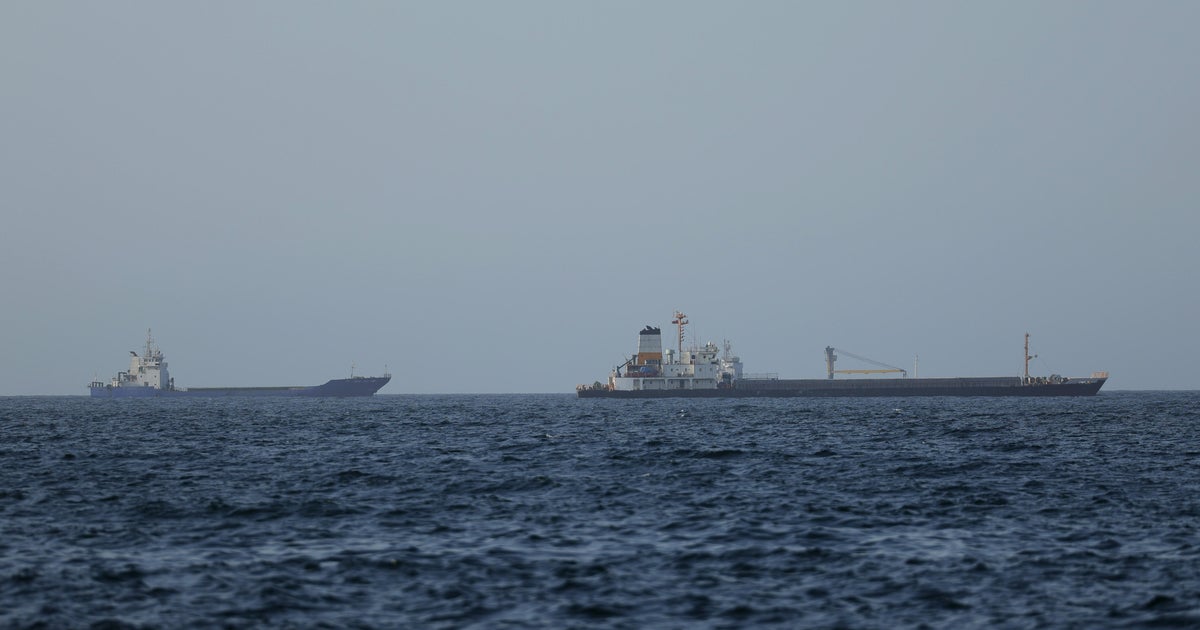
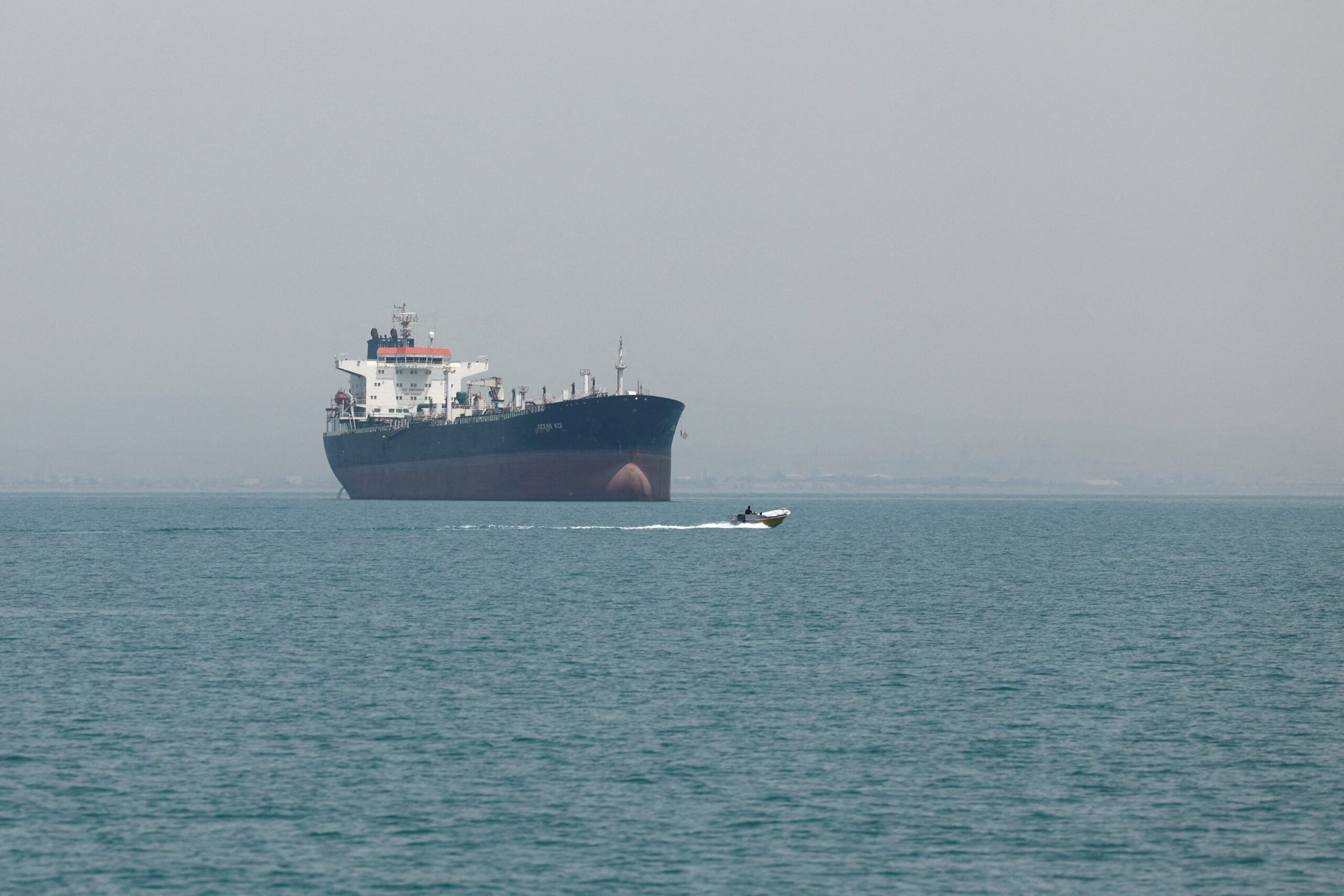
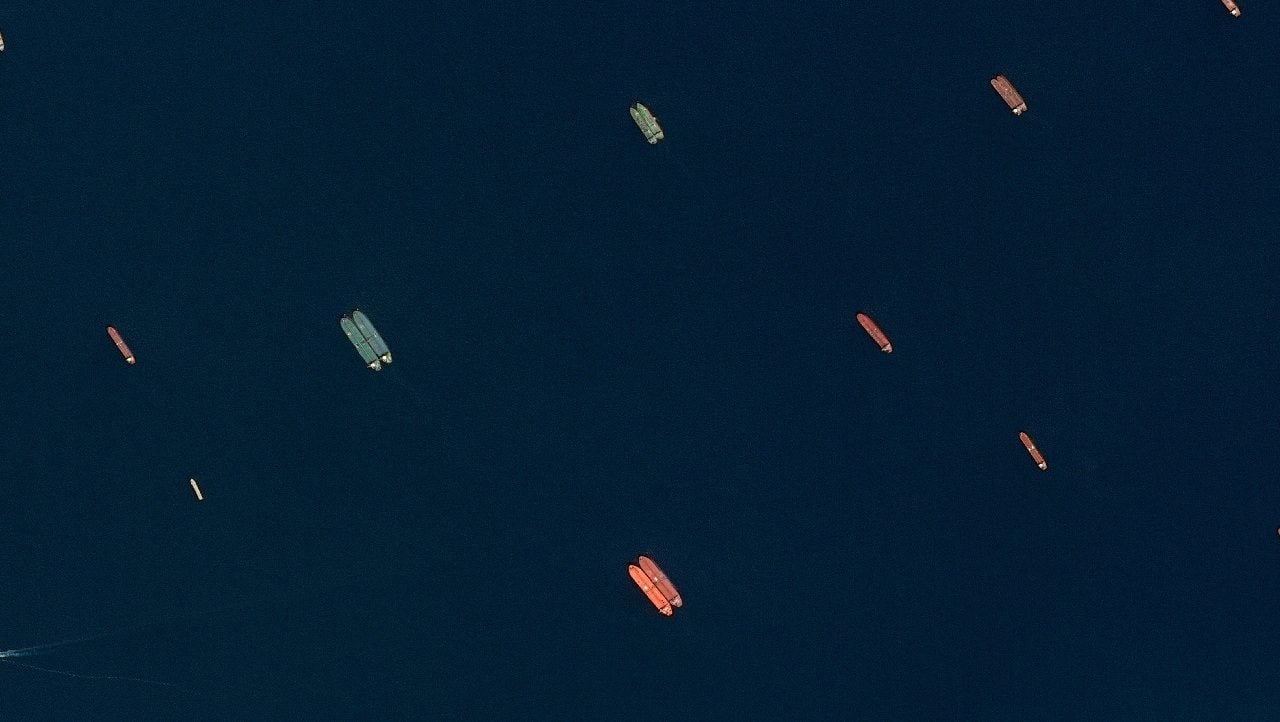
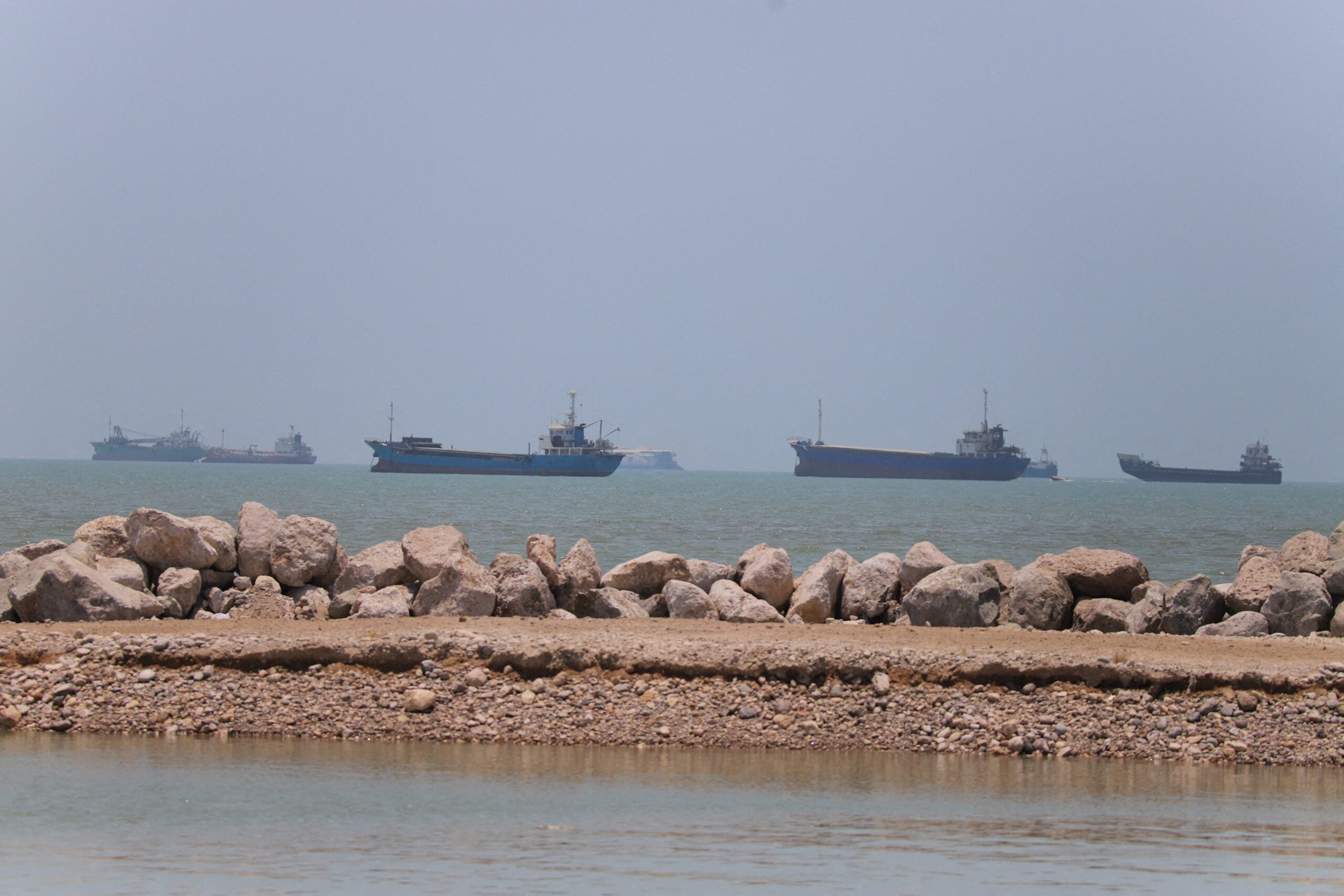
- Iran’s 20 June claim to close the Strait of Hormuz has likely not halted tanker traffic. Oil and cargo flows have continued, including five laden supertankers inside the strait and tens of merchant ships carrying roughly 17 million barrels, with routing along the Omani coast enabled by US naval guidance. (Confidence: high · REPORTED)
- I&W: AIS and industry reporting show continued daily crude and product tanker transits via the southern Omani route. (0-14 days)
- I&W: Documented IRGC enforcement actions inside the strait such as boardings, seizures, or minelaying that materially interrupt transits. (0-14 days)
- Prospects for near‑term diplomacy are fragile. There is a roughly even chance that US, Iran talks in Switzerland resume meaningfully in the near term given postponements tied to intensified Israeli strikes in southern Lebanon and subsequent Iranian statements dispatching a team. (Confidence: medium · REPORTED)
- I&W: Swiss authorities publish a new schedule or confirm delegation arrivals for the next negotiation round. (0-14 days)
- I&W: Official US or Iranian statements declare talks cancelled or suspended without a date due to developments in Lebanon. (0-14 days)
- The reported US, Iran memorandum of understanding has unlikely resolved core disputes on nuclear guarantees and maritime access. Official claims that the agreement reopens Hormuz and prevents an Iranian nuclear weapon sit alongside continued strikes and Iran’s closure announcement. (Confidence: medium · ASSESSED)
- I&W: Public release of MOU terms with implemented mechanisms on nuclear constraints and navigational rules. (1-3 months)
- I&W: A sustained halt in reciprocal strikes coupled with Tehran rescinding closure guidance for Hormuz. (0-14 days)
- Maritime risk management is adapting, likely sustaining throughput despite elevated threat. War‑risk coverage has been mobilised and the Joint Maritime Information Centre rates Hormuz as moderate risk, while guidance emphasises the southern Omani corridor. (Confidence: medium · ASSESSED)
- I&W: Additional insurers expand Hormuz war‑risk facilities or maintain cover without premium spikes following incident‑free weeks. (1-3 months)
- I&W: A major insured hull or cargo loss in or near the strait triggers immediate premium surges and coverage withdrawals. (0-14 days)
- Energy markets remain tight, but industrial workarounds are blunting worst‑case shocks. Brent above $120 reflects war risk, while Middle Eastern smelters and Asian supply responses are mitigating aluminium disruptions. (Confidence: medium · ASSESSED)
- I&W: Sustained reporting of alumina inflows to Gulf smelters and stable output despite shipping advisories. (1-3 months)
- I&W: A marked retracement in Brent alongside easing maritime advisories for Hormuz. (1-3 months)
Outlook & scenarios
Managed friction: Hormuz stays open via the southern corridor (50%)
Tehran maintains rhetorical closure claims without systematic enforcement. The US continues guiding vessels along the Omani route, and shippers rely on war‑risk cover. Diplomatic contacts sputter but persist, influenced by developments in southern Lebanon. Oil and cargo volumes remain volatile yet continue through the strait.
Acute escalation: enforced interdictions and brief shipping halt (30%)
Triggered by a deadly strike or Lebanon spillover, IRGC naval units enforce permission requirements through boardings or minelaying. A short, sharp interdiction causes insurers to reprice cover and some owners to pause transits. US forces respond with targeted strikes to re‑establish the southern route. Flows resume but at higher risk and cost.
Negotiated de‑escalation: stop‑start talks yield a corridor deal (35%)
Talks in Switzerland restart and produce limited steps: Iran tones down closure notices, a publicly described corridor along Oman is reaffirmed in maritime advisories, and strike tempo drops. Energy prices ease from recent highs, although implementation remains fragile and contingent on the Lebanon front.
Recommendations
- Build a daily open‑source ledger of Hormuz transits, separating northbound and southbound flows and flagging use of the southern Omani route, to validate or refute closure assertions in near‑real time.
- Task collection to capture and compare Iranian maritime notices and IRGC statements against Joint Maritime Information Centre guidance; alert if Tehran reiterates or enforces permission requirements.
- Maintain a watch on Israeli, Hezbollah activity as a proximate trigger for Iranian actions at Hormuz; set an internal alert if reported strikes in southern Lebanon intensify.
- Engage shipping and energy risk teams on contingency planning that assumes short‑duration interdictions: pre‑approve alternative routings, charter party clauses, and demurrage exposure.
- Track war‑risk insurance developments and binder capacity from the Lloyd’s/Chubb facility and peers; brief stakeholders on cover availability changes within 24 hours of any maritime incident.
- Monitor reported debris incidents and interceptions in Gulf states for indications of spillover to critical infrastructure; map any clustering around port and energy assets.
- Prepare an analytic quick‑turn template to reconcile conflicting official claims on Hormuz status with independently observable vessel movements, to support senior decision‑makers during fast‑moving narratives.
Confidence & uncertainty
Overall confidence is medium. Multiple independent, reputable sources report US, Iran strike activity and continued tanker movements through Hormuz, including specific vessel counts and volumes, which corroborate each other. However, there are material contradictions between Iranian closure claims and US statements of openness, and the diplomatic track shows conflicting signals on postponement versus dispatching delegations. Market assessments rely partly on corporate and analyst commentary rather than primary operational data. These factors support solid but not high confidence.
Alternative analysis (red cell)
An alternative, defensible reading is that reported Gulf incidents could be isolated, tactically limited engagements rather than a sustained, symmetric US–Iran exchange, and that diplomatic activity may already be advancing despite reports of postponement given the claim that Iran dispatched a team (1af19092 vs 18e579f9). Similarly, while commercial traffic indicators suggest some continuity through Hormuz, contradictory operational guidance and Iran’s permission claim justify a cautious view that risk mitigation is emergent and uneven rather than fully effective. Resolving these alternatives requires neutral verification (MOU text, AIS tracks, ISR imagery, and third‑party confirmations).
Cited sources
[1] rferl.org · Middle East Tensions Escalate As US, Iran Exchange Strikes For Second Day (B) · sha256:0d45f219c282 [2] gcaptain.com · Iran Says Hormuz Has Been Closed But Sends Team For Swiss Talks (B) · sha256:cf96869daaa9 [3] gcaptain.com · Oil Keeps Flowing Through Hormuz Despite Iran Saying It’s Shut (B) · sha256:8d8089594578 [4] gcaptain.com · Hormuz Transit Security Is ‘Hour to Hour’ (B) · sha256:4a322a6244d2 [5] gcaptain.com · Ships Told They Can Use South Hormuz Route With Signals On (B) · sha256:2a9cd18c69be [6] CBS News · U.S.-Iran deal signing sets stage for nuclear negotiations, but initial talks in Switzerland postponed (A) · sha256:5a5d27dd9588 [7] whitehouse.gov · President Trump’s Iran Agreement Is America First in Action (A) · sha256:8298f9e42718 [8] Wikipedia · Middle Eastern crisis (2023–present) (B) · sha256:58eeab2b4f3f [9] Wikipedia · Economic impact of the 2026 Iran war (B) · sha256:7cb06542dd0e [10] gcaptain.com · Aluminum’s War Shock Blunted By Dark Transits And Chinese Supply (B) · sha256:fc63bbec77f3
Source content hashes were computed at collection time; the cited text is preserved unmodified for the life of this product.
Red cell review: PARTIAL DISSENT
TLP:CLEAR