TLP:CLEAR · Disclosure is not limited.
Persian Gulf Situation Report: Maritime Risk and Conditional Mediation
Time window: Last 1 day · Audience: General analyst · Type: Situation report · DTG: 2026-10-31 14:40Z · Overall confidence: HIGH
BLUF
A near-term US-Iran agreement remains unlikely: Tehran has described a two-day plan to reopen the Strait of Hormuz, but ties it to conditions that Washington has not publicly accepted. Commercial traffic remains 70% below pre-war levels, and recent vessel attacks are reported, while Iranian claims of multiple tankers hitting mines remain unverified.
Executive summary
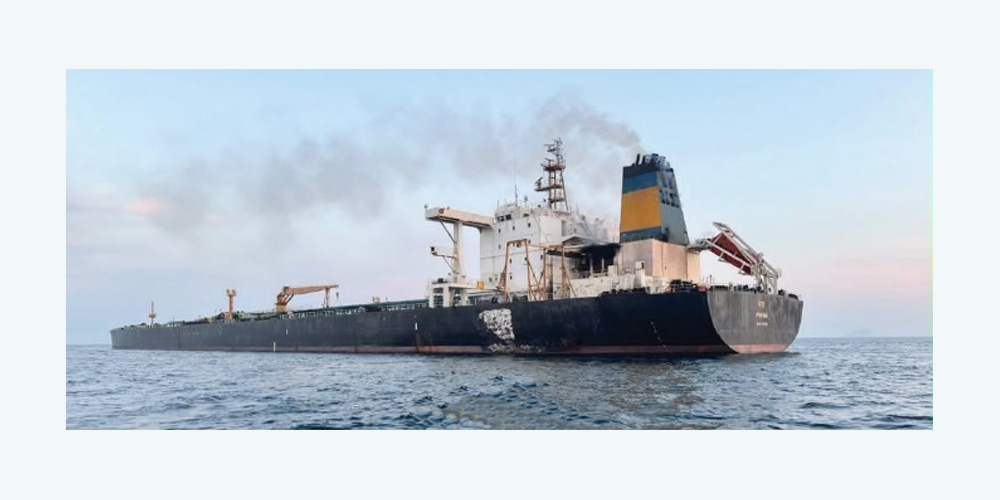
UKMTO reported that a small boat attached two explosive devices to the Panama-flagged Louise 1 near Khasab on 29 October; the crew was safe and the vessel resumed its voyage. On 30 October, the Omani Navy reported evacuating 25 crew from the tanker Riti after it was targeted and set ablaze. A separate attribution of the Riti attack to an Iranian missile has not been independently confirmed. Iran’s reported accounts of tanker incidents range from three to at least six vessels, and are not independently corroborated. On 31 October, Abbas Araghchi called the US attempt to open dialogue a positive step and said Iran’s proposed Strait of Hormuz reopening period had been shortened to two days, subject to conditions including recognition of a route discussed with Oman. Mojtaba Khamenei was reported to have directed military commanders to prepare for a geographically unrestricted response. Separately, Wall Street Journal reporting described damage at US military installations, but estimates differ substantially. Local authorities also reported a US drone attack on two fishing boats south of Qeshm; that report remains uncorroborated.
Change from previous assessment
Since the 30 October brief, the assessment has added Araghchi’s description of the US dialogue effort as positive and his reported two-day Strait of Hormuz reopening proposal, while retaining the judgement that an agreement is unlikely because Tehran’s conditions remain substantial. New reporting adds the Omani Navy’s evacuation of 25 crew from Riti, UKMTO’s transit figures, Mojtaba Khamenei’s reported military directives and competing estimates of damage to US installations. The reported Qeshm drone strike is a new, low-confidence item. The 29 October Louise 1 attack remains established in reporting, but its attribution remains unresolved.
Key judgments
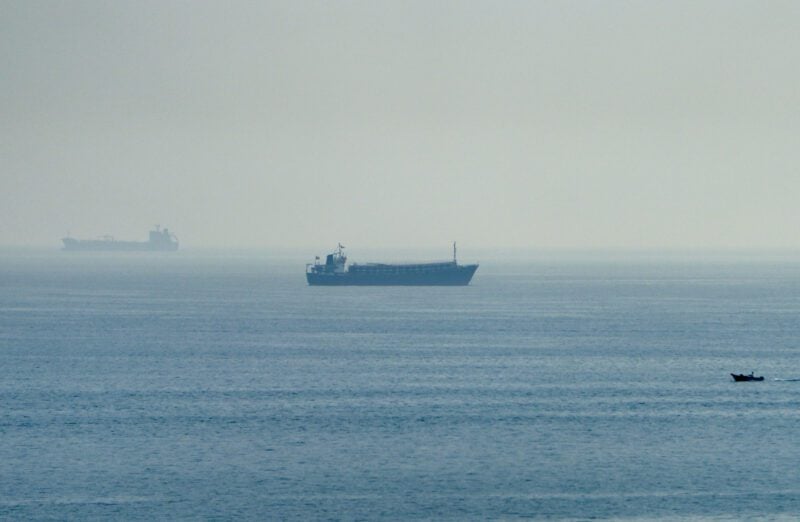
- Commercial shipping in the Strait of Hormuz is likely to face further intermittent disruption over the next two weeks. UKMTO reported the 29 October attack on Louise 1 near Khasab, and the Omani Navy reported evacuating 25 crew from Riti after it was targeted on 30 October. UKMTO recorded 155 inbound and 122 outbound transits in the week ending 28 October, 70% below pre-war levels. The attribution of the Riti attack to an Iranian missile remains unconfirmed. (Confidence: medium · ASSESSED)
- I&W: UKMTO or the Omani Navy reports another named commercial vessel attacked in the Strait of Hormuz or near Khasab. (0-14 days)
- I&W: UKMTO records no further verified vessel attack and weekly transits rise above half of pre-war levels. (1-3 months)
- The reported total of tankers hit by mines in the Strait of Hormuz is unlikely to be reliable as stated. Iranian accounts differ: the IRGC Navy was reported as claiming three or four tankers caught fire or exploded, while Iranian state television claimed at least six were damaged. US Central Command said internationally recognised primary transit routes had been cleared of mines. The reports do not independently establish the number of mine-hit vessels. (Confidence: low · ASSESSED)
- I&W: UKMTO or the Omani Navy independently identifies at least three tankers with damage consistent with mine strikes. (0-14 days)
- I&W: The IRGC Navy corrects or retracts its reported counts, and UKMTO’s next weekly summary does not corroborate multiple tanker fires or mine strikes. (0-14 days)
- Iran is likely signalling readiness for geographically broad retaliation, but the reporting does not establish a decision to initiate new attacks. Reports on 31 October identify Mojtaba Khamenei as meeting senior commanders and ordering a military target database update and an immediate response without geographic limits. Other reporting attributes a similar directive to an unnamed supreme leader, leaving some inconsistency over attribution. (Confidence: medium · ASSESSED)
- I&W: A further Iranian official readout names Mojtaba Khamenei and repeats the geographically unrestricted response language. (0-14 days)
- I&W: Iranian officials publicly disavow the reported directives or narrow them to a specifically defensive posture. (0-14 days)
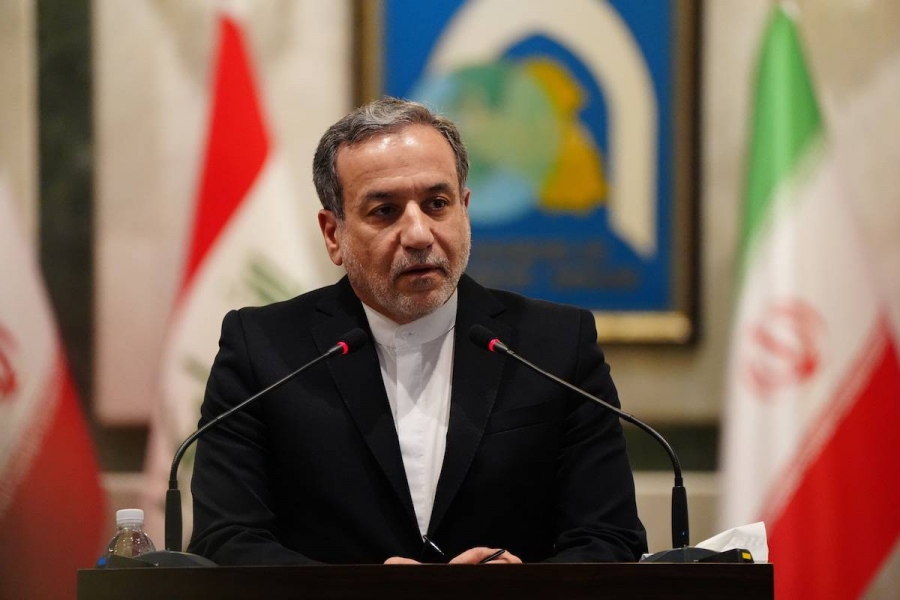
- A US-Iran agreement within the next two weeks is unlikely. Araghchi called Washington’s attempt to open dialogue a positive step and said Iran had shortened its proposed Strait of Hormuz reopening period to two days. Tehran’s stated conditions include recognition of its route discussed with Oman and closure of other routes; Araghchi also said there was no scheduled meeting with US officials and that direct negotiations require prior acceptance of Iran’s core terms. (Confidence: medium · ASSESSED)
- I&W: US and Iranian officials publicly accept a shared reopening schedule and specify how the route discussed with Oman will operate. (0-14 days)
- I&W: Araghchi or a US official announces that mediated contacts have been suspended or that the stated conditions are unacceptable. (0-14 days)
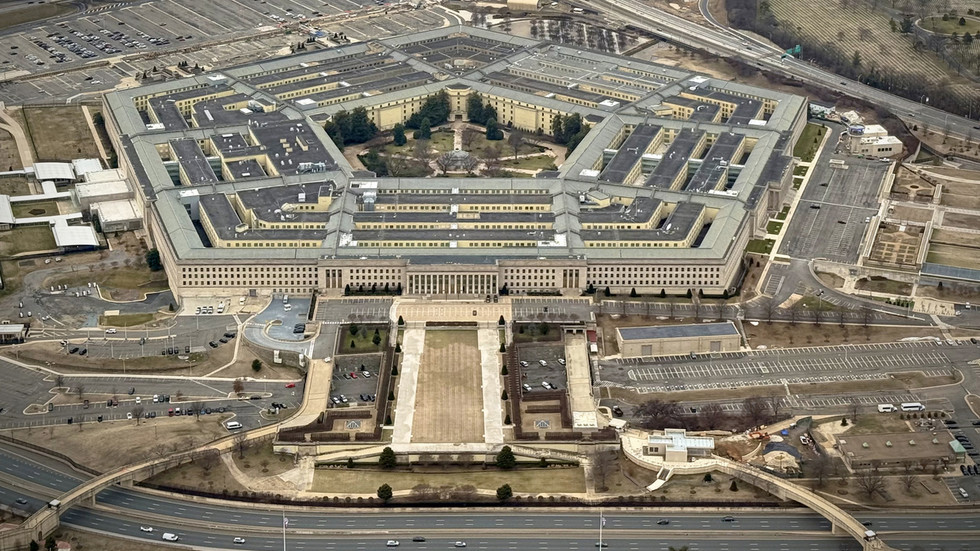
- Reporting supports substantial damage to US military installations from Iranian strikes, but the total financial estimate is not settled. Wall Street Journal reporting identified 274 damaged structures across 24 installations and reported an estimate of up to $15 billion; an unnamed US official cited a Pentagon estimate of at least $5 billion. The difference limits confidence in any single damage figure. (Confidence: medium · REPORTED)
- I&W: A public Pentagon estimate or subsequent satellite analysis specifies updated damage totals across the 24 installations. (1-3 months)
- I&W: A Pentagon review rejects the reported structure count or explains that the $5 billion and $15 billion estimates use materially different scopes. (1-3 months)
- The reported US drone attack on two fishing boats south of Qeshm on 31 October remains unverified. The account comes from local authorities and the available reporting provides no independent confirmation of the strike or its attribution. (Confidence: low · REPORTED)
- I&W: US officials acknowledge a drone strike south of Qeshm, or geolocated imagery confirms damage to the two fishing boats. (0-14 days)
- I&W: Local authorities retract the report or evidence identifies a non-US cause of damage to the boats. (0-14 days)
Outlook & scenarios
Mediation advances without a comprehensive agreement (45%)
Qatari and Pakistani contacts continue while Washington and Tehran test the two-day Strait of Hormuz proposal. A limited reopening arrangement is likely to remain conditional because Iran’s stated route and negotiation terms are not yet publicly accepted by the United States.
Maritime pressure continues (40%)
Iran continues to assert control over Strait of Hormuz routes, while commercial traffic remains well below pre-war levels and vessel incidents persist. Reports of additional tanker damage remain disputed unless UKMTO or the Omani Navy independently confirms specific vessels.
A confirmed Qeshm incident triggers a wider exchange (15%)
If independent evidence confirms the reported US drone strike on fishing boats south of Qeshm, Tehran treats it as a hostile act and responds in line with its public warnings of geographically broad retaliation. This is a low-probability, high-impact scenario; the strike report is currently uncorroborated.
Recommendations
- Maintain a vessel incident register that separates UKMTO and Omani Navy reporting from Iranian claims and third-party attribution. Record vessel name, location, time, damage, crew status and source for each incident.
- Track the two-day Strait of Hormuz proposal against its stated conditions, especially recognition of the route discussed with Oman and the proposed closure of other routes. Record separately any public US acceptance and any actual change in transit patterns.
- Treat the Qeshm fishing-boat report as unverified until US officials, geolocated imagery or another independent source confirms the incident and attribution.
- Brief the base-damage figures as a range with their distinct sources and scopes. Do not present either $5 billion or $15 billion as a settled total before further Pentagon or satellite reporting reconciles them.
Confidence & uncertainty
Overall confidence is high for the situation-level assessment because official maritime reporting, Omani Navy reporting and major-media accounts support the occurrence of vessel incidents, depressed Strait of Hormuz traffic and active mediated contacts. Confidence is lower on responsibility for individual attacks, the number of tankers reportedly hit by mines, the Qeshm drone allegation and the total cost of damage to US installations. Some reports describe the same underlying events, so they do not all constitute independent corroboration.
Alternative analysis (red cell)
The available reporting supports an active diplomatic channel rather than an assessment that a US-Iran agreement is unlikely within two weeks. Iran has described dialogue as a positive step, maintained a delegation in Doha, and reportedly shortened the proposed Hormuz reopening period to two days. Significant obstacles remain, including Iran's preconditions and the absence of a scheduled direct meeting, so the outcome is best viewed as genuinely uncertain rather than unlikely.
Intelligence gaps
- [EEI 1.1 · UNCOVERED] Concentrations or unusual movements of IRGC-Navy fast attack craft, small boat swarms, or escort vessels within 200 km of US/allied ships, including approach distances and formation changes. Recommended collection: maritime/AIS
- [EEI 1.2 · PARTIAL] Detected pre-launch activity at coastal missile or rocket batteries (vehicle dispersal, fuel/warhead handling, radars powering up, transport erector launchers moving to firing positions). Recommended collection: imagery/signals
- [EEI 1.3 · UNCOVERED] Increased launch/arming/positioning of armed UAVs (MALE/loitering munitions) or tactical aircraft at Iranian coastal bases with sortie generation rates and munitions loadouts. Recommended collection: air/ADS-B/imagery
- [EEI 2.2 · PARTIAL] Issuance of formal orders, mobilization directives, travel restrictions, or official internal communications within IRGC/Armed Forces indicating escalation posture or stand-down. Recommended collection: human/diplomatic
- [EEI 2.3 · UNCOVERED] Directives, logistics movements, or communications from Iranian commanders to regional proxy militias (Houthis, Iraqi Shia militias, Lebanese groups) that change their threat posture or task them with specific operations. Recommended collection: signals/human
- [EEI 3.3 · PARTIAL] Commercial indicators of disruption: sudden increases in war-risk insurance premiums for Gulf transits, vessel re-routing decisions, port throughput reductions, or charter cancellations for Gulf shipments. Recommended collection: financial/commercial
- [EEI 3.4 · PARTIAL] Movements or posture changes of regional state navies/air forces (Saudi, UAE, Kuwait, Bahrain, UK) such as task group departures, airbase dispersals, or announced maritime patrols near choke points. Recommended collection: open-source/imagery
Red cell review: PARTIAL DISSENT
TLP:CLEAR