TLP:CLEAR · Disclosure is not limited.
Persian Gulf: Tanker Attack, Qatar Mediation and Strike Planning
Time window: Last 1 day · Audience: General analyst · Type: Situation report · DTG: 2026-10-30 14:27Z · Overall confidence: MEDIUM
BLUF
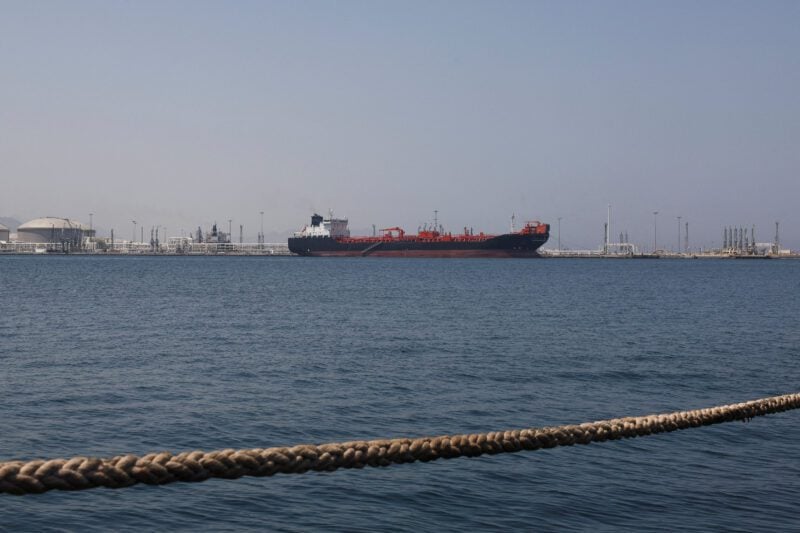
The 29 October attack on Panama-flagged Louise 1 near Khasab almost certainly occurred, but reports differ on whether a small craft attached two limpet mines or an unidentified projectile caused the damage. Qatar's renewed mediation in Tehran has not produced agreement, while reports of US and Israeli strike planning after 3 November indicate preparation, not an authorised operation.
Executive summary
UKMTO reported a tanker incident near Khasab on 29 October. Reuters later identified the vessel as Louise 1 and cited three maritime security sources who attributed the engine-room fire to two limpet mines attached by a small craft; UKMTO's account described an unidentified projectile. The crew was safe, the fire was extinguished and the tanker continued its voyage. Iranian forces reported additional tanker mine strikes and a stopped-tanker count that varied across statements. CENTCOM rejected the mine-strike reports, and the available reporting does not independently confirm the additional incidents. On 30 October, a Qatari delegation arrived in Tehran for US-coordinated talks. A senior Iranian official rejected a proposal conveyed by Qatar and reaffirmed Iran's nuclear position. Separately, major-media reports describe US and Israeli strike planning after the 3 November midterm elections and a briefing to President Donald Trump on attack options. The reporting does not establish approval of an operation.
Change from previous assessment
The latest reporting identifies the 29 October tanker as Louise 1 and attributes the damage to limpet mines, while UKMTO's projectile description leaves the method unresolved. New reports say Iran's naval forces claimed additional mine strikes and drone losses, but tanker counts differ and CENTCOM rejects the mine account. Qatar's delegation returned to Tehran on 30 October, and a senior Iranian official reportedly rejected the proposal it conveyed. A new report that CENTCOM commander Admiral Brad Cooper briefed Trump on attack options strengthens the evidence of planning after 3 November, but does not establish authorisation.
Key judgments
- The 29 October attack on Panama-flagged Louise 1 near Khasab almost certainly occurred; the method remains unresolved. Reuters cited three maritime security sources who attributed the engine-room fire to two limpet mines attached by a small craft, while UKMTO described an unidentified projectile. UKMTO reported that the crew was safe, the fire was extinguished and the tanker continued its voyage. (Confidence: high · REPORTED)
- I&W: Confirm: UKMTO or Louise 1's operator identifies the vessel and confirms the reported damage and attack method. (0-14 days)
- I&W: Break: UKMTO or the operator corrects the vessel identification or reports that the fire was not caused by an attack. (0-14 days)
- Iran's claims that tankers hit naval mines in the Strait of Hormuz remain unverified, and the reported totals are inconsistent. Iranian statements describe one, two, three or four affected tankers; CENTCOM rejected the mine-strike reports and said recognised primary transit routes were clear of mines. The available reporting does not independently confirm Iran's account. (Confidence: low · ASSESSED)
- I&W: Confirm: UKMTO, a named vessel operator or another independent source verifies damage to one of the tankers cited by Iranian forces and identifies a mine strike. (0-14 days)
- I&W: Break: Identified vessel records or operator statements show that the tankers cited by Iran were not struck or damaged. (0-14 days)
- Iran's IRGC Navy is asserting authority over southern Strait of Hormuz routes: it reported stopping two tankers that it said were using unauthorised routes. The claim of stopped tankers is not independently confirmed, and the available reporting does not establish the overall level of commercial transit. (Confidence: medium · REPORTED)
- I&W: Confirm: The IRGC Navy names additional detained or diverted tankers, and an operator or flag-state authority confirms an interception. (0-14 days)
- I&W: Break: Iran announces that it has lifted the route restrictions, and tanker operators report passage without interception. (0-14 days)
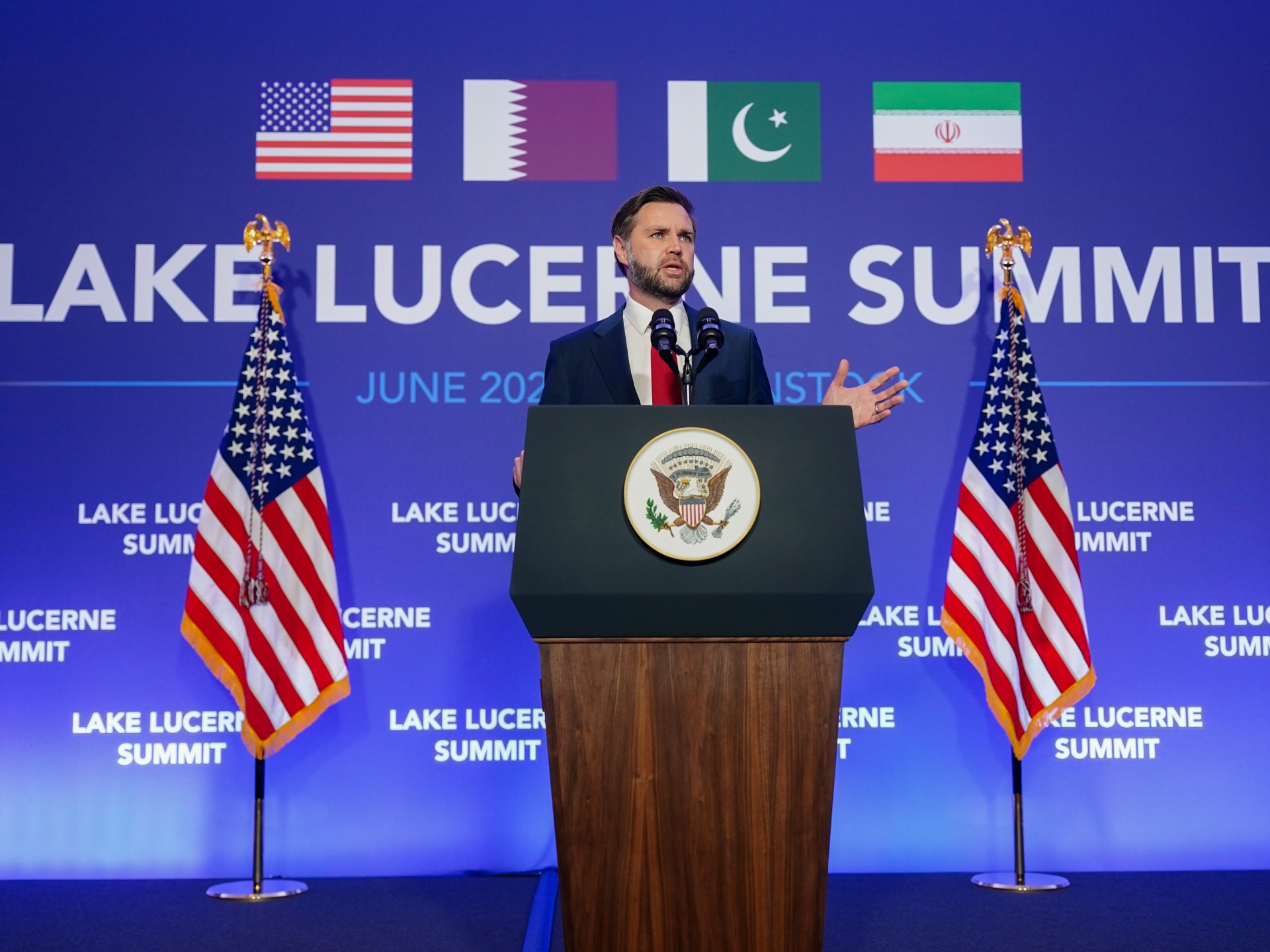
- A US-Iran agreement before 14 November is unlikely. Qatar's delegation returned to Tehran on 30 October, but a senior Iranian official rejected the proposal conveyed by Qatar and reaffirmed Iran's nuclear position. Reporting differs on whether Vice President JD Vance's letter to Mohsen Rezaei offered only a negotiating framework or proposed direct talks with Iran's nuclear programme on the agenda from the start. Al Jazeera reported no official response from Tehran, although sources described Iranian authorities as welcoming the letter's tone. (Confidence: medium · ASSESSED)
- I&W: Confirm: US and Iranian officials announce direct talks or a ceasefire framework with an agreed timetable before 14 November. (0-14 days)
- I&W: Break: An Iranian senior official publicly reiterates rejection of the proposal, and Qatar reports that no follow-up meeting is scheduled. (0-14 days)
- US-Israeli strike planning after 3 November is likely active, but the available reporting does not establish an authorised attack. The New York Times reported joint US-Israel plans; the Wall Street Journal separately reported that President Donald Trump warned Gulf allies to prepare for a short, high-intensity campaign. CENTCOM commander Admiral Brad Cooper also briefed Trump on options for renewed attacks. These reports describe distinct planning and warning activity, not a confirmed launch decision. (Confidence: medium · ASSESSED)
- I&W: Confirm: The White House, Pentagon or Israeli government announces an approved operation, or confirms that strike orders have been issued. (0-14 days)
- I&W: Break: The White House or Pentagon states that no operation has been approved and reports that the post-election plans have been shelved. (0-14 days)
- Iranian claims of US drone capture or destruction over the Strait of Hormuz remain unverified. The IRGC Navy claimed it captured an MQM-170 intact, the IRGC Aerospace Force claimed it destroyed an MQ-1, and Iran's Navy separately reported destroying an unmanned craft east of the Strait. These statements may describe separate incidents, but the available reporting contains no independent confirmation of a US drone loss. (Confidence: low · ASSESSED)
- I&W: Confirm: CENTCOM or the US Navy acknowledges a drone loss and identifies the aircraft model or location. (0-14 days)
- I&W: Break: Iran withdraws the claims, or US authorities confirm that the aircraft identified in the claims were not lost. (0-14 days)
Outlook & scenarios
Qatar keeps the channel open without a deal (55%)
It is likely that Qatar continues mediation while Washington and Tehran remain divided over nuclear issues, sanctions and the US maritime blockade. The parties sustain contact, but announce no agreement before 14 November.
Maritime disruption deepens without US strikes (30%)
An expanded maritime disruption is unlikely, but Iran's route restrictions and unresolved tanker claims leave a path to further interruptions. The IRGC Navy stops or diverts additional vessels, or another tanker is verified as damaged, without a renewed US strike.
A renewed attack triggers a wider exchange (15%)
A renewed US-Israeli strike campaign after 3 November is very unlikely, but would carry high impact. A separate wildcard is confirmation of the uncorroborated report that Iran's Army naval base in Jask was targeted; confirmation followed by retaliation would widen the exchange.
Recommendations
- Keep the Louise 1 incident and the separate Iranian mine-strike claims in distinct incident entries. Record vessel identity, location, time, reported weapon and source, and retain the projectile and limpet-mine accounts as competing descriptions until UKMTO or the operator clarifies them.
- Track UKMTO updates, statements from Louise 1's operator and reports from Oman and CENTCOM for independent confirmation of the other tanker incidents. Do not attribute the mine claims to a responsible actor without corroboration.
- Monitor Qatar's Tehran visit for an official readout, a scheduled follow-up meeting and a clear Iranian response. Keep reports of a negotiating framework separate from reports of direct talks with the nuclear programme on the agenda.
- For post-election warning, distinguish CENTCOM's options briefing, reported US-Israeli plans and any official decision. Update the assessment only when a public order, official denial or confirmed change in preparations is reported.
- Keep Iranian drone-capture and drone-destruction claims unverified in briefing products unless US authorities or independently validated evidence confirm a loss and identify the aircraft.
Confidence & uncertainty
Overall confidence is medium. UKMTO reporting and Reuters' account, based on three maritime security sources, support the occurrence of the Louise 1 incident, but reports differ on the weapon used. Iranian claims about additional mine strikes and drone losses lack independent confirmation; CENTCOM directly disputes the mine explanation. Reporting on Qatar's mediation is supported by several outlets, while accounts of the Vance letter's contents differ. Strike-planning reports come from major media but do not establish an authorised operation.
Intelligence gaps
- [EEI 1.1 · UNCOVERED] Concentrations or unusual movements of IRGC-Navy fast attack craft, small boat swarms, or escort vessels within 200 km of US/allied ships, including approach distances and formation changes. Recommended collection: maritime/AIS
- [EEI 1.2 · UNCOVERED] Detected pre-launch activity at coastal missile or rocket batteries (vehicle dispersal, fuel/warhead handling, radars powering up, transport erector launchers moving to firing positions). Recommended collection: imagery/signals
- [EEI 1.3 · UNCOVERED] Increased launch/arming/positioning of armed UAVs (MALE/loitering munitions) or tactical aircraft at Iranian coastal bases with sortie generation rates and munitions loadouts. Recommended collection: air/ADS-B/imagery
- [EEI 1.4 · UNCOVERED] Command-and-control indications of attack orders or elevated rules-of-engagement from IRGC/General Staff (intercepted communications, internal order messages, force-wide alert messages). Recommended collection: signals/human
- [EEI 2.1 · PARTIAL] Public statements or state-media broadcasts from Supreme Leader, President, Minister of Defense, or IRGC commanders indicating authorization, restraint, or conditions for retaliation. Recommended collection: open-source
- [EEI 2.2 · UNCOVERED] Issuance of formal orders, mobilization directives, travel restrictions, or official internal communications within IRGC/Armed Forces indicating escalation posture or stand-down. Recommended collection: human/diplomatic
- [EEI 2.3 · UNCOVERED] Directives, logistics movements, or communications from Iranian commanders to regional proxy militias (Houthis, Iraqi Shia militias, Lebanese groups) that change their threat posture or task them with specific operations. Recommended collection: signals/human
- [EEI 3.3 · PARTIAL] Commercial indicators of disruption: sudden increases in war-risk insurance premiums for Gulf transits, vessel re-routing decisions, port throughput reductions, or charter cancellations for Gulf shipments. Recommended collection: financial/commercial
- [EEI 3.4 · UNCOVERED] Movements or posture changes of regional state navies/air forces (Saudi, UAE, Kuwait, Bahrain, UK) such as task group departures, airbase dispersals, or announced maritime patrols near choke points. Recommended collection: open-source/imagery
Red cell review: CONCUR WITH COMMENT
TLP:CLEAR