TLP:CLEAR · Disclosure is not limited.
Persian Gulf: U.S. blockade and Iranian regional strikes intensify; Hormuz traffic heavily constrained
Time window: Last 1 day · Audience: General analyst · Type: Situation report · DTG: 2026-07-17 16:12Z · Overall confidence: LOW
BLUF
U.S. forces expanded strikes inside Iran and are enforcing a renewed maritime blockade as Iran hit U.S.-linked targets in Kuwait, Qatar and Bahrain and claimed a strike on al-Tanf. Shipping through Hormuz is heavily curtailed and oil benchmarks are rising, with Tehran signalling potential pressure on Red Sea shipping via Houthi channels.
Executive summary
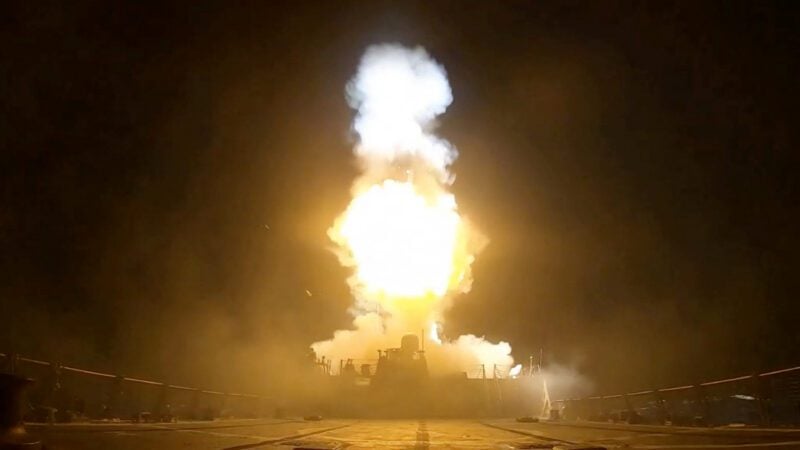
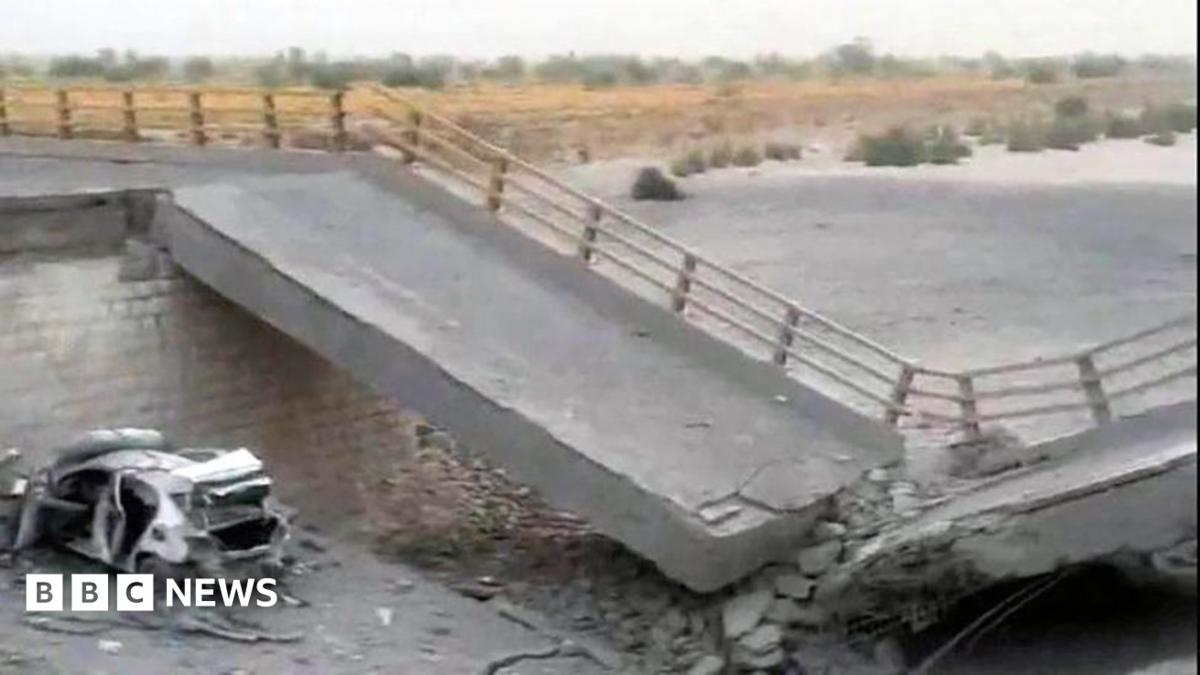
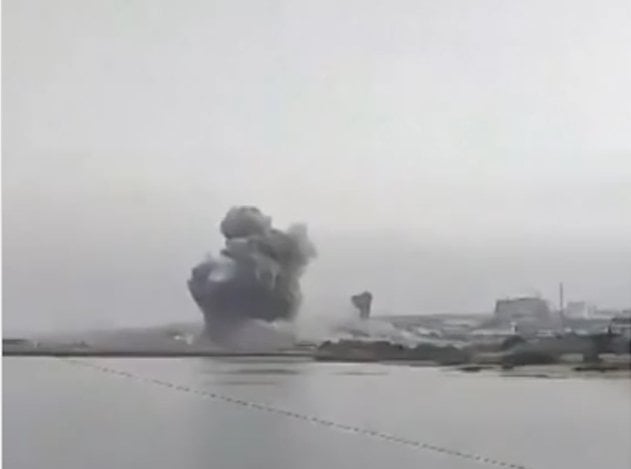
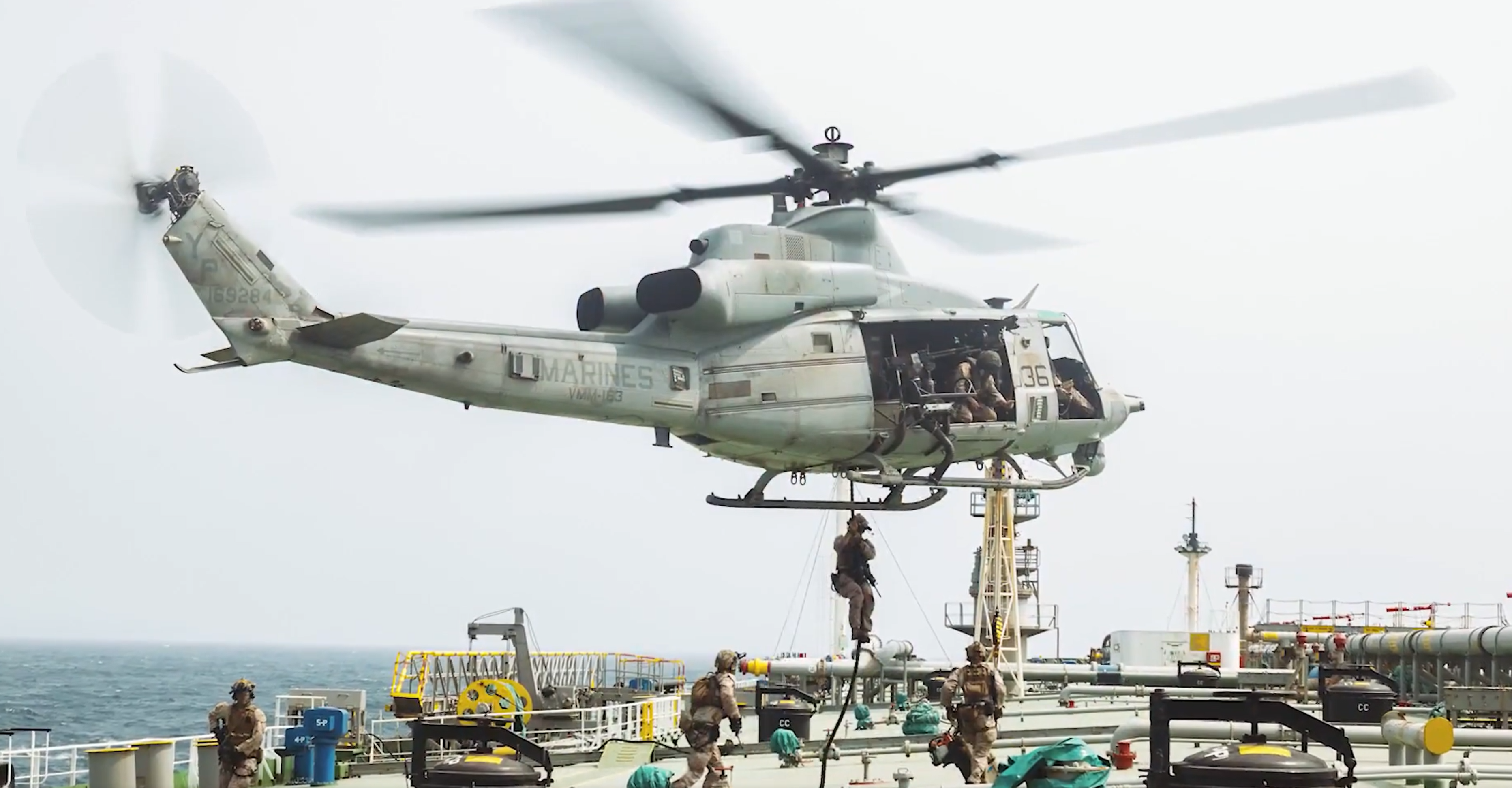
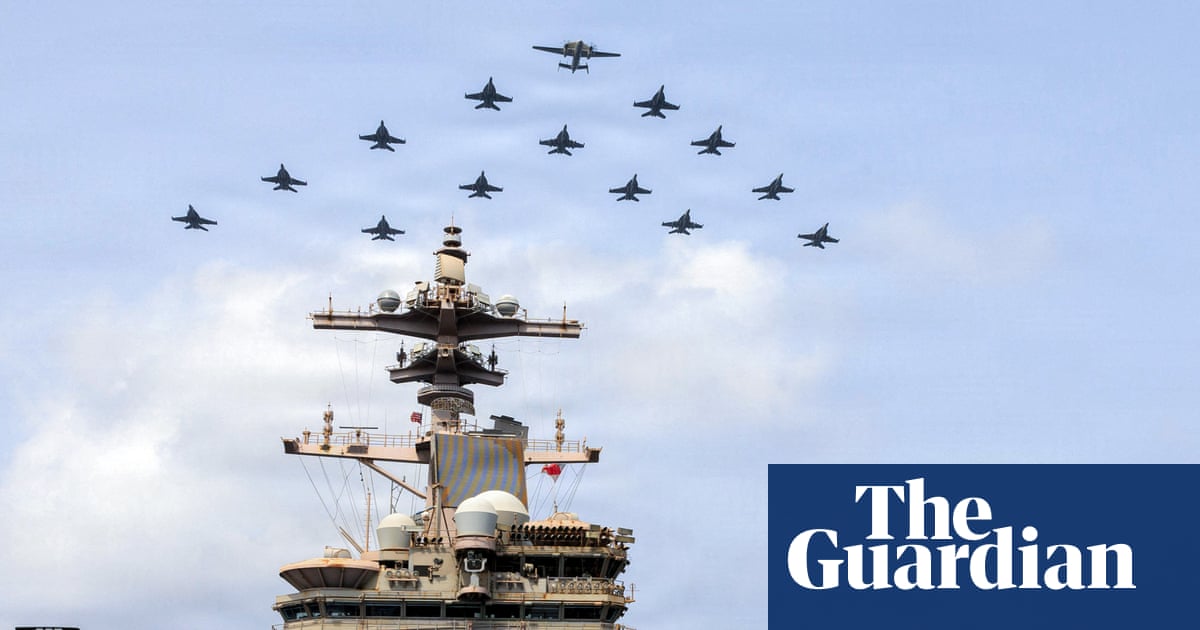
On 16-17 July, U.S. forces struck bridges, an airport, air defence and logistics sites in Iran and destroyed a port surveillance tower while boarding tankers under a reinstated blockade. Iran announced attacks on Gulf states hosting U.S. bases and said it struck facilities in Kuwait, Qatar and Bahrain; explosions in Doha wounded a child and Kuwaiti authorities reported damage at a power and desalination station. Iran also said it targeted the U.S. garrison at al‑Tanf in Syria. Maritime data and advisories indicate Hormuz traffic and loadings have fallen sharply and several Iran‑linked tankers have reversed course. Oil prices climbed into the mid‑$80s. Iranian sources report substantial damage to the power grid and casualties from U.S. strikes. Reporting points to a delicate phase with limited diplomatic progress and indications Tehran is posturing Houthi assets to threaten the Red Sea.
Change from previous assessment
Since the 16 July brief, U.S. strikes on 17 July reportedly hit bridges and an airport inside Iran and destroyed a port surveillance tower, and blockade enforcement progressed with boardings and reports of redirected and disabled vessels. Iran said it struck U.S. bases in Kuwait, Qatar and Bahrain, a Kuwaiti power/desalination facility was reported hit by Kuwaiti authorities, and explosions in Doha wounded a child. Iran announced the closure of the Strait of Hormuz as observable shipping activity remained subdued and additional Iran‑linked tankers reversed course. Oil benchmarks moved further into the mid‑$80s. Iran also claimed a strike on the U.S. garrison at al‑Tanf in Syria. This update adds detail on target sets, maritime interdictions and humanitarian impacts while noting increased contradictions on the strait’s status.
Key judgments
- Iran very likely struck U.S.-linked targets in Kuwait, Qatar and Bahrain on 17 July, including a Kuwaiti power and desalination station, and claimed a strike on the U.S. garrison at al‑Tanf in Syria; explosions in Doha wounded a child. (Confidence: high · REPORTED)
- I&W: Kuwaiti authorities publish a formal damage assessment and repair schedule for the affected power/desalination station (0-14 days)
- I&W: CENTCOM releases imagery or statements disproving claimed damage at the named Gulf targets (0-14 days)
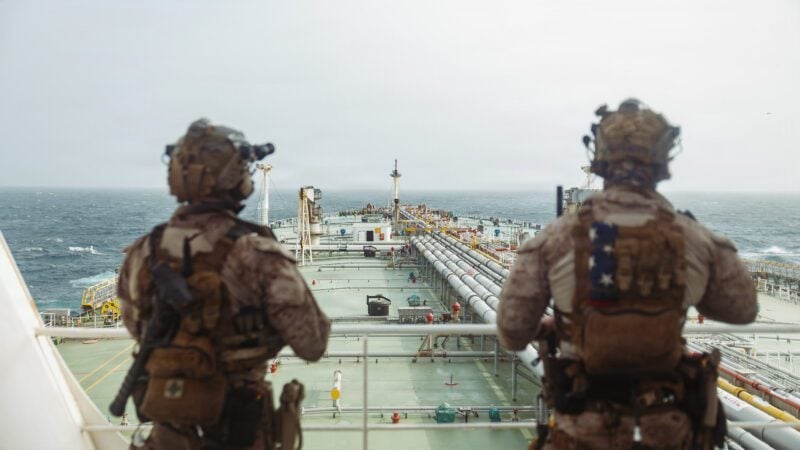
- U.S. forces very likely expanded strikes inside Iran on 16-17 July, hitting bridges, an airport, air defence and logistics sites in Hormozgan, and destroying a port surveillance tower, while enforcing a renewed maritime blockade through boardings and disabling non‑compliant tankers. (Confidence: high · REPORTED)
- I&W: CENTCOM issues detailed battle damage assessment naming the struck bridge, airport and defence sites (0-14 days)
- I&W: Open‑source satellite imagery shows persistent damage to the reported targets (0-14 days)
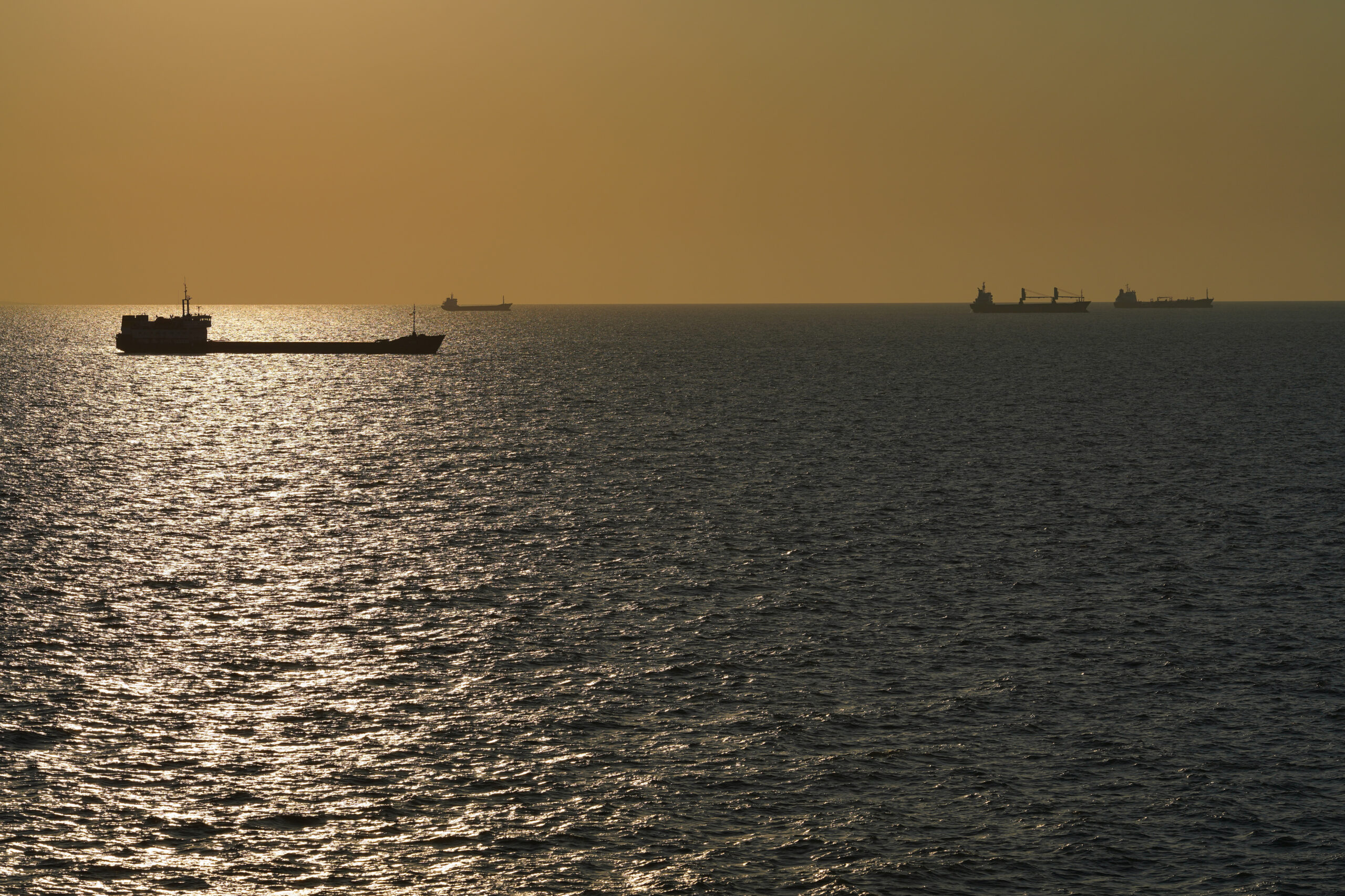
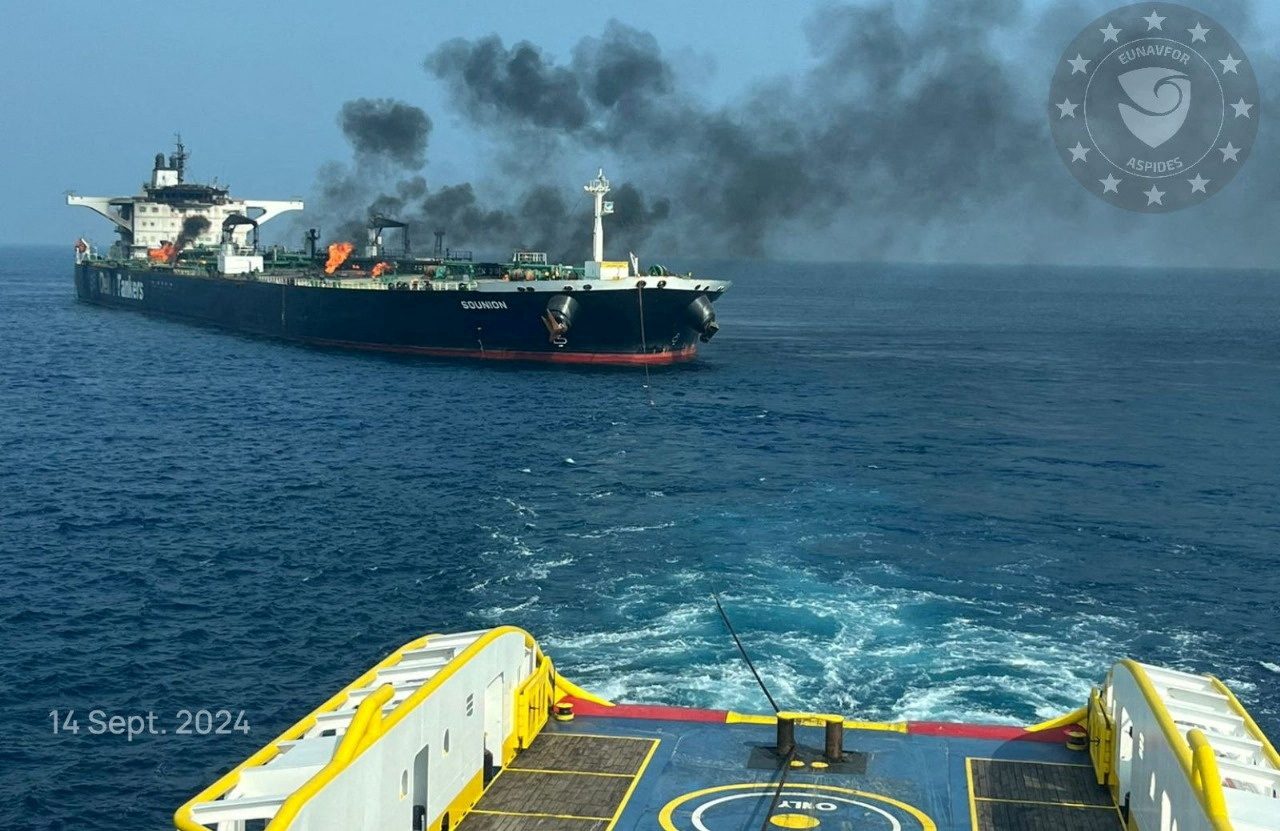
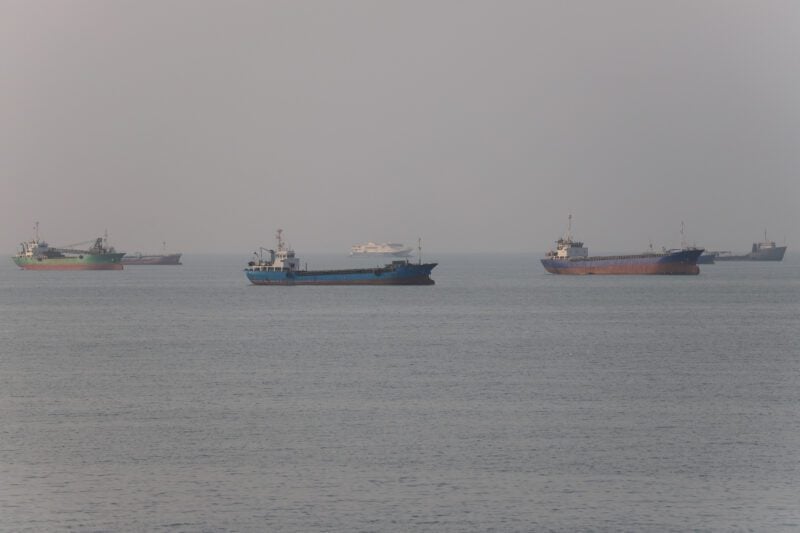
- Commercial traffic through the Strait of Hormuz is very likely heavily constrained, with transits and loadings down by roughly half and multiple Iran‑linked tankers reversing course; there is a roughly even chance that the waterway is not fully closed despite Tehran’s closure announcement and contrary U.S. assertions. (Confidence: medium · ASSESSED)
- I&W: Kpler or AXSMarine data show daily Hormuz crossings and crude/condensate loadings at or below half of pre‑July baselines (0-14 days)
- I&W: India rescinds guidance restricting deployment of Indian seafarers through Hormuz (1-3 months)
- Oil benchmarks are likely to remain elevated in the near term, with Brent recently in the mid‑$80s following a near 10 percent weekly rise tied to curtailed Hormuz flows. (Confidence: medium · ASSESSED)
- I&W: ICE Brent settles at or above $86-88 for multiple trading sessions (0-14 days)
- I&W: Kpler reports Hormuz crude/condensate volumes rising toward pre‑crisis levels (0-14 days)
- U.S. strikes have likely caused substantial damage to Iran’s power grid and civilian infrastructure, with Iranian officials citing about $1 billion in grid losses, more than 2,000 damaged points and a 4,200‑MW capacity reduction, alongside at least seven fatalities reported on 17 July and broader casualty tallies in recent weeks. (Confidence: medium · ASSESSED)
- I&W: Tavanir issues continued load‑shedding schedules and repair tenders referencing the cited damage (0-14 days)
- I&W: Independent imagery and local reporting show rapid restoration inconsistent with the claimed damage scale (1-3 months)
- Tehran very likely intends to sustain pressure on U.S. forces and partners around the Gulf and in adjacent maritime chokepoints while avoiding direct confrontation with Israel, and has signalled potential activation of Houthi capabilities to threaten the Red Sea. (Confidence: low · ASSESSED)
- I&W: Houthi‑claimed missile or drone attacks target Bab el‑Mandeb or Red Sea shipping (1-3 months)
- I&W: Iran publicly disavows closure of Red Sea routes and reduces cross‑border launches for at least two weeks (0-14 days)
- Negotiations have made little progress and both sides are in a delicate escalatory phase, although senior U.S. messaging signals limits on sustained bombing. (Confidence: medium · ASSESSED)
- I&W: No new substantive U.S., Iran deliverables are announced and strike tempo persists (0-14 days)
- I&W: Publicly acknowledged de‑escalatory steps or a backchannel framework emerges (1-3 months)
Outlook & scenarios
Prolonged Gulf confrontation with constrained Hormuz and continued U.S., Iran strikes (60%)
Over the next month, CENTCOM sustains maritime interdictions and selective strikes on Iranian military and maritime‑enabling targets, and Iran maintains missile and drone attacks against U.S.-linked facilities in Kuwait, Qatar and Bahrain. Hormuz crossings and loadings remain depressed by roughly half, and Brent trades in the mid‑$80s pending any supply rerouting.
Spillover to the Red Sea via Houthi activation (40%)
Within weeks, Tehran enables Houthi action against Bab el‑Mandeb and Red Sea shipping, aligning with prior requests to close the route. Attacks from Yemen disrupt tanker routes and raise insurance and freight costs, pushing oil higher and widening the area of elevated maritime risk beyond Hormuz.
Fragile pause with tacit limits on strikes and partial maritime recovery (30%)
A tacit pause emerges as Washington tempers strike tempo and Tehran limits launches. Negotiations still make little formal progress, but shipping begins a partial recovery as advisories ease and more vessels transit under escort or adjusted routing.
Recommendations
- Produce a daily fused maritime picture for Hormuz and the Gulf of Oman using AIS, satellite feeds and datasets from Kpler and AXSMarine to quantify crossings, loadings and vessel U‑turns.
- Prioritise collection and geolocation of the Kuwaiti power/desalination strike site and the reported Doha blast areas; corroborate with satellite imagery and official repair notices.
- Task collection against IRGC launch areas and the claimed strikes on U.S. maritime surveillance sites in Oman to validate range and targeting performance.
- Maintain a verifiable ledger of CENTCOM interdictions and boardings, including vessel identity, flag, routing and outcomes, to assess blockade effectiveness and compliance trends.
- Stand up an indicators-and-warnings matrix for potential Bab el‑Mandeb closure: monitor Houthi media, missile and drone movements around Hodeidah and inland, and advisories from UKMTO and INTERTANKO.
- Engage regional reporting channels in Bahrain, Qatar and Kuwait for official damage assessments and casualty updates tied to the 17 July strikes.
- Link oil‑market monitoring to maritime flow data: track Brent moves alongside observed transit volumes and strike tempo to inform short‑term price risk estimates.
Confidence & uncertainty
Overall confidence is low. Several core elements, like U.S. strikes inside Iran and Iranian attacks on U.S.-linked sites in Kuwait, Qatar and Bahrain, are reported by multiple major outlets. However, key uncertainties remain: reporting conflicts on the operational status of the Strait of Hormuz, with parallel claims of closure and of U.S. forces keeping it open; loadings and transit baselines vary by source; casualty figures rely largely on Iranian state or provincial authorities and differ across timeframes; and some forward‑looking assessments about potential Houthi actions rest on single‑sourced or anonymous reporting. Date and location discrepancies on certain actions and boardings further depress confidence.
Alternative analysis (red cell)
The reporting corpus is concentrated in a few clusters and government-sourced figures, producing echo and corroboration risks and inconsistent quantitative claims (notably on strike dates, ship-flow reductions, and oil-price moves). A defensible alternative is that the situation currently reflects selective kinetic actions, strategic messaging, and localized maritime disruptions rather than a uniformly applied Iranian mass-strike campaign or a fully reinstated US blockade; independent technical and on‑the‑ground corroboration is required to resolve competing narratives.
Intelligence gaps
- [EEI 1.1 · UNCOVERED] Concentrations or unusual movements of IRGC-Navy fast attack craft, small boat swarms, or escort vessels within 200 km of U.S./allied ships, including approach distances and formation changes. Recommended collection: maritime/AIS
- [EEI 1.2 · UNCOVERED] Detected pre-launch activity at coastal missile or rocket batteries (vehicle dispersal, fuel/warhead handling, radars powering up, transport erector launchers moving to firing positions). Recommended collection: imagery/signals
- [EEI 1.3 · UNCOVERED] Increased launch/arming/positioning of armed UAVs (MALE/loitering munitions) or tactical aircraft at Iranian coastal bases with sortie generation rates and munitions loadouts. Recommended collection: air/ADS-B/imagery
- [EEI 1.4 · PARTIAL] Command-and-control indications of attack orders or elevated rules-of-engagement from IRGC/General Staff (intercepted communications, internal order messages, force-wide alert messages). Recommended collection: signals/human
- [EEI 2.1 · PARTIAL] Public statements or state-media broadcasts from Supreme Leader, President, Minister of Defense, or IRGC commanders indicating authorization, restraint, or conditions for retaliation. Recommended collection: open-source
- [EEI 2.2 · UNCOVERED] Issuance of formal orders, mobilization directives, travel restrictions, or official internal communications within IRGC/Armed Forces indicating escalation posture or stand-down. Recommended collection: human/diplomatic
- [EEI 2.3 · UNCOVERED] Directives, logistics movements, or communications from Iranian commanders to regional proxy militias (Houthis, Iraqi Shia militias, Lebanese groups) that change their threat posture or task them with specific operations. Recommended collection: signals/human
- [EEI 2.4 · PARTIAL] Changes in Iran's diplomatic exchanges with key states (offers of negotiation, warnings, or coordination with Russia/China) or requests for deconfliction with maritime/naval actors. Recommended collection: diplomatic
- [EEI 3.1 · PARTIAL] Incidents involving commercial vessels within the Strait of Hormuz or Persian Gulf: attacks, boarding attempts, near-misses, AIS spoofing or deliberate AIS outages, including vessel IDs and locations. Recommended collection: maritime/AIS
- [EEI 3.2 · PARTIAL] Discovery or reporting of naval mines, unexploded ordnance, or damage to fixed maritime infrastructure (oil platforms, terminals, pipelines) with geolocated imagery or on-scene assessments. Recommended collection: imagery/open-source
- [EEI 3.3 · PARTIAL] Commercial indicators of disruption: sudden increases in war-risk insurance premiums for Gulf transits, vessel re-routing decisions, port throughput reductions, or charter cancellations for Gulf shipments. Recommended collection: financial/commercial
- [EEI 3.4 · UNCOVERED] Movements or posture changes of regional state navies/air forces (Saudi, UAE, Kuwait, Bahrain, UK) such as task group departures, airbase dispersals, or announced maritime patrols near choke points. Recommended collection: open-source/imagery
Cited sources
[1] gcaptain.com · US, Iran Each Attack Infrastructure in Risky Escalation (B) · sha256:b9c67f2f7073 [2] insurancejournal.com · US, Iran Each Attack Infrastructure in Risky Escalation of Conflict (A) · sha256:f00153a2305e [3] BBC · Iran accuses US of hitting civilian infrastructure (A) · sha256:904fcb638af2 [4] wxxinews.org · U.S. strikes bridges in Iran; Tehran targets U.S. bases in the Gulf (A) · sha256:2a595d4cc7d7 [5] The Jerusalem Post · Live Updates: Latest from Israel, Iran, and Middle East | The Jerusalem Post (A) · sha256:c80ca97c14ac [6] maritime-executive.com · U.S. Intensifies Attacks on Iranian Ports in Sixth Day of Bombing Campaign (B) · sha256:20f8e1c381bf [7] BBC News Русская служба · США и Иран снова воюют? Текстовая версия подкаста «Что это было?» с иранистом Никитой СмагинымОбъясняет ЭКСПЕРТ - BBC News Русская служба (A) · sha256:3e4f974e1e1b [8] maritime-executive.com · Video: U.S. Marines Board Falsely-Flagged Tanker in Gulf of Oman (B) · sha256:e281c23f780e [9] gcaptain.com · Iran-Linked Tankers U-Turn, Zig-Zag as US Enforces Blockade (A) · sha256:d77c878bc21a [10] The Guardian · US intensifies attacks on Iran as Tehran hits back at Gulf states (A) · sha256:59dbbdecadcf [11] gcaptain.com · INTERTANKO Warns Threat to Shipping Now Extends Across Gulf Region as Hormuz Transits Continue to Fall (C) · sha256:28fdd0e7ea33 [12] gcaptain.com · Trump Confronts Limits to US Power to Secure Strait of Hormuz (B) · sha256:b4a10a70ba20 [13] New York Post · US bombardment of Iran is Trump's warning to the mullahs he's willing to destroy power plants, bridges: expert (B) · sha256:c168008c1adb [14] CBS News · Iran War Updates: Strait of Hormuz "back to the worst case scenario" amid escalating attacks, analyst says (A) · sha256:6bfc3e07687b [15] ynetnews.com · Iran’s calculated gamble: Keep Israel out, turn Hormuz into the battlefield (B) · sha256:caf5ac3ad6f2 [16] Associated Press · Hopes for US-Iran diplomacy still alive as fighting intensifies over the Strait of Hormuz (A) · sha256:ad81f7cfb9d4 [17] gcaptain.com · Iran Tells Houthis to Close Red Sea Gateway if U.S. Hits Power Network (A) · sha256:abe44a38e718
Source content hashes were computed at collection time; the cited text is preserved unmodified for the life of this product.
Red cell review: PARTIAL DISSENT
TLP:CLEAR