TLP:CLEAR · Disclosure is not limited.
Persian Gulf: U.S., Iran Exchanges Escalate After Attacks on Tankers; Hormuz Threat Level Severe
Time window: Last 1 day · Audience: General analyst · Type: Situation report · DTG: 2026-07-08 12:42Z · Overall confidence: MEDIUM
BLUF
CENTCOM struck more than 80 targets in Iran after three vessel attacks near the Strait of Hormuz, and Iran claimed retaliatory drone and missile strikes on U.S.-linked sites in Bahrain and Kuwait. Maritime risk at Hormuz is assessed Severe as Iran tightens control of routing and the U.S. reinstates oil sanctions, making further exchanges likely in the near term.
Executive summary
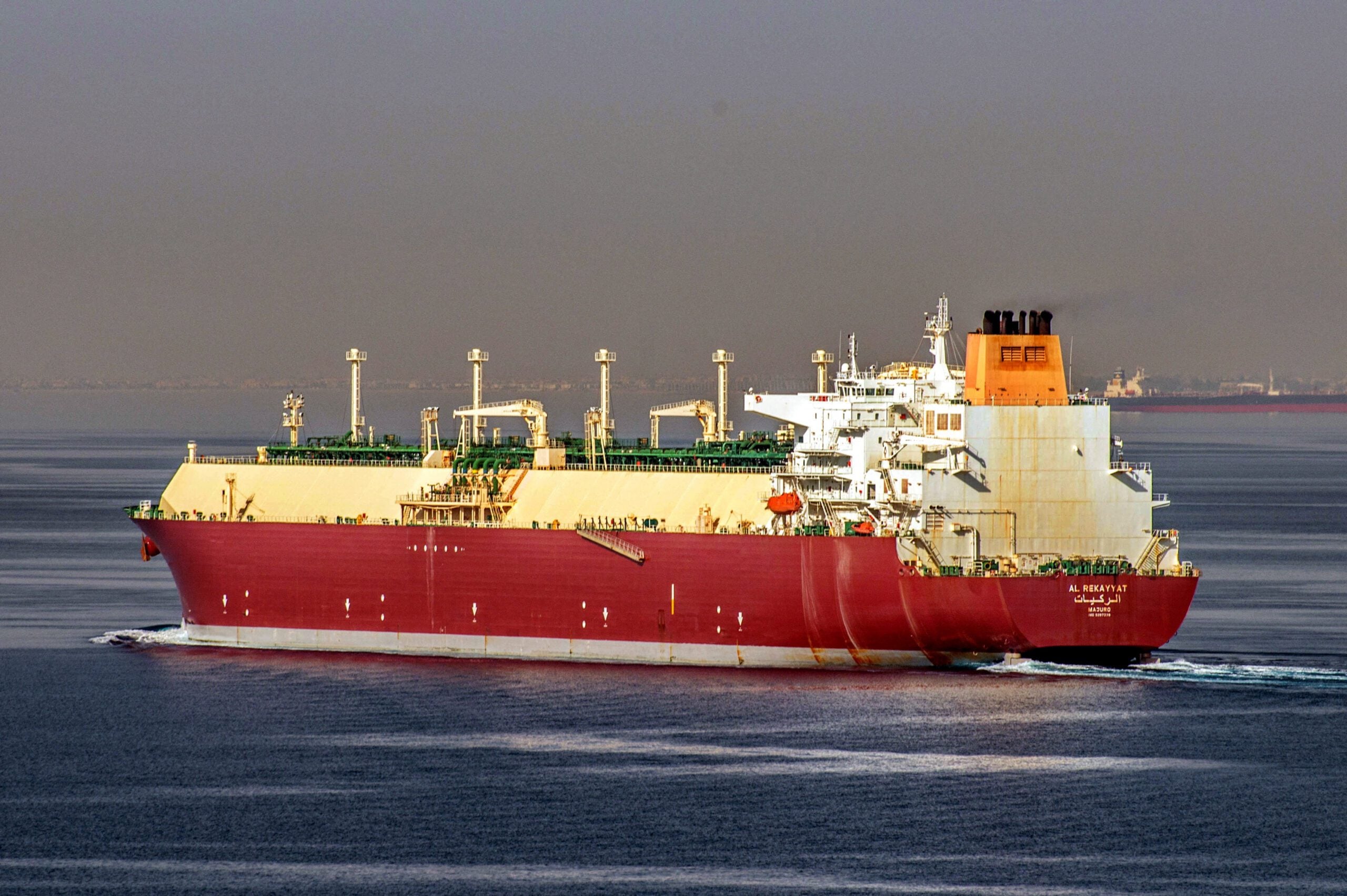
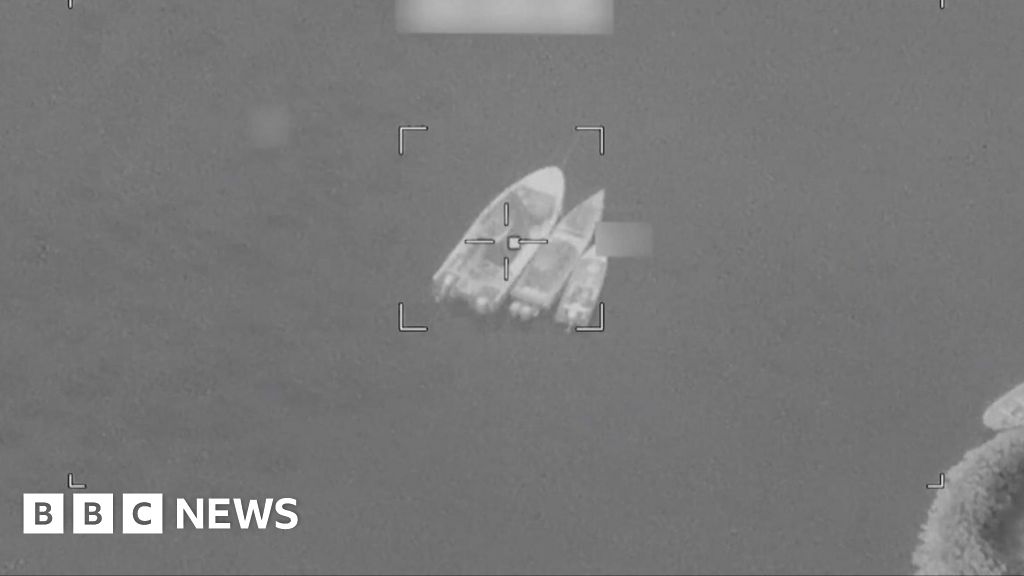
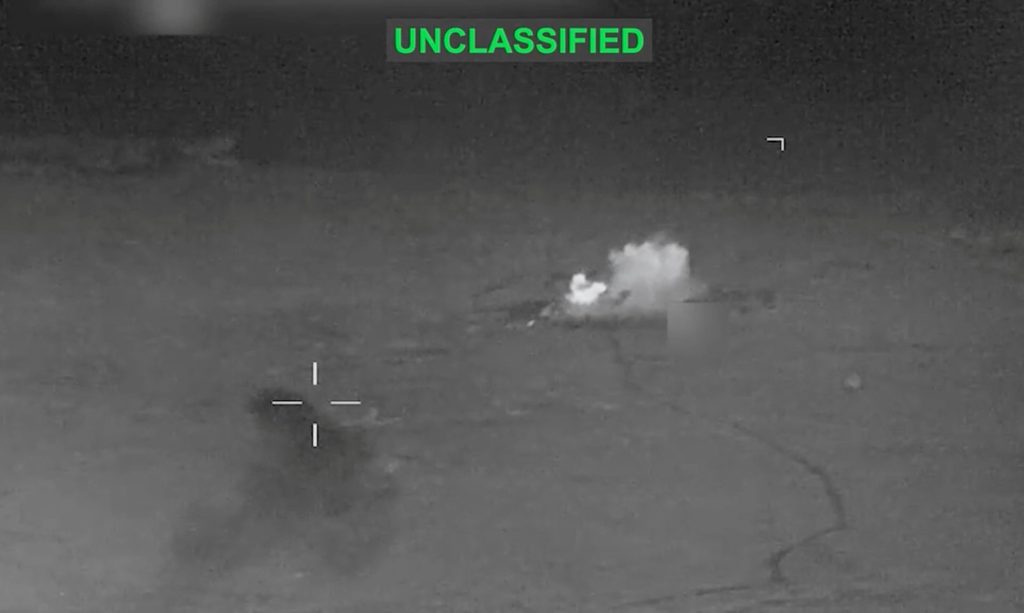
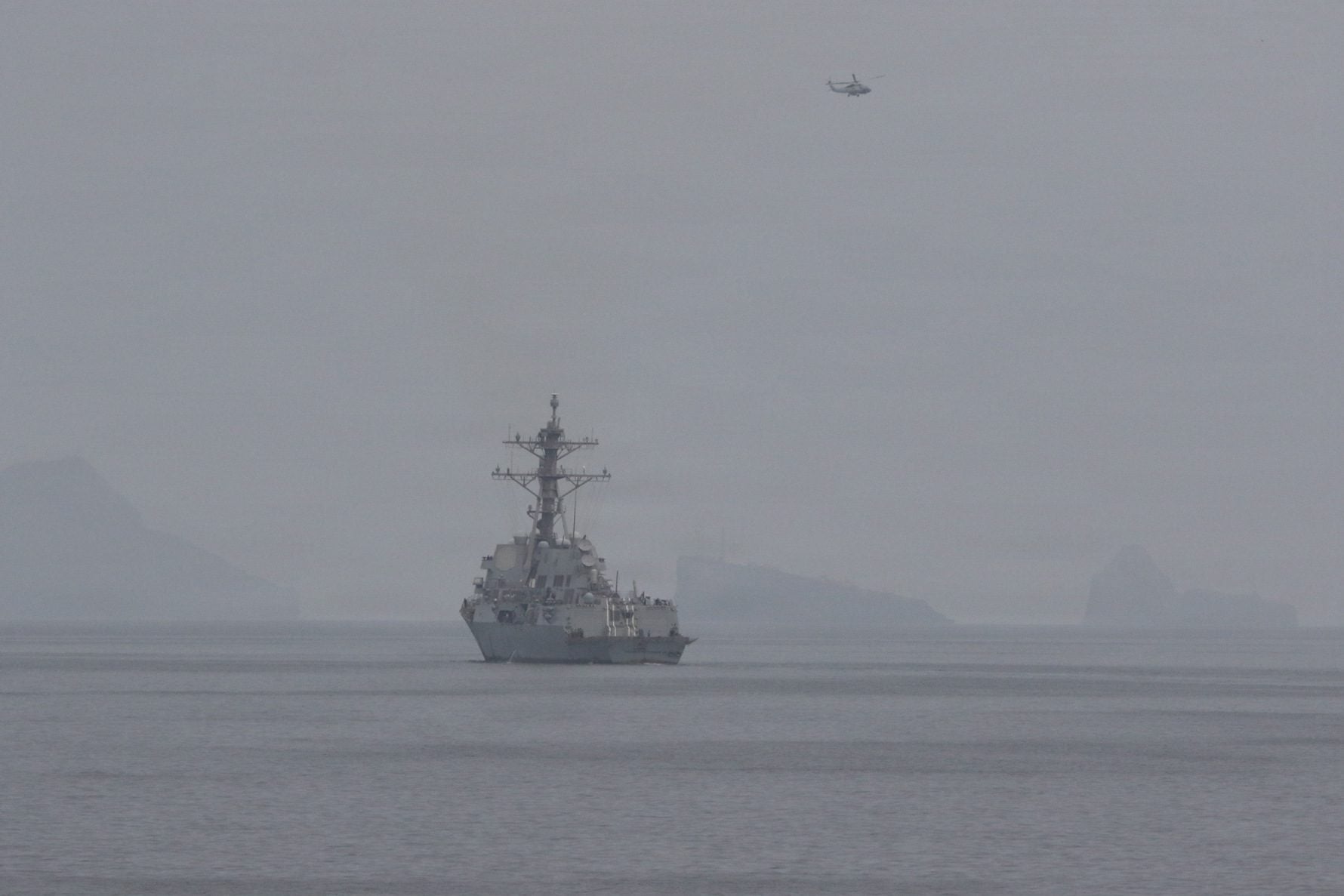
U.S. Central Command conducted large-scale strikes against Iranian military targets including air defence, command-and-control, coastal radars, anti-ship positions and over 60 IRGC small craft around Bandar Abbas, Qeshm and Sirik, following attacks on three tankers transiting near Oman and the Strait of Hormuz. Iran has not accepted responsibility for the vessel attacks, but Qatar condemned the strike on LNG carrier Al Rekayyat and blamed Tehran. Iran’s IRGC claimed retaliatory strikes on 85 U.S. military targets in Bahrain and Kuwait as missile alerts sounded in both states, though damage details remain unclear. Iran is asserting control over Hormuz transits through a mandated “safe route” and a new strait authority while mine-risk reporting and European de-mining planning focus on Omani waters. Washington revoked oil-sales permissions tied to the interim deal and reimposed sanctions on Iranian oil. The Joint Maritime Information Center’s assessment for Hormuz is Severe.
Change from previous assessment
Since the prior brief, U.S. forces struck more than 80 targets in Iran and Iranian forces claimed retaliation on 85 U.S.-linked targets in Bahrain and Kuwait, with missile alerts in both states. Washington revoked oil-sales permissions tied to the interim arrangement and reimposed sanctions on Iranian oil. Iran’s routing enforcement has been formalised with a new strait authority and a mandated ‘safe route’, while European mine-hunting preparations in Omani waters advanced. The status of Al Rekayyat is clearer, with crew evacuated, LNG containment intact and salvage pending. Overall, the escalation ladder has shortened, and confidence on strike activity has increased while attribution for ship attacks remains medium.
Key judgments
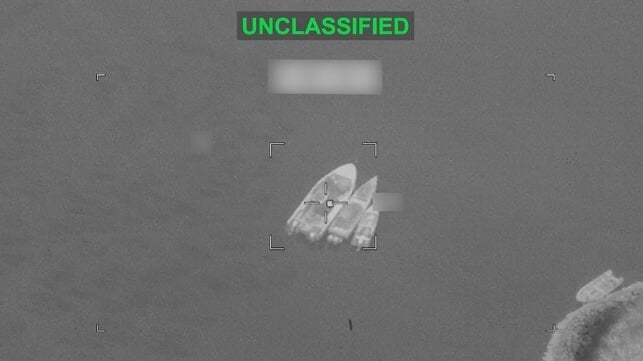
- CENTCOM almost certainly struck more than 80 IRGC-linked targets in and around Bandar Abbas, Qeshm and Sirik on 7-8 July, hitting air defence systems, command-and-control nodes, coastal radars, anti-ship sites and over 60 small craft. (Confidence: high · REPORTED)
- I&W: Commercial satellite or SAR imagery shows destroyed air defence sites and damaged piers or small-craft facilities at Bandar Abbas, Qeshm or Sirik consistent with strike claims. (0-14 days)
- I&W: Iranian state media or MOD publishes verifiable imagery showing minimal damage at named sites, contradicting CENTCOM’s target set. (0-14 days)
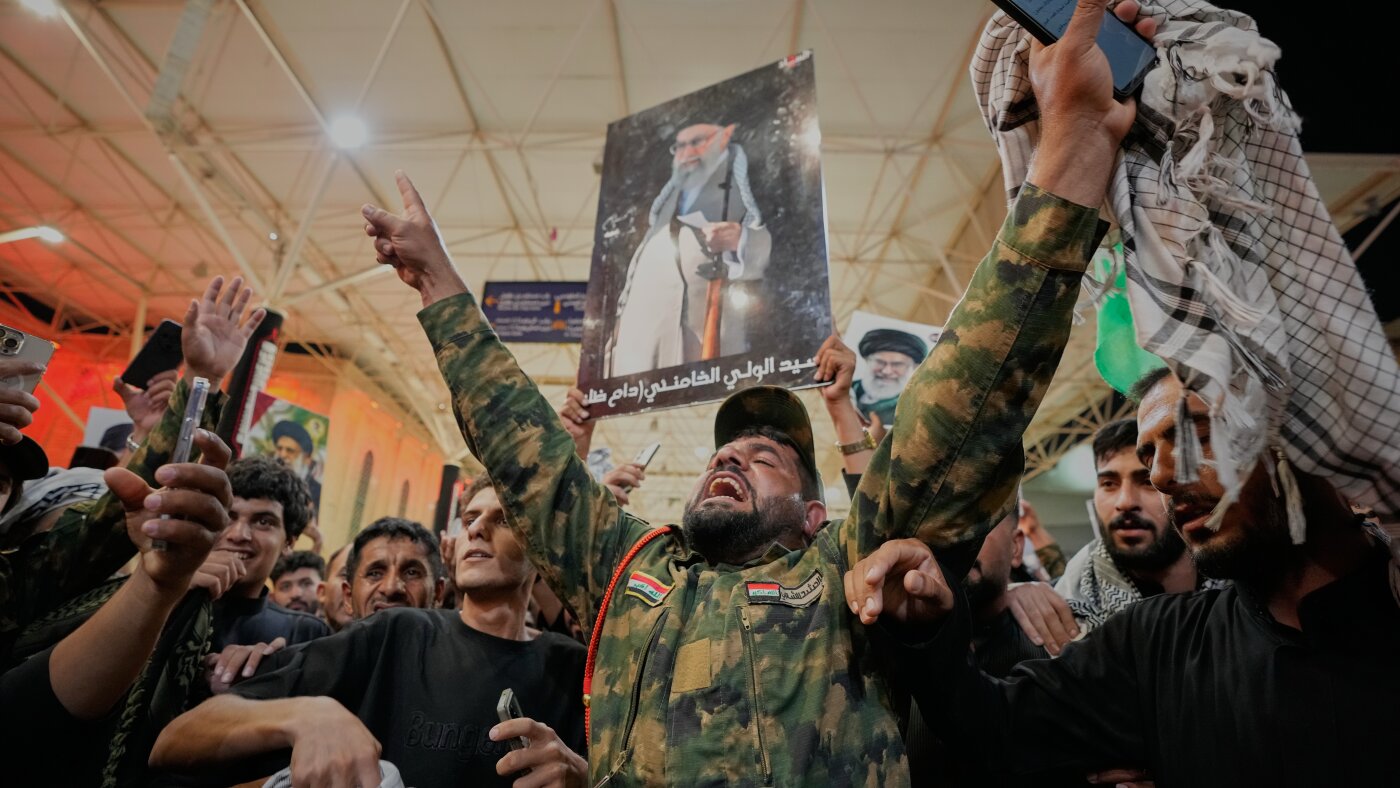
- Iran’s IRGC very likely launched retaliatory drone and missile attacks targeting U.S.-linked sites in Bahrain and Kuwait on 7-8 July, with sirens sounding in both countries, though the extent of damage remains unconfirmed. (Confidence: medium · ASSESSED)
- I&W: Official Bahraini or Kuwaiti reporting of recovered debris with Iranian markings or technical signatures and confirmed impact sites. (0-14 days)
- I&W: U.S., Bahraini or Kuwaiti defence authorities state all inbound systems were intercepted with no ground impacts. (0-14 days)
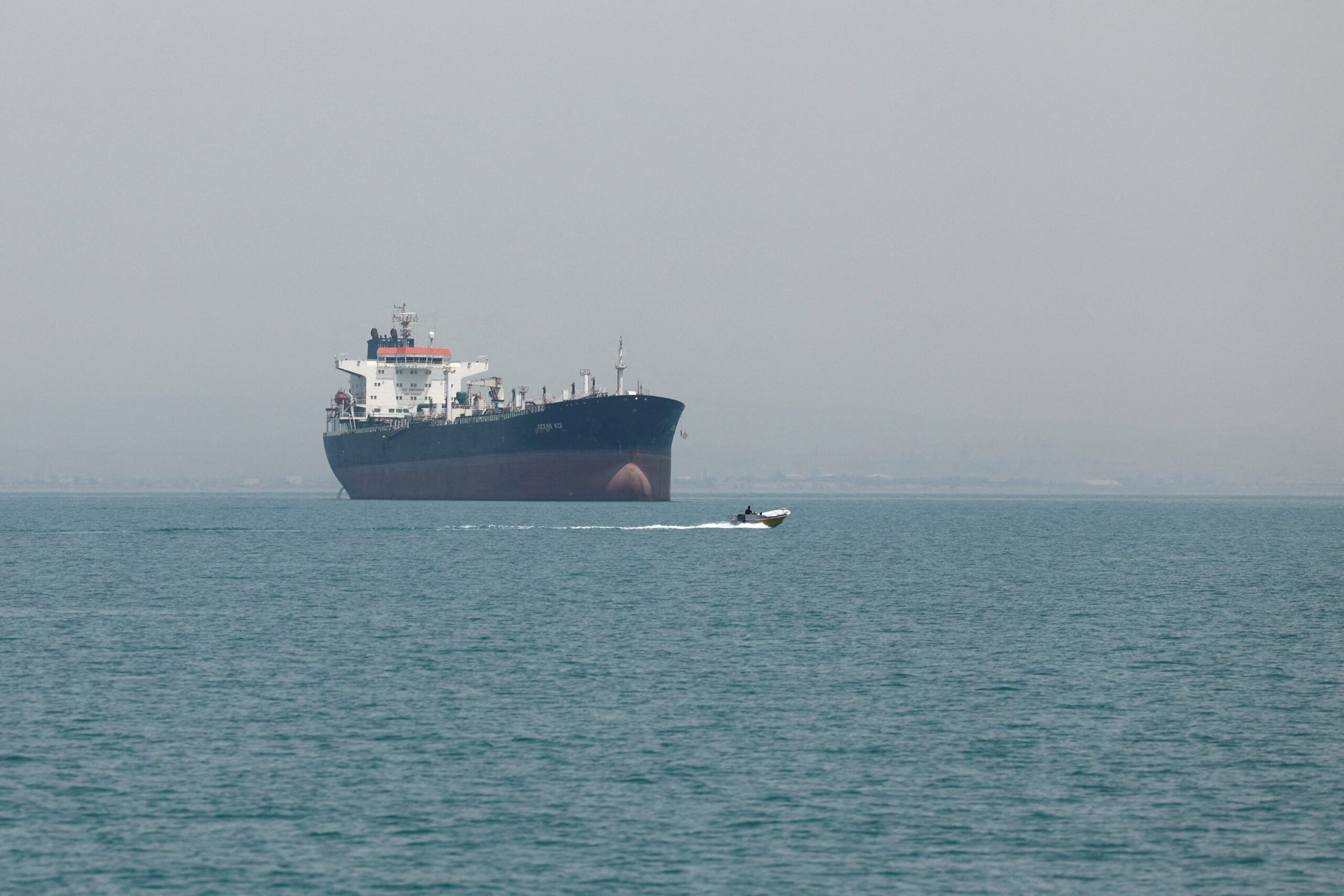
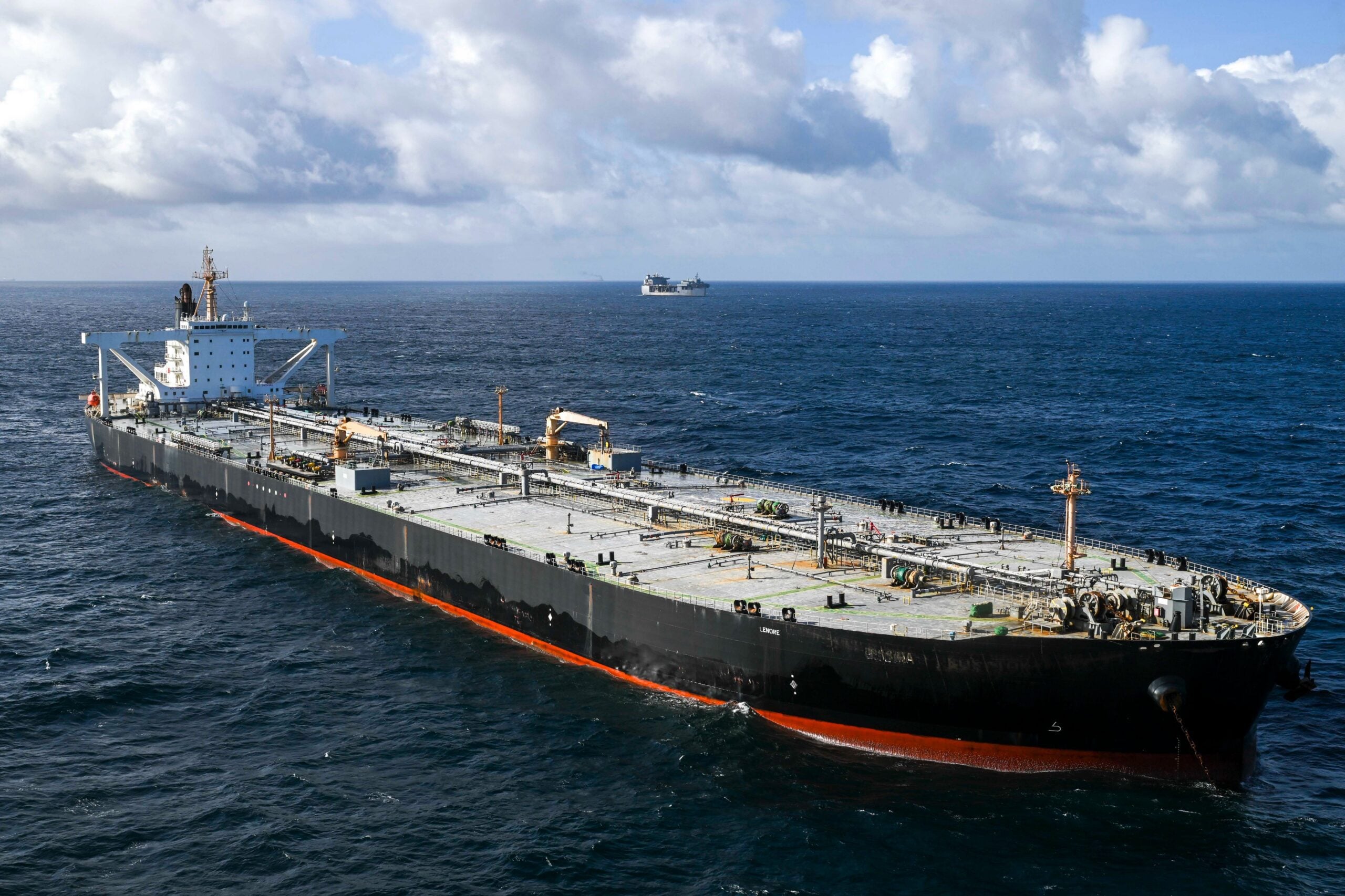
- Iranian forces likely conducted the attacks on at least three commercial vessels near Oman and the Strait of Hormuz on 6-7 July, including Qatar-flagged LNG carrier Al Rekayyat and Saudi-flagged VLCC Wedyan, which prompted the U.S. strikes, although Tehran has not claimed responsibility. (Confidence: medium · ASSESSED)
- I&W: Forensic analysis of debris or telemetry ties weapons used against Al Rekayyat or Wedyan to IRGC systems. (0-1 month)
- I&W: Credible third-party evidence attributes one or more of the three ship attacks to a non-Iranian actor. (0-1 month)
- The maritime threat environment in and adjacent to the Strait of Hormuz is very likely to remain Severe in the coming weeks as Iran enforces coercive routing, asserts control over transits and mine risk persists while European de-mining in Omani waters is prepared but politically contested. (Confidence: high · ASSESSED)
- I&W: JMIC or UKMTO advisories maintain a Severe risk posture for Hormuz and report additional mine or EOD detections in Omani waters. (0-1 month)
- I&W: Iran publicly rescinds its ‘safe route’ directive or jointly endorses an Omani-led corridor with active allied mine countermeasures underway. (1-3 months)
- Washington revoked oil-sales permissions linked to the interim deal and reimposed sanctions on Iranian oil on 7-8 July, almost certainly tightening economic pressure in tandem with military action. (Confidence: high · REPORTED)
- I&W: U.S. Treasury sanctions notices and guidance reflect revocation of oil-sales permissions and list newly sanctionable activity. (0-14 days)
- I&W: Official clarification reauthorises oil transactions under the interim framework. (0-14 days)
- Additional U.S., Iran exchanges are likely in the near term as both sides signal the ceasefire is over and vow further measures, keeping Bahrain and Kuwait at risk of renewed alerts. (Confidence: medium · ASSESSED)
- I&W: New CENTCOM release on follow-on strikes or Iranian announcements of further missile or drone launches toward Gulf states. (0-14 days)
- I&W: Readouts indicating renewed U.S., Iran talks or an Oman- or Qatar-brokered de-escalation channel. (0-1 month)
- LNG carrier Al Rekayyat remains disabled and awaiting salvage near Hormuz with all crew evacuated, LNG tanks intact and support craft alongside. (Confidence: high · REPORTED)
- I&W: AIS and tug tracking show salvage tow commences from the casualty position toward Omani ports. (0-14 days)
- I&W: Reports indicate renewed fire, loss of containment or abandonment of salvage effort. (0-14 days)
Outlook & scenarios
Contained tit-for-tat with persistent shipping risk (60%)
U.S. conducts limited follow-on strikes against coastal batteries and IRGC small craft; Iran answers with additional drones or missiles toward U.S.-linked facilities in Bahrain or Kuwait, mostly intercepted. Iran maintains enforced routing and threats around Hormuz while European mine-hunters prepare a confined operation in Omani waters. JMIC keeps the risk level at Severe and commercial traffic continues with delays and diversions.
Escalatory spiral and attempted choke on Hormuz (30%)
An Iranian strike causes casualties at a U.S. facility in Bahrain or Kuwait, prompting expanded U.S. attacks on IRGC infrastructure across Iran’s coast. Iran accelerates mine-laying and anti-ship missile posturing, seeking to channel or halt traffic along the Iranian-controlled route. Energy prices spike and allied de-mining becomes a multinational effort, with sharp interruptions to tanker transits.
Managed de-escalation and guarded corridor (20%)
Back-channel engagement involving Oman and Qatar reduces strike tempo. Iran tacitly narrows enforcement to an informational regime while Europeans start a limited de-mining sweep inside Omani waters. A guarded ‘southern’ corridor functions with escorts and routing advisories, and shipping normalises gradually though the threat level remains elevated.
Low-probability wildcard: Misfire hits third-country assets (10%)
An errant missile or drone impacts Saudi or Emirati infrastructure, drawing Riyadh or Abu Dhabi into joint response operations alongside the U.S. This broadens the battlespace beyond Bahrain and Kuwait and risks coordinated strikes on Iranian coastal military sites.
Recommendations
- Task a rapid battle-damage assessment using commercial EO/SAR over Bandar Abbas, Qeshm and Sirik to validate the scope of strikes and monitor IRGC small-craft basing.
- Establish an incident log that fuses UKMTO, JMIC and operator reporting on the three tanker attacks, including debris forensics and AIS tracks, to firm up attribution and attack profiles.
- Issue updated routing guidance to U.S. government-affiliated and U.S.-insured shipping transiting Hormuz, reflecting Iran’s ‘safe route’ directive and the JMIC Severe assessment, and capture deviations.
- Monitor Bahraini and Kuwaiti defence channels for confirmed impacts or debris recovery tied to Iranian systems to gauge Iran’s strike efficacy and escalation trajectory.
- Track U.S. sanctions actions and industry advisories on Iranian oil, mapping likely enforcement vectors and compliance exposure for shippers, refiners and traders.
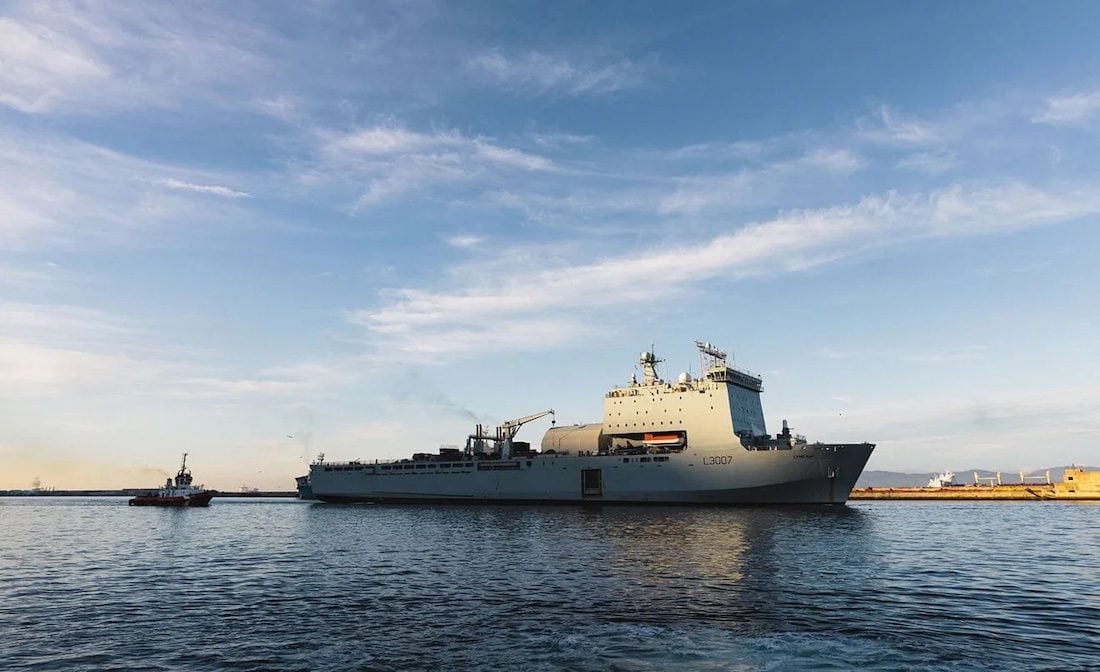
- Coordinate with partners on European mine countermeasures planning in Omani waters and watch for Iranian diplomatic or naval moves to contest or obstruct the effort.
Confidence & uncertainty
Multiple independent, high-reliability reports corroborate the U.S. strikes on more than 80 targets and the sequence of tanker attacks and missile alerts in Bahrain and Kuwait. Iran’s responsibility for the vessel attacks is contested and Tehran has not claimed them, which lowers confidence on direct attribution. Claims of Iranian retaliatory impacts lack detailed, confirmed damage reporting. Sanctions actions are reported across several sources but differ in framing between waiver revocation and reimposition, though they point in the same direction. These gaps and minor inconsistencies support a medium overall confidence.
Alternative analysis (red cell)
Open‑source reporting indicates strikes, alarms and vessel incidents occurred, but much supporting evidence is self‑reported, medium/low Admiralty, or contradictory (see tradecraft_lint_findings: contradiction_unaddressed and multiple contradictions entries). A cautious alternative assessment is that kinetic events and alerts took place while attribution, the scale of damage, and the legal/economic impact of sanctions remain provisional pending independent battle‑damage assessments, forensic evidence, and official documentation.
Intelligence gaps
- [EEI 1.1 · PARTIAL] Concentrations or unusual movements of IRGC-Navy fast attack craft, small boat swarms, or escort vessels within 200 km of U.S./allied ships, including approach distances and formation changes. Recommended collection: maritime/AIS
- [EEI 1.2 · PARTIAL] Detected pre-launch activity at coastal missile or rocket batteries (vehicle dispersal, fuel/warhead handling, radars powering up, transport erector launchers moving to firing positions). Recommended collection: imagery/signals
- [EEI 1.3 · PARTIAL] Increased launch/arming/positioning of armed UAVs (MALE/loitering munitions) or tactical aircraft at Iranian coastal bases with sortie generation rates and munitions loadouts. Recommended collection: air/ADS-B/imagery
- [EEI 1.4 · UNCOVERED] Command-and-control indications of attack orders or elevated rules-of-engagement from IRGC/General Staff (intercepted communications, internal order messages, force-wide alert messages). Recommended collection: signals/human
- [EEI 2.2 · PARTIAL] Issuance of formal orders, mobilization directives, travel restrictions, or official internal communications within IRGC/Armed Forces indicating escalation posture or stand-down. Recommended collection: human/diplomatic
- [EEI 2.3 · UNCOVERED] Directives, logistics movements, or communications from Iranian commanders to regional proxy militias (Houthis, Iraqi Shia militias, Lebanese groups) that change their threat posture or task them with specific operations. Recommended collection: signals/human
- [EEI 2.4 · PARTIAL] Changes in Iran's diplomatic exchanges with key states (offers of negotiation, warnings, or coordination with Russia/China) or requests for deconfliction with maritime/naval actors. Recommended collection: diplomatic
- [EEI 3.3 · PARTIAL] Commercial indicators of disruption: sudden increases in war-risk insurance premiums for Gulf transits, vessel re-routing decisions, port throughput reductions, or charter cancellations for Gulf shipments. Recommended collection: financial/commercial
Cited sources
[1] Al Jazeera · Why have US-Iran strikes resumed and what does it mean for peace? (A) · sha256:33fed5272a61 [2] newsweek.com · Former NATO commander says Trump has 3 options on Iran amid new strikes (B) · sha256:b48f4e699003 [3] maritime-executive.com · U.S. and Iran Trade Retaliatory Strikes in Contest for Control of Hormuz (B) · sha256:a4022868ccef [4] npr.org · Tehran targets Bahrain and Kuwait after U.S. strikes (A) · sha256:6ec972c3a9e8 [5] nypost.com · US military unleashes 'powerful strikes' on Iran to impose 'heavy costs' for cease-fire violation (B) · sha256:a98a9eb62cd9 [6] tovima.com · U.S. and Iran Exchange Strikes in Latest Threat to Fragile Ceasefire - tovima.com (B) · sha256:89c894a22c9e [7] BBC · Fire blazes in Iran after US strikes (A) · sha256:ee432d8f0479 [8] jpost.com · Iran targets 85 US military sites in Bahrain, Kuwait following Strait of Hormuz strikes (B) · sha256:25c8b46bf49e [9] jpost.com · Iran’s Hormuz escalation tests Gulf states, US resolve - analysis (B) · sha256:d41422676e5d [10] gcaptain.com · Three Tankers Attacked Near Strait of Hormuz as JMIC Warns of 'Severe' Threat (B) · sha256:e24de03a6861 [11] gcaptain.com · U.S. Revokes Iran Oil Waiver After Hormuz Attacks, Launches New Military Strikes (B) · sha256:1706e927a186 [12] gcaptain.com · Trump Says US Ceasefire With Iran Is ‘Over’ After Strikes (A) · sha256:fb51eb27aee1 [13] gcaptain.com · Hormuz Strikes Threaten Progress on Europe’s De-mining Mission (B) · sha256:39eabf55bccb [14] gcaptain.com · Iran Mining Hormuz to Funnel Ships Into Its Waters, U.S. Navy Says (A) · sha256:d791115064e1 [15] bbc.co.uk · Trump says ceasefire is 'over' after US and Iran trade strikes (A) · sha256:03cd4c24722a [16] gcaptain.com · Damaged Qatari LNG Tanker Awaits Salvage After Strike Near Hormuz (A) · sha256:2e441f3fdc94
Source content hashes were computed at collection time; the cited text is preserved unmodified for the life of this product.
Red cell review: PARTIAL DISSENT
TLP:CLEAR