TLP:CLEAR · Disclosure is not limited.
Persian Gulf: U.S., Iran Exchanges Escalate; Hormuz Threat Level Raised and Shipping Hit
Time window: Last 1 day · Audience: General analyst · Type: Situation report · DTG: 2026-06-28 08:26Z · Overall confidence: LOW
BLUF
Kinetic exchanges between U.S. forces and Iran intensified around 27-28 June, with U.S. strikes inside Iran following an Iranian drone attack on the Panama‑flagged M/T Kiku, while Bahrain and Kuwait reported Iranian attacks and air defence activity. The Joint Maritime Information Center raised Hormuz to substantial risk as multiple merchant vessels reported strikes and mine hazards persist, putting the interim arrangement under acute strain.
Executive summary
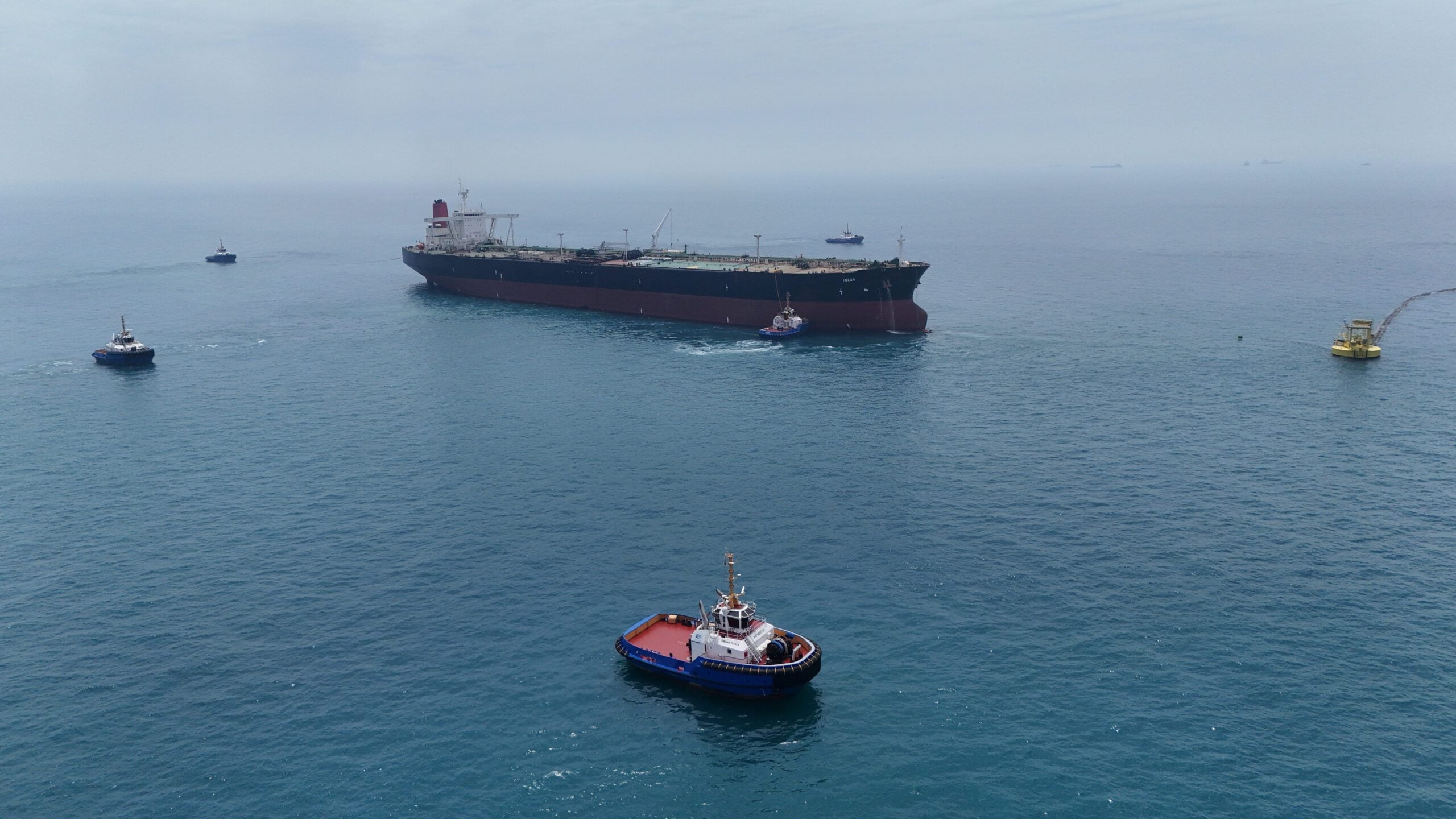
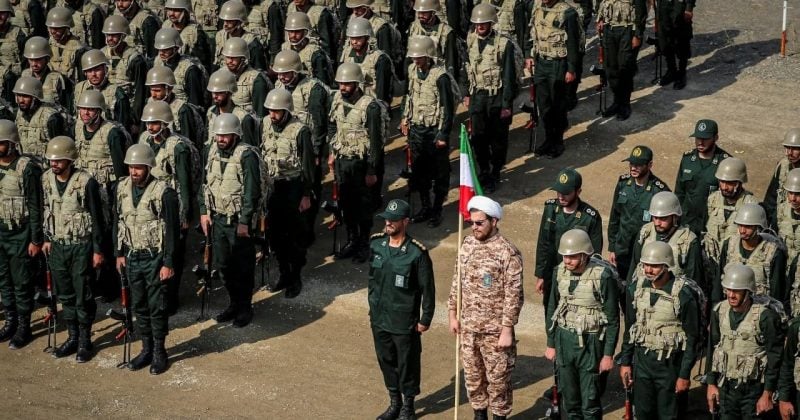
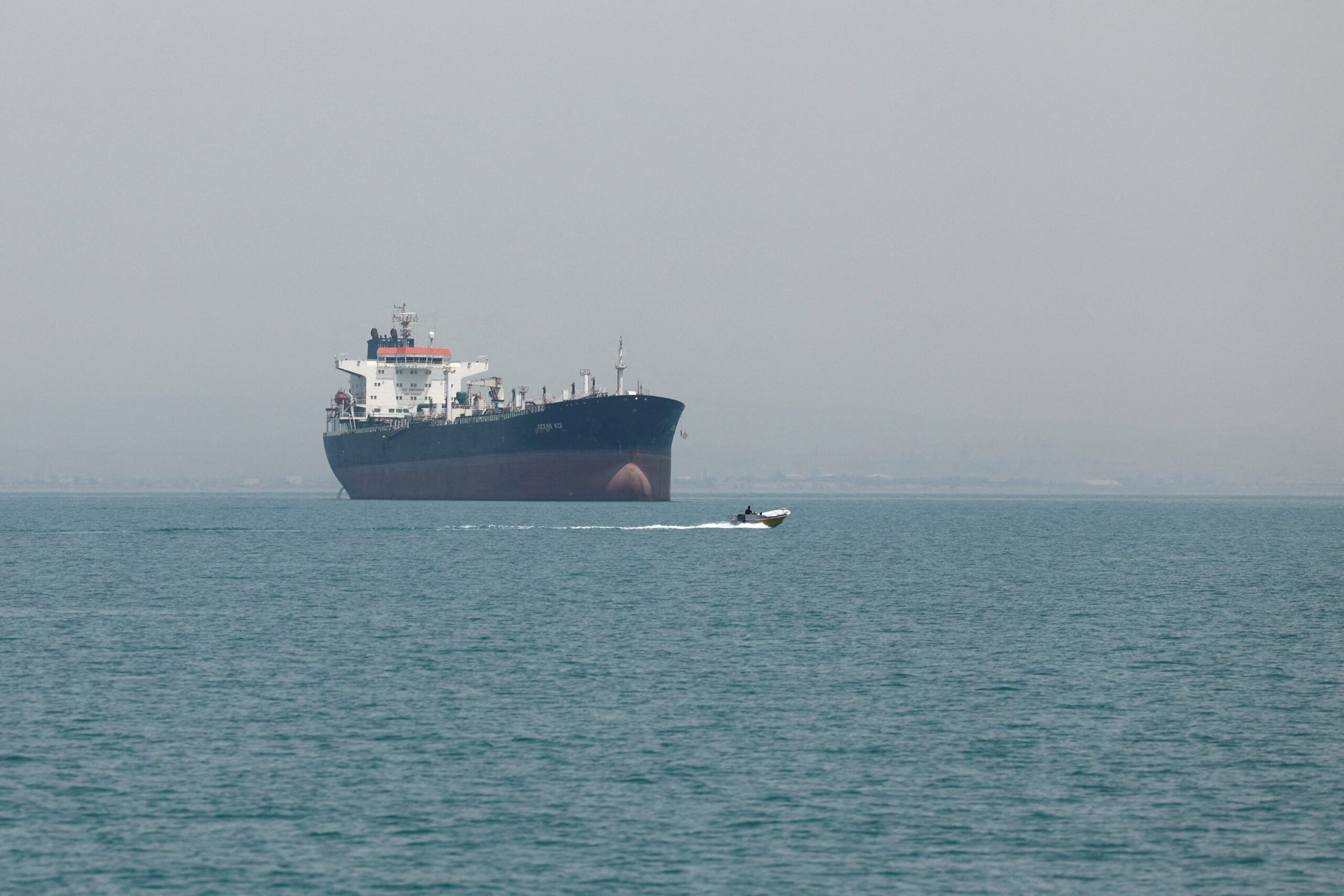
U.S. Central Command reported strikes on multiple Iranian military targets, including 10 sites in and near the Strait of Hormuz, after an Iranian drone hit the Panama‑flagged tanker M/T Kiku. Iran, including the Islamic Revolutionary Guard Corps, said it targeted U.S.-linked sites, while Bahrain reported Iranian drones on its territory and Kuwait reported intercepts. The Joint Maritime Information Center raised the regional maritime threat level to substantial and at least two merchant ships reported damage in or near Hormuz, with credible reports of roughly 80 mines in key lanes. Oil flows have partially recovered toward three‑quarters to four‑fifths of pre‑war levels and Saudi loadings are increasing, but traffic remains below pre‑war and vulnerable. Both Tehran and Washington accuse the other of breaching the interim deal, and Iran is reasserting control measures on transit and insurance, heightening the risk the arrangement could unravel.
Change from previous assessment
Since the 18 June brief, the situation has shifted from tentative reopening under an interim deal to renewed escalation: U.S. jets struck multiple Iranian targets after M/T Kiku was hit by an Iranian drone; Bahrain and Kuwait reported Iranian attacks and intercepts; the JMIC raised Hormuz to substantial; and at least two merchant ships reported damage. Oil flows have partially recovered but remain below pre‑war and fragile, and both sides now publicly accuse the other of violating the arrangement while Iran reasserts control measures on transit and insurance.
Key judgments
- U.S. forces very likely struck multiple Iranian military targets in and near the Strait of Hormuz on 28 June after an Iranian one‑way drone hit the Panama‑flagged VLCC M/T Kiku. (Confidence: high · REPORTED)
- I&W: A new CENTCOM release detailing further strikes on Iranian air defence, drone storage or minelaying sites inside Iran (0-14 days)
- I&W: Public statements from both sides re‑affirming deconfliction and no further CENTCOM strike reports (0-14 days)
- Iran likely conducted drone and missile attacks against sites linked to U.S. forces in Bahrain and Kuwait on 27-28 June, but with no reported U.S. casualties or major damage. (Confidence: medium · REPORTED)
- I&W: Kuwait or Bahrain publish debris photos or technical attributions for intercepted Iranian drones or missiles from 27-28 June events (0-14 days)
- I&W: U.S. Fifth Fleet states there were no attempted Iranian strikes against facilities in Kuwait or Bahrain over the period (0-14 days)
- The maritime threat in and around the Strait of Hormuz is very likely at substantial, with at least two merchant vessels reporting strikes or damage and credible reports of roughly 80 mines in traffic lanes. (Confidence: high · REPORTED)
- I&W: At least one additional UKMTO incident report of a ship hit or sustaining damage in or near Hormuz (0-14 days)
- I&W: JMIC reduces the Hormuz threat level from substantial to moderate (1-3 months)
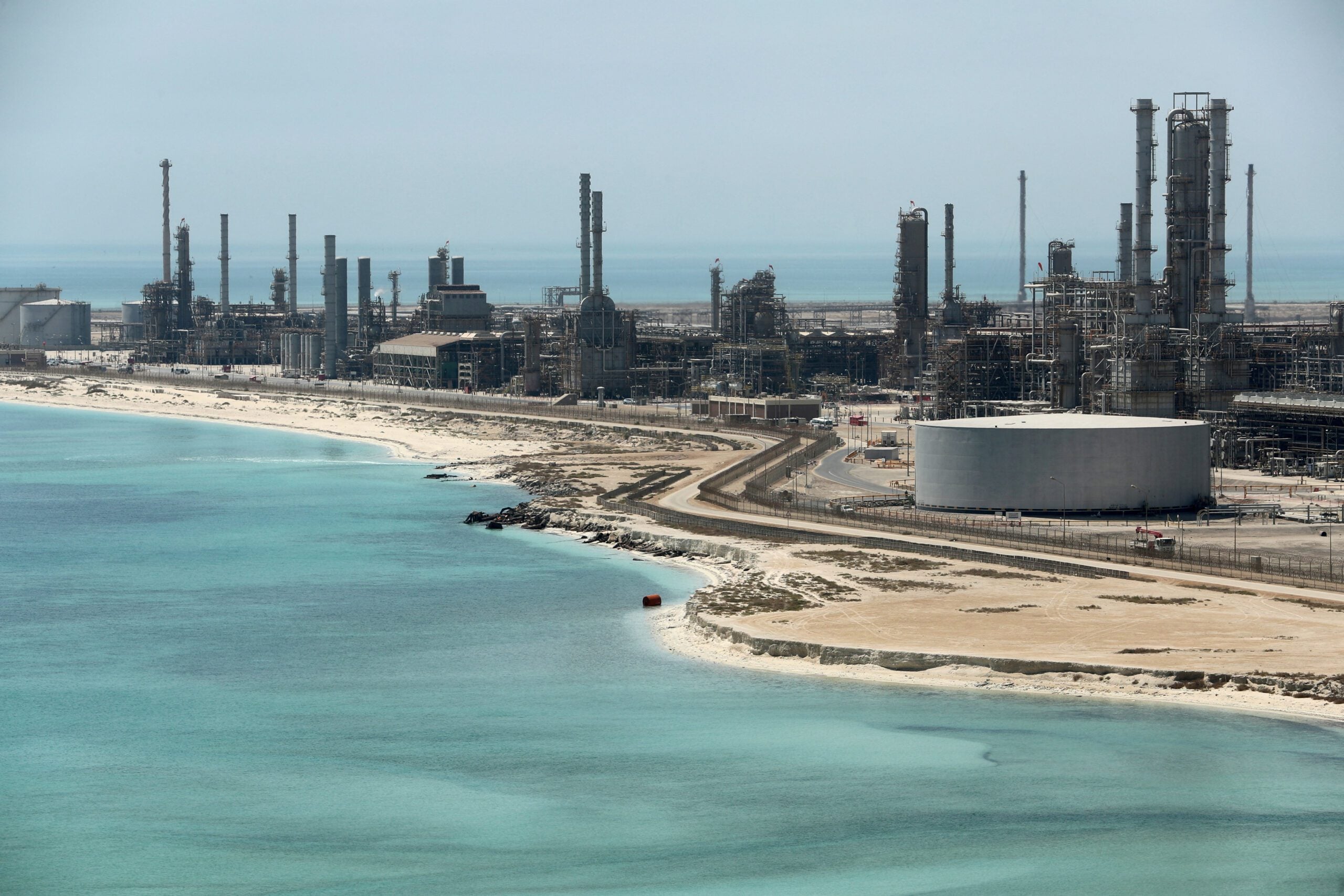
- Despite heightened risk, Gulf crude exports and loadings have partially recovered toward roughly three‑quarters to four‑fifths of pre‑war levels, aided by Saudi ports, although overall traffic remains below pre‑war and fragile. (Confidence: medium · ASSESSED)
- I&W: Sustained high occupancy at Yanbu or Ras Tanura and reported exports near or above current levels for two consecutive weeks (1-3 months)
- I&W: Renewed fall in outbound Gulf flows reported by trade trackers and major media (1-3 months)
- The interim U.S., Iran arrangement is at increasing risk of failing as Tehran alleges MoU violations and reasserts unilateral controls on transit and insurance, while Washington says it has honoured the deal. (Confidence: medium · ASSESSED)
- I&W: Iran’s foreign ministry or IRGC formally announces suspension or termination of the MoU (0-14 days)
- I&W: A joint U.S., Iran statement re‑affirming MoU terms on toll‑free transit and insurance (0-14 days)
- Iran will likely continue coercive navigation enforcement near Hormuz in the near term, including warning shots at vessels outside routes it authorises and punitive messaging to shipping. (Confidence: medium · ASSESSED)
- I&W: Iranian state media or IRGC naval communiqués report further warning shots or detours of ships (0-14 days)
- I&W: JMIC publishes a revised transit scheme that Iran publicly accepts without enforcement warnings (1-3 months)
- Humanitarian risk from water‑supply disruption has likely increased after reported Iranian strikes on desalination plants in Kuwait and Qatar. (Confidence: low · ASSESSED)
- I&W: Kuwait or Qatar water authorities announce reduced output or rationing linked to plant outages (0-14 days)
- I&W: Official statements confirm all desalination facilities operating at normal capacity (0-14 days)
Outlook & scenarios
Managed tit‑for‑tat with persistent maritime risk (55%)
U.S. conducts further precision strikes in Iran tied to shipping attacks, Iran answers with additional drones and limited missile shots toward U.S.-linked sites in Bahrain and Kuwait. JMIC keeps Hormuz at substantial. Merchant hits remain sporadic and mines complicate routing; oil flows hold near current levels but remain vulnerable.
Fragile stabilisation under an affirmed interim arrangement (30%)
Tehran and Washington issue parallel statements re‑committing to the interim deal, Iran tones down coercive navigation measures, and JMIC lowers the threat rating. UKMTO incident reports fall, Saudi loadings continue to rise, and Gulf flows climb toward pre‑war norms.
Sharp escalation and attempted choke on Hormuz (25%)
A lethal strike on a merchant vessel or confirmed damage to U.S. facilities triggers a larger U.S. air campaign and expanded Iranian minelaying and strike activity. Transit windows constrict, the IMO evacuation plan remains on hold, and flows drop well below recent recovery levels.
Recommendations
- Maintain a 24/7 maritime watch on Hormuz using JMIC and UKMTO updates; log and map all incident reports, especially damage to bridges, hulls and any mine sightings, to refine routing risk for commercial operators.
- Track CENTCOM public releases and pair them with commercial satellite imagery of southern Iran, including around Sirik, to geolocate likely strike sites and assess Iranian air defence and drone storage attrition.
- Request official confirmation and debris forensics from Kuwait’s General Staff and Bahrain’s foreign ministry to validate Iranian attack vectors and intercept performance.
- Monitor Iranian navigation directives for PGSA compliance and any insurance requirements, including warnings about non‑designated routes, and brief carriers on legal and physical risk exposure.
- Advise shippers transiting the Omani corridor to maintain heightened alert, VHF discipline and AIS transparency, given recent reports of attacks and JMIC’s substantial rating.
- Coordinate with the energy desk to track Saudi loadings at Yanbu and Ras Tanura and report weekly on Gulf export throughput versus pre‑war baselines.
- Establish a watch on Kuwait and Qatar desalination output and public advisories to detect emerging water stress, and pre‑position humanitarian impact analysis if outages are confirmed.
- Prepare escalation and de‑escalation indicators for leadership briefings, including any move by Iran or the U.S. to formally suspend or reaffirm the interim arrangement.
Confidence & uncertainty
Overall confidence is low because several developments rest on single‑party claims or are contested. Iranian assertions of strikes and damage to U.S. positions are offset by U.S. statements of no casualties or major damage, and timeline details vary across sources. While the tanker strike and subsequent U.S. attacks are corroborated by multiple outlets, other elements such as desalination plant impacts and specific navigational controls are thinner or medium‑confidence. The raised JMIC threat level and merchant damage reports are strong, but uncertainties over the status and enforcement of the interim arrangement keep confidence constrained.
Alternative analysis (red cell)
Reporting in the package is fragmentary, often declaratory, and contains unacknowledged timeline contradictions (see tradecraft_lint_findings: contradiction_unaddressed). While attacks and counter‑strikes are reported, the chronology, scale, and causal linkage between incidents (tankers hit, U.S. strikes, Iranian reprisals) are not reliably established from the cited material. Maritime mine counts, basin‑wide export recovery, and humanitarian impacts remain plausible but unverified and could be materially different from the lead analysis.
Intelligence gaps
- [EEI 1.1 · PARTIAL] Concentrations or unusual movements of IRGC-Navy fast attack craft, small boat swarms, or escort vessels within 200 km of U.S./allied ships, including approach distances and formation changes. Recommended collection: maritime/AIS
- [EEI 1.2 · PARTIAL] Detected pre-launch activity at coastal missile or rocket batteries (vehicle dispersal, fuel/warhead handling, radars powering up, transport erector launchers moving to firing positions). Recommended collection: imagery/signals
- [EEI 1.4 · PARTIAL] Command-and-control indications of attack orders or elevated rules-of-engagement from IRGC/General Staff (intercepted communications, internal order messages, force-wide alert messages). Recommended collection: signals/human
- [EEI 2.2 · UNCOVERED] Issuance of formal orders, mobilization directives, travel restrictions, or official internal communications within IRGC/Armed Forces indicating escalation posture or stand-down. Recommended collection: human/diplomatic
- [EEI 2.3 · PARTIAL] Directives, logistics movements, or communications from Iranian commanders to regional proxy militias (Houthis, Iraqi Shia militias, Lebanese groups) that change their threat posture or task them with specific operations. Recommended collection: signals/human
- [EEI 3.2 · PARTIAL] Discovery or reporting of naval mines, unexploded ordnance, or damage to fixed maritime infrastructure (oil platforms, terminals, pipelines) with geolocated imagery or on-scene assessments. Recommended collection: imagery/open-source
- [EEI 3.4 · PARTIAL] Movements or posture changes of regional state navies/air forces (Saudi, UAE, Kuwait, Bahrain, UK) such as task group departures, airbase dispersals, or announced maritime patrols near choke points. Recommended collection: open-source/imagery
Cited sources
[1] gcaptain.com · US Carries Out Fresh Strikes Against Iran After Tanker Struck In Hormuz, Escalating Hostilities (B) · sha256:1852ca6ca233 [2] haaretz.com · Iran targets Gulf after U.S. launches overnight strikes in response to Hormuz attack (A) · sha256:685e928b773f [3] CNN · Iran and US exchange strikes as Hormuz tensions stress agreement | CNN (A) · sha256:5ea7a19e4825 [4] cryptobriefing.com · IRGC claims missile, drone strikes on US positions, threatens to end deal (B) · sha256:f2696c1f03eb [5] Associated Press · US airstrikes again hit Iran as Tehran strikes Bahrain and Kuwait, further imperiling interim deal (A) · sha256:36cc5ee6edb7 [6] globalbankingandfinance.com · US carries out fresh strikes against Iran after tanker struck in (B) · sha256:f58062c91508 [7] gcaptain.com · Second Tanker Struck in Strait of Hormuz as U.S.-Iran Shipping Crisis Deepens (B) · sha256:73a0fc5a90df [8] gcaptain.com · IMO Estimates There Are 80 Mines in Hormuz’s Shipping Lanes (B) · sha256:c276411fe240 [9] gcaptain.com · Saudi Arabia Is Ramping Up Oil Exports As Gulf Ports Restart (B) · sha256:ff1c09b9431d [10] gcaptain.com · Oman Tells Allies Ships Going Through Hormuz May Have to Pay (B) · sha256:32d104d67ec4 [11] time.com · Iran Drone Attacks on Bahrain Raise Fears for Fragile Ceasefire (A) · sha256:c2ab06ad2c36 [12] gcaptain.com · Vitol Sails Stranded Aluminum Cargo Out Of Strait Of Hormuz (B) · sha256:3f988bac295e [13] insurancejournal.com · Bahrain Targeted, Ship Struck as Iran War Ceasefire Tested (A) · sha256:77fbafb20d78 [14] nypost.com · Iran says it hit US-linked targets as Bahrain reports drone attack (B) · sha256:842c2c6911d4 [15] gcaptain.com · Tanker Struck In Hormuz As Navies Raise Threat Level To Ships (A) · sha256:c73f73118763 [16] cryptobriefing.com · IRGC destroys eight US installations, warns of harsher actions in Strait of Hormuz (B) · sha256:2083d05231d1 [17] Wikipedia · Economic impact of the 2026 Iran war (B) · sha256:7cb06542dd0e
Source content hashes were computed at collection time; the cited text is preserved unmodified for the life of this product.
Red cell review: PARTIAL DISSENT
TLP:CLEAR