TLP:CLEAR · Disclosure is not limited.
Persian Gulf: U.S., Iran strikes, IRGC pressure and Hormuz fee push keep maritime risk high
Time window: Last 1 day · Audience: General analyst · Type: Situation report · DTG: 2026-07-01 09:49Z · Overall confidence: MEDIUM
BLUF
Iranian attacks on vessels and an IRGC drone tempo around the Strait of Hormuz have drawn U.S. strikes on Iranian maritime targets, keeping military risk high while traffic only partly recovers via Oman’s southern corridor. Tehran is pressing for joint governance and transit fees with Oman and threatens unilateral steps, as prospects for direct Doha talks remain unclear.
Executive summary
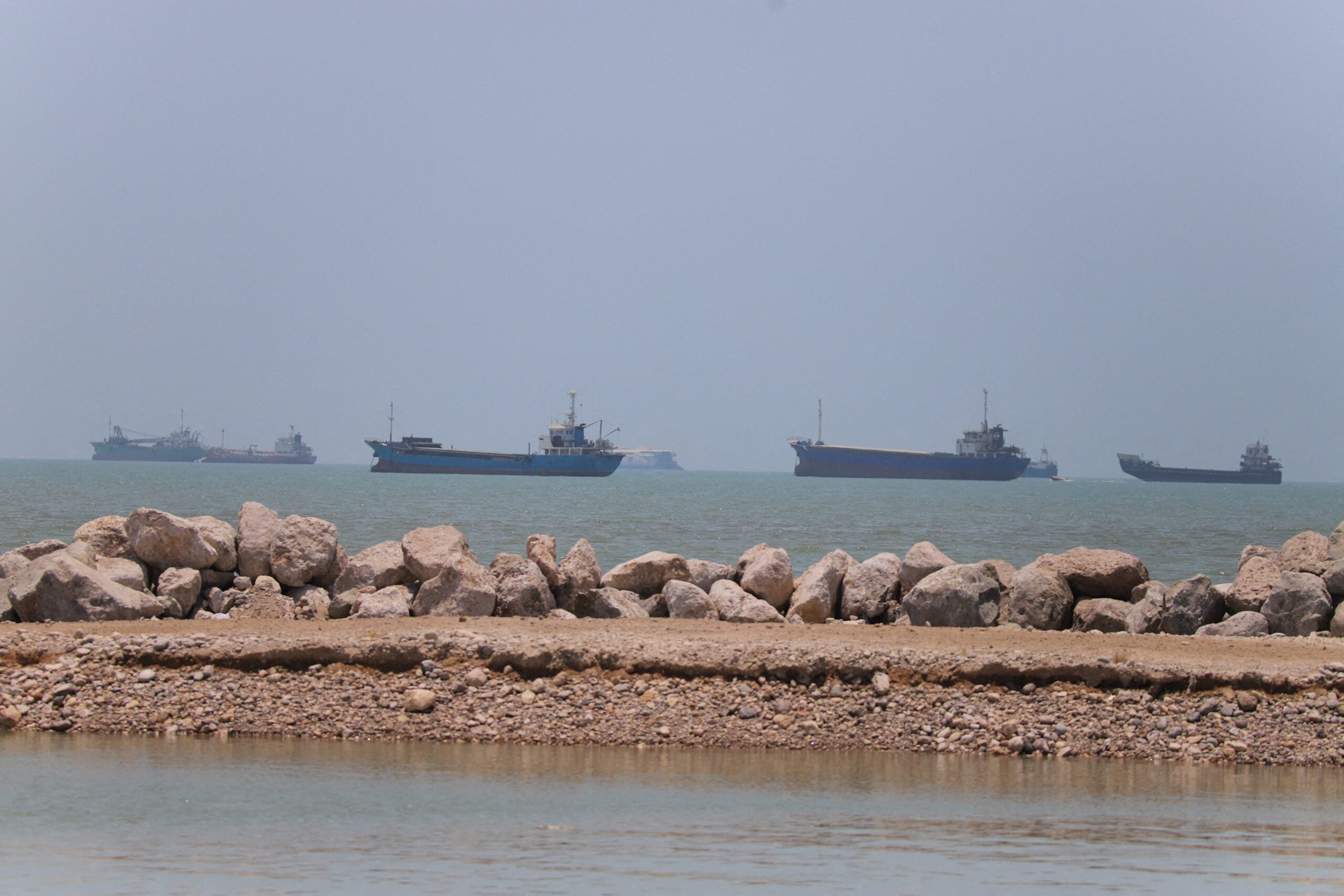
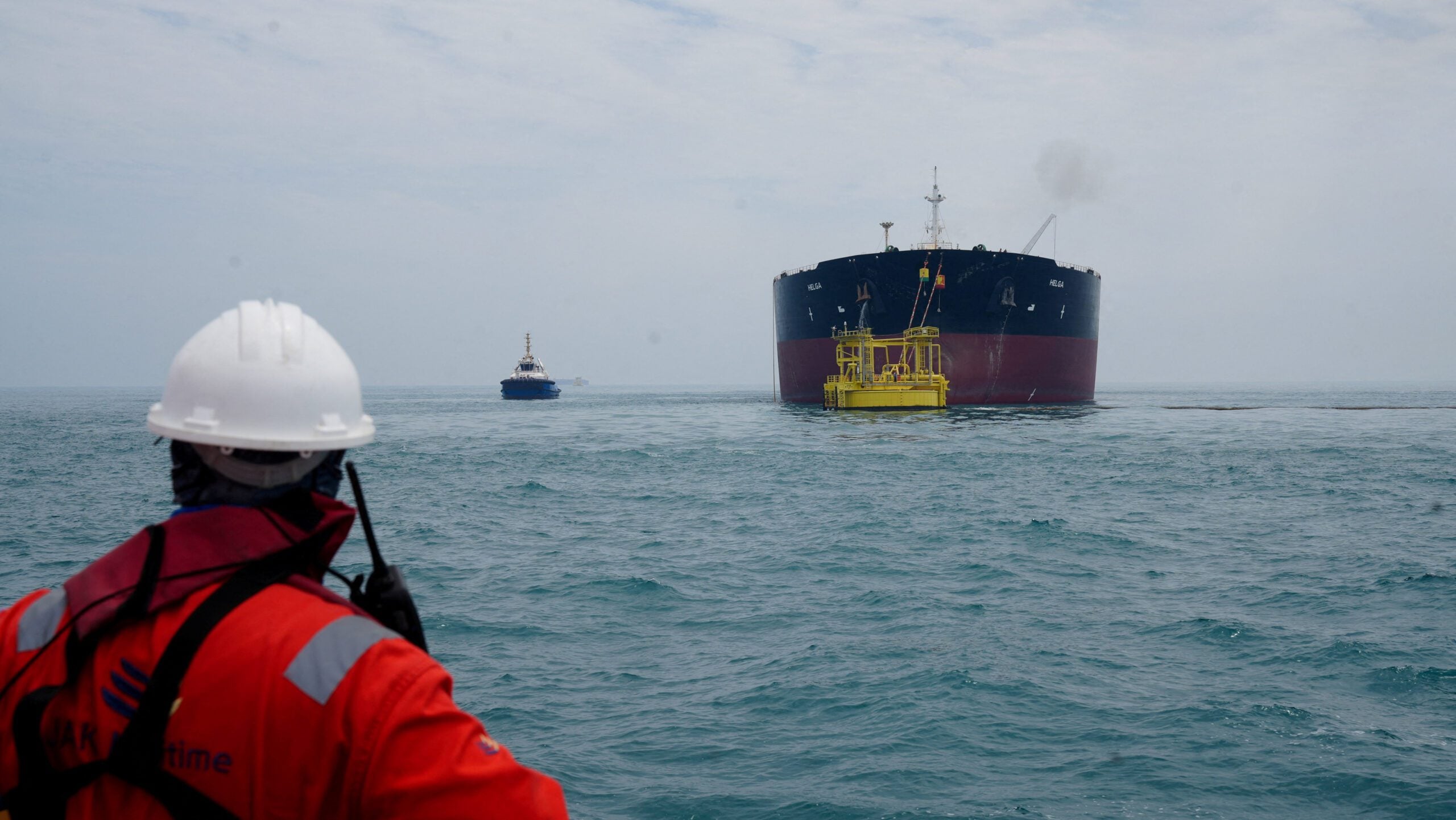
Iran attacked commercial shipping as the United States and Oman began routing traffic along a southern lane hugging Oman’s coast, prompting U.S. strikes on Iranian maritime-linked targets and an IRGC deployment that is launching multiple drones daily. Shipping through Hormuz is picking up but remains impaired after volumes collapsed and LNG flows were shut in, with many inbound vessels now using the Omani lane. Iran and Oman convened a joint committee on 30 June and Tehran is actively floating a toll regime while warning it will proceed alone if Muscat resists, as Oman faces U.S. pressure not to endorse fees. U.S. envoys arrived in Doha, but Iran and Qatar deny any high‑level U.S., Iran meetings and Tehran conditions further talks on implementing a memorandum and ceasefire terms, leaving the negotiation track uncertain.
Change from previous assessment
Since the prior brief, Oman and Iran held the inaugural joint committee meeting on 30 June on Strait management, U.S. envoys arrived in Doha even as Iran and Qatar denied any direct high‑level meetings, and Iran pressed its toll plan while warning it could proceed unilaterally. Reporting also details fresh Iranian attacks on corridor traffic, an IRGC drone tempo and U.S. strikes on Iranian maritime targets, shifting our view from a pause in strikes to ongoing exchanges. We maintain elevated maritime risk but raise the salience of the fee‑governance track in shaping near‑term behaviour.
Key judgments
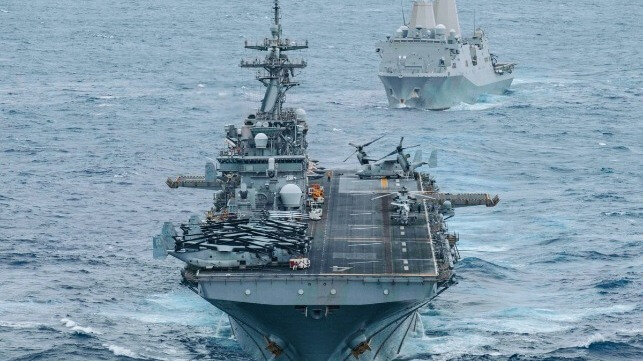
- U.S., Iran military exchanges are ongoing around the Strait of Hormuz: Iran attacked vessels using the new Oman‑hugging corridor, the IRGC deployed naval assets and launched at least six drones per day, and the United States struck Iranian maritime targets in response. (Confidence: high · REPORTED)
- I&W: Another round of U.S. strikes announced against Iranian maritime facilities tied to Hormuz within the reporting period (0-14 days)
- I&W: A two‑week lull with no reported IRGC drone launches or skirmishes along the southern corridor (0-14 days)
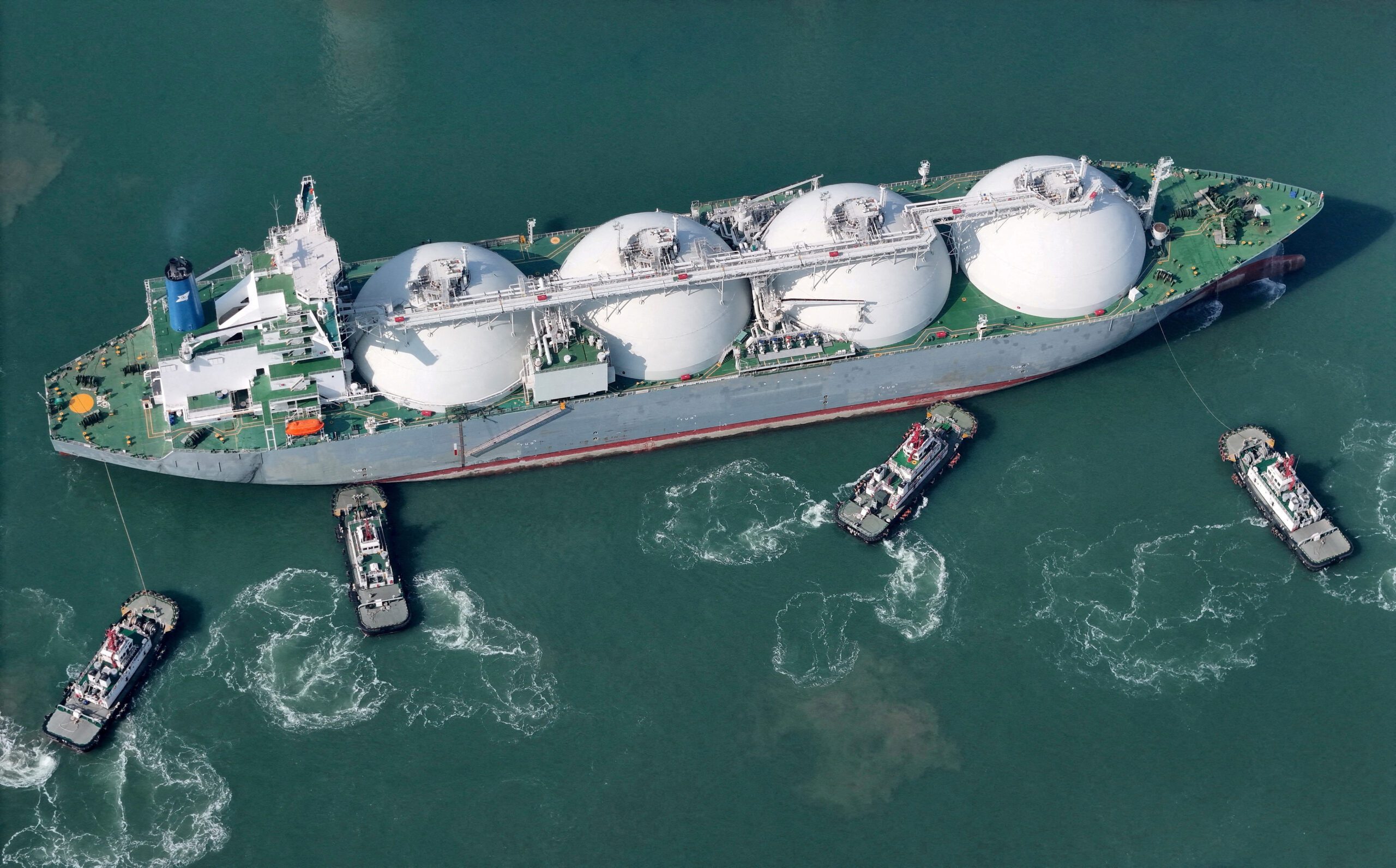
- Maritime risk in and around Hormuz is likely to remain elevated despite partial reopening: shipping volumes had collapsed and roughly one‑fifth of monthly LNG supply was shut in, and although daily transits are recovering with many inbound ships using the Omani corridor, overall flows and LNG trade remain constrained. (Confidence: medium · ASSESSED)
- I&W: Sustained increase in daily inbound Hormuz transits using the Omani lane to a clear majority of flows (1-3 months)
- I&W: New reports of traffic suspensions or week‑on‑week transit drops exceeding prior crisis lows (0-30 days)
- Tehran is very likely to push joint governance of Hormuz with Oman and to impose service‑related transit fees after a 60‑day negotiation window, and has signalled it will proceed unilaterally if Muscat demurs; Oman is engaging but under U.S. pressure not to accept a tolling regime. (Confidence: high · ASSESSED)
- I&W: Oman circulates a fee proposal to Washington or industry and schedules follow‑on committee sessions (1-3 months)
- I&W: Iranian maritime authorities issue unilateral fee notices or detain non‑paying transits (0-3 months)
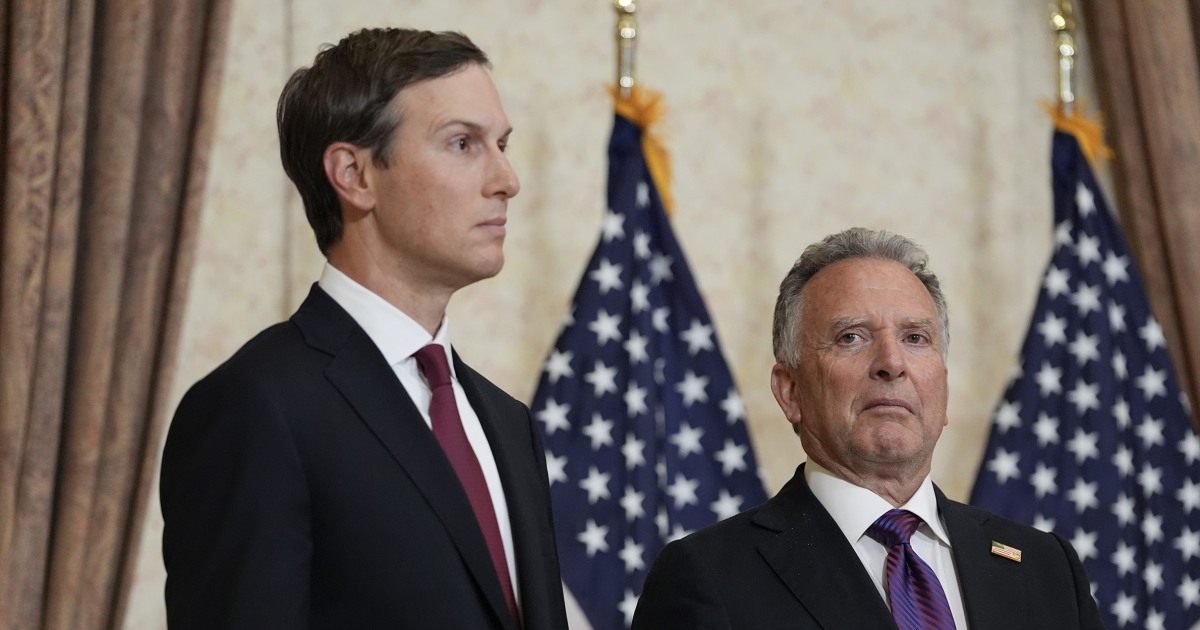
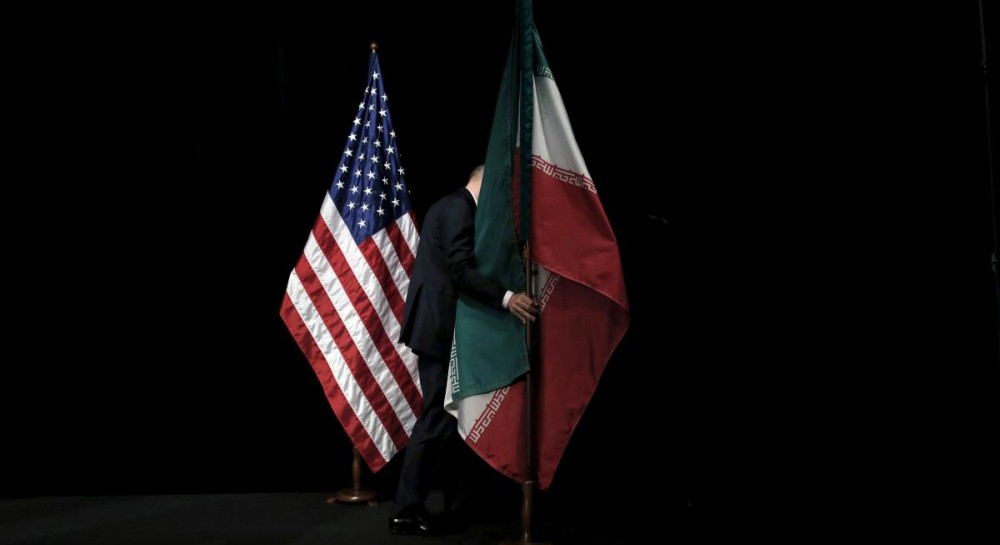
- There is a roughly even chance that only indirect, mediator‑led contacts occur in Doha this week and no direct high‑level U.S., Iran meeting takes place, given Iranian and Qatari denials and Tehran’s preconditions despite U.S. envoys’ arrival and reports of planned sessions. (Confidence: low · ASSESSED)
- I&W: Readouts from Qatari or Pakistani mediators emphasise separate, shuttle‑style meetings with each side and no joint photo or statement (0-14 days)
- I&W: Official imagery or communiqués confirming a face‑to‑face U.S., Iran session in Doha (0-14 days)
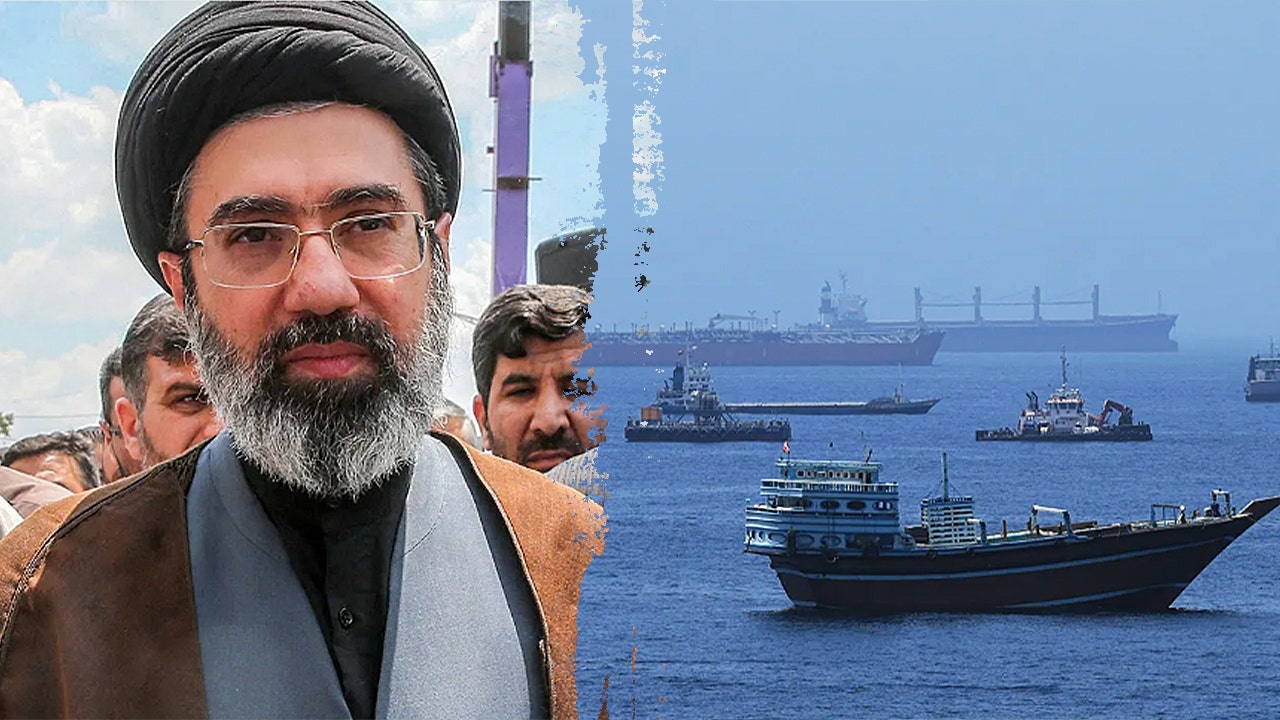
- Iran’s internal balance very likely favours a harder IRGC line on control of Hormuz, including threats to close the waterway, which raises escalation risk and complicates any Doha track. (Confidence: medium · ASSESSED)
- I&W: Public IRGC statements or exercises rehearsing strait closure or toll enforcement (0-30 days)
- I&W: A coordinated message from President Pezeshkian and senior clerics opposing closure talk and deferring tolls (0-30 days)
- Hostilities and negotiation uncertainty are likely to keep oil prices and freight‑linked costs volatile in the near term, with LNG constraints feeding through into higher fertiliser and agricultural input costs for vulnerable economies. (Confidence: medium · ASSESSED)
- I&W: Fresh price rises immediately following hardline Iranian statements on talks or tolls (0-14 days)
- I&W: UNCTAD or industry updates showing LNG trade still flat despite shipping recovery (1-3 months)
Outlook & scenarios
Managed containment via Oman, with partial traffic recovery and no direct U.S., Iran talks (45%)
Oman’s joint committee with Iran continues meeting and the southern Omani corridor remains the preferred route for many inbound ships. Maritime incidents persist at a lower tempo while the IRGC maintains presence and drone activity. U.S. envoys engage through mediators, but Tehran’s preconditions block direct meetings. The fee plan stays under discussion without immediate implementation, and shipping gradually recovers from the earlier collapse but LNG trade remains constrained.
Fee push and coercion escalate, prompting renewed U.S. strikes and fresh shipping setbacks (35%)
Tehran moves from consultations to announcing a unilateral toll framework after signalling that it will proceed without Muscat. The IRGC increases harassment around Hormuz, drawing additional U.S. strikes on maritime‑linked targets. Traffic through the southern lane falls back as shipowners pause transits and LNG flows stall again, reviving price volatility.
Limited opening via mediators stabilises Hormuz governance agenda (20%)
Indirect sessions in Doha produce a narrow, time‑bound understanding to keep traffic flowing while Oman refines a service‑fee proposal for discussion. Tehran tempers closure rhetoric, maritime incidents ease, and daily transits continue to recover. Energy prices soften, but LNG and fertiliser cost pressures persist given lagged effects.
Recommendations
- Maintain a daily indicator log on Hormuz: track reports of IRGC drone launch tempo, any attacks on corridor traffic, and any announced U.S. strikes; escalate if a 48‑hour cluster of incidents emerges.
- Map usage of the southern Omani corridor and inbound share using available maritime intelligence, including reported estimates, to brief decision‑makers on rerouting efficacy and residual risk.
- Task a focused watch on the Iran, Oman joint committee and Muscat’s fee proposal, and prepare a legal‑policy note on potential exposure if Tehran issues unilateral fee notices or conducts boardings tied to toll enforcement.
- Produce a 1-3 month energy risk outlook incorporating the reported shut‑in of LNG flows and associated fertiliser cost pressures, with country‑level highlights for vulnerable importers.
- Flag rhetoric and actions by the IRGC leadership on closure or tolls, and contrast with statements from President Pezeshkian and senior clerics to assess escalation versus compromise signals ahead of any Doha track.
Confidence & uncertainty
Overall confidence is medium. Multiple independent major‑media and official claims corroborate Iranian attacks on shipping, IRGC deployments and U.S. retaliatory strikes, as well as Oman, Iran talks and Tehran’s stated intent to collect transit fees. However, key elements are contested or time‑lagged, notably the status of Doha meetings and the extent of shipping recovery versus prior collapse, with claims pointing in different directions. Internal Iranian dynamics and toll revenue projections rely on quoted officials and second‑hand reporting, adding uncertainty.
Alternative analysis (red cell)
The reporting base contains credible statements of intent and episodic incidents, but several supporting claims are contradictory or declaratory rather than demonstrative of durable policy or operational control. For example, shipping-status reports range from 'more than 95% contraction' to 'activity picking up' (ddb761ca vs ec9cc07f/63347b5f), and IRGC threats appear alongside evidence of ongoing civilian engagement with Oman. A cautious alternative reading is that Iran is signaling hardline intent to extract concessions while operational realities (commercial shipping behavior, Omani/U.S. diplomacy, and internal political checks) leave the ultimate outcomes uncertain; more targeted collection is required to adjudicate which signals reflect imminent action versus posturing.
Intelligence gaps
- [EEI 1.1 · PARTIAL] Concentrations or unusual movements of IRGC-Navy fast attack craft, small boat swarms, or escort vessels within 200 km of U.S./allied ships, including approach distances and formation changes. Recommended collection: maritime/AIS
- [EEI 1.2 · PARTIAL] Detected pre-launch activity at coastal missile or rocket batteries (vehicle dispersal, fuel/warhead handling, radars powering up, transport erector launchers moving to firing positions). Recommended collection: imagery/signals
- [EEI 1.3 · UNCOVERED] Increased launch/arming/positioning of armed UAVs (MALE/loitering munitions) or tactical aircraft at Iranian coastal bases with sortie generation rates and munitions loadouts. Recommended collection: air/ADS-B/imagery
- [EEI 1.4 · PARTIAL] Command-and-control indications of attack orders or elevated rules-of-engagement from IRGC/General Staff (intercepted communications, internal order messages, force-wide alert messages). Recommended collection: signals/human
- [EEI 2.3 · PARTIAL] Directives, logistics movements, or communications from Iranian commanders to regional proxy militias (Houthis, Iraqi Shia militias, Lebanese groups) that change their threat posture or task them with specific operations. Recommended collection: signals/human
- [EEI 3.2 · UNCOVERED] Discovery or reporting of naval mines, unexploded ordnance, or damage to fixed maritime infrastructure (oil platforms, terminals, pipelines) with geolocated imagery or on-scene assessments. Recommended collection: imagery/open-source
- [EEI 3.4 · PARTIAL] Movements or posture changes of regional state navies/air forces (Saudi, UAE, Kuwait, Bahrain, UK) such as task group departures, airbase dispersals, or announced maritime patrols near choke points. Recommended collection: open-source/imagery
Cited sources
[1] foxnews.com · Iran fights to keep grip on Hormuz as US, Gulf allies carve new shipping route (B) · sha256:649921b80276 [2] unian.net · Иран выдвинул США новые условия для заключения мирного соглашения, – Reuters (B) · sha256:38004494d954 [3] gcaptain.com · Iran Ratchets Up Talk of Controlling Hormuz Before New Talks (B) · sha256:fc1a1ec38451 [4] The Jerusalem Post · Trump's envoys head to Doha as Iran pushes toll plan for Strait of Hormuz shipping (B) · sha256:9c04fe6b0afe [5] edie.net · From electricity costs to food prices: The global impact of the Iran-US War in numbers - edie (B) · sha256:5af0d1df3ac2 [6] gcaptain.com · Hormuz Disruption to Stall 2026 LNG Trade, Demand to Rise by 2050 (B) · sha256:4f25369c78ee [7] gcaptain.com · UN Warns Hormuz Crisis Will Leave Lasting Economic Scars Despite Shipping Recovery (B) · sha256:886700adf714 [8] maritime-executive.com · Report: White House Still Looking at Alternatives to Iran Peace Deal (B) · sha256:a0af7233dd0a [9] Wikipedia · Economic impact of the 2026 Iran war (B) · sha256:7cb06542dd0e [10] newsweek.com · Iran war gives "Switzerland of Middle East" key say in fate of Hormuz (B) · sha256:4ca6f9e37138 [11] NBC News · U.S. and Iran negotiators head to Qatar, but meeting uncertain (A) · sha256:3a3ac1841963 [12] Jerusalem Post · Rift between Iranian President Pezeshkian, IRGC grows, threatens to harm US-Iran talks - report (B) · sha256:cd50f0ec0aec [13] foxnews.com · Iran refuses more US talks as Qatar says no high-level meetings are taking place | Live Updates from Fox News Digital (B) · sha256:35b5c9eaab17
Source content hashes were computed at collection time; the cited text is preserved unmodified for the life of this product.
Red cell review: PARTIAL DISSENT
TLP:CLEAR