TLP:CLEAR · Disclosure is not limited.
Persian Gulf: US-Iran Blows Deepen, Hormuz Shipping Dips as Iran Asserts Control
Time window: Last 1 day · Audience: General analyst · Type: Situation report · DTG: 2026-07-11 13:43Z · Overall confidence: MEDIUM
BLUF
US strikes inside Iran and Iran’s regional missile salvos have very likely ended any practical ceasefire and driven down traffic through the Strait of Hormuz. Tehran is asserting authority over the waterway while Washington pushes a southern Oman route and tightens sanctions, keeping escalation risks high amid unclaimed follow-on strikes.
Executive summary
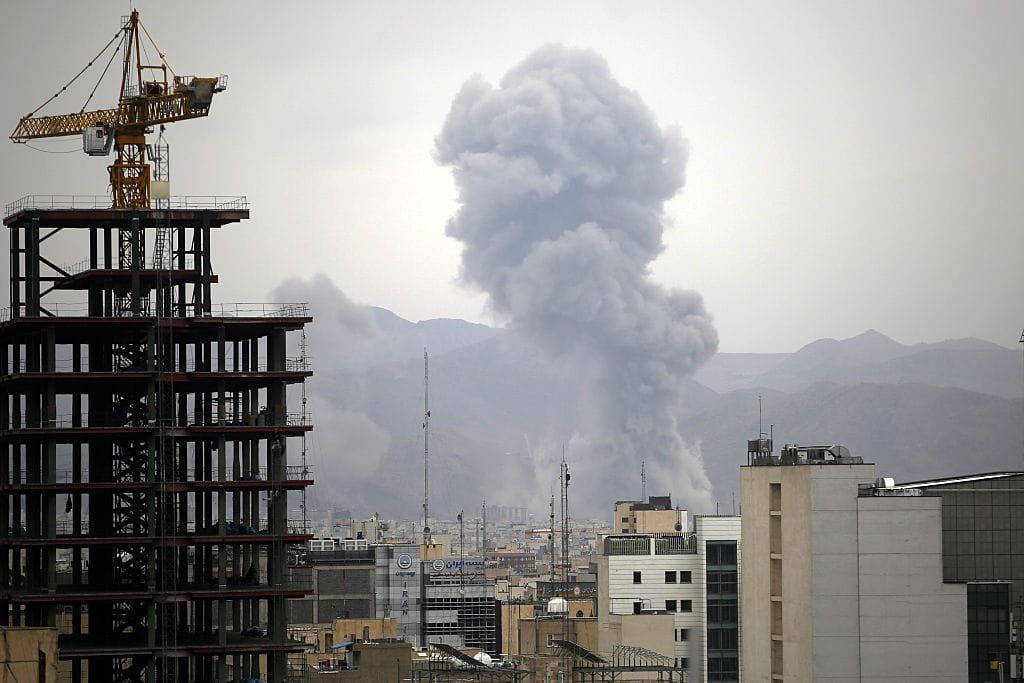
CENTCOM reports multiple large-scale strike rounds against Iranian military targets between 8 and 10 July. Iran replied on 10 July with missiles and drones targeting US-linked facilities in Bahrain, Jordan, Kuwait and Qatar, including 10 ballistic missiles against Jordan’s Azraq base, which triggered sirens across all four states. Commercial flows through the Strait of Hormuz have fallen sharply and slowed, with a new advisory urging traffic through Oman’s waters, even as at least two supertankers used a US-protected route and US forces cite more than 800 successful transits since early May. Tehran is publicly asserting sole authority over Hormuz, demanding recognised routing and signalling fees, while Washington demands an Iranian statement guaranteeing safe passage and is adding sanctions. Unclaimed airstrikes inside Iran after CENTCOM said a round had concluded raise misattribution risks that complicate de-escalation.
Change from previous assessment
Since the 10 July brief, reporting adds specificity: Iran’s use of 10 ballistic missiles against Jordan’s Azraq base and stated attacks on US Patriot systems and a fuel depot in the Gulf, a Joint Maritime Information Center advisory steering vessels via Oman’s waters, and evidence of slowed traffic alongside at least two supertankers using a US‑protected route. New sanctions actions have been reported and unclaimed airstrikes after CENTCOM declared a round concluded increase misattribution risks. Assessment confidence on shipping disruption is maintained, with added detail on routing dynamics; confidence on strike attribution is lowered where reporting is unclaimed. Initial assessment of Iran’s explicit bid to assert sole control over Hormuz is now reflected in a dedicated judgment.
Key judgments
- The United States very likely conducted multiple rounds of large-scale strikes against Iranian military targets between 8 and 10 July, with CENTCOM stating a concluded round hit about 90 targets and reporting roughly 170 targets destroyed across two days. (Confidence: high · REPORTED)
- I&W: Additional CENTCOM battle-damage imagery and target lists matching the reported 90 and cumulative 170 targets. (0-14 days)
- I&W: Independent commercial satellite imagery showing widespread new damage across declared aimpoints in Iran. (0-14 days)
- Iran very likely retaliated on 10 July with missile and drone attacks against US-linked facilities in Bahrain, Jordan, Kuwait and Qatar, including 10 ballistic missiles against Jordan’s Azraq base, prompting missile alert sirens across all four states. (Confidence: high · REPORTED)
- I&W: Official communiqués from the Jordanian Armed Forces detailing missile impact points at Muwaffaq Salti Air Base (Azraq). (0-14 days)
- I&W: Government reports in Bahrain, Kuwait or Qatar cataloguing intercepted projectiles and debris recovery. (0-14 days)
- There is a roughly even chance that unclaimed airstrikes inside Iran after CENTCOM said a strike round had concluded reflect third‑party or covert action, increasing misattribution risks and complicating de‑escalation. (Confidence: medium · ASSESSED)
- I&W: Credible attribution by Israel or a Gulf state, or identifiable weapon signatures inconsistent with US inventories. (0-14 days)
- I&W: US acknowledgement of follow‑on strikes beyond the declared conclusion time, reducing the attribution gap. (0-14 days)
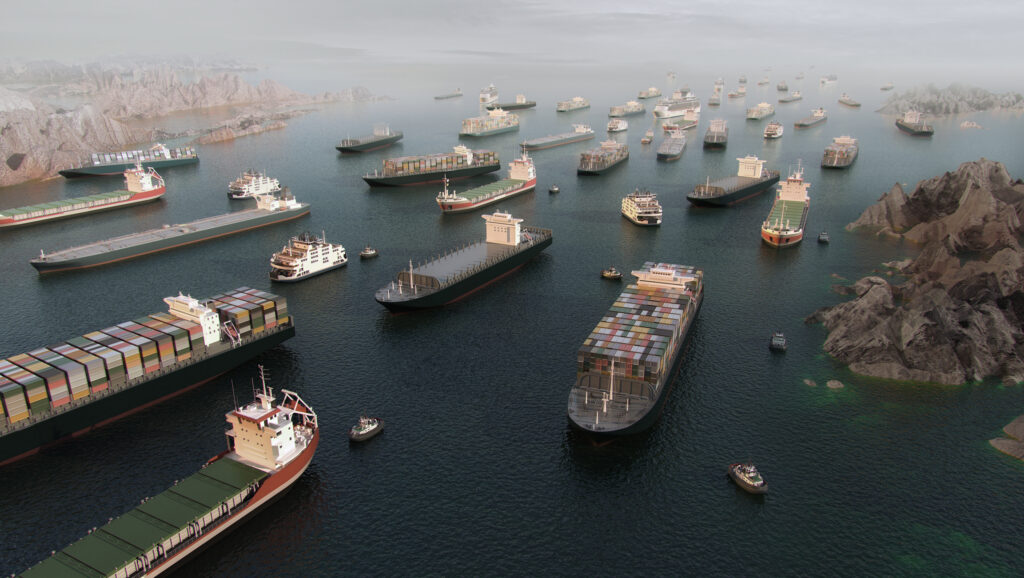
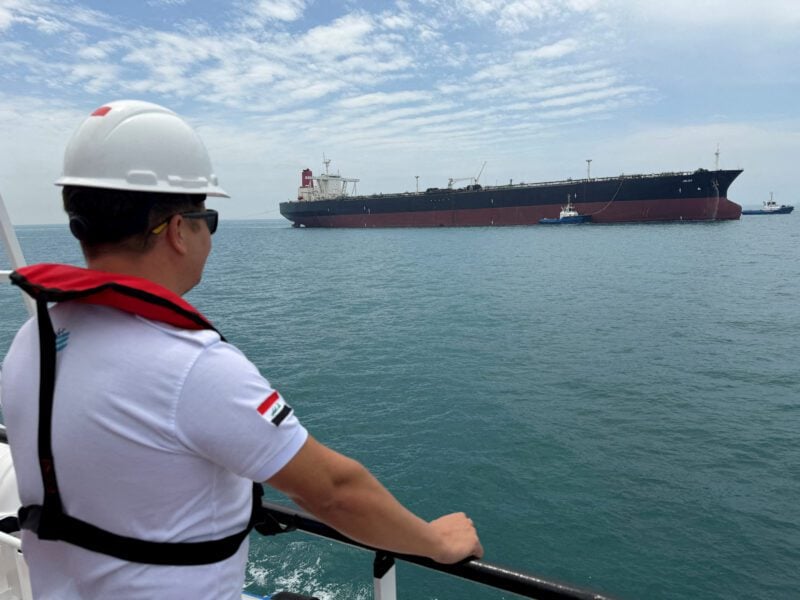
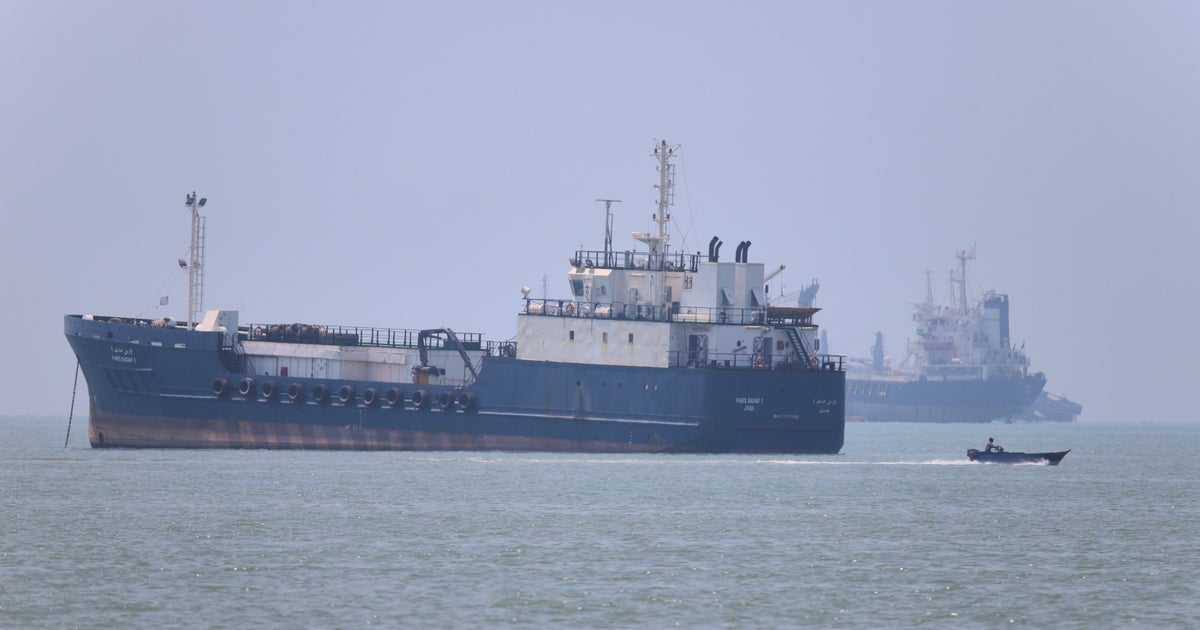
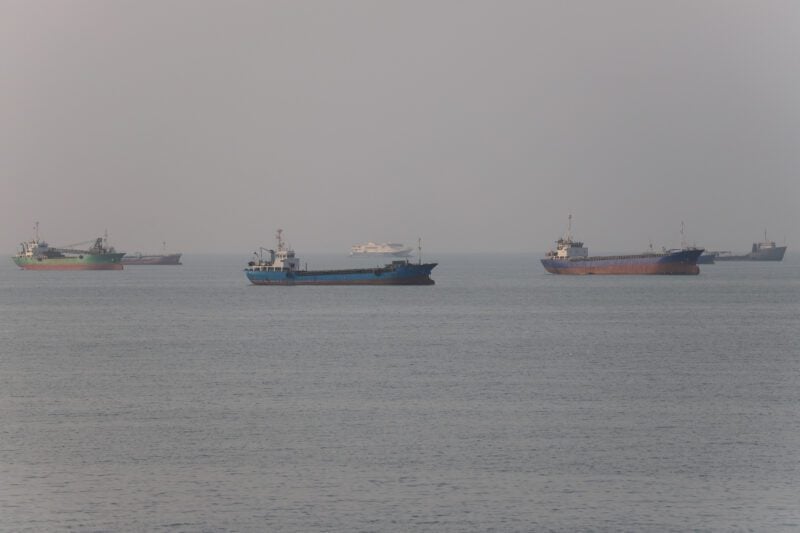
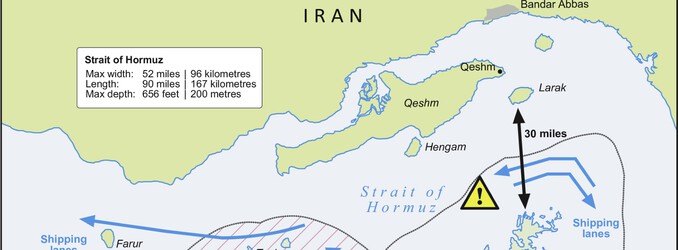
- Commercial shipping through the Strait of Hormuz has likely fallen sharply and slowed since the latest exchange of attacks, with a new advisory steering traffic through Oman’s waters, while at least two supertankers used a US‑protected route and US forces report more than 800 successful transits since early May. (Confidence: medium · REPORTED)
- I&W: AIS‑verified daily transits through Hormuz remaining well below post‑ceasefire averages, with continued use of Oman’s territorial seas route. (0-14 days)
- I&W: Insurers maintain elevated war‑risk terms specific to Hormuz rather than easing premia. (0-1 month)
- Tehran is very likely asserting de facto control over the Strait of Hormuz by designating routes and signalling fees or permits, while Washington demands a public Iranian guarantee of safe passage, elevating the risk of maritime confrontation. (Confidence: high · REPORTED)
- I&W: Iran announces or enforces fee collection or detentions for transiting vessels lacking Iranian permits. (0-1 month)
- I&W: An Iranian public statement meeting US demands that Hormuz is open and ships will not be attacked. (0-14 days)
- The US is likely intensifying financial pressure on Iran and IRGC-linked networks in parallel with military action, including fresh sanctions and a rollback of earlier oil sanctions relief after attacks on commercial vessels. (Confidence: medium · ASSESSED)
- I&W: OFAC issues additional designations targeting Iranian maritime, energy or exchange‑house networks. (0-1 month)
- I&W: US guidance tightening compliance expectations for shippers and insurers operating near Hormuz. (0-1 month)
- Explosions reported in Chabahar following renewed US strikes indicate Iran’s coastal military infrastructure remains under kinetic pressure. (Confidence: medium · REPORTED)
- I&W: Further state media and independent imagery of damage at Chabahar‑area military facilities. (0-14 days)
- I&W: A sustained absence of subsequent explosions in Chabahar despite ongoing exchanges. (0-14 days)
Outlook & scenarios
Managed escalation with guarded maritime flows (55%)
US and partners sustain naval presence and route guidance via Oman’s territorial waters while Iran keeps up intermittent long‑range fires on US‑linked sites without mass casualties. Tanker and LNG traffic remains depressed but continues through escorted or advised lanes as both sides pair coercive strikes with sanctions and messaging demands.
Broader regional exchange and acute shipping shock (30%)
Iran launches additional ballistic and cruise salvos on Gulf bases and logistics nodes, prompting further US strike packages inside Iran. Insurance and operator withdrawals drive a temporary near‑halt to commercial transits through Hormuz, with only a handful of escorted ships moving.
Backchannel pause tied to Hormuz guarantees (20%)
Omani or Qatari channels yield a narrow statement from Tehran that Hormuz is open and vessels will not be attacked, matching Washington’s demand. US pauses strikes and traffic gradually recovers on both northern and southern routes, although sanctions pressure persists.
Wildcard: third‑party covert strikes widen the fight (10%)
Attribution of unclaimed strikes to a regional actor triggers Iranian retaliation beyond the Gulf, drawing in additional theatres. Misattribution leads to hasty escalatory steps before channels clarify responsibility.
Recommendations
- Maintain a rolling fusion of AIS, satellite imagery and insurer advisories to quantify Hormuz transits by route and flag deviations from Joint Maritime Information Center guidance.
- Prioritise collection on Iranian coastal surveillance, air defence and missile basing along the Gulf of Oman and near Chabahar to assess residual strike capacity.
- Task liaison teams to share near‑real‑time threat reporting and route guidance with major tanker and LNG operators using Oman’s waters, and capture operator risk thresholds.
- Coordinate with partners to document debris and impact points at Jordan’s Azraq base and in Bahrain, Kuwait and Qatar to refine Iranian order‑of‑battle and intercept effectiveness.
- Support Treasury and interagency with targeting packages on IRGC‑linked maritime, exchange‑house and logistics networks for rapid sanctions designations and compliance outreach.
- Track and vet any Iranian public statements on Hormuz control or safe‑passage guarantees for alignment with international navigation norms and potential enforcement actions.
- Develop an attribution framework for unclaimed strikes, including munitions signatures and ISR correlation, to reduce miscalculation risks in public and private messaging.
- Prepare concise decision briefs on escalation ladders that integrate maritime, sanctions and strike options with likely Iranian counters and shipping market impacts.
Confidence & uncertainty
Multiple high‑reliability reports corroborate US strike volumes, Iranian regional attacks, and shipping slowdowns, supported by trade and major media sources. Some elements rest on single‑source or medium‑confidence reporting, notably the unclaimed follow‑on strikes and parts of the sanctions timeline, and there are varying severities reported for traffic reductions. These factors justify a medium overall confidence despite strong corroboration on the core military exchange and maritime impacts.
Alternative analysis (red cell)
Reports of unclaimed strikes inside Iran (0fbd1eba; 50e9412e) are low-admiralty and contradicted by CENTCOM's claim it concluded strike rounds (570ae4f6), so attributing those events to third-party covert actors is not the only plausible explanation—follow-on US actions, internal Iranian incidents, or reporting errors are defensible alternatives. Likewise, Iranian statements about fees/permits and 'sole control' of the Strait (2fef4112; 964b3838; 9dcd93af) amount to declaratory signals rather than demonstrated, enforceable control; absent independent evidence of interdictions or compelled compliance, asserting de facto control overstates the current evidence.
Intelligence gaps
- [EEI 1.1 · PARTIAL] Concentrations or unusual movements of IRGC-Navy fast attack craft, small boat swarms, or escort vessels within 200 km of U.S./allied ships, including approach distances and formation changes. Recommended collection: maritime/AIS
- [EEI 1.2 · PARTIAL] Detected pre-launch activity at coastal missile or rocket batteries (vehicle dispersal, fuel/warhead handling, radars powering up, transport erector launchers moving to firing positions). Recommended collection: imagery/signals
- [EEI 1.3 · UNCOVERED] Increased launch/arming/positioning of armed UAVs (MALE/loitering munitions) or tactical aircraft at Iranian coastal bases with sortie generation rates and munitions loadouts. Recommended collection: air/ADS-B/imagery
- [EEI 1.4 · PARTIAL] Command-and-control indications of attack orders or elevated rules-of-engagement from IRGC/General Staff (intercepted communications, internal order messages, force-wide alert messages). Recommended collection: signals/human
- [EEI 2.2 · UNCOVERED] Issuance of formal orders, mobilization directives, travel restrictions, or official internal communications within IRGC/Armed Forces indicating escalation posture or stand-down. Recommended collection: human/diplomatic
- [EEI 2.3 · UNCOVERED] Directives, logistics movements, or communications from Iranian commanders to regional proxy militias (Houthis, Iraqi Shia militias, Lebanese groups) that change their threat posture or task them with specific operations. Recommended collection: signals/human
- [EEI 3.2 · UNCOVERED] Discovery or reporting of naval mines, unexploded ordnance, or damage to fixed maritime infrastructure (oil platforms, terminals, pipelines) with geolocated imagery or on-scene assessments. Recommended collection: imagery/open-source
- [EEI 3.4 · PARTIAL] Movements or posture changes of regional state navies/air forces (Saudi, UAE, Kuwait, Bahrain, UK) such as task group departures, airbase dispersals, or announced maritime patrols near choke points. Recommended collection: open-source/imagery
Cited sources
[1] Los Angeles Times · It's a mystery who launched the latest airstrikes against Iran - Los Angeles Times (A) · sha256:97f026e47f40 [2] Oil & Gas 360 · Tanker traffic slows in Strait of Hormuz after US and Iran clashes - Oil & Gas 360 (B) · sha256:88b08511cf1a [3] libertynation.com · US Air Attacks on Iran Continue – Again (B) · sha256:4c507b2f1f64 [4] gcaptain.com · INTERTANKO: Hormuz Tanker Transits Via Southern Route Fall to Single Digits After Renewed Fighting (C) · sha256:d4540b21f2bf [5] worldoil.com · Hormuz oil tanker traffic persists along Oman route as conflict escalates (B) · sha256:3c6a09c04175 [6] HuffPost · U.S. Demands Iran Publicly State That Strait Of Hormuz Is Open And Tehran Won't Attack Ships Anymore (B) · sha256:3ba07d801cc2 [7] Deutsche Welle · США поставили Ирану ультиматум по Ормузу (B) · sha256:cd748dd988de [8] gcaptain.com · Countries Must Reject Iran Efforts to Control Hormuz, UN Agency Document Says (B) · sha256:0bf9b6313fd0 [9] The Jerusalem Post · Live Updates: Latest from Israel, Iran, and Middle East | The Jerusalem Post (A) · sha256:f4510801bd9d [10] gcaptain.com · Trump Declares Iran Ceasefire Over as U.S. Unveils New Sanctions (B) · sha256:9ea2634590c9 [11] CNN · CNN Investigates: New satellite imagery reveals Iran may be rebuilding nuclear facilities | CNN (A) · sha256:004c7f3c5dd8 [12] CNN · Onboard the closest Navy ship to Iran | CNN (A) · sha256:068abe0a2f9e
Source content hashes were computed at collection time; the cited text is preserved unmodified for the life of this product.
Red cell review: PARTIAL DISSENT — KJ-4 downgraded HIGH→MEDIUM (estimative_mismatch)
TLP:CLEAR