TLP:CLEAR · Disclosure is not limited.
Persian Gulf: US, Iran exchanges intensify as Hormuz traffic stalls and closure status is contested
Time window: Last 1 day · Audience: General analyst · Type: Situation report · DTG: 2026-07-13 14:13Z · Overall confidence: LOW
BLUF
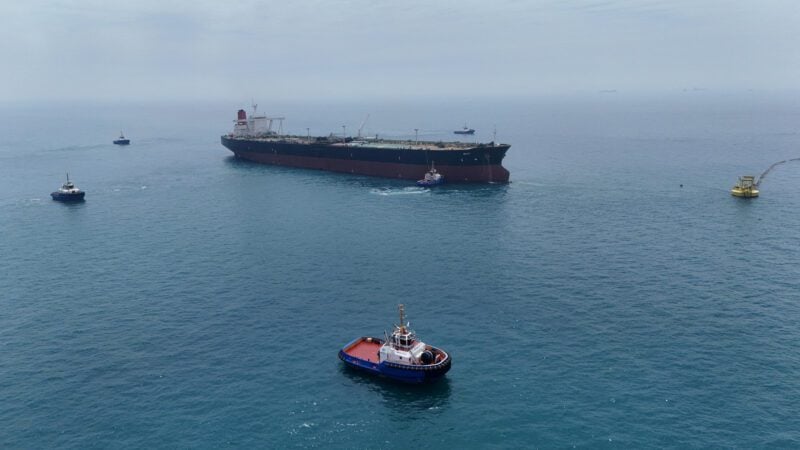
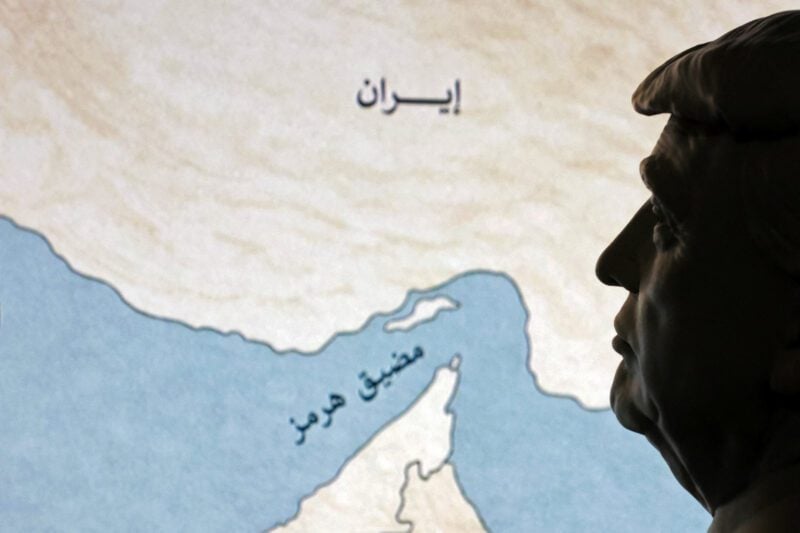
Iran and the United States traded fresh strikes on 12-13 July. Iran’s IRGC claims to have hit US‑linked facilities in Jordan, Bahrain and Kuwait, while Jordan and Kuwait report intercepts. Passage through the Strait of Hormuz is officially disputed, but observable transits have largely halted with a handful of AIS‑dark sailings.
Executive summary
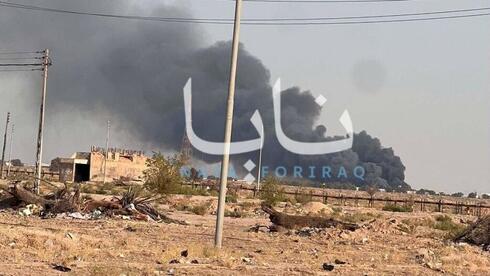
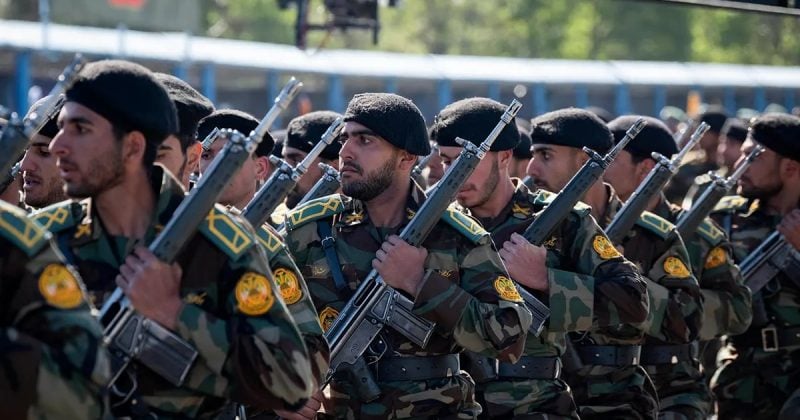
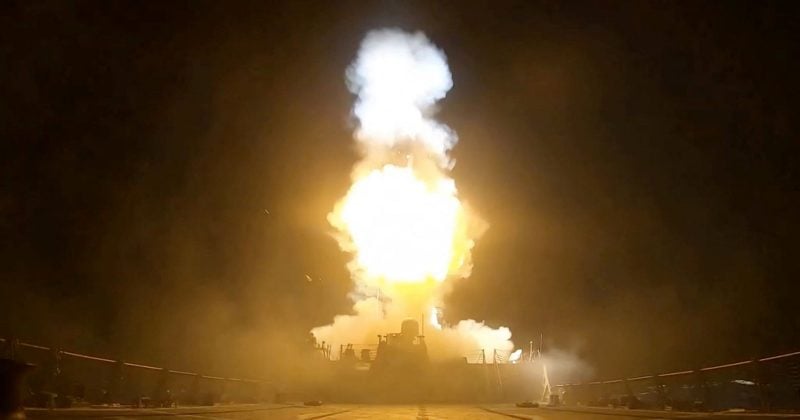
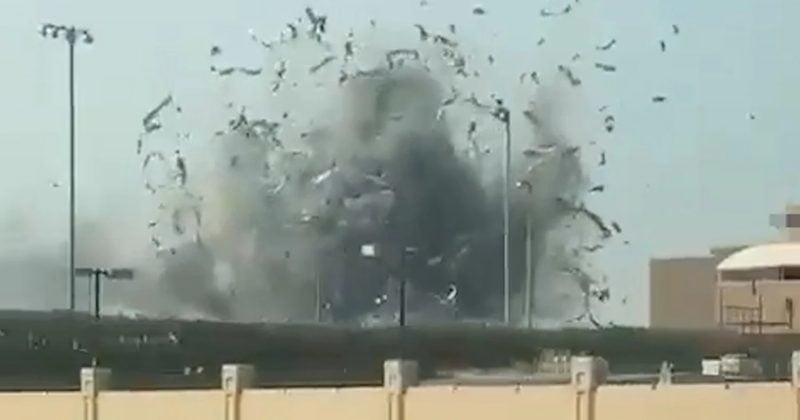
Iran’s Revolutionary Guard said it launched missiles and drones at US‑linked facilities in Jordan, Bahrain and Kuwait on 13 July, naming Prince Hassan Air Base and sites at Juffair/Sheikh Isa and in Kuwait. Jordan’s armed forces reported intercepting four Iranian missiles, and Kuwait’s military engaged hostile aerial targets; US aircraft also intercepted an Iranian cruise missile and attack drone. The US military announced a further wave of strikes inside Iran to degrade air defence, coastal radar and maritime capabilities. Iran’s Persian Gulf Strait Authority stated that passage through Hormuz is not possible, while Iran’s embassy in London touted a temporary safe corridor. The US‑led Joint Maritime Information Center countered that an expanded southern route along Oman’s coast remains available. Shipping indicators show near‑standstill AIS‑visible traffic and some dark transits. Oil prices rose on the hostilities as markets price heightened escalation risk.
Change from previous assessment
Since the 12 July brief, Iran publicly detailed additional targets in Jordan, Bahrain and Kuwait and host nations reported intercepts, while US Central Command announced a fresh wave of strikes inside Iran. Iran’s Persian Gulf Strait Authority declared Hormuz impassable and Iran’s embassy in London claimed a temporary safe corridor, while the US‑led maritime centre said an expanded southern route along Oman’s coast remains available. AIS‑visible traffic has dwindled to near zero with reports of dark transits, and oil prices rose on the renewed exchanges. Given sharper contradictions on Hormuz access and the lack of independent damage imagery, confidence is lowered for several assessments.
Key judgments
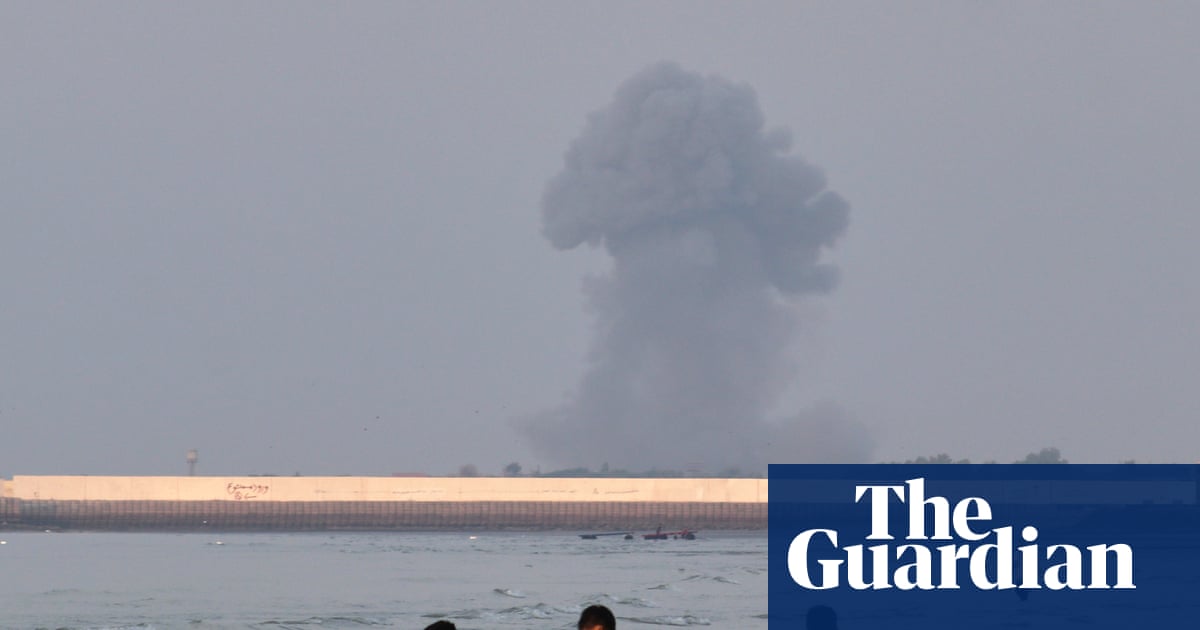
- Iran very likely launched missile and drone attacks against US‑linked facilities in Jordan, Bahrain and Kuwait on 13 July, while regional and US air defences intercepted part of the salvo. (Confidence: high · REPORTED)
- I&W: Commercial satellite imagery or official battle damage assessment shows damage to fuel tanks at Prince Hassan Air Base, hangars at Sheikh Isa, or air‑defence and radar sites in Kuwait (0-14 days)
- I&W: Host‑nation authorities publish imagery or statements confirming no damage at the named sites following detailed inspections (0-14 days)
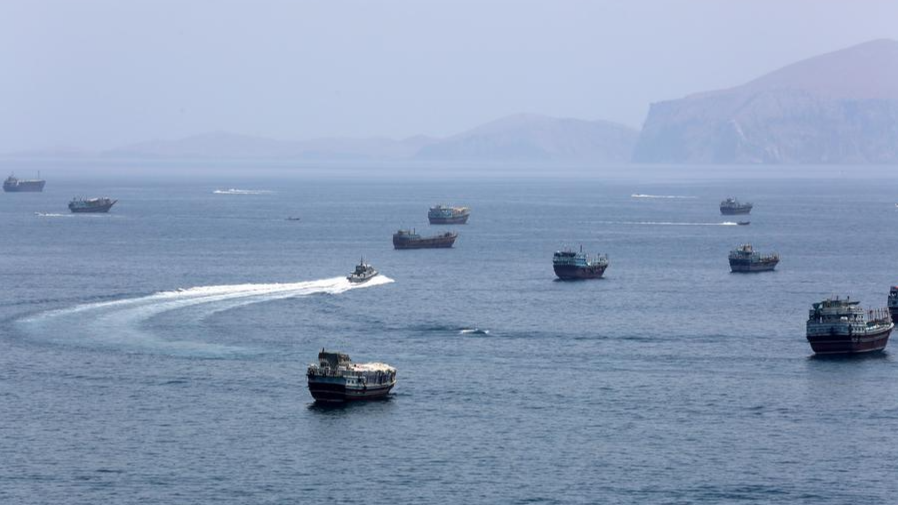
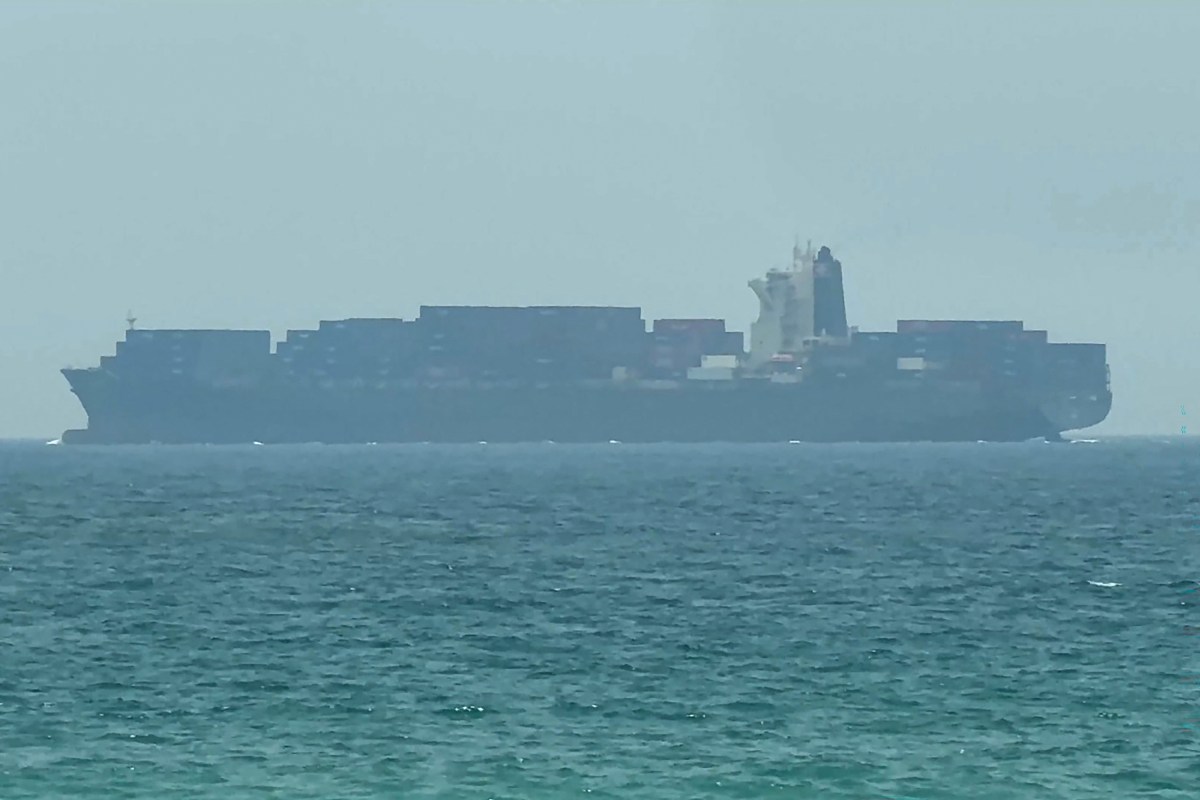
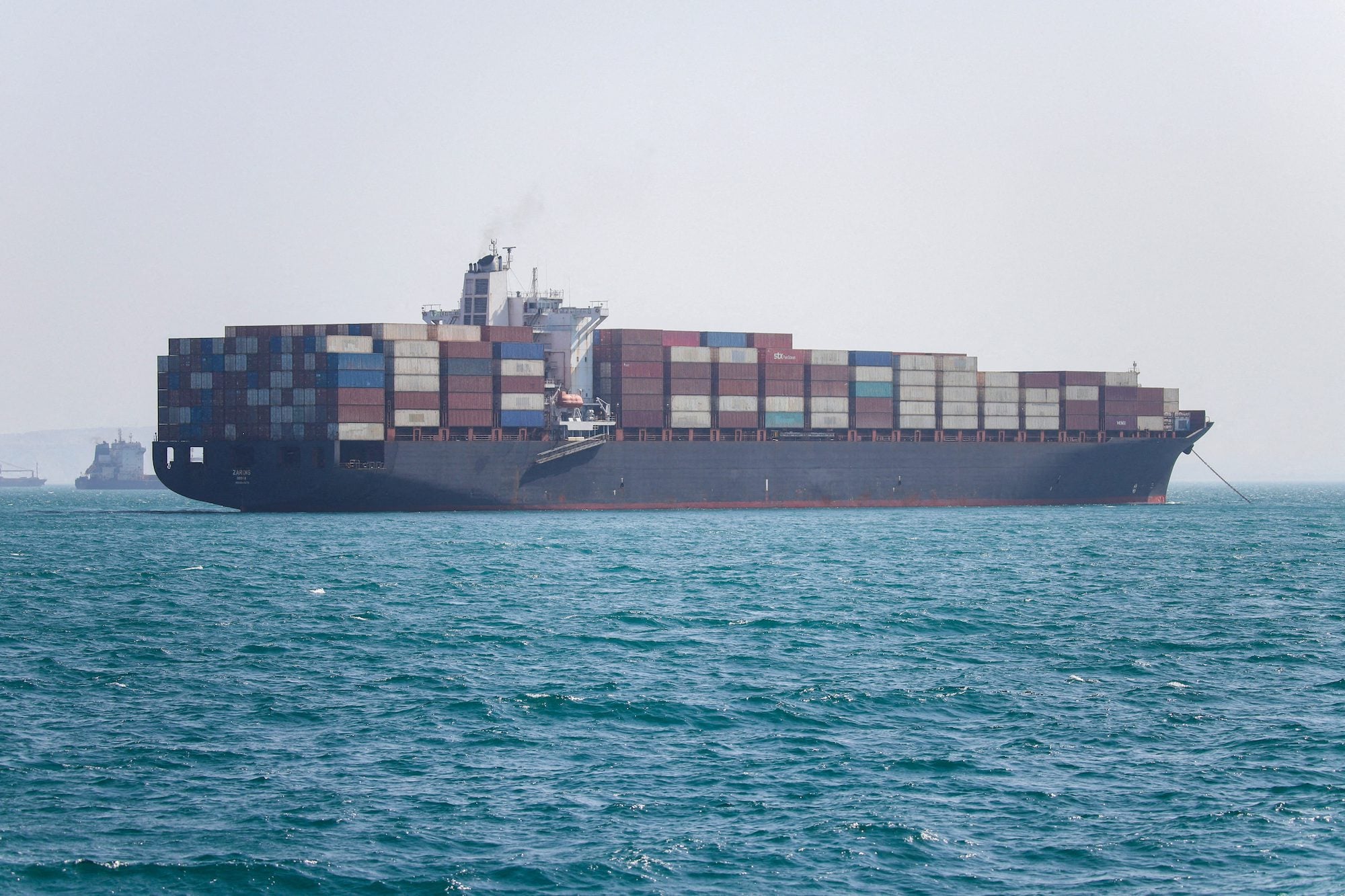
- Despite competing official claims about the Strait of Hormuz being closed or open, maritime traffic has very likely fallen to near‑zero observable transits, with a handful of AIS‑dark passages along the Omani coast. (Confidence: medium · ASSESSED)
- I&W: Joint Maritime Information Center maintains a SEVERE threat level and AIS/SAR data continue to show only sporadic transits hugging the Omani coast (0-14 days)
- I&W: Iran’s Persian Gulf Strait Authority rescinds closure language and JMIC reports resumed two‑way traffic with a marked rise in AIS‑visible transits (1-3 months)
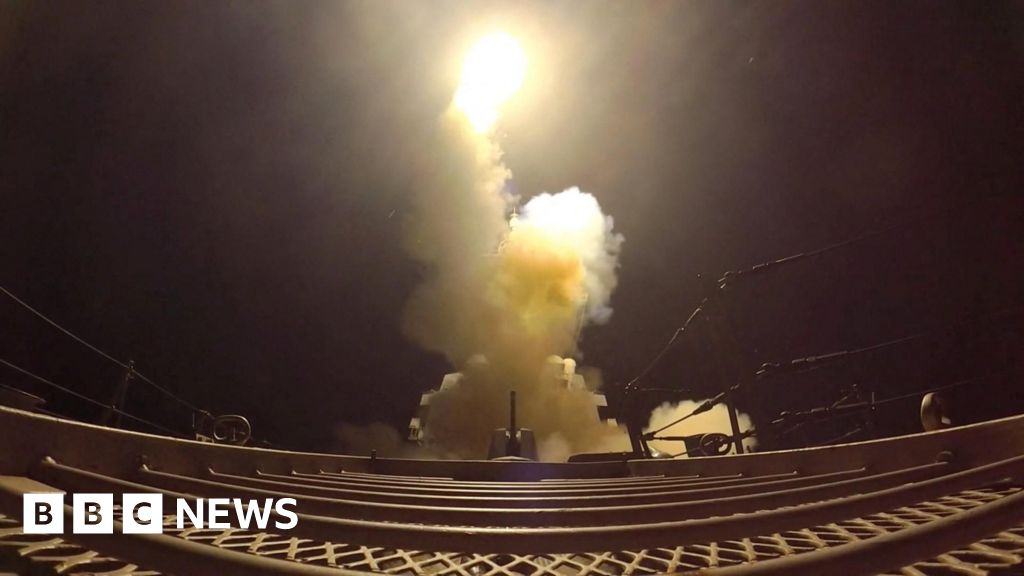
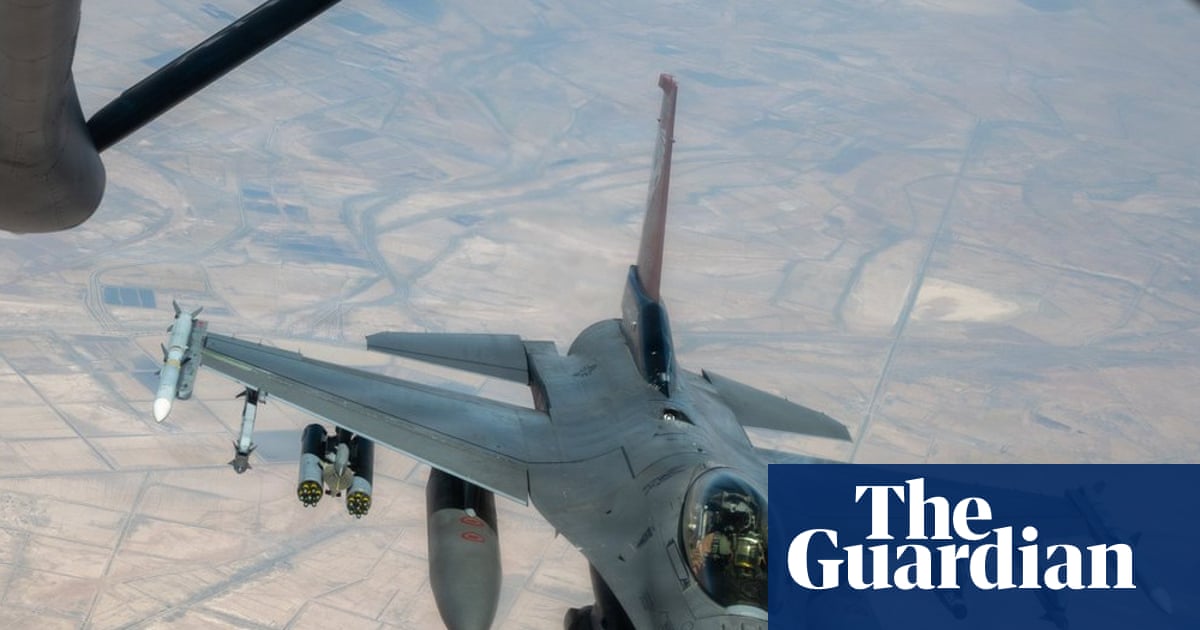
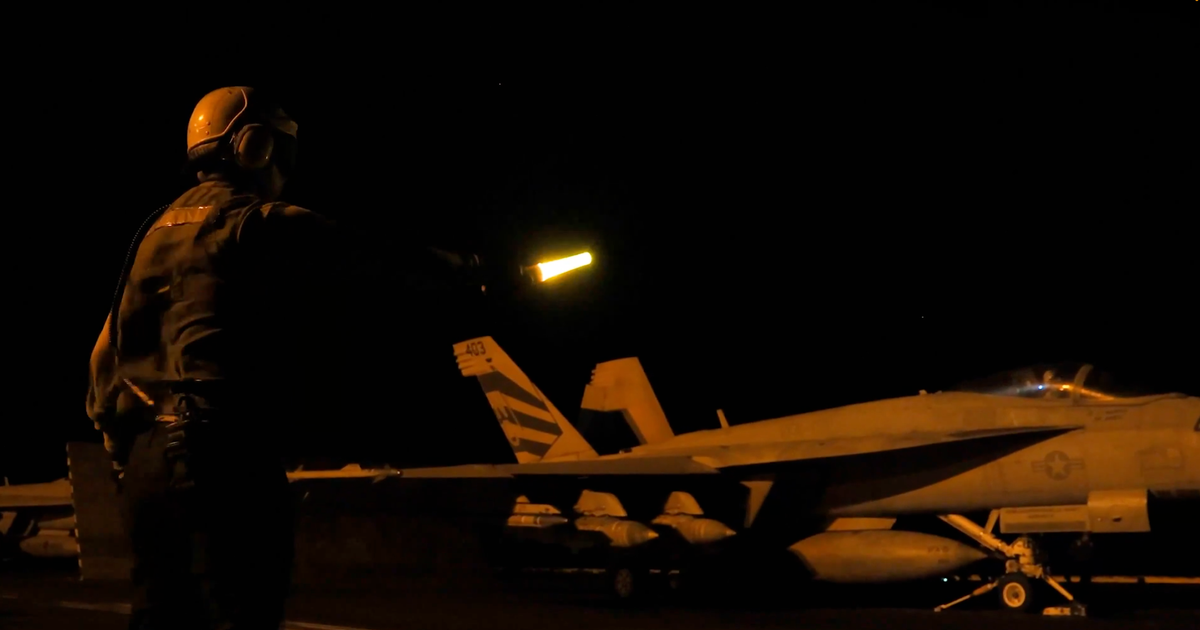
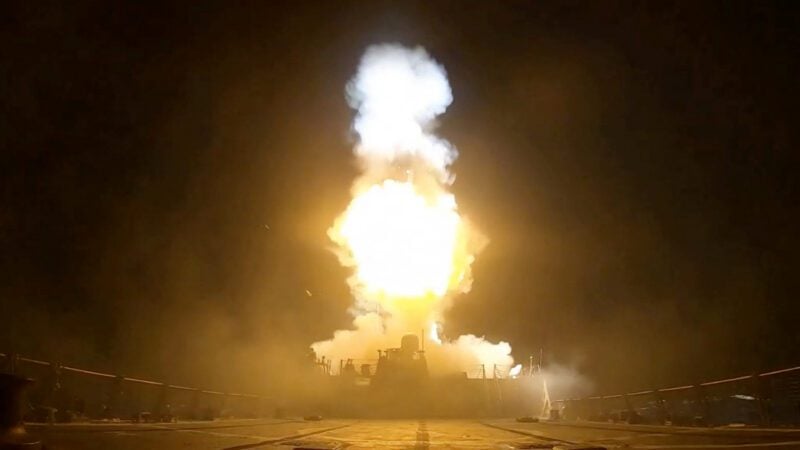
- The United States very likely conducted additional strikes since 12-13 July on Iranian air defence, coastal radar and maritime assets to degrade Iran’s ability to threaten commercial shipping. (Confidence: medium · REPORTED)
- I&W: CENTCOM releases post‑strike imagery or third‑party satellites show destroyed Iranian coastal radars, air‑defence sites or IRGC small boats in Hormozgan (0-14 days)
- I&W: Renewed IRGC radar‑guided harassment of merchant vessels without observable losses to sensor sites (0-14 days)
- Crude prices very likely rose by more than 2 percent on the renewed hostilities and constrained transits, and markets are flagging higher odds of further Iranian military action. (Confidence: high · REPORTED)
- I&W: Oil benchmarks continue to climb on days with missile exchanges or shipping advisories maintaining severe risk (0-14 days)
- I&W: Oil prices retrace as maritime advisories improve and visible two‑way traffic through the southern route resumes (0-14 days)
- Tehran is likely using cross‑Gulf strikes and explicit warnings to coerce Gulf governments hosting US forces, increasing the likelihood of further attacks into Saudi Arabia, Kuwait or Iraq if used for US operations. (Confidence: medium · ASSESSED)
- I&W: Iranian official channels reiterate threats naming facilities in Saudi Arabia or Iraq, followed by launches assessed toward those states (0-30 days)
- I&W: Public Iranian acceptance of a navigation arrangement without threats to neighbours (1-3 months)
- The immediate risk to US personnel and host‑nation territory in Bahrain, Jordan and Kuwait is likely to remain elevated, as signalled by repeated intercepts, sirens and reported missile fire in neighbouring airspace. (Confidence: medium · ASSESSED)
- I&W: Additional official intercept announcements or repeated air‑raid sirens in Bahrain, Jordan or Kuwait (0-14 days)
- I&W: A sustained period without intercepts or sirens and a downgrade of JMIC’s threat level (1-3 months)
Outlook & scenarios
Managed tit‑for‑tat with constrained but not halted navigation (55%)
The US continues precision strikes on Iranian air and coastal capabilities while Iran sustains episodic missile and drone launches at US‑linked facilities in Jordan, Bahrain and Kuwait. The southern corridor along Oman’s coast remains the only practical route, with sporadic AIS‑dark transits and near‑zero visible sailings. Markets keep a volatility premium on crude.
Regional spillover and sharper shipping shock (35%)
Iran broadens fire to additional Gulf host nations and reiterates threats against any territory facilitating US operations. Intercepts increase and an accident or effective strike forces a temporary halt to most commercial transits, pushing prices higher and prompting emergency routing measures.
Short‑term de‑escalation via navigation arrangement (25%)
Under pressure from Gulf governments and market reaction, Tehran publicly narrows its posture around Hormuz and tacitly accepts a two‑way navigation plan along the Omani coast under allied watch. Threat levels ease and visible traffic gradually resumes, though both sides retain the option to re‑escalate.
Recommendations
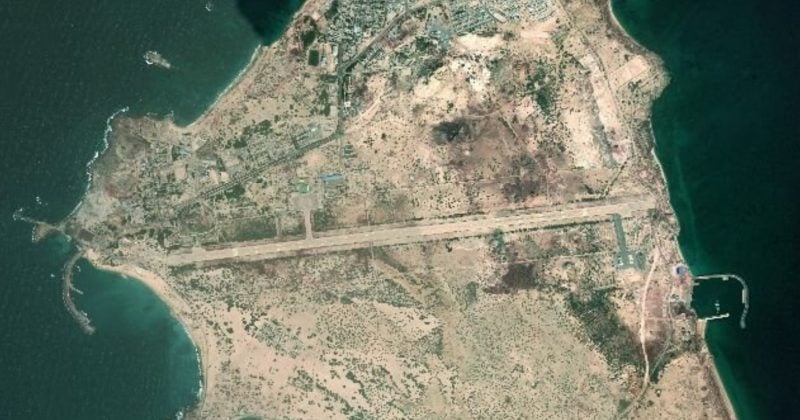
- Prioritise geospatial collection on Prince Hassan Air Base, Sheikh Isa Air Base and listed Kuwaiti air‑defence sites to verify claimed damage and refine force‑protection postures.
- Stand up a maritime domain awareness cell to fuse AIS, SAR and RF data for the Hormuz approaches, with a daily product on southern‑route viability and dark‑transit patterns for operators.
- Coordinate with the Joint Maritime Information Center to standardise routing guidance and communications protocols for ships using the Omani coastal corridor; push tailored advisories to US‑linked carriers.
- Request missile‑trajectory and debris‑recovery data sharing from Jordan, Kuwait and Bahrain to attribute systems used, assess leak‑through risks and adjust regional air‑defence laydowns.
- Task open‑source and diplomatic reporting to track Iranian threat messaging naming Saudi, Kuwaiti or Iraqi facilities and to detect any public shift on passage conditions or authorisation requirements through Hormuz.
- Update energy‑market risk models with three shipping availability cases over the next 30 days to inform policy options and contingency planning.
Confidence & uncertainty
Overall confidence is low because several core elements are contested by credible actors in near‑real time. The status of the Strait of Hormuz is subject to directly conflicting official statements, and independent, high‑resolution battle damage evidence for claimed strikes is not yet available. Much of the reporting rests on party statements or early official communiqués without full corroboration. Shipping indicators are stronger but still partial, with AIS‑dark behaviour complicating verification. As additional imagery and maritime data emerge, confidence could rise for individual judgments.
Alternative analysis (red cell)
Available reporting is concentrated in state and single‑cluster claims and contains contradictory official statements on maritime access. A sober alternative reading is that Iran publicly claimed and possibly attempted missile/drone actions while regional militaries reported intercepts and alarms, but independent, multi‑source confirmation of coordinated, effective cross‑Gulf strikes on US‑linked facilities and of a near‑total halt in observable transits is currently lacking. Several high‑confidence operational and causal inferences in the brief therefore appear overstated given the existing evidence.
Intelligence gaps
- [EEI 1.2 · PARTIAL] Detected pre-launch activity at coastal missile or rocket batteries (vehicle dispersal, fuel/warhead handling, radars powering up, transport erector launchers moving to firing positions). Recommended collection: imagery/signals
- [EEI 1.3 · PARTIAL] Increased launch/arming/positioning of armed UAVs (MALE/loitering munitions) or tactical aircraft at Iranian coastal bases with sortie generation rates and munitions loadouts. Recommended collection: air/ADS-B/imagery
- [EEI 1.4 · PARTIAL] Command-and-control indications of attack orders or elevated rules-of-engagement from IRGC/General Staff (intercepted communications, internal order messages, force-wide alert messages). Recommended collection: signals/human
- [EEI 2.2 · UNCOVERED] Issuance of formal orders, mobilization directives, travel restrictions, or official internal communications within IRGC/Armed Forces indicating escalation posture or stand-down. Recommended collection: human/diplomatic
- [EEI 2.3 · UNCOVERED] Directives, logistics movements, or communications from Iranian commanders to regional proxy militias (Houthis, Iraqi Shia militias, Lebanese groups) that change their threat posture or task them with specific operations. Recommended collection: signals/human
- [EEI 2.4 · PARTIAL] Changes in Iran's diplomatic exchanges with key states (offers of negotiation, warnings, or coordination with Russia/China) or requests for deconfliction with maritime/naval actors. Recommended collection: diplomatic
- [EEI 3.2 · PARTIAL] Discovery or reporting of naval mines, unexploded ordnance, or damage to fixed maritime infrastructure (oil platforms, terminals, pipelines) with geolocated imagery or on-scene assessments. Recommended collection: imagery/open-source
- [EEI 3.3 · PARTIAL] Commercial indicators of disruption: sudden increases in war-risk insurance premiums for Gulf transits, vessel re-routing decisions, port throughput reductions, or charter cancellations for Gulf shipments. Recommended collection: financial/commercial
- [EEI 3.4 · PARTIAL] Movements or posture changes of regional state navies/air forces (Saudi, UAE, Kuwait, Bahrain, UK) such as task group departures, airbase dispersals, or announced maritime patrols near choke points. Recommended collection: open-source/imagery
Cited sources
[1] chinadailyasia.com · Iran's IRGC claims strikes on US targets in Jordan, Bahrain, Kuwait (B) · sha256:68ba59afd6ed [2] newsweek.com · Iran retaliates after fourth night of US strikes (B) · sha256:50577ac0d161 [3] cryptobriefing.com · Iran launches missiles at US bases in Jordan, Bahrain amid Gulf tensions (B) · sha256:cd48718aba68 [4] BBC · US and Iran trade fire as tensions rise over Strait of Hormuz (A) · sha256:ed0938e97933 [5] BBC · US and Iran trade fire as tensions rise over Strait of Hormuz (A) · sha256:bbd1a8ff6cfe [6] The Guardian · US and Iran exchange fire and disagree on whether strait of Hormuz is open | First Thing (A) · sha256:6823fe8950e3 [7] gcaptain.com · Oil Jumps As Conflict Over Hormuz Escalates With Fresh Strikes (A) · sha256:684e45dde109 [8] cryptobriefing.com · Explosions reported near US military base in Bahrain amid Iran-US conflict (B) · sha256:273a70e0f177 [9] Press TV · Press TV's news headlines (B) · sha256:a37e22c7b53b [10] CBS News · U.S.-Iran Latest: Trump says U.S. "going to keep" Strait of Hormuz and "probably run it" as attacks continue (A) · sha256:fc7a6eb34507 [11] gcaptain.com · Ships Transit Hormuz in Secret as US and Iran Trade Strikes (A) · sha256:fd2602fdd5fa [12] gcaptain.com · U.S. Launches Fourth Wave of Strikes Against Iran as Hormuz Shipping Crisis Deepens (B) · sha256:fc08818d2cb9 [13] The Guardian · US and Iran exchange fresh wave of strikes as Tehran says diplomacy has proven ‘futile’ (A) · sha256:a1c800aaa552 [14] ynetnews.com · Both sides claim to 'control Hormuz' as explosions reported in Iran, column of smoke in Kuwait | Watch (B) · sha256:d28188a5d810 [15] gcaptain.com · Hormuz Traffic Slows To Multi-Week Low As Renewed US, Iran Strikes Raise Safety Risk (B) · sha256:c6c15a460c70 [16] gcaptain.com · Iran Widens Attacks on US Bases in Gulf, Hormuz Tensions Lift Oil Prices (A) · sha256:c1323c3bca46 [17] gcaptain.com · Trump Says the US Should Control the Strait of Hormuz and Get Paid For It (A) · sha256:3d7ea488a4ec [18] cryptobriefing.com · US missile strike hits Abu Musa Island amid Iran-UAE tensions (B) · sha256:236767de1f30 [19] haaretz.com · Pawns or power brokers? Gulf states again seek to sway U.S.-Iran war (B) · sha256:22ff64af0569 [20] cryptobriefing.com · Iran warns neighbors: US strike facilitators risk retaliation (B) · sha256:92bbda482f54
Source content hashes were computed at collection time; the cited text is preserved unmodified for the life of this product.
Red cell review: PARTIAL DISSENT
TLP:CLEAR