TLP:CLEAR · Disclosure is not limited.
Persian Gulf: US-Iran exchanges raise post-election risk
Time window: Last 1 day · Audience: General analyst · Type: Situation report · DTG: 2026-11-03 03:26Z · Overall confidence: HIGH
BLUF
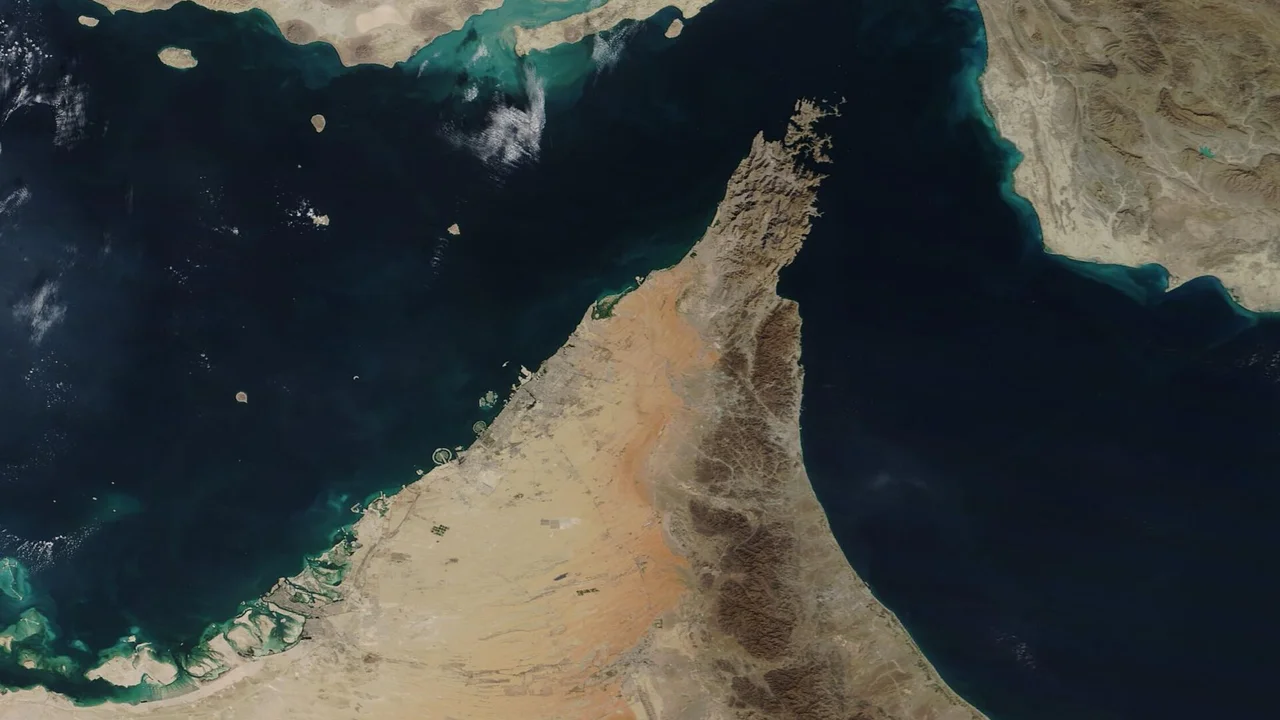
US officials report limited defensive strikes against Iranian targets in the Strait of Hormuz, while Iranian state media report explosions on Qeshm Island. A broader US campaign after the 3 November midterm elections remains a roughly even chance through 17 November; a near-term agreement to reopen the Strait is unlikely.
Executive summary
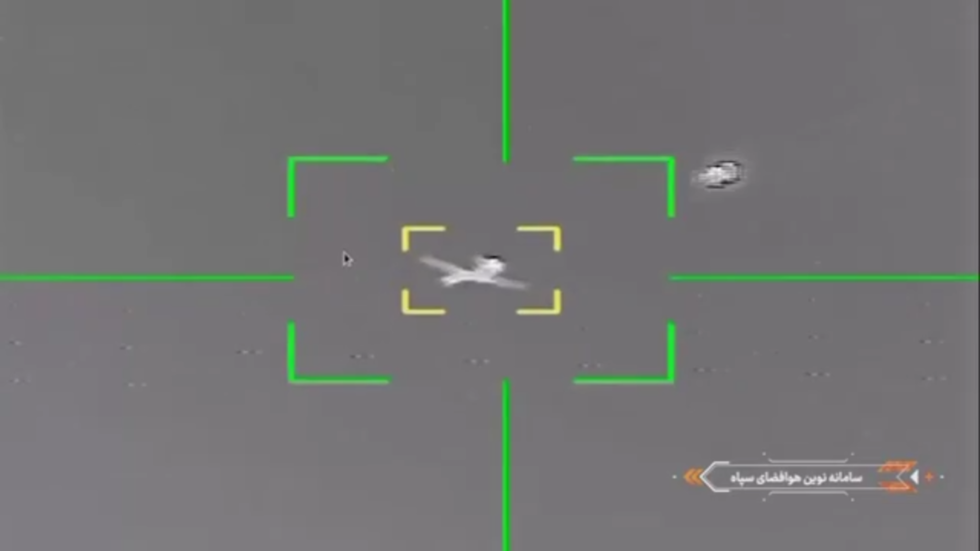
The immediate risk of further military exchanges has risen. US officials described limited strikes in the Strait of Hormuz on 2 November as defensive, following reported Iranian fire against US assets; Iranian media separately reported explosions on Qeshm Island, but responsibility for those blasts remains disputed. The IRGC also claimed it destroyed an MQ-9 drone and captured two MQM-170 reconnaissance drones, claims not independently confirmed and inconsistent on the MQM-170s' fate. Indirect talks continue, with JD Vance describing progress and Iran conditioning a Strait reopening on US concessions. UKMTO figures put Strait traffic about 70% below pre-war levels in the seven days to 28 October. Manouchehr Mottaki's reported threat against US facilities in Europe adds a wider geographic risk, but does not establish an operational decision.
Change from previous assessment
Since the 2 November brief, reporting now describes US defensive strikes in the Strait of Hormuz and explosions on Qeshm Island, raising the immediate risk of another exchange. New IRGC claims concerning an MQ-9 and two MQM-170 drones remain unverified. The assessment of a broader US campaign after the midterm elections remains a roughly even chance, with low confidence: the reported warning to Gulf governments adds weight to that risk, while public optimism about talks and the lack of a reported strike decision keep the outcome unresolved. The near-term agreement judgement remains unlikely. This brief adds focus on Strait traffic disruption and Mottaki's conditional threat against US facilities in Europe. The prior Al Mayeda attribution and incident-date uncertainty remain unresolved.
Key judgments
- US forces likely carried out limited defensive strikes against Iranian targets in the Strait of Hormuz on 2 November, after US officials said Iranian forces fired at US aircraft and used surface-to-air missiles against US assets. Iranian state media reported five explosions on Qeshm Island late that day, but did not identify the attacker. Major-media reports citing US officials support the Strait strike account; the Qeshm attribution and the reported 2 versus 3 November strike date remain unresolved. (Confidence: medium · REPORTED)
- I&W: A US military statement confirms the strike locations and targets, strengthening the reported account; an explicit correction or denial of the Strait strike would weaken it. (0-14 days)
- I&W: Iranian authorities or independent reporting identify who caused the Qeshm explosions; confirmation of a non-US cause would break any attribution of those blasts to the United States. (0-14 days)
- The IRGC's claims that it destroyed an MQ-9 east of the Strait of Hormuz and captured two MQM-170 reconnaissance drones south of Qeshm remain unverified. Reports differ on whether the MQM-170s were captured or shot down, and the claims rely on IRGC-origin reporting without independent confirmation. (Confidence: low · REPORTED)
- I&W: A US official confirms a loss matching the reported aircraft types and locations, or verifiable imagery establishes the wreckage or captured drones. (0-14 days)
- I&W: The IRGC retracts the claims or releases material showing different aircraft or locations, weakening the reported account. (0-14 days)
- A broader US military campaign against Iran between 4 and 17 November is a roughly even chance. Trump has threatened action after the midterm elections, and the Wall Street Journal reported that Washington warned Gulf governments to prepare for a short, intense campaign. Those indicators are offset by Vance's public optimism about talks and the absence of a reported US decision or formal strike order. The Gulf-government warning rests on single-outlet reporting, so this judgement remains low confidence. (Confidence: low · ASSESSED)
- I&W: Trump or the White House publicly announces a new strike order or a specific campaign timetable, supporting the assessment that a broader campaign is approaching. (0-14 days)
- I&W: Washington publicly rules out further strikes while Qatar or Pakistan announces an agreed US-Iran framework, weakening the campaign outlook. (0-14 days)
- A binding US-Iran agreement to reopen the Strait of Hormuz by 17 November is unlikely. Indirect contacts continue and Vance has reported progress, but the Qatar talks ended without a breakthrough. Iran's stated conditions include lifting the US naval blockade and easing sanctions; Baghaei says reopening can follow within two days once Iran's demands are met. Public statements from both sides establish active contacts, not agreement, and reports differ on the current status of Iran's seven-step proposal. (Confidence: medium · ASSESSED)
- I&W: Qatar or Pakistan announces that both governments accepted written terms and gives a schedule for reopening the Strait; this would break the assessment. (0-14 days)
- I&W: Iran reiterates that lifting the blockade is a prerequisite while the US confirms the blockade remains in place and no agreed text is announced. (0-14 days)
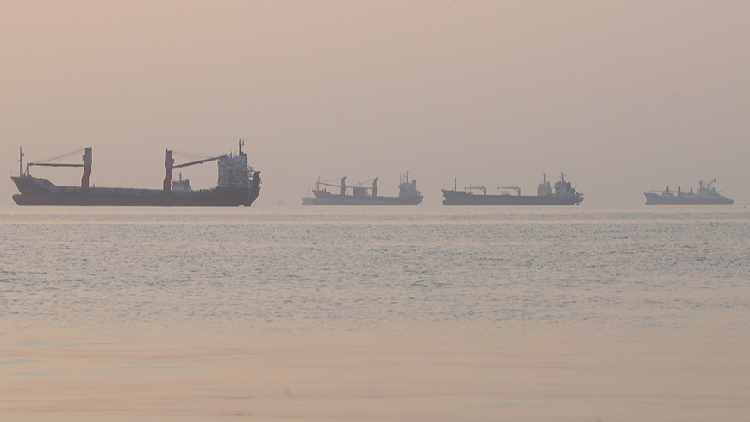
- Strait of Hormuz shipping is likely to remain below pre-war levels through 17 November. UKMTO reported 277 vessel movements in the seven days to 28 October, about 70% below pre-war levels, while CENTCOM reported 144 vessels redirected since the US blockade began. Iran also asserts its own transit controls, so the causes of disruption are contested. The dated UKMTO figure provides a useful baseline, but the claims contain no newer traffic count. (Confidence: medium · ASSESSED)
- I&W: UKMTO's next weekly report records traffic still well below pre-war levels, confirming continued disruption; a sustained return towards pre-war movement levels would break the assessment. (0-14 days)
- I&W: CENTCOM reports additional vessel redirections or Iran announces new transit restrictions affecting named vessel movements. (0-14 days)
- An Iranian strike on a US military facility in the UK, Italy, Portugal or Germany in the next 14 days is unlikely. Iranian MP and former foreign minister Manouchehr Mottaki made a conditional threat tied to renewed US military operations, and Iranian representatives named facilities in those countries as potential targets. The warning is reported through one outlet and provides no evidence of a decision or operational preparation. (Confidence: low · ASSESSED)
- I&W: Iran names a specific facility in the UK, Italy, Portugal or Germany as an authorised target, or a verified strike on one of those facilities occurs; either would break the assessment. (0-14 days)
- I&W: No Iranian strike or publicly reported operational order concerning those facilities is reported by 17 November, consistent with the assessment. (0-14 days)
Outlook & scenarios
Mediated pause without a full settlement (35%)
Qatar and Pakistan keep indirect contacts active, while Washington and Tehran avoid a broader exchange. The US blockade and Iran's conditions remain unresolved, so the Strait stays restricted and no binding reopening agreement follows by 17 November.
Contained exchanges around the Strait (20%)
US and Iranian forces continue limited actions around the Strait of Hormuz and Qeshm Island. Both sides describe their actions as defensive, while mediation continues without resolving control of transit or the US blockade.
Broader US campaign after the elections (40%)
The United States begins a short, intense campaign after 3 November, consistent with reported warnings to Gulf governments and Trump's public threats. Iran responds against US assets or shipping interests, and negotiations stall as regional shipping disruption persists.
European spillover (5%)
Renewed US strikes prompt Tehran to act on the threat attributed to Manouchehr Mottaki against US military facilities in Europe. A strike involving a facility in the UK, Italy, Portugal or Germany would widen the conflict geographically and create a high-impact crisis beyond the Persian Gulf.
Recommendations
- Separate confirmed strike reporting from attribution of the Qeshm explosions. Seek direct US military statements and compare them with Iranian state reporting before treating the Qeshm blasts as US action.
- Track the IRGC drone claims as unverified. Record aircraft type, claimed location and claimed disposition separately, and update only when US officials or verifiable imagery corroborate the account.
- For post-election warning, distinguish a limited defensive action from a broader campaign. Track public US decisions, the reported Gulf-government warning and any change in Vance's account of the negotiations.
- Monitor the stated bargaining conditions in parallel: US blockade status, Iran's sanctions and asset demands, and announcements from Qatari or Pakistani mediators. Treat an agreed text and an implementation schedule as stronger evidence of a deal than public expressions of optimism.
- Use the next UKMTO weekly movement count to test whether Strait traffic remains depressed. Keep CENTCOM redirection figures and Iranian transit-control claims separate because the sides attribute disruption to different measures.
- Share Mottaki's European-base warning with relevant regional analysts as a conditional threat, not evidence of an Iranian strike decision. Escalate the assessment if Iran names a specific facility as an authorised target or reporting identifies operational preparation.
Confidence & uncertainty
Overall confidence is high for the core picture: major-media reporting citing US officials describes limited defensive strikes, while Iranian state media independently reports explosions on Qeshm Island. Confidence is lower on responsibility for the Qeshm blasts, the IRGC's drone claims, the scale of any post-election US campaign and the European threat. Those points rely on contested attribution, single-outlet reporting or claims without independent confirmation. Public statements establish that mediation is active, but they do not establish that the parties have agreed on terms.
Intelligence gaps
- [EEI 1.1 · UNCOVERED] Concentrations or unusual movements of IRGC-Navy fast attack craft, small boat swarms, or escort vessels within 200 km of US/allied ships, including approach distances and formation changes. Recommended collection: maritime/AIS
- [EEI 1.2 · PARTIAL] Detected pre-launch activity at coastal missile or rocket batteries (vehicle dispersal, fuel/warhead handling, radars powering up, transport erector launchers moving to firing positions). Recommended collection: imagery/signals
- [EEI 1.3 · UNCOVERED] Increased launch/arming/positioning of armed UAVs (MALE/loitering munitions) or tactical aircraft at Iranian coastal bases with sortie generation rates and munitions loadouts. Recommended collection: air/ADS-B/imagery
- [EEI 1.4 · PARTIAL] Command-and-control indications of attack orders or elevated rules-of-engagement from IRGC/General Staff (intercepted communications, internal order messages, force-wide alert messages). Recommended collection: signals/human
- [EEI 2.3 · UNCOVERED] Directives, logistics movements, or communications from Iranian commanders to regional proxy militias (Houthis, Iraqi Shia militias, Lebanese groups) that change their threat posture or task them with specific operations. Recommended collection: signals/human
- [EEI 3.3 · PARTIAL] Commercial indicators of disruption: sudden increases in war-risk insurance premiums for Gulf transits, vessel re-routing decisions, port throughput reductions, or charter cancellations for Gulf shipments. Recommended collection: financial/commercial
- [EEI 3.4 · UNCOVERED] Movements or posture changes of regional state navies/air forces (Saudi, UAE, Kuwait, Bahrain, UK) such as task group departures, airbase dispersals, or announced maritime patrols near choke points. Recommended collection: open-source/imagery
Red cell review: CONCUR WITH COMMENT
TLP:CLEAR