TLP:CLEAR · Disclosure is not limited.
Persian Gulf: US-Iran Exchanges Sustain Hormuz and Escalation Risk
Time window: Last 1 day · Audience: General analyst · Type: Situation report · DTG: 2026-09-04 21:41Z · Overall confidence: HIGH
BLUF
The US-Iran direct exchange is very likely continuing, with Iranian missiles and drones reported against US-linked positions in Jordan, Kuwait, Bahrain and the United Arab Emirates, alongside US strikes on Iranian sites associated with attacks on shipping. Commercial traffic through the Strait of Hormuz is very likely to remain severely constrained, but current evidence does not establish a complete closure.
Executive summary
On 3 and 4 September, Iran reportedly launched missiles and drones against US-linked positions in Jordan, Kuwait, Bahrain and the United Arab Emirates, while US forces struck Iranian Revolutionary Guard Corps sites associated with attacks on shipping in the Strait of Hormuz. Kpler recorded only four commodity vessels through Hormuz on 3 September and another four by 0455 GMT on 4 September, compared with about 125 large vessels per day before the war. Brent crude reached $95 per barrel and US diesel prices reached $5.85 per gallon. Reporting on the alleged 1 September strike linked to a wedding in Sirik and damage near Kuhestak provides evidence of local destruction, but the US role and casualty toll remain disputed. South Korea is consulting on possible Hormuz support, while the Blue House says no deployment decision has been made.
Change from previous assessment
Since the 3 September brief, the assessment that US-Iran exchanges are ongoing is unchanged. New Kpler data showing four commodity vessels on 3 September, four vessels by 0455 GMT on 4 September and only two very large crude carriers during the week reinforces the judgement that Hormuz traffic is severely constrained, while conflicting official and tracker accounts still prevent a complete-closure assessment. The casualty assessment remains low confidence, but BBC verification now provides stronger evidence of physical damage near Kuhestak while the reported Sirik casualty toll remains disputed. A new judgement covers South Korea's consultations on possible Hormuz support, with the Blue House denial lowering the likelihood of an imminent deployment. The brief also adds the immediate economic pressure reflected in Brent crude at $95 per barrel and US diesel at $5.85 per gallon.
Key judgments
- US-Iran direct military exchanges are very likely continuing on 4 September, with Iranian attacks reported against US-linked positions in Jordan, Kuwait, Bahrain and the United Arab Emirates and US strikes against Islamic Revolutionary Guard Corps sites associated with attacks on shipping in the Strait of Hormuz. Multiple major-media reports and a Kuwaiti army statement corroborate the core exchange. The exact set of locations and whether the 3 September attacks were retaliatory remain disputed. (Confidence: high · REPORTED)
- I&W: Confirm: US Central Command, the Kuwaiti army or another host government reports a further Iranian missile or drone launch, interception or US strike involving Jordan, Kuwait, Bahrain, the United Arab Emirates or Hormuz shipping. (0-14 days)
- I&W: Break: Fourteen consecutive days pass without a corroborated Iranian launch or US strike, and Washington and Tehran announce a verified halt to attacks. (0-14 days)
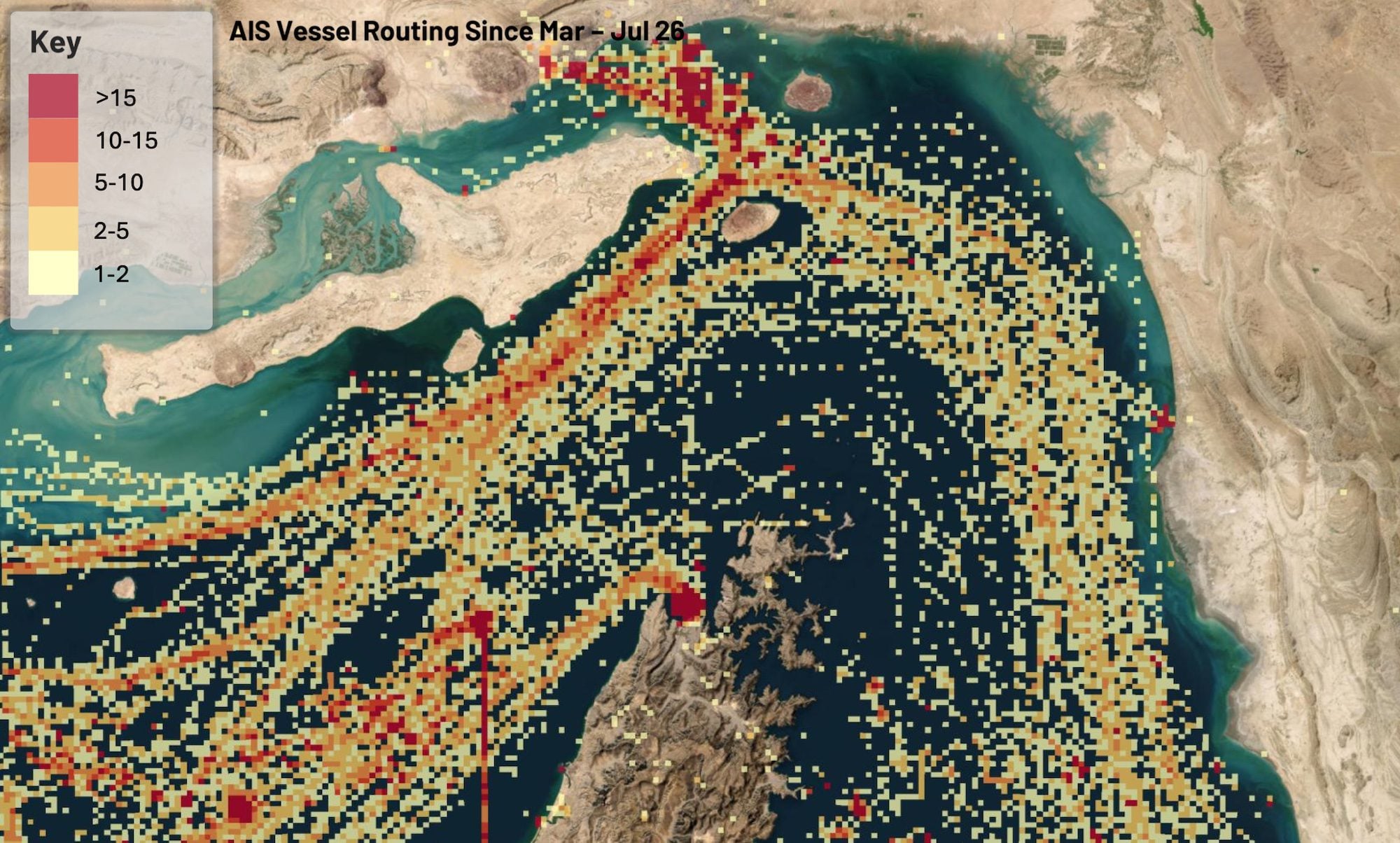
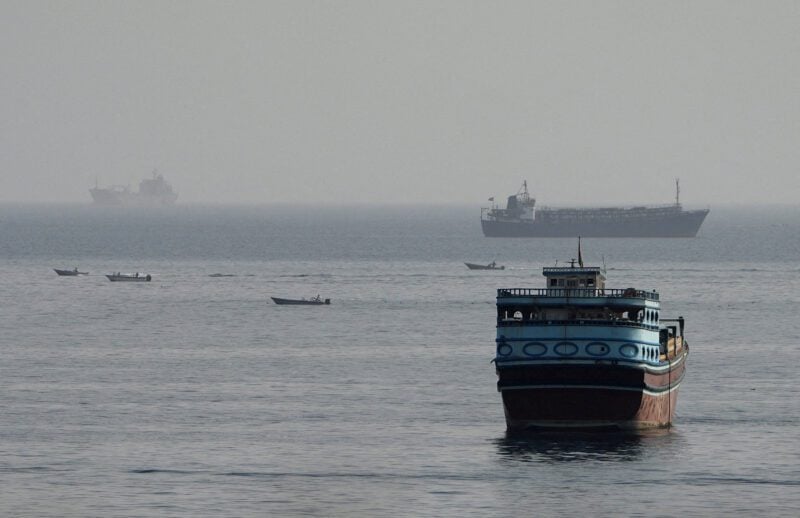
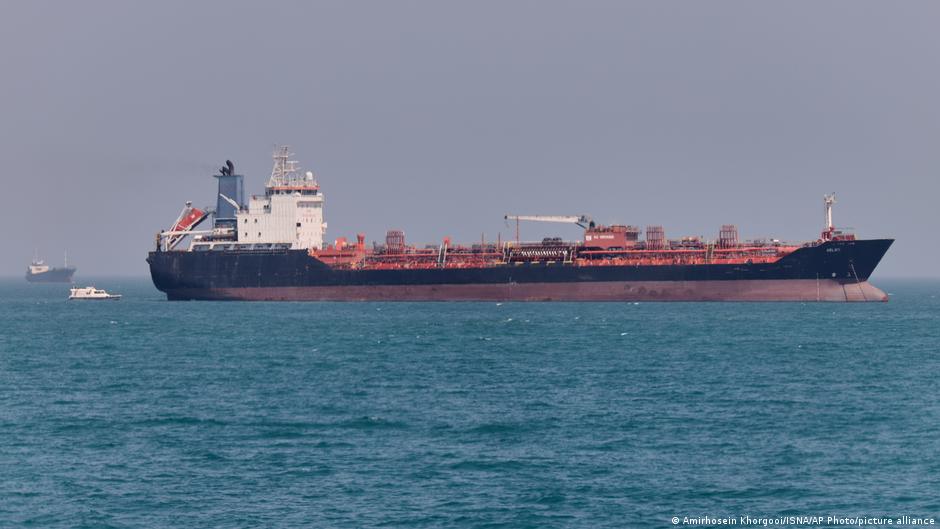
- Commercial traffic through the Strait of Hormuz is very likely to remain severely constrained over the next 14 days, but current evidence supports a low-volume passage rather than a confirmed complete closure. Kpler recorded four commodity vessels on 3 September, four vessels by 0455 GMT on 4 September and only two very large crude carriers during the week, compared with about 125 large commercial vessels per day before the war. Reporting is contradictory on the operating status: one account describes a US blockade that halted Iranian crude exports and reduced flows to roughly 5-7 million barrels per day, while other reporting describes a sufficient US-enabled trickle and continued vessel movement. (Confidence: medium · ASSESSED)
- I&W: Confirm: Kpler records four or fewer commodity vessels on at least five of the next seven days, with no return of very large crude carrier traffic. (0-14 days)
- I&W: Break: Kpler records sustained traffic near the pre-war level of 125 large vessels per day and reported oil flows recover materially from 5-7 million barrels per day. (1-3 months)
- Additional US-Iran strikes are likely during the next 14 days, while a durable ceasefire before 15 September is unlikely. The Islamic Revolutionary Guard Corps has threatened revenge for reported civilian deaths, Iran is waiting for a US concession or return to the June memorandum of understanding, and the United States has conditioned talks on an end to Iranian attacks on commercial shipping. These signals support continued confrontation, but reporting that Donald Trump is inclined to declare an end to the war and that he regards its resolution as a matter of time preserves a credible diplomatic alternative. (Confidence: medium · ASSESSED)
- I&W: Confirm: The Islamic Revolutionary Guard Corps reiterates its revenge threat and Iran launches another strike, while the US maintains its condition that commercial shipping attacks must stop before talks resume. (0-14 days)
- I&W: Break: Washington formally declares an end to the war, Iran halts attacks on commercial shipping and the two sides announce renewed talks based on the June memorandum of understanding. (0-14 days)
- US and Israeli air defences are likely to face sustained interceptor pressure over the next 1-3 months. Ryan Grim reports that the United States is expending two to four Patriot missiles for each Iranian ballistic missile directed at Jordan, Israel, Qatar or Bahrain, while Israel's ballistic missile defence stockpile is reportedly down to double digits and heavily dependent on US Navy interceptors. The US expenditure rate is single-source reporting, and the available material does not establish current US inventory levels. (Confidence: medium · ASSESSED)
- I&W: Confirm: Iran launches additional ballistic missiles towards Jordan, Israel, Qatar or Bahrain and US reporting again identifies Patriot expenditure at two to four interceptors per ballistic missile. (0-14 days)
- I&W: Break: The United States reports no further interceptor drawdown from Korea or support to Ukraine and announces replenishment that offsets the reported expenditure rate. (1-3 months)
- The reported 1 September incident linked to a wedding in Sirik and damage near Kuhestak is likely to have involved local physical destruction and some casualties, but the US role and final death toll remain unresolved. BBC verification documented a destroyed telecommunications tower and damaged houses near Kuhestak, while the Iranian Red Crescent Society reported at least four deaths and 67 injuries at the Sirik wedding. Iran separately reported 18 deaths, and Vice-President JD Vance said he was extremely sceptical while the US military investigated. This remains a thin and contested evidentiary picture. (Confidence: low · ASSESSED)
- I&W: Confirm: The US military investigation attributes the damage and casualties to a US munition, or independent imagery and forensic analysis identifies the munition and confirms the wedding-site casualty figures. (0-30 days)
- I&W: Break: The US investigation attributes the damage to another cause or an independent review finds no reliable evidence that the wedding site sustained the reported casualties. (0-30 days)
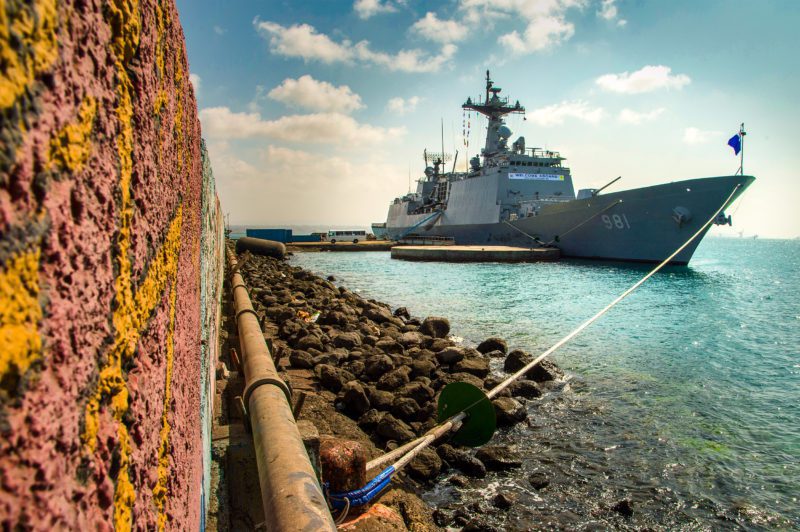
- South Korea is likely to continue preparatory consultations on Hormuz support, but an imminent deployment is unlikely without a formal decision from Seoul. Local reporting describes preparations for a naval support ship, maritime patrol aircraft and roughly 150 troops, while the Blue House says no decision has been made and reports of an imminent deployment are inaccurate. The contradiction lowers confidence in the timing, not in the existence of consultations. (Confidence: medium · ASSESSED)
- I&W: Confirm: The Blue House authorises a Hormuz mission and publicly names a naval support ship, maritime patrol aircraft and a force of about 150 troops. (0-30 days)
- I&W: Break: Seoul repeats that no decision has been made and ends consultations on ports of call, a base of operations or parliamentary approval. (0-30 days)
Outlook & scenarios
Continued attrition and constrained Hormuz (55%)
This is the likely near-term path. Iran and the United States sustain tit-for-tat strikes, Iran continues attacks on merchant vessels and US-linked positions, and the United States maintains a blockade or periodic strikes against Iranian shipping capabilities. Hormuz remains operational at a low level, with oil flows staying very low into November and energy prices remaining under pressure.
Limited diplomatic pause (30%)
A negotiated pause or US declaration that the war has ended is unlikely but credible. This path requires Iran to reduce attacks on commercial shipping and Washington to offer the concession or return to the June memorandum of understanding that Tehran is seeking. The reported US inclination to declare an end to the war provides an opening, but current preconditions remain opposed.
Regional spillover wildcard (15%)
An unlikely, high-impact path is a wider regional cycle in which Iranian attacks on US-linked positions continue alongside attacks on commercial shipping, Houthi ballistic-missile and drone operations persist in western Taiz, and South Korea authorises a Hormuz deployment. This would increase the number of military actors operating around the shipping routes and raise the risk of further disruption beyond the current low-volume traffic.
Recommendations
- Maintain a daily fused track of Iranian launches, interceptions and impacts in Jordan, Kuwait, Bahrain and the United Arab Emirates. Separate confirmed impacts from government claims and record whether each attack is described as retaliatory or unprovoked.
- Treat the Strait of Hormuz as severely constrained rather than fully closed in operational reporting. Reconcile Kpler vessel counts, oil-flow estimates and US government statements before using any single traffic figure for economic or military planning.
- Prioritise collection on the US-Iran diplomatic threshold: Iranian attacks on commercial shipping, Washington's stated precondition for talks, any US declaration ending the war, and evidence of renewed negotiations based on the June memorandum of understanding.
- Track interceptor demand by launch location and defence system. Give priority to reporting on Patriot expenditure, US drawdowns from Korea or Ukraine, Israeli stockpile levels and any replenishment announcement.
- Keep the Sirik and Kuhestak casualty reporting under a contested-attribution label until the US military investigation or independent forensic evidence resolves the munition, responsibility and death toll.
- Distinguish South Korean consultations and force preparations from an approved deployment. Treat a Blue House authorisation naming the ship, aircraft and troop contribution as the decision point for revising the regional military posture assessment.
Confidence & uncertainty
Overall confidence is high for the core situation picture because Reuters and Kpler shipping data, BBC reporting and official statements from the Kuwaiti army, the United States and South Korea provide corroboration across independent source types. Confidence is lower for the precise operating status of the Strait of Hormuz, the Sirik and Kuhestak casualty attribution, the total death toll, the conflict timeline and the timing of any South Korean deployment. The supplied reporting contains direct contradictions on war duration, closure versus limited traffic, casualty totals and attack motivation.
Intelligence gaps
- [EEI 1.1 · UNCOVERED] Concentrations or unusual movements of IRGC-Navy fast attack craft, small boat swarms, or escort vessels within 200 km of US/allied ships, including approach distances and formation changes. Recommended collection: maritime/AIS
- [EEI 1.2 · PARTIAL] Detected pre-launch activity at coastal missile or rocket batteries (vehicle dispersal, fuel/warhead handling, radars powering up, transport erector launchers moving to firing positions). Recommended collection: imagery/signals
- [EEI 1.3 · UNCOVERED] Increased launch/arming/positioning of armed UAVs (MALE/loitering munitions) or tactical aircraft at Iranian coastal bases with sortie generation rates and munitions loadouts. Recommended collection: air/ADS-B/imagery
- [EEI 1.4 · UNCOVERED] Command-and-control indications of attack orders or elevated rules-of-engagement from IRGC/General Staff (intercepted communications, internal order messages, force-wide alert messages). Recommended collection: signals/human
- [EEI 2.1 · UNCOVERED] Public statements or state-media broadcasts from Supreme Leader, President, Minister of Defense, or IRGC commanders indicating authorization, restraint, or conditions for retaliation. Recommended collection: open-source
- [EEI 2.2 · UNCOVERED] Issuance of formal orders, mobilization directives, travel restrictions, or official internal communications within IRGC/Armed Forces indicating escalation posture or stand-down. Recommended collection: human/diplomatic
- [EEI 2.3 · UNCOVERED] Directives, logistics movements, or communications from Iranian commanders to regional proxy militias (Houthis, Iraqi Shia militias, Lebanese groups) that change their threat posture or task them with specific operations. Recommended collection: signals/human
- [EEI 2.4 · PARTIAL] Changes in Iran's diplomatic exchanges with key states (offers of negotiation, warnings, or coordination with Russia/China) or requests for deconfliction with maritime/naval actors. Recommended collection: diplomatic
- [EEI 3.1 · PARTIAL] Incidents involving commercial vessels within the Strait of Hormuz or Persian Gulf: attacks, boarding attempts, near-misses, AIS spoofing or deliberate AIS outages, including vessel IDs and locations. Recommended collection: maritime/AIS
- [EEI 3.2 · UNCOVERED] Discovery or reporting of naval mines, unexploded ordnance, or damage to fixed maritime infrastructure (oil platforms, terminals, pipelines) with geolocated imagery or on-scene assessments. Recommended collection: imagery/open-source
- [EEI 3.4 · UNCOVERED] Movements or posture changes of regional state navies/air forces (Saudi, UAE, Kuwait, Bahrain, UK) such as task group departures, airbase dispersals, or announced maritime patrols near choke points. Recommended collection: open-source/imagery
Red cell review: CONCUR WITH COMMENT
TLP:CLEAR