TLP:CLEAR · Disclosure is not limited.
Persian Gulf: US-Iran Exchanges Sustain Maritime and Energy Pressure
Time window: Last 1 day · Audience: General analyst · Type: Situation report · DTG: 2026-09-17 02:08Z · Overall confidence: HIGH
BLUF
Iranian and US military exchanges are likely to continue over the next 14 days, while commercial traffic through the Strait of Hormuz remains very likely to stay severely constrained rather than completely halted. Damage to US facilities and aircraft is now well corroborated, but the cause of the Kaiya incident, responsibility for the East-West Pipeline attack and the timing of pipeline restoration remain unresolved.
Executive summary
Iranian forces have repeatedly targeted US military assets and commercial shipping around the Strait of Hormuz, while the United States has struck Iranian military positions and vessels. CENTCOM and the Pentagon inspector general report damage to hundreds of buildings across US installations in Kuwait, Bahrain, Qatar, the UAE, Saudi Arabia, Iraq, Oman and Jordan, alongside damage or destruction to dozens of US aircraft. Kpler recorded only four commodity vessels transiting Hormuz on Monday, compared with roughly 125 large commercial vessels per day before the war. Saudi Arabia's East-West Pipeline remains offline, with Yanbu loadings suspended and Aramco deliveries delayed, although the US Energy Secretary expects flows to resume within days. Houthi forces retain a declared focus on Saudi shipping after reported gains at Mocha and Perim Island, while recent US-Houthi contacts in Muscat provide a diplomatic channel.
Change from previous assessment
Since the 16 September brief, confidence has increased in the assessment that Iranian strikes caused widespread damage to US facilities and aircraft, based on new Pentagon inspector general, CENTCOM and photographic reporting. The Hormuz assessment remains severe, but current Kpler figures provide a clearer measure of restricted traffic. The East-West Pipeline judgment has been revised from very likely prolonged disruption to likely near-term disruption with medium confidence because reporting now gives directly conflicting restoration timelines, from days to weeks. The munitions assessment has been raised from low-confidence roughly even chance to a medium-confidence likelihood that ordnance deficits will constrain sustained operational tempo. The Houthi assessment now incorporates their reported control of Mocha and Perim Island and their conditional assurances to US officials. The attribution judgments remain low confidence, with the Kaiya and East-West Pipeline disputes unresolved.
Key judgments
- Direct US-Iran military exchanges are likely to continue over the next 14 days around the Strait of Hormuz and at US regional installations. Iranian forces have repeatedly targeted commercial vessels and US military assets, while the United States has conducted strikes against Iranian military positions and vessels linked to restrictions on navigation. Confidence is medium because the continuation assessment is inferential, although reporting on recent exchanges is broadly consistent. (Confidence: medium · ASSESSED)
- I&W: Confirming indicator: a new Iranian strike on a US installation, warship or contracted vessel, or a new US strike on an Iranian position or vessel, is reported and independently corroborated. (0-14 days)
- I&W: Breaking indicator: US and Iranian authorities announce and observe a formal halt to strikes, with no new military incidents reported for 14 consecutive days. (0-14 days)
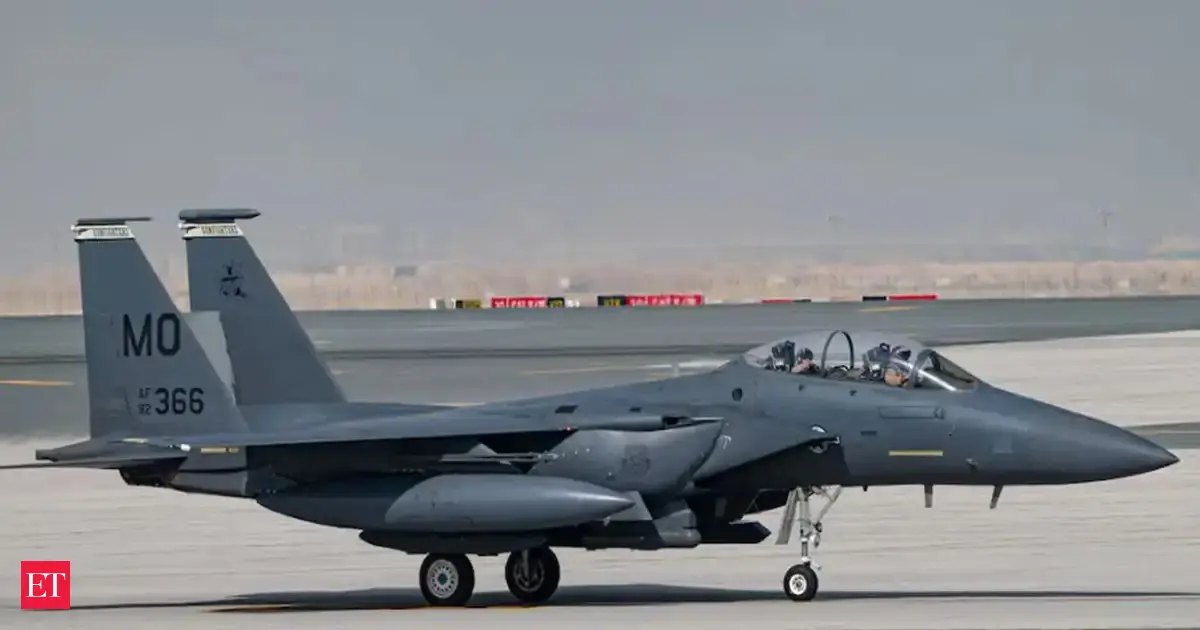
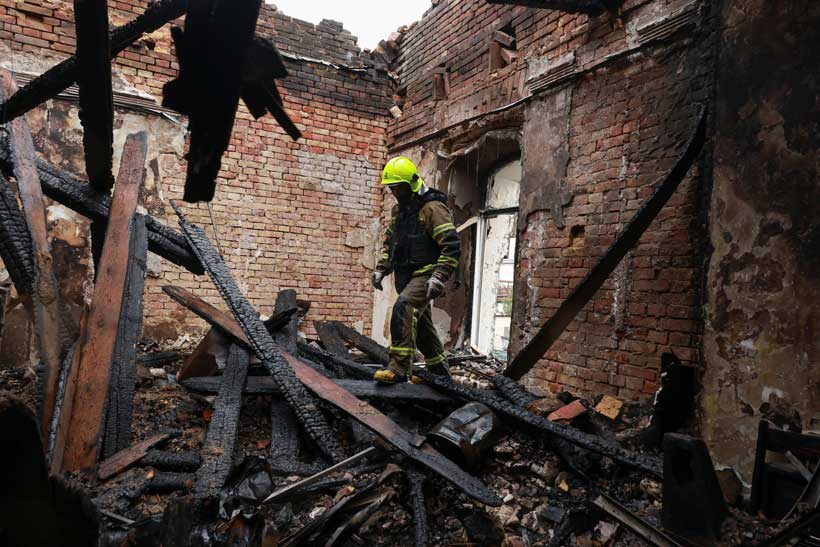
- Iranian strikes have very likely caused extensive damage to US military infrastructure across Kuwait, Bahrain, Qatar, the UAE, Saudi Arabia, Iraq, Oman and Jordan. CENTCOM and the Pentagon inspector general report damage to or destruction of hundreds of buildings and structures, while the inspector general reports that dozens of US aircraft were damaged or destroyed. Confidence is high because official CENTCOM and inspector general reporting is reinforced by photographic documentation from US installations in Saudi Arabia and Kuwait. (Confidence: high · REPORTED)
- I&W: Confirming indicator: CENTCOM or the Pentagon inspector general identifies additional damaged aircraft, buildings or facilities in the eight named countries. (0-14 days)
- I&W: Breaking indicator: an official damage assessment revises the reported hundreds of affected structures and dozens of aircraft to isolated or minor damage. (0-30 days)
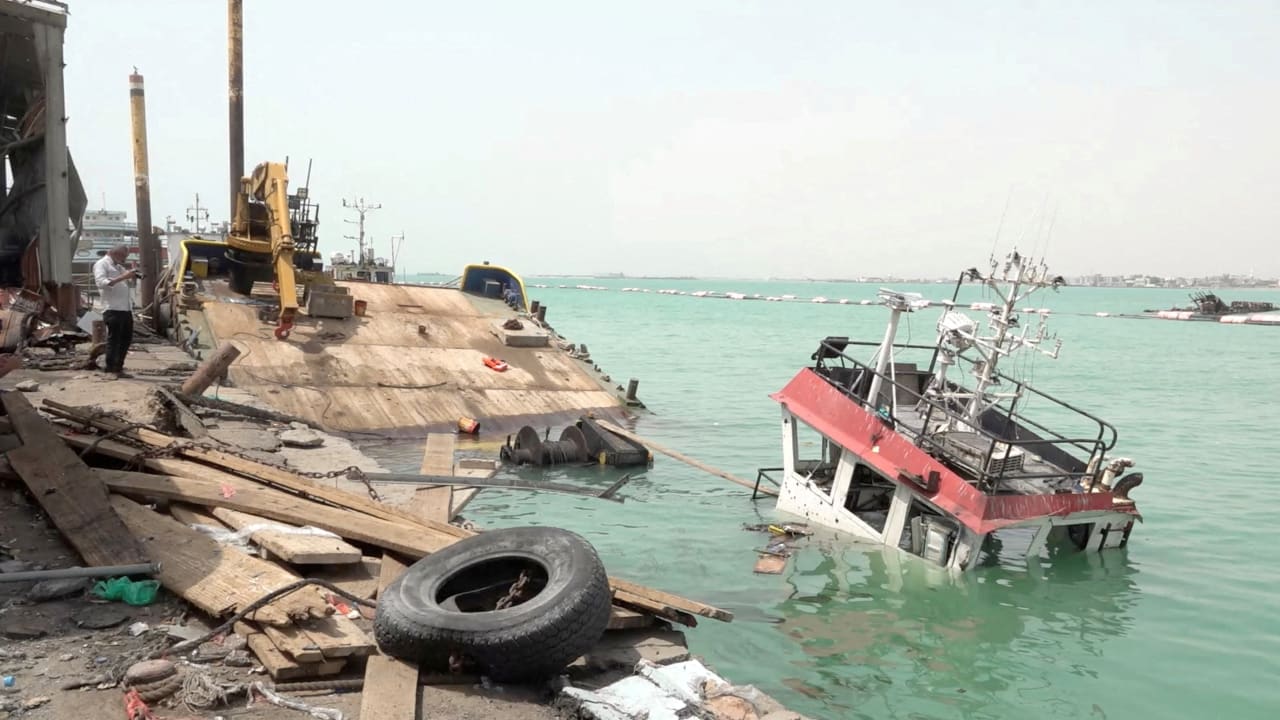
- Commercial shipping through the Strait of Hormuz is very likely to remain severely constrained over the next 14 days, but a complete halt is not established. Kpler recorded four commodity vessels transiting on Monday, down from 10 on Sunday and from roughly 125 large commercial vessels per day before the war; US efforts to establish a safer southern route have not restored normal traffic. Confidence is high for the severe disruption assessment because Kpler data, maritime reporting and shipping-sector responses converge, although the pre-war baseline differs by vessel category. (Confidence: high · ASSESSED)
- I&W: Confirming indicator: Kpler records daily Hormuz traffic remaining in single digits or below 20 large commercial vessels for at least three consecutive days. (0-14 days)
- I&W: Breaking indicator: daily traffic rises above 50 large commercial vessels for three consecutive days, accompanied by resumed normal tanker scheduling. (0-14 days)
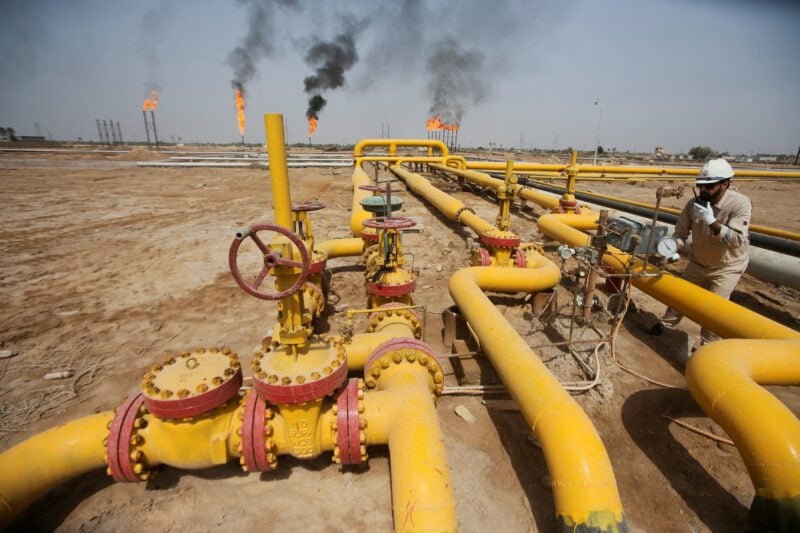
- Saudi Arabia's East-West Pipeline disruption is likely to continue affecting Red Sea exports over the next 14 days, but the restoration timeline is unresolved. The pipeline remains offline, Yanbu loadings have been suspended and Aramco has delayed some deliveries, while US Energy Secretary Chris Wright expects oil to begin flowing again within days. Confidence is medium because the operational disruption is corroborated, but reporting directly conflicts over whether the outage will last days or weeks. (Confidence: medium · ASSESSED)
- I&W: Confirming indicator: Yanbu suspends additional loadings or Aramco reports further delivery delays after the stated restoration window. (0-14 days)
- I&W: Breaking indicator: verified pipeline flows resume and Yanbu loadings restart within the period described by the US Energy Secretary. (0-14 days)
- Responsibility for the East-West Pipeline attack is unlikely to be established conclusively over the next 14 days. One account attributes the attack to Houthi forces using drones, while other reporting identifies the attackers as unknown. Confidence is low because the available evidence consists of competing accounts without an independent attribution finding. (Confidence: low · ASSESSED)
- I&W: Confirming indicator: Saudi Arabia, the United States or an independent investigation publishes evidence linking the attack to Houthi units or another named actor. (0-14 days)
- I&W: Breaking indicator: new official reporting continues to describe the attackers as unknown without assigning responsibility. (0-14 days)
- Houthi forces are likely to maintain selective pressure on Saudi-linked shipping in the Red Sea over the next 14 days. Reporting places Houthi forces in control of Mocha and Perim Island and records a fall in Bab al-Mandab traffic from 28 to 21 transits, while Houthi representatives told US officials in Muscat that they would not target US or Israeli vessels but reserved the right to attack Saudi shipping. Confidence is medium because the territorial-control reporting and Houthi assurances are not fully consistent and the assurances are conditional. (Confidence: medium · ASSESSED)
- I&W: Confirming indicator: the Houthis announce or conduct another attack, interception or declared blockade against a Saudi-flagged or Saudi-linked vessel. (0-14 days)
- I&W: Breaking indicator: the Houthis withdraw the Saudi-shipping exception and Bab al-Mandab traffic returns to at least 28 transits per day for three consecutive days. (0-14 days)
- US ordnance deficits are likely to constrain sustained operational tempo over the next 1 to 3 months. The Pentagon inspector general verified growing deficits in specific inventories, estimated USD 22.3 billion in munitions expenditure within a USD 33.4 billion campaign cost, and separate reporting states that the United States had expended close to half of its global Tomahawk stock and substantial shares of Patriot and THAAD interceptors by August. Confidence is medium because the inventory evidence is corroborated by inspector general and think-tank reporting, but the effect on future operational tempo is an analytic inference. (Confidence: medium · ASSESSED)
- I&W: Confirming indicator: the Pentagon reports delayed replenishment, reduced availability or altered employment of Tomahawk, Patriot or THAAD systems. (1-3 months)
- I&W: Breaking indicator: the Pentagon reports replenishment deliveries that restore the affected inventories while US strike and air-defence activity remains at the current tempo. (1-3 months)
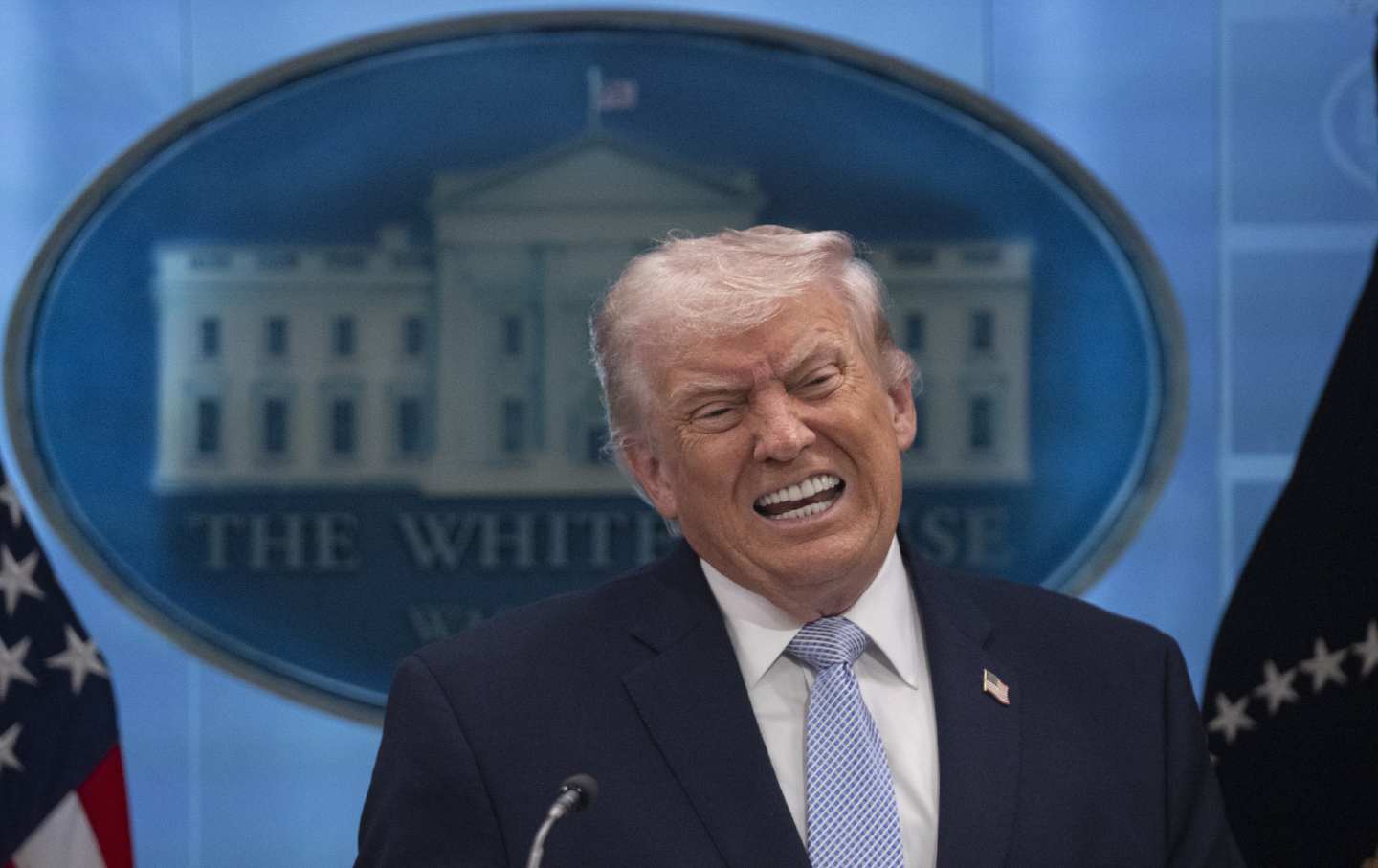
- An immediate cessation of US-Iran hostilities is unlikely over the next 14 days despite active diplomatic messaging. The planned Gulf-Iran foreign ministers' meeting in Oman was postponed on 13 September, while Donald Trump has described the war as nearing its end and separately said it will end after the election, alongside a statement that the United States may strike Pickaxe Mountain. Confidence is medium because diplomatic contacts and official statements are documented, but their timing and meaning conflict with continuing military exchanges. (Confidence: medium · ASSESSED)
- I&W: Confirming indicator: the Oman channel remains inactive or further talks are postponed while new US-Iran strikes continue. (0-14 days)
- I&W: Breaking indicator: US, Iran and Gulf governments announce a maritime or military arrangement and Hormuz traffic begins a sustained recovery. (0-14 days)
- The cause and nationality of the Kaiya incident are very unlikely to be resolved within the next 14 days. The IRGC says Kaiya was struck by a mine, CENTCOM denies that account, Fox News reports damage to an American ship in an Iranian attack, Iranian television describes an unspecified maritime incident, and US defence officials have not publicly identified the vessel or independently confirmed the report. Confidence is low because the evidence is contradictory, partly unattributed and not independently verified. (Confidence: low · ASSESSED)
- I&W: Confirming indicator: independent imagery, naval reporting or a named vessel operator establishes Kaiya's identity, flag and damage mechanism. (0-14 days)
- I&W: Breaking indicator: CENTCOM, Oman or a neutral maritime organisation publishes a consistent account that resolves both the vessel's nationality and the cause of the incident. (0-14 days)
Outlook & scenarios
Continued constrained confrontation (60%)
US-Iran strikes continue at a controlled but persistent rate, Hormuz traffic remains in single or low double digits, and the East-West Pipeline outage continues to affect Yanbu exports. Houthi forces maintain their Saudi-shipping exception without directly attacking US or Israeli vessels.
Limited maritime de-escalation (23%)
Oman-mediated contacts resume and Gulf states reopen discussions with Iran on Strait of Hormuz access. Houthi forces maintain their assurances to US officials, Saudi-linked shipping faces fewer attacks, and commercial traffic begins a gradual recovery while the pipeline restoration proceeds.
Renewed regional escalation (12%)
The United States strikes Pickaxe Mountain or another Iranian military or nuclear-related facility. Iran responds against US installations, warships or shipping, while Houthi forces expand attacks beyond Saudi-linked vessels. Hormuz traffic falls further and regional energy pressure intensifies.
Maritime cascade and energy shock (5%)
A further attack on a commercial or US-contracted vessel coincides with continued East-West Pipeline disruption and Houthi attacks on Saudi shipping. Shipping operators suspend additional Hormuz and Bab al-Mandab routes, producing a sharp and sustained reduction in regional maritime traffic.
Recommendations
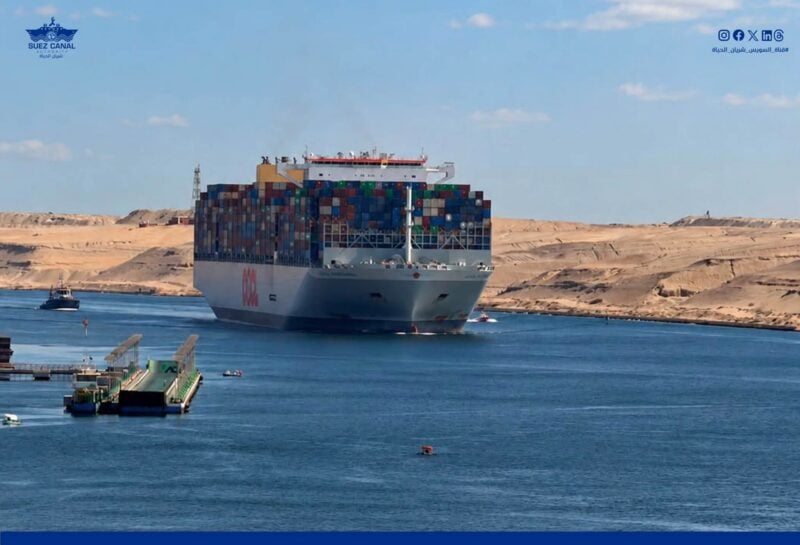
- Maintain a daily shipping dashboard that separates tankers, commodity vessels and large commercial vessels, using Kpler counts for the Strait of Hormuz and Bab al-Mandab alongside Suez Canal transits.
- Prioritise independent collection on the Kaiya incident and the reported US-contracted vessel attack. Reconcile vessel identity, flag, damage mechanism and attribution before incorporating either account into high-confidence analysis.
- Track CENTCOM and Pentagon inspector general updates on damage to US facilities in Kuwait, Bahrain, Qatar, the UAE, Saudi Arabia, Iraq, Oman and Jordan. Separate confirmed structural damage from unverified claims about specific headquarters or platforms.
- Monitor US munitions replenishment, Tomahawk expenditure and Patriot and THAAD interceptor availability. Treat any reported reduction in strike or air-defence tempo as a potential indicator of logistical constraint rather than political de-escalation.
- Track the East-West Pipeline through verified flow data, Yanbu loading notices, Aramco delivery schedules and ship-to-ship transfers in the Gulf of Oman. Maintain separate timelines for physical restoration and the resumption of commercial exports.
- Monitor the Oman channel for a reconvened Gulf-Iran meeting, specific navigation terms and any change in Houthi assurances. Compare declared Houthi restrictions with actual incidents involving Saudi, US and Israeli-linked vessels.
- Prepare a rapid warning note if the United States announces action against Pickaxe Mountain, if Iran conducts a new strike on a US installation or warship, or if Houthi forces attack a vessel outside their stated Saudi-shipping exception.
Confidence & uncertainty
Overall confidence is high for the core developments because official CENTCOM and Pentagon inspector general reporting, International Maritime Organization data, Kpler traffic figures, major-media reporting and photographic evidence independently corroborate widespread military damage and severe maritime disruption. Confidence is lower for attribution and intent, particularly the Kaiya incident, the East-West Pipeline attack and the scope of Houthi territorial control. The conflicting pipeline restoration timelines and competing US and Iranian statements about the war's end state remain the principal uncertainties.
Intelligence gaps
- [EEI 1.1 · PARTIAL] Concentrations or unusual movements of IRGC-Navy fast attack craft, small boat swarms, or escort vessels within 200 km of US/allied ships, including approach distances and formation changes. Recommended collection: maritime/AIS
- [EEI 1.2 · UNCOVERED] Detected pre-launch activity at coastal missile or rocket batteries (vehicle dispersal, fuel/warhead handling, radars powering up, transport erector launchers moving to firing positions). Recommended collection: imagery/signals
- [EEI 1.3 · UNCOVERED] Increased launch/arming/positioning of armed UAVs (MALE/loitering munitions) or tactical aircraft at Iranian coastal bases with sortie generation rates and munitions loadouts. Recommended collection: air/ADS-B/imagery
- [EEI 1.4 · UNCOVERED] Command-and-control indications of attack orders or elevated rules-of-engagement from IRGC/General Staff (intercepted communications, internal order messages, force-wide alert messages). Recommended collection: signals/human
- [EEI 2.2 · UNCOVERED] Issuance of formal orders, mobilization directives, travel restrictions, or official internal communications within IRGC/Armed Forces indicating escalation posture or stand-down. Recommended collection: human/diplomatic
- [EEI 2.3 · PARTIAL] Directives, logistics movements, or communications from Iranian commanders to regional proxy militias (Houthis, Iraqi Shia militias, Lebanese groups) that change their threat posture or task them with specific operations. Recommended collection: signals/human
- [EEI 2.4 · UNCOVERED] Changes in Iran's diplomatic exchanges with key states (offers of negotiation, warnings, or coordination with Russia/China) or requests for deconfliction with maritime/naval actors. Recommended collection: diplomatic
- [EEI 3.4 · UNCOVERED] Movements or posture changes of regional state navies/air forces (Saudi, UAE, Kuwait, Bahrain, UK) such as task group departures, airbase dispersals, or announced maritime patrols near choke points. Recommended collection: open-source/imagery
Cited sources
[1] gCaptain · Fox News: Iran Attack Hits U.S.-Contracted Ship Carrying American Personnel (C) · Wed Sep 16 2026 15:12:42 GMT+0000 (Coordinated Universal Time) · sha256:a3085b96974a [2] TV7 Israel News · Iran’s Nuclear Red Line: Could Tehran Trigger a New U.S.-Israel Strike? (B) · sha256:b82921371e2c [3] Alnilin (alnilin.com), republishing Sputnik content · إعلام: دول الخليج فقدت ثقتها في أمريكا بسبب حرب إيران (D) · Wed Sep 16 2026 16:30:01 GMT+0000 (Coordinated Universal Time) · sha256:72b6f0264e26 [4] The Tribune (syndicated ANI content) · Shredded tents, destroyed jet: Images reveal hidden scale of Iranian strikes on US Gulf bases - The Tribune (B) · Thu Sep 17 2026 01:27:06 GMT+0000 (Coordinated Universal Time) · sha256:ea7d2d53779d [5] Economic Times · Iranian strikes damaged 3 US bases in Gulf: Report (B) · Wed Sep 16 2026 19:01:00 GMT+0000 (Coordinated Universal Time) · sha256:1c52174e4f36 [6] The Jerusalem Post · The Iran war is creating a new global energy risk beyond the Strait of Hormuz - analysis (B) · Wed Sep 16 2026 11:14:38 GMT+0000 (Coordinated Universal Time) · sha256:9f478a5664fd [7] The Nation · Trump Has Lost Interest in the Iran War, but It’s Still Quite Interested in Him (B) · Wed Sep 16 2026 09:00:00 GMT+0000 (Coordinated Universal Time) · sha256:e869ef07f998 [8] The Maritime Executive / International Maritime Organization (IMO) · IMO Renews Call to Stop Attacks on Seafarers and Commercial Ships (A) · sha256:253e6f167beb [9] gCaptain (republishing Bloomberg) · Saudis Pivot to Send More Oil Via Hormuz After Pipeline Shut (A) · Wed Sep 16 2026 16:48:55 GMT+0000 (Coordinated Universal Time) · sha256:9785af74bd73 [10] nabd.com · الاستثمار في السلام. خيار دول الخليج الأمثل (F) · Wed Sep 16 2026 12:42:44 GMT+0000 (Coordinated Universal Time) · sha256:e280ae9b4a95 [11] Reuters (republished by gCaptain) · U.S. Held Secret Talks With Houthis After Red Sea Offensive, Reuters Reports (A) · Wed Sep 16 2026 16:42:40 GMT+0000 (Coordinated Universal Time) · sha256:412b9fb4b71b [12] gCaptain · Container Shipping Returns to Suez Despite Rising Red Sea Risks (C) · Wed Sep 16 2026 21:51:10 GMT+0000 (Coordinated Universal Time) · sha256:2e354d17992e [13] Modern Diplomacy · The Politics of Shared Scarcity (C) · Wed Sep 16 2026 04:00:00 GMT+0000 (Coordinated Universal Time) · sha256:dfe0016296cf [14] khabarpu.com (Iranian news aggregator) · آمریکا ارزشی در بازسازی پایگاههای خود در خلیج فارس نمیبیند (E) · sha256:8443401dca49 [15] Zad Iran زاد إيران (Facebook page) · 🔴 الحرس الثـ ـوري يقول إنها تعرضت للغم والقيادة المركزية الأمريكية تنفي. مشاهد بثها التلفزيون الإيراني لتصاعد الدخان من ناقلة النفط "الكايا" بعد تعرضها لحادث ملاحي قبالة السواحل الجنوبية لإيران في مضيق هرمز #زاد_إيران #إيران | Zad Iran زاد إيران (E) · sha256:ad999f41ee46
Source content hashes were computed at collection time; the cited text is preserved unmodified for the life of this product.
TLP:CLEAR