TLP:CLEAR · Disclosure is not limited.
Persian Gulf: US-Iran Exchanges Tighten Maritime and Diplomatic Pressure
Time window: Last 1 day · Audience: General analyst · Type: Situation report · DTG: 2026-08-19 14:59Z · Overall confidence: MEDIUM
BLUF
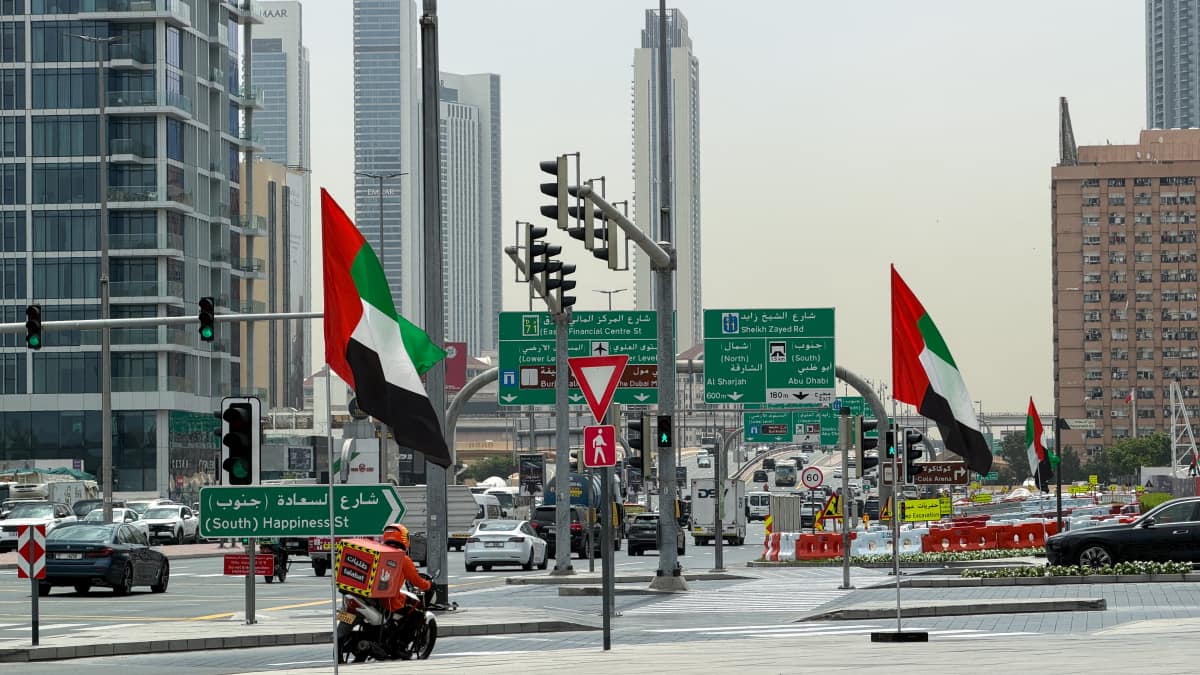
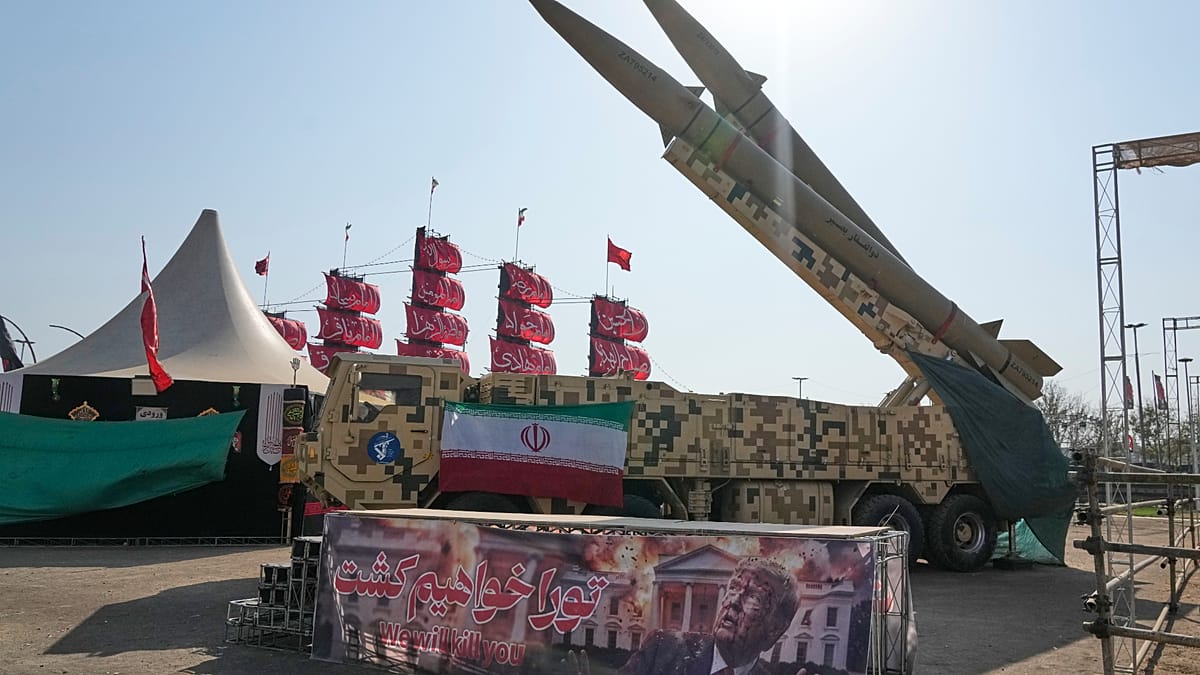
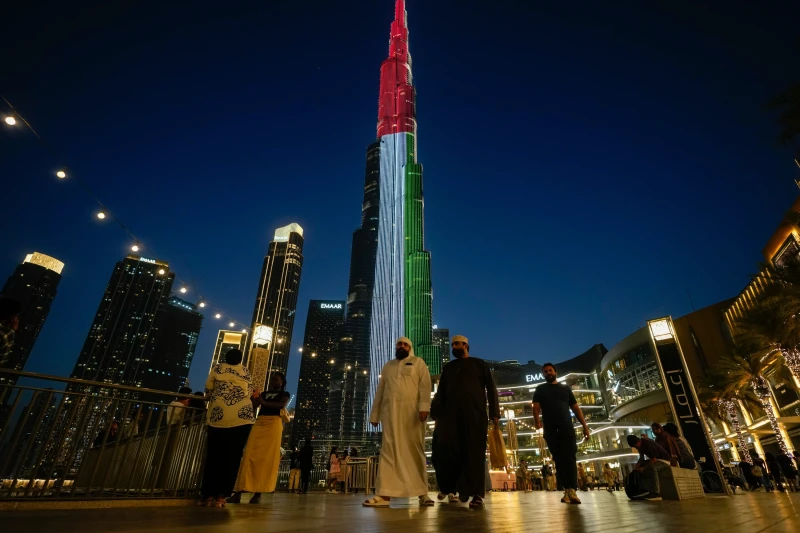
The UAE reports detecting two ballistic missiles launched from Iranian territory, while Tehran denies responsibility and has warned Gulf states against assisting US operations. Commercial traffic through the Strait of Hormuz remains severely constrained, the UAE has suspended trade and financial dealings with Iran, and direct US-Iran diplomacy has narrowed.
Executive summary
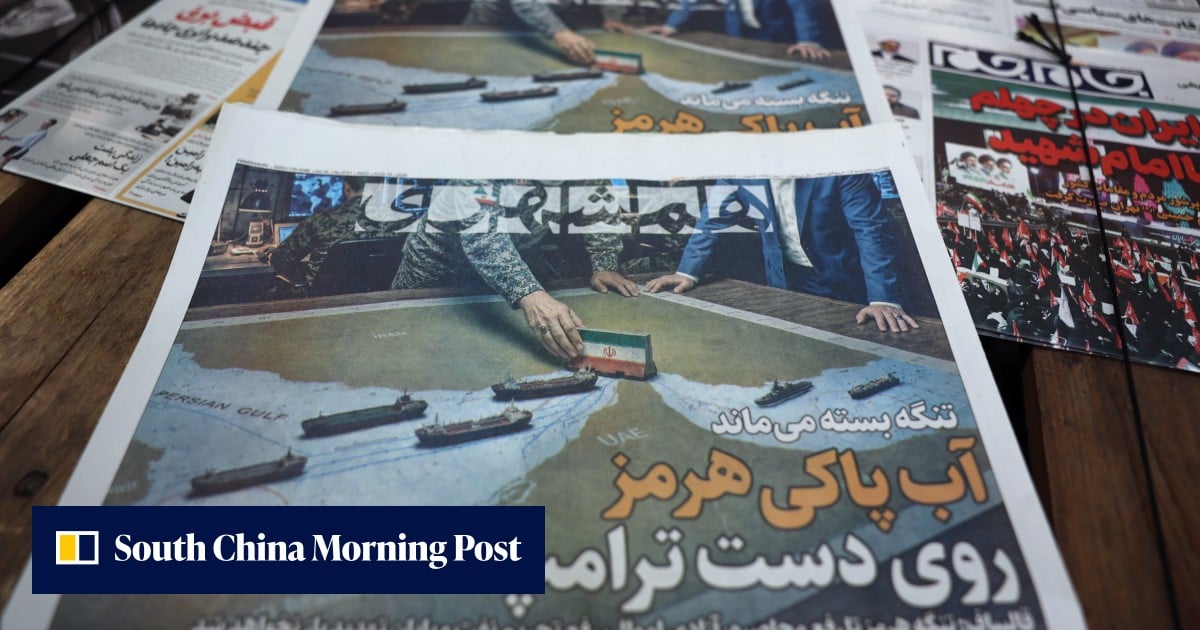
The current picture is one of sustained military and economic pressure with limited diplomatic space. The UAE has reported missile launches from Iranian territory and suspended trade with Iran. Traffic through the Strait of Hormuz remains below pre-war levels, although reports differ on whether movement is at a complete standstill. Iran and Oman are discussing management of Hormuz without US participation, while Yemen's Houthi militants have declared a maritime blockade on Saudi Arabia and Al-Mokha Port remains closed. Italy, the UK and France have reinforced nearby maritime or air-defence positions.
Change from previous assessment
Since the 17 July brief, the UAE trade suspension and the reported missile episode have become the main new developments. The shipping assessment has shifted from traffic being down by roughly half to a more severe picture, although the reported standstill conflicts with evidence that vessels continue to use the Omani route. Direct US-Iran negotiations are now assessed as very unlikely after the reported expiry of the June memorandum and Donald Trump's 18 August statement. An Iran-Oman management track has been added as a limited diplomatic alternative. Confidence in missile attribution is lower than in the prior brief because Tehran's denial is prominent in the current reporting. Overall, this is a reassessment of the same escalating crisis, not a new baseline.
Key judgments
- The UAE very likely detected two ballistic missiles launched from Iranian territory, but Iranian responsibility for the launch remains contested because Tehran denies firing them. (Confidence: medium · REPORTED)
- I&W: Confirm: within 0-14 days, the UAE Ministry of Defence or an independent tracking source publishes launch-track or debris evidence tying the missiles to Iranian territory. (0-14 days)
- I&W: Break: within 0-14 days, the UAE withdraws the attribution or a separate tracking account identifies a non-Iranian launch origin. (0-14 days)
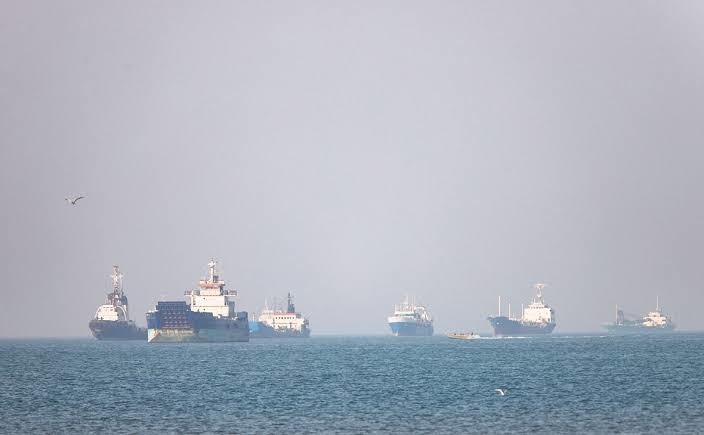
- The Strait of Hormuz is very likely to remain severely constrained for commercial shipping over the next 14 days, with traffic below pre-war levels and more than 80 percent of observed transits using the Omani route; the separate claim that traffic is at a complete standstill remains uncorroborated. (Confidence: medium · ASSESSED)
- I&W: Confirm: within 0-14 days, Kpler or comparable route data continue to show more than 80 percent of observed Hormuz transits using the Omani route and aggregate traffic below pre-war levels. (0-14 days)
- I&W: Break: within 0-14 days, route data show traffic returning to pre-war levels and more than half of transits using routes other than Oman. (0-14 days)
- The UAE has very likely suspended trade and financial transactions with Iran, adding direct economic pressure on Tehran because the UAE is Iran's second-largest trading partner and bilateral trade was around $27 billion before the war; confidence is reduced by conflicting reporting over the timing and scope of the suspension. (Confidence: medium · ASSESSED)
- I&W: Confirm: within 0-14 days, UAE official channels maintain the suspension until further notice and financial institutions or commercial operators continue restricting Iran-related transactions. (0-14 days)
- I&W: Break: within 0-14 days, the UAE announces a resumption of trade or financial dealings with Iran. (0-14 days)
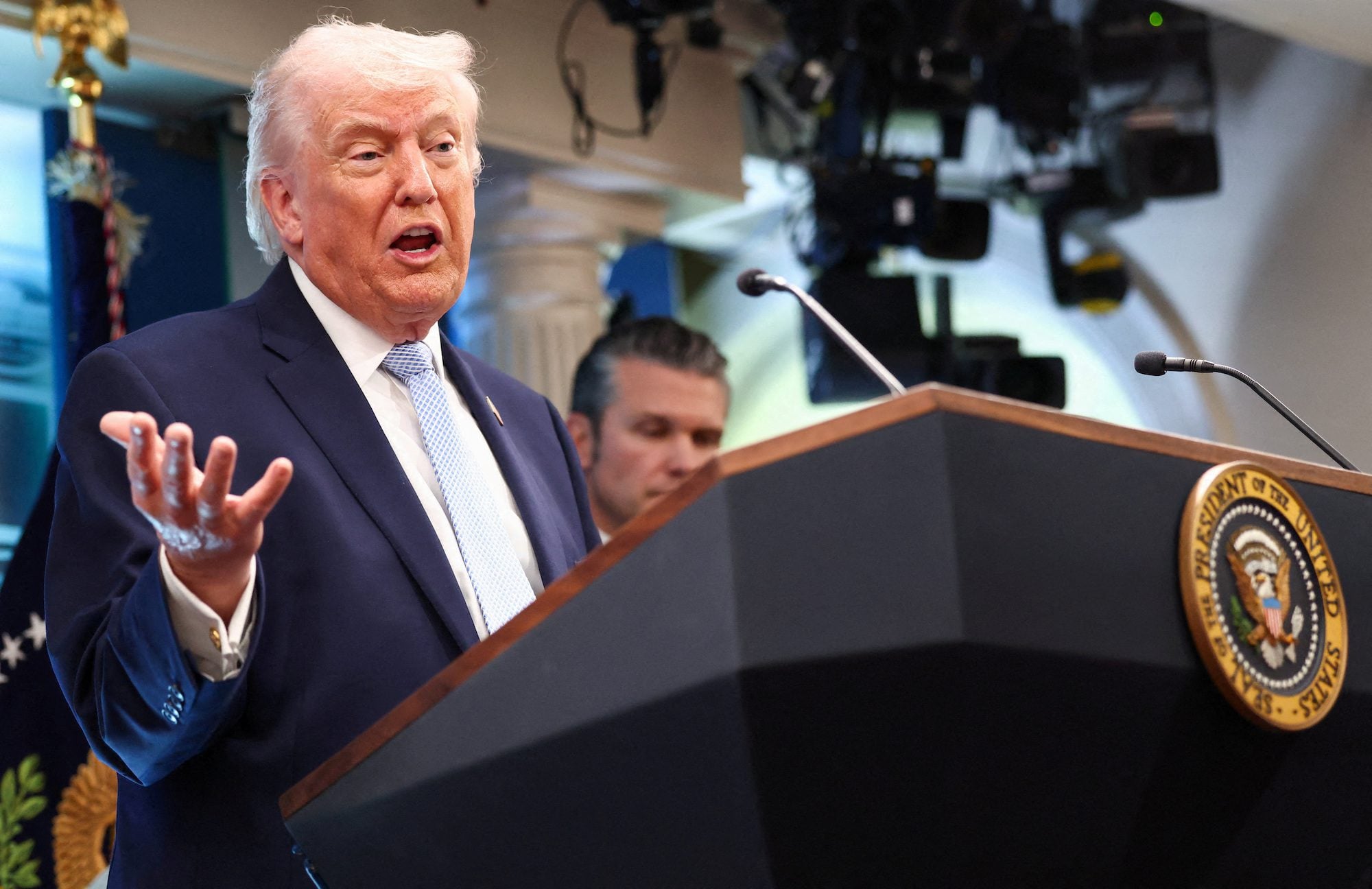
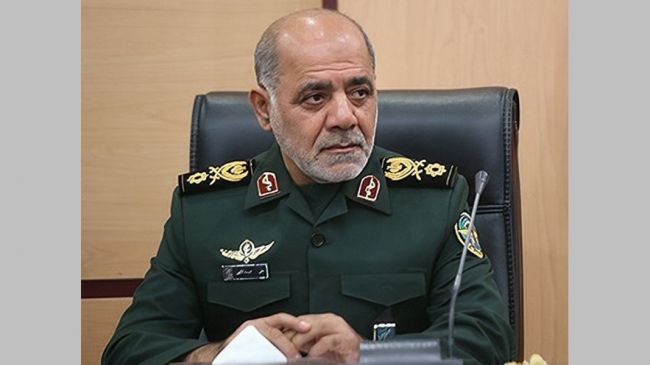
- The US-Iran confrontation is very likely to remain acute over the next 14 days: Washington's stated posture combines military force, economic pressure and diplomatic isolation, while Iran's armed forces warn Gulf states that assistance to the US amounts to war. Direct US-Iran negotiations are very unlikely during that period, although Iran-Oman talks on managing Hormuz provide a limited and untested diplomatic off-ramp. (Confidence: medium · ASSESSED)
- I&W: Confirm: within 0-14 days, Donald Trump repeats that no US-Iran talks are scheduled and Iran's armed forces issue another warning to Gulf states. (0-14 days)
- I&W: Break: within 0-14 days, the White House announces a direct channel with Tehran or Iran and Oman announce a signed arrangement governing Hormuz. (0-14 days)
- Regional maritime risk is likely to widen beyond Hormuz into the Red Sea and the waters around Al-Mokha, Yemen, but this is a low-confidence inference from separate developments rather than a confirmed single campaign. Yemen's Houthi militants have declared a maritime blockade on Saudi Arabia, Al-Mokha Port remains closed to commercial traffic, and Italy, the UK and France have reinforced nearby defence positions. (Confidence: low · ASSESSED)
- I&W: Confirm: within 0-14 days, UKMTO records another security incident near Al-Mokha or the Houthi movement announces new action against Saudi-bound maritime traffic. (0-14 days)
- I&W: Break: within 0-14 days, Al-Mokha Port reopens to commercial traffic and no additional deployments by Italy, the UK or France are reported. (0-14 days)
Outlook & scenarios
Constrained maritime crisis (60%)
This scenario is likely over the next 0-30 days. Hormuz traffic remains below pre-war levels, most vessels use the Omani route, and attacks or threat reporting keep insurers and operators cautious. The UAE maintains its trade suspension, while Washington and Tehran continue hostile public messaging without restoring direct talks.
Limited Iran-Oman management arrangement (30%)
This scenario is unlikely but remains viable over the next 1-3 months. Iran and Oman reach a limited arrangement for managing Hormuz, producing partial and conditional commercial transit. The arrangement does not immediately restore direct US-Iran negotiations and leaves tolling, access and enforcement contested.
Red Sea and Gulf widening (20%)
This scenario is unlikely over the next 0-90 days. Yemen's Houthi militants intensify pressure on Saudi-bound maritime traffic, Al-Mokha remains closed, and additional European deployments follow. The UAE missile episode becomes a wider Gulf security crisis if further attacks affect UAE-linked vessels or facilities.
Direct escalation after a maritime or Gulf incident (8%)
This is an unlikely, high-impact wildcard over the next 0-30 days. A further missile or projectile incident causes deaths or damage at a Gulf port, against a commercial vessel, or near a US position. Washington responds militarily, Tehran widens attacks on US-linked or Gulf targets, and the Oman channel fails to contain the crisis.
Recommendations
- Set a 0-14 day collection priority on missile attribution and maritime movement. Cross-check UAE Ministry of Defence reporting with independent launch-track data, Kpler route data, UKMTO notices and JMIC assessments. Record the launch origin, vessel, location, casualty figure and port status for each incident.
- Track implementation of the UAE's Iran trade suspension through official notices, financial restrictions and commercial activity involving UAE ports and Iran-linked firms. Reconcile the conflicting reports over whether the measure is a suspension, a complete embargo or an open-ended severing of ties.
- Monitor the Iran-Oman channel for a signed Hormuz management arrangement, published transit rules or a toll mechanism. Treat the channel as an untested off-ramp until an agreement is announced and vessel movements change.
- Maintain a separate Red Sea watchlist for Al-Mokha Port, Saudi-bound shipping and Houthi statements. Flag any new UKMTO incident near Al-Mokha or further naval and air-defence deployments by Italy, the UK or France.
- Apply a two-stage attribution standard to missile and shipping incidents: distinguish detection from launch origin, and launch origin from intent. Do not treat the UAE's attribution as established while Iran's denial remains unresolved.
- Quarantine undated, internally inconsistent or low-confidence historical claims from immediate warning products until they are reconciled with current reporting. Use the 17 July brief as the baseline for changes in shipping severity, diplomatic activity and Gulf-state exposure.
Confidence & uncertainty
Overall confidence is medium. The core developments have repeated major-media reporting, official UAE Ministry of Defence reporting and corroborating maritime information from Kpler, UKMTO and JMIC. Confidence is reduced by conflicting claims over Iranian responsibility for the missile launch, the severity of Hormuz traffic disruption and the scope and timing of the UAE trade suspension. The Iran-Oman diplomatic track and the assessment of wider regional expansion also rely on limited reporting and remain untested.
Intelligence gaps
- [EEI 1.1 · PARTIAL] Concentrations or unusual movements of IRGC-Navy fast attack craft, small boat swarms, or escort vessels within 200 km of US/allied ships, including approach distances and formation changes. Recommended collection: maritime/AIS
- [EEI 1.2 · UNCOVERED] Detected pre-launch activity at coastal missile or rocket batteries (vehicle dispersal, fuel/warhead handling, radars powering up, transport erector launchers moving to firing positions). Recommended collection: imagery/signals
- [EEI 1.3 · UNCOVERED] Increased launch/arming/positioning of armed UAVs (MALE/loitering munitions) or tactical aircraft at Iranian coastal bases with sortie generation rates and munitions loadouts. Recommended collection: air/ADS-B/imagery
- [EEI 1.4 · UNCOVERED] Command-and-control indications of attack orders or elevated rules-of-engagement from IRGC/General Staff (intercepted communications, internal order messages, force-wide alert messages). Recommended collection: signals/human
- [EEI 2.2 · UNCOVERED] Issuance of formal orders, mobilization directives, travel restrictions, or official internal communications within IRGC/Armed Forces indicating escalation posture or stand-down. Recommended collection: human/diplomatic
- [EEI 2.3 · UNCOVERED] Directives, logistics movements, or communications from Iranian commanders to regional proxy militias (Houthis, Iraqi Shia militias, Lebanese groups) that change their threat posture or task them with specific operations. Recommended collection: signals/human
- [EEI 3.2 · UNCOVERED] Discovery or reporting of naval mines, unexploded ordnance, or damage to fixed maritime infrastructure (oil platforms, terminals, pipelines) with geolocated imagery or on-scene assessments. Recommended collection: imagery/open-source
- [EEI 3.3 · PARTIAL] Commercial indicators of disruption: sudden increases in war-risk insurance premiums for Gulf transits, vessel re-routing decisions, port throughput reductions, or charter cancellations for Gulf shipments. Recommended collection: financial/commercial
Cited sources
[1] AKIpress News Agency · UAE reports Iranian missile launch as tensions rise in the Persian Gulf (B) · sha256:25c208052c7a [2] iz.ru · Трамп отрицает ведение переговоров с Ираном. Что пишут СМИ (B) · sha256:9eb02ab1a096 [3] The Globe and Mail · UAE suspends trade with Iran after coming under renewed fire, adding economic pressure (A) · sha256:e0ed7f7bdf6f [4] maritime-executive.com · UAE Suspends Trade With Iran Following Antiship Missile Strike (B) · sha256:c0e96787eb97 [5] gcaptain.com · Trump Takes Iran Hard Line as Hormuz Tensions Set New Normal (B) · sha256:86680537beed [6] Euronews · США и Иран замораживают переговоры: Трамп меняет стратегию (B) · sha256:3d848337b250 [7] nationalsecurityjournal.org · Trump Just Got Handed a Chilling Read From Tehran: The View Inside Iran Is That ‘The Main War Has Not Yet Begun’ (B) · sha256:194085acba9f [8] gcaptain.com · Cargo Ship Destroyed in New Attack Off Yemen (B) · sha256:3d58e4877117 [9] firstpost.com · UAE faces missile threats: Why has the Gulf nation suspended trade with Iran? (B) · sha256:f240d610535d [10] eadaily.com · Генштаб ВС Ирана странам Персидского залива: Любая помощь США — это война против нас: EADaily (B) · sha256:5b379af7ed8a [11] scmp.com · Iran warns Gulf nations against helping US as UAE halts trade ties (B) · sha256:b8e1230cbfed [12] thenewregion.com · The New Region (B) · sha256:96671934c898 [13] gcaptain.com · Saudis Offer to Sell Oil Near Oman, a Possible Sign They’re Sailing Dark Through Hormuz (B) · sha256:3c2ade769f31 [14] Wikipedia · 2026 Iran war regional mobilizations (B) · sha256:8db08c76c5f9
Source content hashes were computed at collection time; the cited text is preserved unmodified for the life of this product.
Red cell review: CONCUR WITH COMMENT
TLP:CLEAR