TLP:CLEAR · Disclosure is not limited.
Persian Gulf: US, Iran strikes, Gulf launches, and contested control of the Strait of Hormuz
Time window: Last 7 days · Audience: General analyst · Type: Situation report · DTG: 2026-06-29 00:31Z · Overall confidence: LOW
BLUF
US forces struck Iranian military targets on 27-28 June after Iranian drone attacks on tankers, and Iran responded with missile and drone launches against US-linked sites in Bahrain and Kuwait. Tehran is asserting unilateral control of the Strait of Hormuz for 30 days, heightening near-term maritime risk and putting the 18 June ceasefire memorandum in jeopardy.
Executive summary
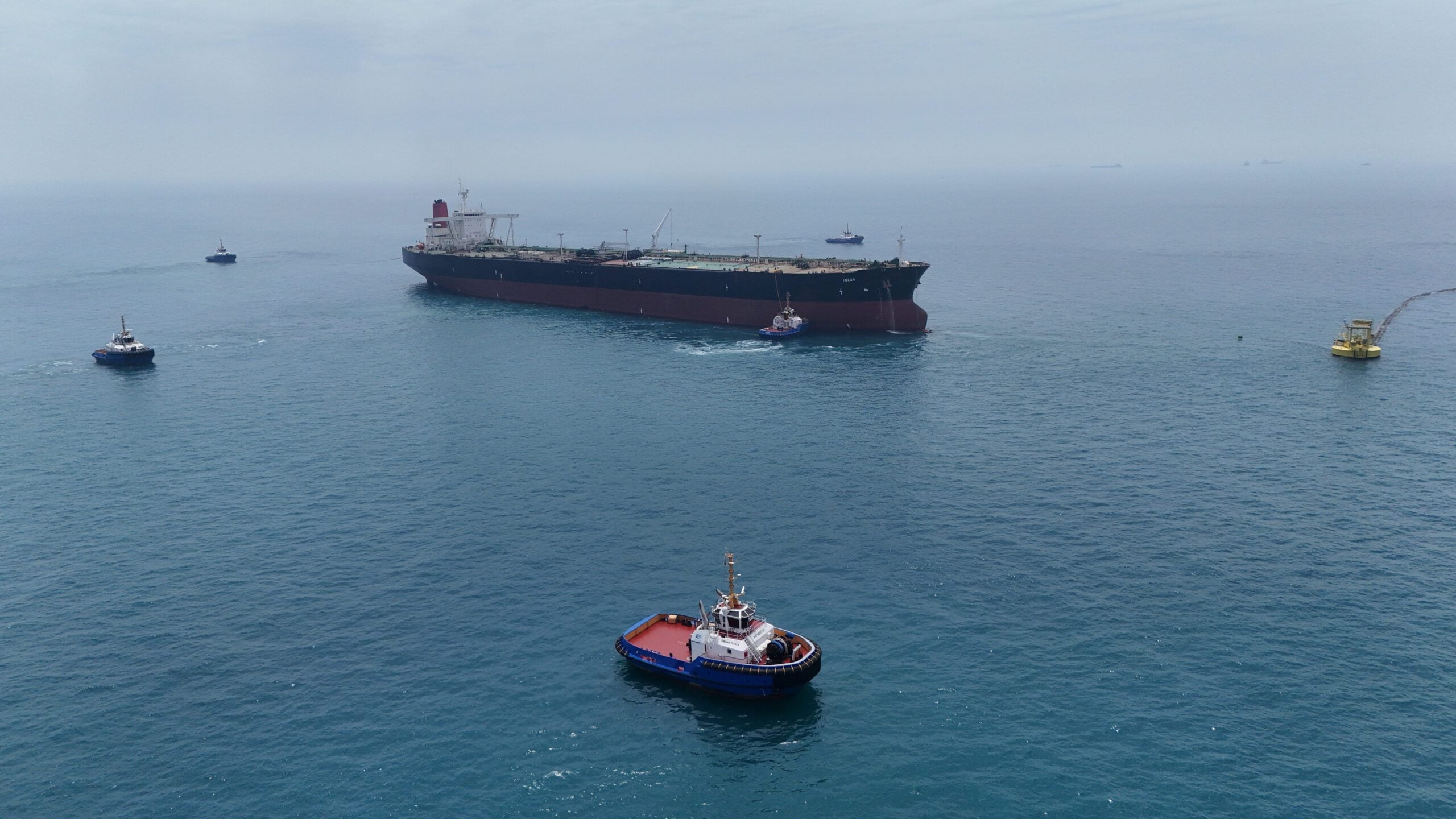
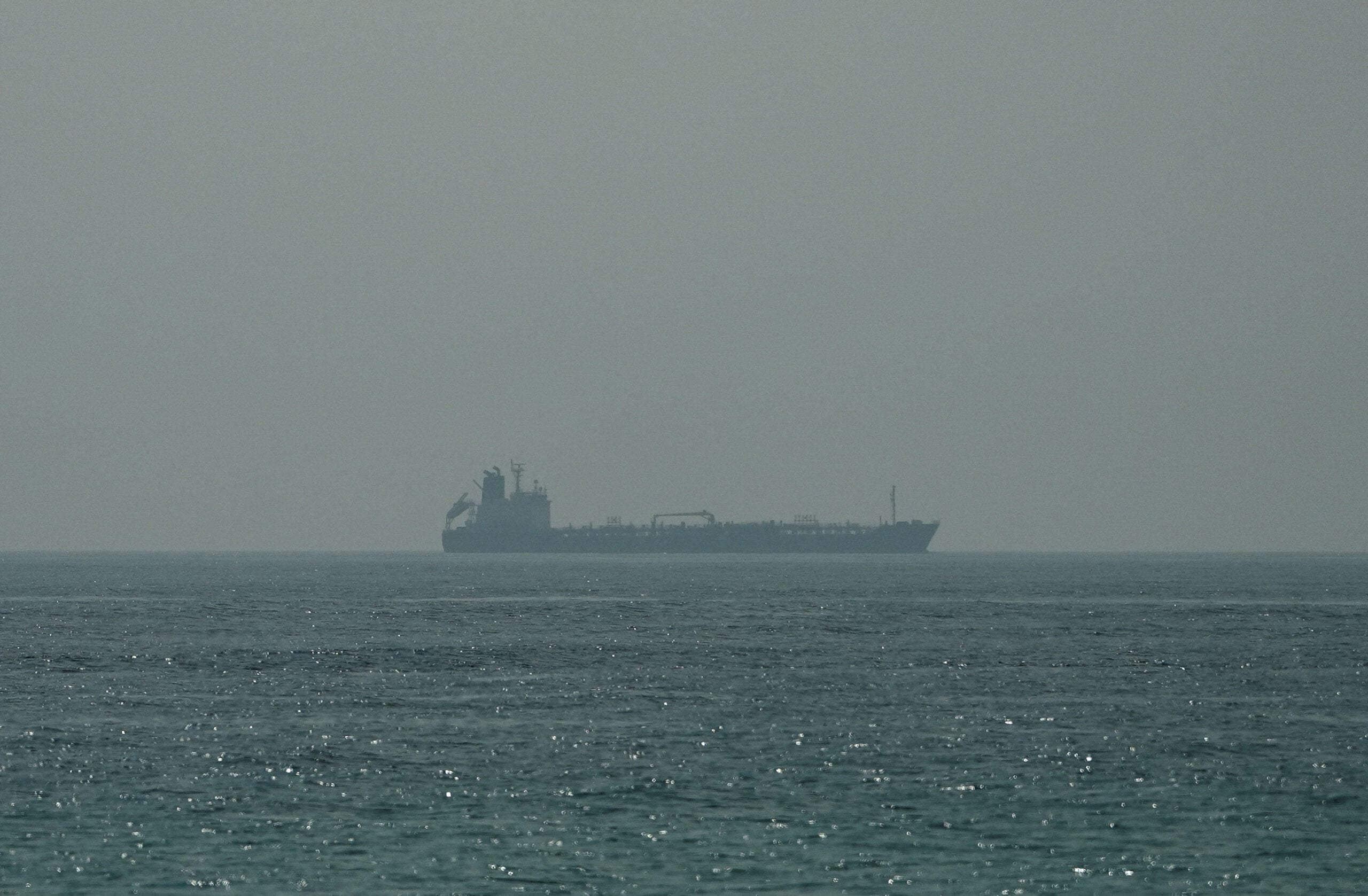
Between 27 and 28 June 2026, the US conducted airstrikes against at least 10 Iranian military targets in and near the Strait of Hormuz following Iranian drone attacks on commercial shipping, including a Panama-flagged tanker and the M/T Kiku. Iran’s Islamic Revolutionary Guard Corps claimed responsibility for retaliatory drone and missile attacks against US-linked sites in Bahrain and Kuwait; Bahrain reported Iranian drones and a residential building struck near the international airport, and Kuwait said it intercepted two Iranian ballistic missiles. Iranian Foreign Minister Abbas Araghchi declared Iran would exercise sole management and oversight of the Strait of Hormuz for 30 days, with Revolutionary Guard warning shots reported against vessels transiting non-Iranian-approved channels, and Tehran warned that any alternative arrangements would raise tensions. The 18 June Iran, US memorandum of understanding to cease hostilities is now in doubt as both sides traded strikes and Iran cancelled scheduled technical talks; the Joint Maritime Information Center raised its threat level. Iranian media also reported explosions around Sirik and near Bandar Lengeh, while cross-border violence between Israel and Hezbollah continued over the same weekend.
Key judgments
- The United States very likely struck at least 10 Iranian military targets in and near the Strait of Hormuz on 27-28 June 2026 in response to Iranian drone attacks on commercial shipping, including the M/T Kiku and a Panama-flagged tanker. (Confidence: high · REPORTED)
- I&W: CENTCOM publishes post-strike imagery and a target list matching locations on Iran’s southern coastline, including around Sirik or Qeshm. (0-14 days)
- I&W: Independent commercial satellite imagery shows no damage at the reported target areas, prompting an official correction. (0-14 days)
- Iran very likely launched retaliatory missile and drone attacks between 27 and 29 June against US-linked sites in Bahrain and Kuwait, with Bahrain reporting Iranian drones and munitions striking near Muharraq international airport and Kuwait intercepting two Iranian ballistic missiles. (Confidence: high · REPORTED)
- I&W: Kuwait and Bahrain release debris imagery or trajectory data from intercepted missiles and drones tied to IRGC launches. (0-14 days)
- I&W: US and Gulf officials report no Iranian launches or confirm false alarms for the cited incidents. (0-14 days)
- The 18 June Iran, US memorandum of understanding to cease hostilities is very likely at risk of breakdown, given continued strikes by both sides, mutual accusations of violations, and Iran’s cancellation of scheduled technical talks. (Confidence: medium · ASSESSED)
- I&W: Planned talks in Doha fail to convene or conclude without a joint communiqué reaffirming the MoU. (0-14 days)
- I&W: A joint US, Iran statement announces concrete MoU steps such as coordinated demining or incident hotlines. (0-14 days)
- Iran is likely attempting to enforce unilateral control of shipping through the Strait of Hormuz for at least 30 days, compelling vessels to coordinate with Tehran and use Iranian-approved channels, which increases the risk of maritime incidents. (Confidence: medium · ASSESSED)
- I&W: Further IRGC warning shots or boardings against ships outside Iran’s designated route, with AIS tracks showing diversions into Iranian-approved channels. (0-14 days)
- I&W: Coalition navies publicise alternative routing and JMIC lowers the regional maritime threat level. (0-14 days)
- Maritime threat to commercial vessels transiting Hormuz is likely elevated in the near term, given recent strikes on tankers, a raised regional threat level, and warnings that mines may be present along historic shipping lanes. (Confidence: medium · ASSESSED)
- I&W: Another merchant vessel is hit or reports a near-miss in or near the Strait of Hormuz, or allied navies locate additional mines. (0-14 days)
- I&W: Threat level reductions by JMIC and consistent, delay-free transits documented by shipping trackers. (1-3 months)
- Spillover risk from adjacent fronts is non-trivial: ongoing Hezbollah, Israel exchanges during the same period as the Gulf strikes make further regional de-escalation unlikely in the short term. (Confidence: low · ASSESSED)
- I&W: Increase in Hezbollah-claimed attacks and Israeli responses across the Blue Line. (0-14 days)
- I&W: Noticeable lull in cross-border fire and public statements signalling a pause. (0-14 days)
Outlook & scenarios
Managed tit-for-tat with elevated maritime risk (50%)
US and Iranian forces continue limited, target-specific strikes and interceptions around Hormuz while avoiding direct mass-casualty engagements. Iran sustains coercive control measures in the strait, navies keep threat levels high, and commercial traffic proceeds only under heightened caution.
Partial de-escalation anchored in Doha talks (30%)
Planned discussions in Doha proceed and produce a narrow deconfliction mechanism for Hormuz incidents. Iran pares back unilateral enforcement, navies maintain escorts and route guidance, and the memorandum’s maritime elements are reactivated even if broader political issues remain unresolved.
Sharp escalation after a high-impact incident (20%)
A successful strike causes US or partner casualties at Ali Al Salem airbase or Bahrain’s Fifth Fleet facilities, or a mass-casualty mine or drone incident hits a merchant vessel. Washington expands strikes deeper into Iran, IRGC broadens regional launches, and shipping disruptions intensify.
Recommendations
- Exploit commercial SAR and optical imagery to geolocate and assess battle damage at reported strike areas on Iran’s southern coastline, including around Sirik, Qeshm and Bandar Lengeh, to validate competing narratives.
- Obtain and analyse missile and UAV debris from Kuwait and Bahrain to characterise Iranian systems used and refine indications-and-warning for further launches at Ali Al Salem and US Fifth Fleet sites.
- Intensify collection on IRGC Navy activity: monitor VHF hails, Notices to Mariners, AIS rerouting patterns and reports of warning shots to map how Tehran is imposing its routing scheme.
- Prioritise mine-countermeasure intelligence: correlate naval sweeps and partner reports with the estimate of mines in historic lanes and pre-plan UK, French-led clearance options.
- Synchronise maritime advisories with the Joint Maritime Information Center threat posture and push near-real-time routing guidance to US-flag and US-insured operators transiting near Hormuz and Oman.
- Support a narrowly scoped incident-response channel for Hormuz linked to the memorandum’s provisions; prepare Doha talking points focused on rapid dispute resolution and safe passage.
- Track Iranian market stress signals, including the Tehran Stock Exchange index and currency moves, as potential indicators of Tehran’s tolerance for prolonged coercive measures at sea.
- Align interagency legal posture with congressional oversight: map strike reporting to the recent war powers votes and prepare briefings on objectives, scope and exit criteria.
- Expand persistent ISR on IRGC missile and UAV storage and coastal radar nodes along Iran’s southern littoral to detect reconstitution and pre-launch activity.
- Harden force protection at US facilities in Bahrain and Kuwait in line with recent intercept patterns, including shelter protocols, alerting and blast mitigation for critical nodes.
Confidence & uncertainty
Key events such as US strikes on Iranian targets, Iranian attacks on US-linked sites in Bahrain and Kuwait, and the raised maritime threat level are supported by multiple major media and official statements, which would normally justify at least medium confidence. Overall confidence is lowered by timeline and attribution inconsistencies across the dataset, including conflicting dates for some attacks and for the US, Iran memorandum, mixed sourcing that includes state media and think tank assessments, and limited independent visual corroboration of several claimed strike locations and effects.
Alternative analysis (red cell)
The available reporting shows episodic strikes and public threats but contains date inconsistencies, mixed source grades, and analytic inferences not backed by independent technical or operational evidence. It is defensible to conclude that while tensions and isolated attacks have increased, the corpus does not yet justify high confidence in claims of large‑scale US retaliatory strikes tied directly to specific tanker attacks, operational Iranian control of the Strait for 30 days, or definitive multi‑front spillover making de‑escalation unlikely. Additional ISR, official assessments, and forensic/shipboard data are needed to firm up those judgments.
Intelligence gaps
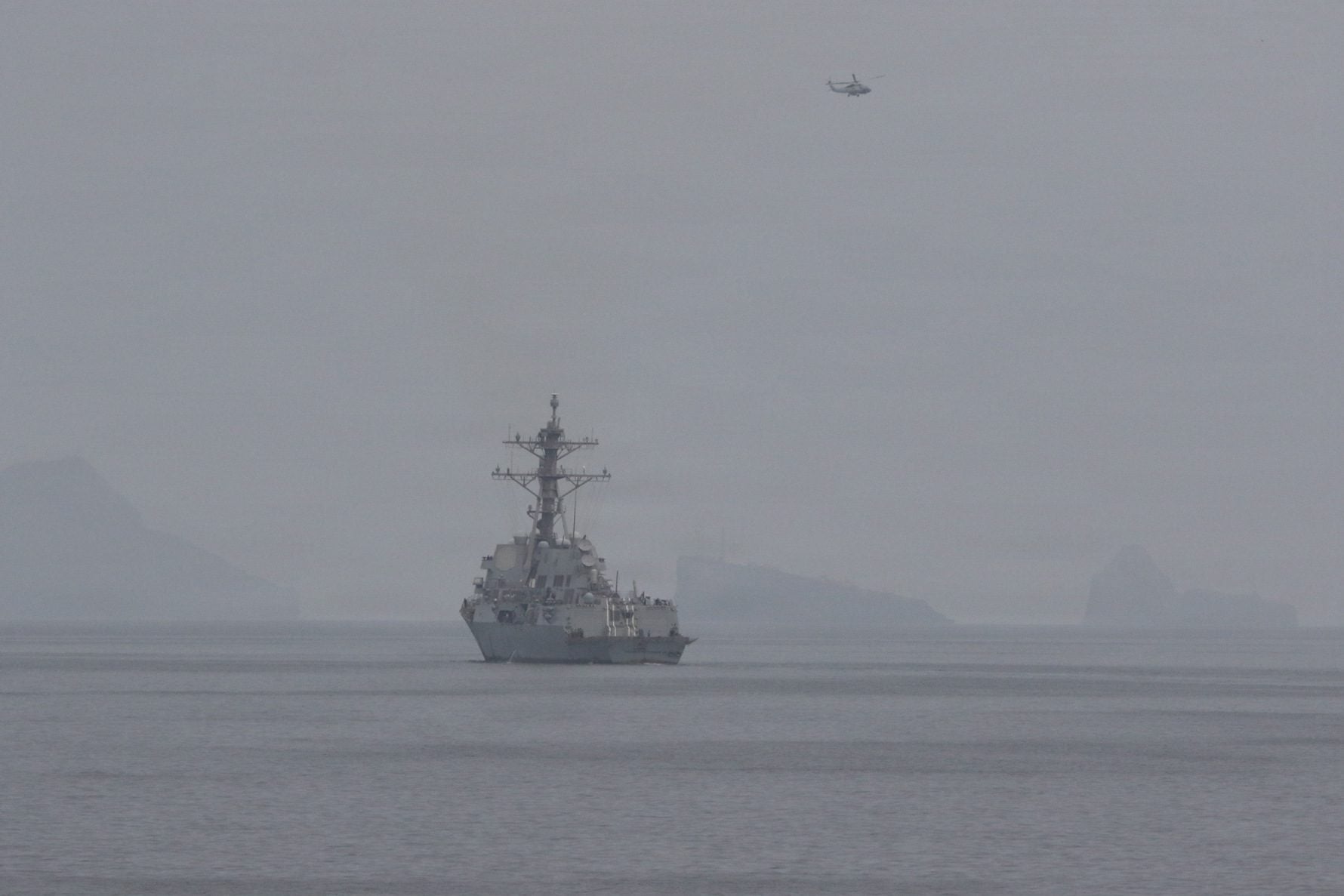
- [EEI 1.1 · UNCOVERED] Real-time movements and posture changes of U.S. naval and air assets in the Gulf (carrier strike groups, amphibious ready groups, destroyer/corvette locations, UAV/ISR sortie rates and flight paths). Recommended collection: maritime/AIS
- [EEI 1.3 · PARTIAL] Changes in force protection and alert levels at U.S. bases, allied bases, and U.S. embassies in the region (base lockdowns, evacuation notices for dependents, increased patrols, activated air defense batteries). Recommended collection: diplomatic
- [EEI 1.4 · UNCOVERED] Intercepts or credible reporting of orders, tasking, or targeting directives from U.S. or Iranian command echelons that specify imminent kinetic action or pre-authorized strike packages. Recommended collection: signals/intel
- [EEI 2.1 · PARTIAL] Concentrations, arming, or unusual sortie patterns of proxy maritime assets (Houthi/PMF/other fast-boat flotillas, reported mining equipment aboard vessels, sea drone deployment launches/recoveries). Recommended collection: maritime/AIS
- [EEI 2.2 · UNCOVERED] Seizures/transfers/shipments of weapons, UAVs, anti-ship missiles, or naval mines to proxy groups (observable cargo offloads, convoy movements to militia-controlled areas, satellite imagery of weapons storage increases). Recommended collection: imagery
- [EEI 2.3 · UNCOVERED] Communications, planning messages, or logistics orders within or between proxy groups indicating intent, target lists, timing, or coordination with Iranian units. Recommended collection: signals/intel
- [EEI 2.4 · PARTIAL] Public claims, threats, or alerts from proxy groups (announcements, social media posts, recorded statements) asserting intent to target U.S., allied, or commercial vessels/facilities. Recommended collection: social media
- [EEI 3.3 · UNCOVERED] Movements in war-risk insurance premiums, charter rates for tankers in the region, and sudden changes in ship owner/charterer risk-avoidance behavior (policy notices, broker reports). Recommended collection: commercial/intel
Cited sources
[1] Al Jazeera · US strikes Iran for second day: Is it a violation of war powers resolution? (A) · sha256:67874b11bb84 [2] gcaptain.com · US Carries Out Fresh Strikes Against Iran After Tanker Struck In Hormuz, Escalating Hostilities (A) · sha256:d0a1e8160079 [3] npr.org · U.S. and Iran exchange strikes, underscoring the fragility of the ceasefire (A) · sha256:ed651e29b254 [4] UALR Public Radio · U.S. and Iran exchange strikes, underscoring the fragility of the ceasefire (A) · sha256:6706129f6858 [5] РИА Новости · 'Заблокировали их'. Происходящее в Иране вызвало шок в США (B) · sha256:492281eec252 [6] presstv.ir · Iran condemns 'meddlesome and provocative' GCC-US joint statement (A) · sha256:92dad4d6884e [7] haaretz.com · Iran targets Gulf after U.S. launches overnight strikes in response to Hormuz attack (B) · sha256:685e928b773f [8] РИА Новости · США и Иран условились прекратить атаки друг против друга, пишет Axios (B) · sha256:341719dcdc53 [9] Al Jazeera · IRGC doubles down as Iran-US MoU jeopardised by Hormuz strikes (A) · sha256:ae8716bf1503 [10] svoboda.org · США и Иран вновь обменялись ударами (B) · sha256:3cfc704ba314 [11] Institute for the Study of War (ISW) and The Critical Threats Project (CTP) at the American Enterprise Institute · Iran Update Special Report, June 25, 2026 (B) · sha256:b5f433d7cd05 [12] gcaptain.com · Tanker Struck In Hormuz As Navies Raise Threat Level To Ships (A) · sha256:c73f73118763 [13] gcaptain.com · IMO Estimates There Are 80 Mines in Hormuz’s Shipping Lanes (B) · sha256:c276411fe240
Source content hashes were computed at collection time; the cited text is preserved unmodified for the life of this product.
Red cell review: PARTIAL DISSENT
TLP:CLEAR