TLP:CLEAR · Disclosure is not limited.
Persian Gulf: US Strike Readiness Rises, Decision Remains Open
Time window: Last 1 day · Audience: General analyst · Type: Situation report · DTG: 2026-10-26 08:42Z · Overall confidence: HIGH
BLUF
US forces in the Middle East are reported ready to begin potentially major operations against Iran within 96 hours of a presidential order, but reporting says Donald Trump has not made that decision. The prospect of a strike before 3 November remains a roughly even chance; the Tehran talks and continued US-supported Hormuz transit are limited counterweights, not evidence of de-escalation.
Executive summary
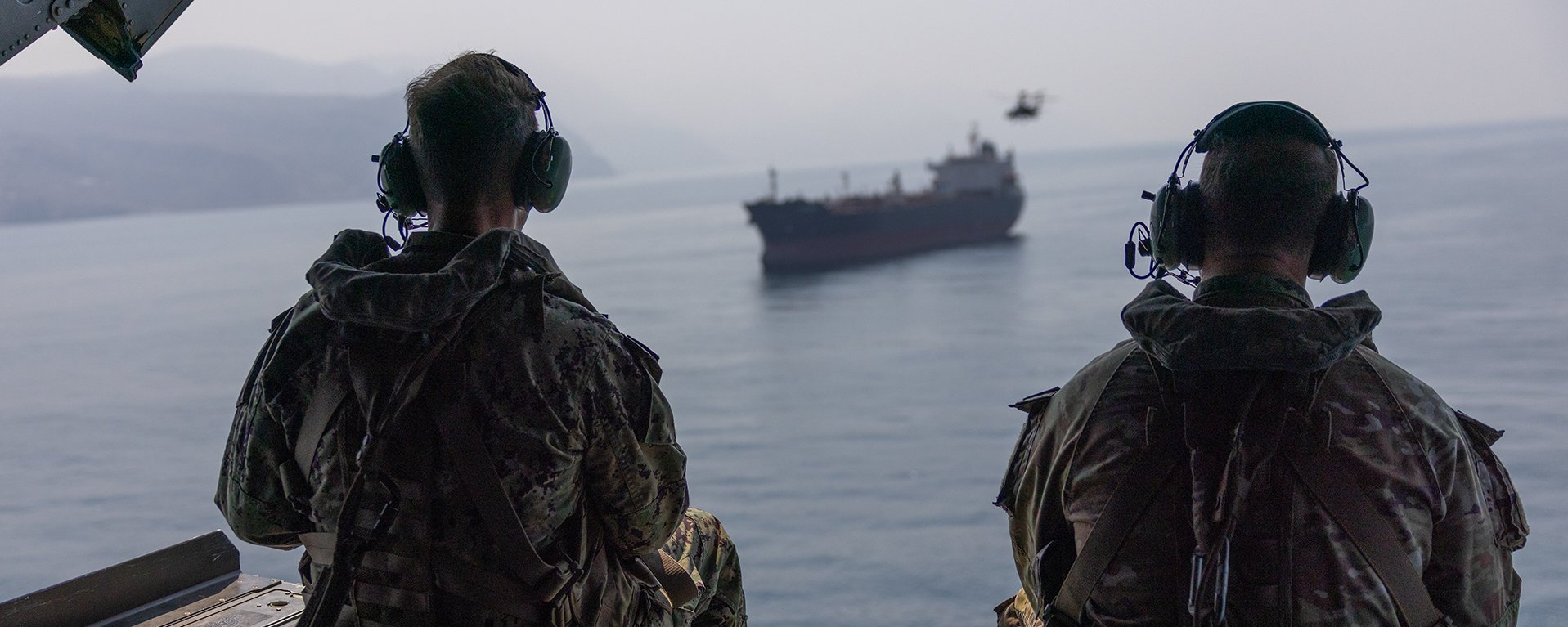
New reporting adds operational detail to the prospect of US action: forces are reportedly positioned to act within 96 hours of an order, and US military leaders have developed a broad target list covering Iranian energy, military and nuclear sites. Reporting still does not establish that Trump has authorised a strike, and accounts of his response to Benjamin Netanyahu's calls for action conflict. US intelligence reporting describes increased Iranian efforts to target US personnel, while assessing that Iran and the Houthis are unlikely to initiate attacks before Iran is struck. CENTCOM says primary Hormuz routes are clear of mines and reports high transit volumes; separate shipping reports describe increased attacks but disagree on casualty figures and locations. Senior Saudi, Pakistani and Turkish officials are scheduled to meet Iranian counterparts in Tehran on 26 October, but Iran has stated that it will not hold talks with the US until its demands are met.
Change from previous assessment
The previous brief assessed a US strike before 3 November as a roughly even chance. That assessment remains unchanged, but new reporting that US forces are ready to act within 96 hours of an order and that target planning includes Iranian energy, military and nuclear sites strengthens the evidence of operational readiness. Reporting still says Trump has not made a final decision, and accounts of his response to Netanyahu conflict. This brief adds the 23 October DNI memo on Iranian targeting efforts, CENTCOM's 25 October mine-clearance and transit claims, and the scheduled Tehran meeting of Saudi, Pakistani, Turkish and Iranian officials. The maritime incident assessment remains low confidence because attack and fatality accounts are inconsistent.
Key judgments
- A US strike on Iran before 3 November remains a roughly even chance, while presidential authorisation is unconfirmed. CNN reporting citing US officials says forces are concentrated in the Middle East and ready to begin potentially major operations within 96 hours of an order; planning includes Iranian energy infrastructure, military sites and nuclear facilities. The same reporting says Trump has not made a final decision. Accounts of Netanyahu's request conflict: one says US officials asked him to delay attacks until Washington was ready for joint operations, while an Israeli security source says Trump gave no green light. The readiness reporting raises evidence of capability, not evidence of an order. (Confidence: medium · ASSESSED)
- I&W: Confirm: the White House or Pentagon announces a presidential order for strikes, or US forces conduct a confirmed strike on an Iranian site. (0-14 days)
- I&W: Break: Trump publicly rules out action before 3 November and the Pentagon reports that the current strike-ready posture has been reduced. (0-14 days)
- A pre-emptive Iranian or Houthi attack on US personnel is unlikely in the immediate term, but a US or Israeli strike on Iran would likely prompt retaliation. An unclassified 23 October memo from Director of National Intelligence Jay Clayton to Secretary of State Marco Rubio says Iran has substantially increased efforts to target US personnel, with plotting at advanced stages in the Middle East and certain other countries. US officials describe the threat to Americans as the highest since the war began in February. Separately, two senior Iranian officials, including an IRGC member, identified US diplomats and other personnel as potential targets if the war escalates. US intelligence assesses that Iran and the Houthis are unlikely to initiate escalatory attacks but would respond if Iran is struck first. The reported plotting is not publicly detailed, so the immediacy and specific targets remain unclear. (Confidence: medium · ASSESSED)
- I&W: Confirm: the US State Department announces an ordered departure from a named Gulf diplomatic post explicitly citing an Iranian threat, or publicly identifies an Iranian plot against US personnel. (0-14 days)
- I&W: Break: a follow-up DNI or State Department assessment says the threat has been downgraded and no advanced plotting against US personnel is identified. (0-30 days)
- Commercial transit through the Strait of Hormuz is very likely to continue over the next fortnight under US support, although the history of mine activity remains disputed. CENTCOM reports that more than 3,000 commercial vessels transited with US support over six months and that more than 95 per cent of ships navigated safely in recent months. On 25 October, CENTCOM commander Admiral Brad Cooper said primary transit routes were clear of Iranian mines. Kpler reported 16.5 million barrels per day leaving the region in September, equal to the pre-war average excluding Iran. Trump separately called reports of recent mines fabricated, leaving unresolved whether mines were laid and then cleared or whether the reports were false. (Confidence: medium · ASSESSED)
- I&W: Confirm: CENTCOM reports continued escorted passages and Kpler's next monthly estimate records regional oil outflow near or above September's 16.5 million barrels per day. (1-3 months)
- I&W: Break: CENTCOM closes a primary transit lane or Kpler reports regional oil outflow below 16.5 million barrels per day for a full month. (0-3 months)
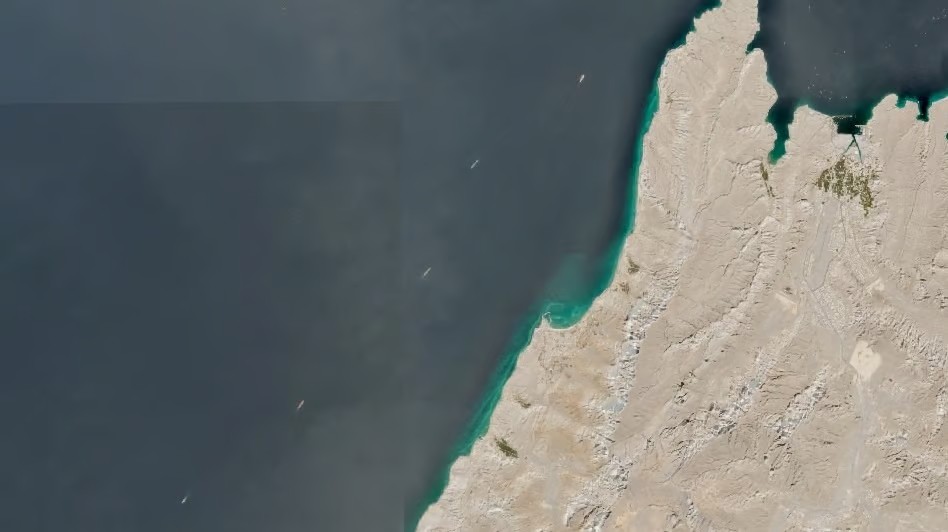
- Reported attacks on commercial shipping in October appear to have increased, but their scale, location and fatality count are not established. A major-media report describes October as the month with the highest reported attacks on Hormuz transiting ships since the opening weeks of the war; a trade publication says the IRGC has stepped up attacks and reports that a projectile hit the Panama-flagged tanker On Peace on 5 October, injuring 12 sailors. Fatality accounts conflict: one report records five deaths in the last 30 days along the southern Omani coastal route, while another says no merchant sailors died in the Strait during October and five died in September. A trade source also says UKMTO reports only a small proportion of claimed IRGC attacks. The attack and casualty picture rests on limited and inconsistent reporting, so confidence in its scale is low. (Confidence: low · ASSESSED)
- I&W: Confirm: UKMTO and a named vessel operator or flag-state authority independently corroborate an attack on a specified vessel in the Strait or along the southern Omani route. (0-14 days)
- I&W: Break: maritime authorities or vessel operators correct the October attack or casualty records, with no independently verified incident reported for 30 days. (0-30 days)
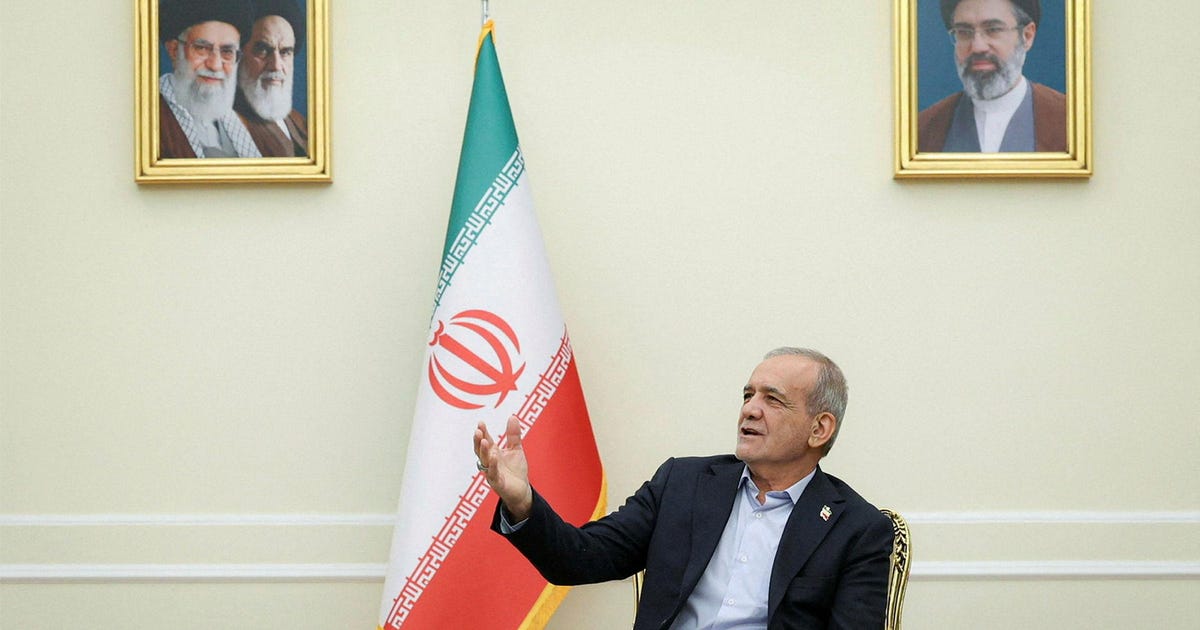
- The 26 October Tehran meeting is likely to remain a regional coordination channel rather than become direct US-Iran negotiations. Saudi Defence Minister Khalid bin Salman, Pakistan's Field Marshal Asim Munir and Türkiye's intelligence chief Ibrahim Kalin are scheduled to meet Iran's Supreme National Security Council Secretary Mohsen Rezaei. Saudi and Iranian officials and Turkish state media have reported the planned meeting. Rayed Krimly described the visit as supporting de-escalation and mediation by Qatar and Pakistan, while Iranian officials told Munir there would be no talks with the US until Tehran's demands were met. The meeting is evidence of regional diplomatic contact, not of a change in Iran's stated conditions for talks with Washington. (Confidence: medium · ASSESSED)
- I&W: Confirm: the named officials issue a joint readout focused on regional coordination or mediation without announcing US participation. (0-14 days)
- I&W: Break: US and Iranian officials announce a direct negotiating session with named participants and a date. (0-30 days)
Outlook & scenarios
Readiness without a strike before 3 November (45%)
Trump withholds an order while US forces maintain readiness and the blockade on Iranian ports. Iran continues conditional threats but avoids a pre-emptive attack. Hormuz traffic continues under US support, with further incidents possible. This scenario is consistent with reporting that Trump has not made a final decision, despite forces being ready to act within 96 hours of an order.
US strikes on Iranian targets (45%)
Trump orders operations before 3 November. US forces are reported ready to act within 96 hours, and planning covers Iranian energy infrastructure, military sites and nuclear facilities. Iran is likely to retaliate, increasing risks to US personnel and commercial shipping. The expected scale of any operation remains uncertain.
Regional diplomacy limits immediate escalation (30%)
The Tehran meeting brings Saudi, Pakistani and Turkish officials into direct contact with Iranian leaders and produces a follow-up regional coordination or mediation effort. This reduces immediate diplomatic isolation but does not establish direct US-Iran talks: Iranian officials have said Tehran will not negotiate with Washington until its demands are met.
Wildcard: a confirmed strike at Sirik triggers a wider exchange (5%)
A low-reliability social-media report alleges that a US strike hit an Iranian anti-ship missile launcher at Sirik and that three explosions were heard. The report is uncorroborated. If independently confirmed, the strike would represent a new direct exchange and Iranian retaliation would be likely.
Recommendations
- Keep strike readiness and presidential authorisation as separate reporting categories. Update the strike assessment on confirmed orders, launch activity or a documented change in force posture, not on readiness reporting alone.
- Prioritise force-protection monitoring for US personnel. Track new State Department ordered departures and public US intelligence updates, while distinguishing conditional Iranian threats from evidence of an imminent attack.
- Maintain a vessel-level Hormuz incident log using UKMTO notices, operator or flag-state statements and CENTCOM reporting. Record location, date, vessel and casualty figures separately, and do not combine the Strait and southern Omani route counts without reconciliation.
- Verify the outcome and named attendance of the Tehran meeting. Separate regional mediation statements from any confirmed US-Iran negotiating commitment.
- Do not treat the reported Sirik strike as an established event without independent confirmation from reliable reporting or an official statement.
Confidence & uncertainty
Overall confidence is high in the broad picture of increased US readiness, continued US-supported shipping activity and scheduled regional diplomacy. Major-media reporting cites US officials, while CENTCOM statements and accounts from named Saudi, Iranian and Turkish officials support several operational and diplomatic details. Some coverage appears to repeat the same underlying officials rather than provide independent corroboration. Confidence is lower on whether Trump will authorise strikes, the scale and attribution of maritime attacks, and the mine history; reporting on US-Israeli policy and shipping casualties contains unresolved contradictions.
Intelligence gaps
- [EEI 1.1 · UNCOVERED] Concentrations or unusual movements of IRGC-Navy fast attack craft, small boat swarms, or escort vessels within 200 km of US/allied ships, including approach distances and formation changes. Recommended collection: maritime/AIS
- [EEI 1.2 · UNCOVERED] Detected pre-launch activity at coastal missile or rocket batteries (vehicle dispersal, fuel/warhead handling, radars powering up, transport erector launchers moving to firing positions). Recommended collection: imagery/signals
- [EEI 1.3 · UNCOVERED] Increased launch/arming/positioning of armed UAVs (MALE/loitering munitions) or tactical aircraft at Iranian coastal bases with sortie generation rates and munitions loadouts. Recommended collection: air/ADS-B/imagery
- [EEI 1.4 · UNCOVERED] Command-and-control indications of attack orders or elevated rules-of-engagement from IRGC/General Staff (intercepted communications, internal order messages, force-wide alert messages). Recommended collection: signals/human
- [EEI 2.1 · PARTIAL] Public statements or state-media broadcasts from Supreme Leader, President, Minister of Defense, or IRGC commanders indicating authorization, restraint, or conditions for retaliation. Recommended collection: open-source
- [EEI 2.2 · UNCOVERED] Issuance of formal orders, mobilization directives, travel restrictions, or official internal communications within IRGC/Armed Forces indicating escalation posture or stand-down. Recommended collection: human/diplomatic
- [EEI 2.3 · UNCOVERED] Directives, logistics movements, or communications from Iranian commanders to regional proxy militias (Houthis, Iraqi Shia militias, Lebanese groups) that change their threat posture or task them with specific operations. Recommended collection: signals/human
- [EEI 2.4 · PARTIAL] Changes in Iran's diplomatic exchanges with key states (offers of negotiation, warnings, or coordination with Russia/China) or requests for deconfliction with maritime/naval actors. Recommended collection: diplomatic
- [EEI 3.2 · PARTIAL] Discovery or reporting of naval mines, unexploded ordnance, or damage to fixed maritime infrastructure (oil platforms, terminals, pipelines) with geolocated imagery or on-scene assessments. Recommended collection: imagery/open-source
- [EEI 3.3 · PARTIAL] Commercial indicators of disruption: sudden increases in war-risk insurance premiums for Gulf transits, vessel re-routing decisions, port throughput reductions, or charter cancellations for Gulf shipments. Recommended collection: financial/commercial
- [EEI 3.4 · UNCOVERED] Movements or posture changes of regional state navies/air forces (Saudi, UAE, Kuwait, Bahrain, UK) such as task group departures, airbase dispersals, or announced maritime patrols near choke points. Recommended collection: open-source/imagery
Red cell review: CONCUR WITH COMMENT
TLP:CLEAR