TLP:CLEAR, Disclosure is not limited.
PRC Coast Guard Operations East of Taiwan Intensify; Taipei Responds as Risk of Incident Rises
Time window: Last 7 days · Audience: General analyst · Type: Situation report · DTG: 2026-06-11 12:13Z · Overall confidence: MEDIUM
BLUF
China has stepped up coast guard ‘law-enforcement’ patrols east of Taiwan and near the Pratas/Dongsha area while Taiwan has deployed and in some cases expelled Chinese government vessels. The pattern very likely points to Beijing testing and normalizing a quasi-jurisdictional presence, raising the likelihood of an unsafe encounter over the next 1-3 months.
Executive summary
Chinese state media announced special maritime traffic law-enforcement operations in waters east of Taiwan, and reporting indicates an uptick in Chinese coast guard activity tied to Japan, Philippines maritime boundary talks. Taiwan has deployed multiple coast guard vessels, expelled four Chinese government ships from restricted waters, and confronted Chinese vessels near the Taiwan‑controlled Pratas/Dongsha Islands. Beijing’s actions align with a broader pattern of near‑daily operations around Taiwan and sustained non‑combat pressure, including disinformation. While the PLA has developed capabilities aimed at annexation, current behavior suggests gray‑zone normalization rather than imminent amphibious assault. Heightened friction at sea makes a limited standoff or unsafe maneuver a likely risk in the near term.
Key judgments
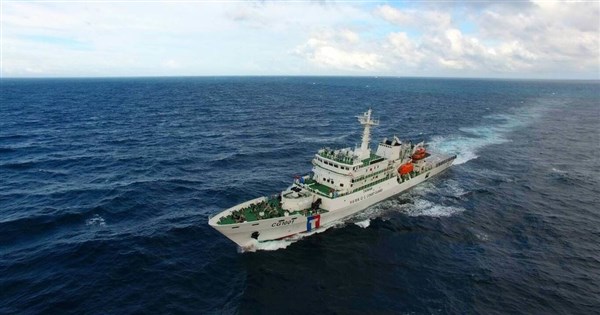
- China conducted special maritime ‘law‑enforcement’ patrols east of Taiwan and Chinese coast guard activity around the island has risen in recent weeks. (Confidence: high · REPORTED)
- I&W: PRC coast guard issues additional notices of ‘special maritime traffic law-enforcement operations’ east of Taiwan with named hulls and patrol boxes. (0-14 days)
- I&W: Sustained absence of PRC coast guard patrols east of Taiwan (no sightings for two consecutive weeks). (0-1 month)
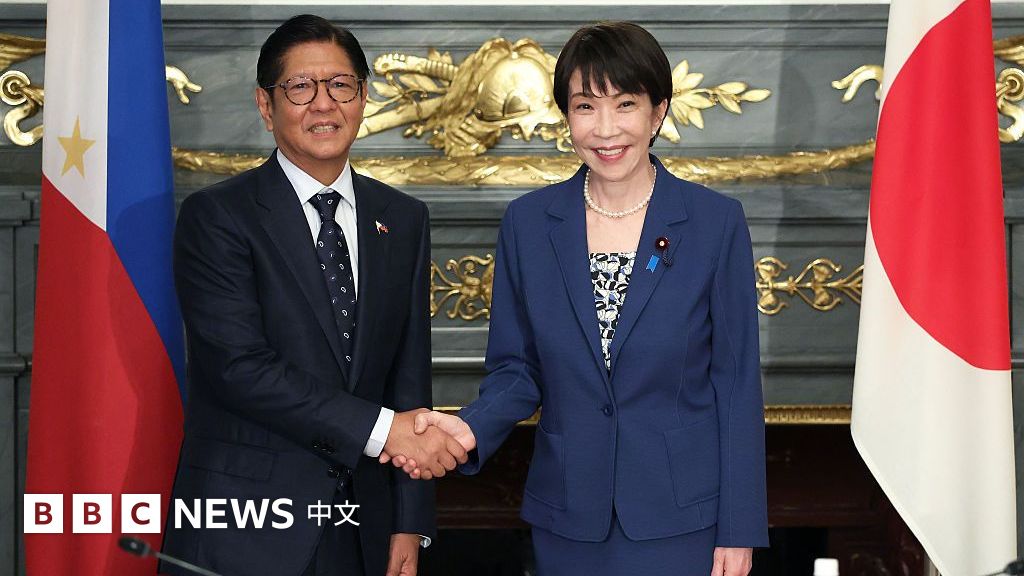
- Beijing is likely seeking to normalize a quasi‑jurisdictional presence in the eastern approaches to Taiwan, linking patrols to opposition against ongoing Japan, Philippines EEZ delimitation talks. (Confidence: medium · ASSESSED)
- I&W: Recurring, scheduled PRC coast guard patrol announcements east of Taiwan that explicitly reference Japan, Philippines boundary talks. (1-3 months)
- I&W: Public suspension of PRC patrols tied to progress or pause in Japan, Philippines EEZ negotiations. (1-3 months)
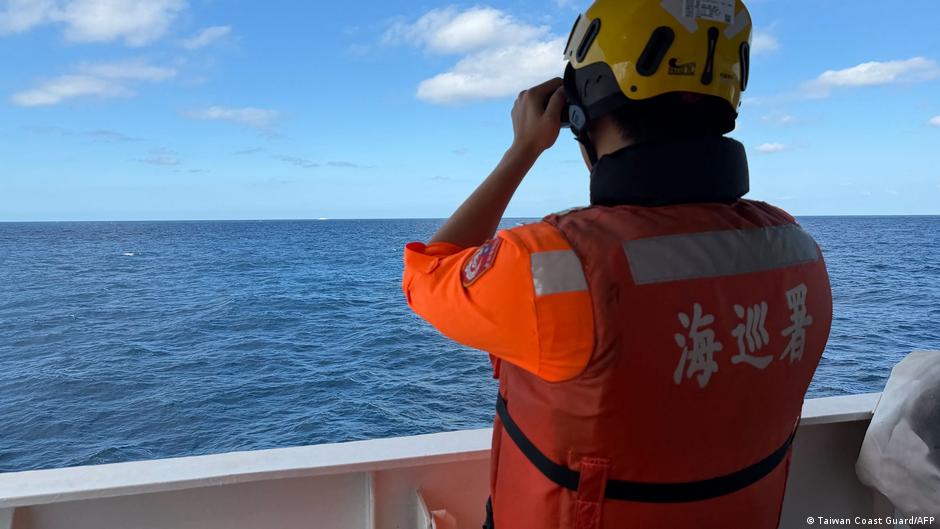
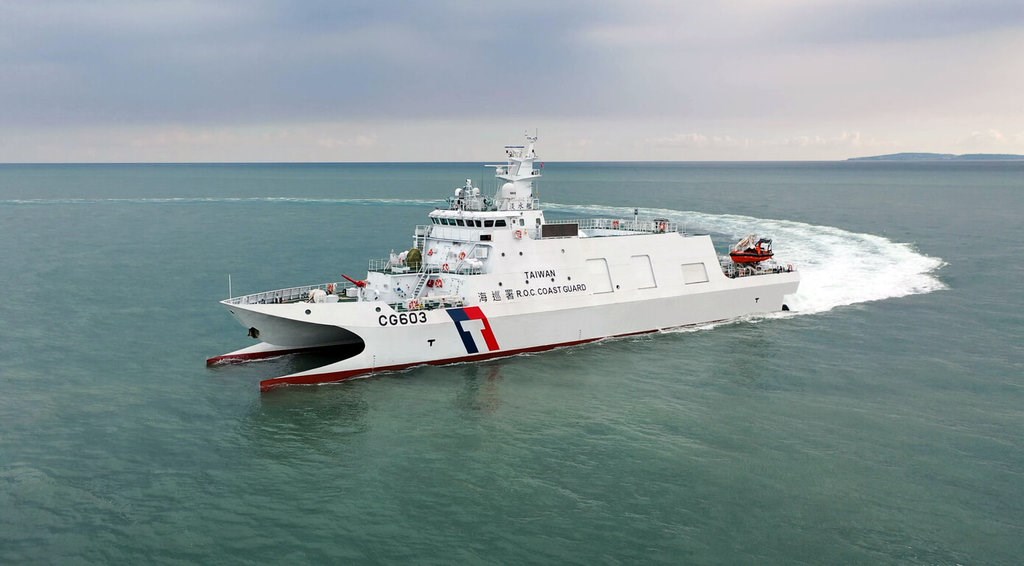
- Taiwan has responded with multi‑ship deployments, including expelling four Chinese government vessels from restricted waters and dispatching the patrol frigate CG‑129 Kaohsiung and other assets near Pratas/Dongsha. (Confidence: high · REPORTED)
- I&W: Taiwan Coast Guard publishes additional videos or radio recordings of warnings and close‑quarters maneuvering east of Taiwan or near Pratas/Dongsha. (0-14 days)
- I&W: A week or more without Taiwan Coast Guard dispatches to the eastern approaches or Pratas/Dongsha. (0-1 month)
- The likelihood of an unsafe encounter or brief escalation at sea is likely elevated over the next 1-3 months, given PRC warnings/inspection posture and Taiwan’s stated intent to forcefully drive intruding vessels away. (Confidence: medium · ASSESSED)
- I&W: Verified report of a PRC coast guard boarding attempt or collision within 24-36 nautical miles east or south of Taiwan. (0-3 months)
- I&W: Announcement of operational protocols or hotlines between PRC and Taiwan maritime agencies reducing close‑approach incidents. (1-3 months)
- Beijing’s patrols are very likely intended to signal opposition to deepening Japan, Philippines security ties and planned EEZ delimitation between the Yaeyama and Batan Islands. (Confidence: medium · ASSESSED)
- I&W: PRC statements or patrol communiqués explicitly linking operations to Japan, Philippines talks or ‘illegal’ boundary moves. (0-2 months)
- I&W: Japan, Philippines joint readouts proceed without PRC rhetorical or operational pushback near Taiwan’s eastern approaches. (0-2 months)
- Despite increased defense spending and a multiyear special procurement program, Taiwan’s deterrence posture is likely constrained by political divisions and recruitment/training/retention shortfalls. (Confidence: medium · ASSESSED)
- I&W: Delays or reductions in appropriations or execution of the special defense budget and related training cycles. (1-6 months)
- I&W: Official reporting of improved recruitment/retention metrics or bipartisan agreement accelerating defense reforms. (3-6 months)
- Sustained PRC coercion almost certainly includes non‑combat actions, such as disinformation campaigns, alongside maritime pressure on Taiwan. (Confidence: medium · ASSESSED)
- I&W: Spike in official Taiwanese reporting attributing coordinated false narratives to PRC-linked accounts targeting maritime incidents. (0-2 months)
- I&W: Sustained decline in identified PRC-linked inauthentic activity targeting Taiwan’s public discourse. (1-3 months)
- A near‑term large‑scale PLA attempt to seize Taiwan is unlikely; current PRC behavior favors gray‑zone and law‑enforcement pressure despite long‑term PLA modernization aimed at annexation. (Confidence: medium · ASSESSED)
- I&W: Announcement and execution of large‑scale amphibious and joint blockade exercises proximate to Taiwan’s east and south with embarkation of landing forces. (1-3 months)
- I&W: Continuation of patrols framed as ‘law enforcement’ without corresponding increases in amphibious mobilization indicators. (1-3 months)
Outlook & scenarios
Normalization of PRC ‘law-enforcement’ patrols east of Taiwan, 60%
China sustains and routinizes coast guard patrols east of Taiwan tied rhetorically to opposition against Japan, Philippines EEZ delimitation, creating a quasi‑jurisdictional presence that pressures Taipei to respond persistently at sea while avoiding overt naval escalation.
Unsafe encounter triggers brief maritime standoff, 35%
A PRC warning or inspection attempt near Taiwan’s eastern approaches or around Pratas/Dongsha meets a determined Taiwan Coast Guard response, leading to a close‑quarters incident, short‑duration standoff, and competing legal claims. Both sides surge additional patrol vessels before standing down without fatalities.
Short de‑escalation window, 20%
Following regional messaging, China temporarily pauses high‑visibility patrols east of Taiwan, similar to previously reported patrol conclusions, while maintaining the option to resume operations. Taiwan reduces surge deployments but maintains readiness and public messaging.
Recommendations
- Expand maritime domain awareness on Taiwan’s eastern approaches: maintain a live roster of PRC coast guard hulls operating east of Taiwan and near Pratas/Dongsha, including Haixun‑class numbers publicly reported, and fuse AIS, radio intercepts, and commercial satellite tracking for near‑real‑time alerting.
- Coordinate with Taiwan, Japan, and the Philippines on incident management: share best practices for radio hails, evidence collection, and collision‑avoidance procedures; support establishment of deconfliction channels among maritime agencies to reduce close‑approach risks.
- Support Taiwan’s Coast Guard capacity building: prioritize training on non‑lethal escalation control, boarding resistance, and multi‑ship maneuvering under international law, synchronized with ongoing defense procurement and civil‑defense resilience programs.
- Resource counter‑disinformation collaboration with Taipei: enable rapid attribution and takedown referrals for coordinated inauthentic activity targeting maritime incidents; pre‑position communication toolkits to rebut coercive legal narratives.
- Prepare supply‑chain mitigation options for semiconductor exposure: develop contingency routing and inventory buffers that assume episodic slowdowns in traffic near Taiwan, given the island’s dominant share of global semiconductor production.
- Exercise interagency tabletop scenarios on ‘law‑enforcement’ coercion: wargame boarding attempts, detentions, or collisions east of Taiwan to rehearse calibrated response options and partner messaging.
Confidence & uncertainty
Overall confidence is medium. The core judgments rest on multiple high‑reliability outlets and official statements describing PRC patrols east of Taiwan and Taiwan’s documented responses. Assessments of PRC intent to normalize presence and near‑term escalation risk draw on corroborated reporting plus analytic inference, but they occur in a contested information space with selective official disclosures and some single‑source elements (e.g., reported vessel inspections). Divergent expert views on PLA readiness versus intent introduce additional uncertainty about escalation pathways.
Alternative analysis (red cell)
Several claims in the package show genuine PRC-Taiwan maritime activity and diplomatic signaling, but much of the evidence is actor-originated (PRC or Taiwanese statements) and lacks independent operational corroboration. Alternative, sober readings, episodic messaging patrols rather than normalization, and plausible but not high‑probability escalation risk, are defensible given current sourcing. Increased collection on independent vessel movements, internal PRC tasking, and technical attribution of disinformation would materially reduce key uncertainties.
Cited sources
[1] marinelink.com, Taiwan “Expels” Chinese Ships from Restricted Waters (B) · sha256:daf04fce32cd [2] BBC News 中文, 印太新局?日本與菲律賓最新軍事經濟結盟為何引發中國抗議? - BBC News 中文 (A) · sha256:15d953bcaa0c [3] Focus Taiwan, CGA condemns China's maritime operations in waters east of Taiwan - Focus Taiwan (A) · sha256:8cf5c1ccf2e6 [4] dw.com, Taiwan deploys vessels in response to Chinese operation (A) · sha256:9d1c3786a38e [5] Focus Taiwan, Taiwan dispatches patrol frigate over Chinese vessels near Pratas Islands - Focus Taiwan (A) · sha256:531b427213ad [6] marinelink.com, Taiwan Says Sovereignty Cannot be Violated (B) · sha256:8030349ab456 [7] voachinese.com, 美国会报告:解放军数十年来发展攻台能力,要征服台湾并非没有挑战 (B) · sha256:2632acaae7dd [8] ynetnews.com, Taiwan looks to Israel as it prepares society, economy and home front for China threat (B) · sha256:e278c54f8e5f [9] Atlantic Council, How will the Iran war change the US role in the world? (C) · sha256:a2eb6a65f845
Source content hashes were computed at collection time; the cited text is preserved unmodified for the life of this product.
Red cell review: PARTIAL DISSENT
TLP:CLEAR