TLP:CLEAR · Disclosure is not limited.
Qeshm Strike, Hormuz Disruption and US Policy Signals | 4 November 2026
Time window: Last 1 day · Audience: General analyst · Type: Situation report · DTG: 2026-11-04 07:32Z · Overall confidence: HIGH
BLUF
Donald Trump has confirmed a US strike on an Iranian anti-aircraft facility on Qeshm Island, but reporting leaves the exact strike date unresolved. A further US strike in the next 14 days remains a roughly even chance; Strait of Hormuz disruption is likely to remain elevated while Qatar’s mediation continues without a clear path to agreement.
Executive summary
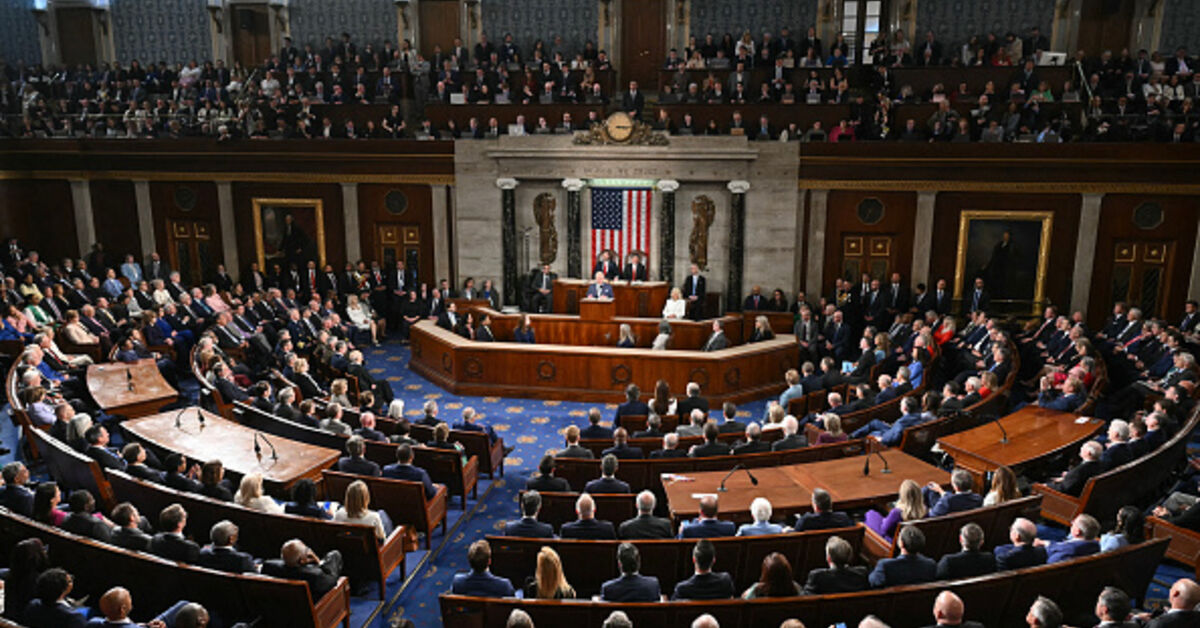
Trump confirmed on 4 November that US forces struck an Iranian anti-aircraft facility on Qeshm Island, describing the action as minor; Washington framed it as defensive and limited. Available reporting gives inconsistent timing. US media report contingency plans for further strikes after the midterm elections, while Trump has said there is no imminent plan to attack Iran. UKMTO reported two projectiles hitting one tanker near Limah, Oman. The IRGC separately claimed four tankers hit mines and two other vessels were detained, claims not independently confirmed in the supplied reporting. Qatar says US-Iran talks continue, but an Iranian official says the sides remain far from an agreement. Election-night projections favour Democrats for both chambers of Congress, and Trump announced a plan with Benjamin Netanyahu to end US military aid to Israel by year-end.
Change from previous assessment
Since the 3 November brief, Trump has confirmed the Qeshm strike and identified the target as an Iranian anti-aircraft facility; the exact strike date remains unresolved. The assessment of another US strike remains a roughly even chance because reports of prepared plans are countered by Trump’s statements that there is no imminent plan and Qatar’s continuing mediation. The outlook for Hormuz disruption and Qatar’s mediation is unchanged. This brief adds projected Democratic gains in both chambers and Trump’s announced plan to end US military aid to Israel by year-end as new sources of policy pressure and uncertainty.
Key judgments
- The United States almost certainly struck an Iranian anti-aircraft facility on Qeshm Island, but the exact operational date remains unresolved. Trump confirmed the strike on 4 November and identified the target; Washington described the action as defensive and limited. Other reporting places the order on the eve of the midterm elections, while a social-media account dates explosions to 2 November. (Confidence: medium · REPORTED)
- I&W: A US government statement naming Qeshm and the anti-aircraft facility, and clarifying the strike date, within 0-14 days would confirm the target and timing; an official correction denying the Qeshm strike would break the assessment. (0-14 days)
- There is a roughly even chance of another US strike on Iran in the next 14 days. US media report that Central Command prepared strike plans and that a strike was reported as possible soon after the midterms; Trump has said there is no imminent plan to attack. Qatar’s continuing mediation weighs against immediate escalation, while the reported presence of three US aircraft carriers and Benjamin Netanyahu’s pledge to resume strikes with US coordination sustain the risk. (Confidence: medium · ASSESSED)
- I&W: A White House or Central Command announcement of an executed follow-on strike on Iranian territory would confirm the assessment; a US statement that the Qeshm action is closed, followed by no further strike through the end of the period, would break it. (0-14 days)
- Disruption to commercial shipping in the Strait of Hormuz is likely to remain elevated over the next 14 days. UKMTO reported two projectiles striking one tanker about 14 nautical miles north-east of Limah, Oman. The IRGC claims four tankers hit mines and two other vessels were detained, but the number of vessels affected, locations and causes remain disputed. (Confidence: medium · ASSESSED)
- I&W: Two or more additional UKMTO alerts for attacks or vessel detentions in the Strait of Hormuz would confirm continued elevated disruption; no further UKMTO incident alerts or detention notices through the period would break it. (0-14 days)
- Qatar’s mediation is likely to continue over the next 14 days, but a US-Iran agreement is unlikely. Majed al-Ansari says both sides remain committed to talks and Qatar is facilitating exchanges of proposals. A White House source describes progress, while a senior Iranian official says the sides remain far from agreement and Tehran calls the US response to its Hormuz conditions unconvincing. (Confidence: medium · ASSESSED)
- I&W: Al-Ansari confirms another exchange of proposals or Qatar announces another mediation meeting would confirm continued engagement; Qatar announces a suspension of mediation or either side publicly rejects its process would break the assessment. (0-14 days)
- Projected Democratic gains in both chambers are likely to increase congressional pressure on Trump’s Iran policy and scrutiny of US military aid to Israel, but are unlikely to prevent a near-term executive strike decision. The projections are not final results, and expected legislative action remains prospective. (Confidence: medium · ASSESSED)
- I&W: A House or Senate committee schedules or advances a war-powers measure or an amendment restricting military aid to Israel would confirm increased congressional pressure; passage of an authorisation for sustained Iran operations alongside rejection of aid restrictions would break the assessment. (1-3 months)
Outlook & scenarios
Limited strikes and active mediation (50%)
The Qeshm strike remains limited, Qatar continues exchanging proposals, and Washington avoids a broad renewed campaign. Iranian restrictions and reported incidents in the Strait of Hormuz keep shipping disruption elevated.
Further US strikes and Iranian retaliation (30%)
The United States conducts follow-on strikes after the reported contingency planning. Iran responds under Mojtaba Khamenei’s instruction to respond to threats without geographical limits, widening the conflict beyond the immediate strike area.
A negotiated pause (18%)
Qatar’s exchange of proposals narrows differences enough for a temporary US-Iran pause. A near-term agreement remains unlikely given Tehran’s stated conditions for reopening the Strait of Hormuz and its public view that the US response is unconvincing.
Nuclear escalation wildcard (2%)
Nuclear escalation is very unlikely on the supplied evidence, but would have high impact. The reporting includes Tucker Carlson’s assertion, attributed to an unnamed observer and presented without evidence; it does not establish preparations for nuclear use.
Recommendations
- Maintain a daily chronology separating the date of the Qeshm strike, the date Trump confirmed it and the date of any reported order. Check White House and Pentagon statements before treating the timing as settled.
- Compare new Strait of Hormuz incident reports with UKMTO alerts and vessel-operator statements. Keep the UKMTO-reported tanker incident distinct from the IRGC’s claims about four tankers and two detentions until independently verified.
- Track Qatar’s public statements alongside US and Iranian accounts of proposal exchanges. Treat claims of progress as negotiating positions unless both sides confirm agreed terms.
- Monitor House and Senate committee schedules for war-powers measures and restrictions on military aid to Israel. Distinguish election projections from certified results and announced policy from implemented changes.
- Treat the nuclear-strike allegation as unverified. Do not use it as an operational assumption without corroborating reporting.
Confidence & uncertainty
Overall confidence is high for the core event picture: Trump publicly confirmed the Qeshm strike, UKMTO independently reported a tanker incident, and major media and wire reporting corroborate Qatar’s continued mediation and the US election projections. Confidence in forecasts is lower. The Qeshm timing remains inconsistent, reports differ on the likelihood of another US strike, the scale and attribution of Hormuz incidents are disputed, and US and Iranian accounts of negotiation progress conflict.
Alternative analysis (red cell)
The available shipping evidence may reflect a single independently reported tanker incident rather than sustained Strait-wide disruption. The broader claim depends chiefly on conflicting IRGC assertions in claims ebf168de-acdb-477e-9f0f-c01a3bfa05bc and 1729fb0c-4a16-4bdc-bc34-0366635a03a0, which do not independently verify the number of vessels or the mining allegation. On the current record, disruption is plausible but persistence at an elevated level is not established.
Intelligence gaps
- [EEI 1.1 · UNCOVERED] Observed repositioning, sustained increases, or new forward basing of Iranian conventional or IRGC forces (armored units, missile batteries, aircraft, naval vessels) toward borders or regional launch points. Recommended collection: IMINT/satellite
- [EEI 1.2 · PARTIAL] Hezbollah or other Iran-aligned proxy forces conducting mass mobilization, visible rocket/artillery emplacements, cross-border firing incidents, or preparations for cross-border operations from Lebanon, Syria, Iraq or Yemen. Recommended collection: HUMINT/ground ISR
- [EEI 1.4 · UNCOVERED] Interdicted or observed shipments (air, sea, land manifests, seizures, satellite imagery of transfers) of advanced weapons or missile components from Iran toward proxy groups or forward staging points. Recommended collection: maritime/AIS
- [EEI 2.1 · UNCOVERED] Satellite or on-the-ground imagery showing fires, damage, or operational shutdown at major oil export facilities, refineries, storage terminals, or key pipeline infrastructure in the Gulf and Red Sea. Recommended collection: IMINT/satellite
- [EEI 2.3 · PARTIAL] Significant and sustained reductions or rerouting of tanker transits through the Strait of Hormuz (ship traffic counts, pilot reports, port call cancellations) and announcements of closure or restricted navigation zones (NOTAMs, maritime advisories). Recommended collection: maritime/NOTAMs
- [EEI 2.4 · UNCOVERED] Rapid increases in war-risk insurance premiums for Middle East routes, shipping company advisories to avoid region, or major charter cancellations tied to the conflict. Recommended collection: financial/open-source
- [EEI 3.2 · PARTIAL] Official expedited arms transfers, basing/overflight agreements, or declarations of operational support (formal government announcements, defense ministry releases, logistics flight manifests). Recommended collection: open-source/diplomatic
- [EEI 3.3 · UNCOVERED] Embassy evacuations, large-scale personnel movements, issuance of government travel bans/advisories, or multinational security alerts affecting foreign nationals and diplomatic posture in the region. Recommended collection: diplomatic/open-source
- [EEI 3.4 · PARTIAL] High-level diplomatic/UN activity: scheduled or emergency Security Council meetings, published ceasefire proposals, or multilateral statements committing support/condemnation that precede changes in military posture. Recommended collection: open-source/diplomatic
Red cell review: PARTIAL DISSENT
TLP:CLEAR