TLP:CLEAR · Disclosure is not limited.
Red Sea and Bab el‑Mandeb shipping disruption: elevated Houthi threat under regional shock, 6-13 July 2026
Time window: Last 7 days · Audience: General analyst · Type: Situation report · DTG: 2026-07-13 01:12Z · Overall confidence: MEDIUM
BLUF
The threat to merchant shipping in the southern Red Sea and Bab el‑Mandeb remains very likely elevated, driven by Ansarallah targeting of Israel‑linked vessels and recent hijackings, with coalition naval protection active but not removing risk. Escalation around the Strait of Hormuz is likely to sustain operator caution and complicate any normalisation of Suez routings.
Executive summary
Open sources continue to depict a hostile environment for shipping along the southern Red Sea corridor. The Houthis have targeted Israel‑linked vessels since 2023 and have been reported to have damaged at least 30 ships and hijacked two with 36 crew taken, while the UN Security Council previously condemned the group’s attacks. Coalition maritime protection in the Red Sea persists, including the United States‑led Operation Prosperity Guardian and US Navy intercepts of Houthi missiles. In parallel, the Strait of Hormuz has seen renewed attacks on a Cyprus‑flagged container ship off Oman, a reported missing Indian seafarer, and contested closure announcements by Iran’s Islamic Revolutionary Guard Corps alongside US strikes, with advisories noting reduced traffic despite one channel remaining open. This Hormuz shock is likely to keep owners, operators and insurers cautious about Red Sea, Suez transits in the near term.
Change from previous assessment
Since the prior brief, escalation at the Strait of Hormuz has been reinforced by IRGC closure announcements, US strikes, an attack on a Cyprus‑flagged container ship off Oman, crew rescue reporting, and a missing Indian seafarer, while advisories noted reduced Hormuz traffic despite one channel remaining open. No new Red Sea attack events were reported in this window. Our judgments on an elevated southern Red Sea threat and continued coalition defence are unchanged; we place greater emphasis on Hormuz‑driven caution affecting confidence in Suez routings.
Key judgments
- Very likely sustained elevated risk to merchant ships transiting the southern Red Sea and Bab el‑Mandeb, given the Houthis’ declared policy of targeting Israel‑linked vessels, a record of attacks that has disrupted energy trade, and reporting of hijackings and ship damage. (Confidence: high · ASSESSED)
- I&W: UKMTO or coalition reporting of a new Houthi attack, attempted boarding, or hijacking against an Israel‑linked ship in the southern Red Sea or Bab el‑Mandeb. (0-14 days)
- I&W: A verified Houthi announcement rescinding targeting of international shipping, matched by 30 days without reported Red Sea or Bab el‑Mandeb incidents. (1-3 months)
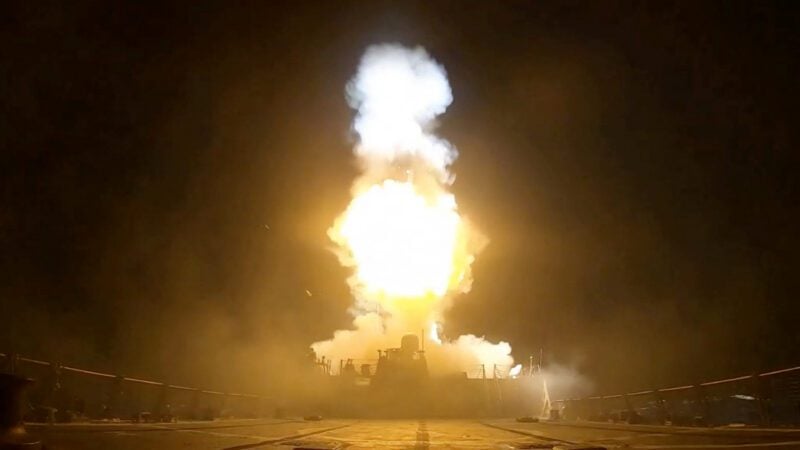
- Coalition naval protection of Red Sea shipping is ongoing, evidenced by the United States‑led Operation Prosperity Guardian and US Navy intercepts of Houthi missiles over the Red Sea. (Confidence: high · REPORTED)
- I&W: Publicised coalition convoy escorts or missile/drone intercepts in the Red Sea. (0-14 days)
- I&W: Official notification of suspension or drawdown of Operation Prosperity Guardian assets. (1-3 months)
- Regional escalation at the Strait of Hormuz is likely to sustain a high‑risk operating environment that constrains confidence in Red Sea, Suez routings, given renewed tanker and containership attacks, contested closure announcements by Iran’s Islamic Revolutionary Guard Corps, US strikes, and advisories of reduced traffic despite one channel remaining open. (Confidence: medium · ASSESSED)
- I&W: Further IRGC enforcement actions or attacks against commercial vessels in Hormuz and continued advisories of reduced traffic. (0-14 days)
- I&W: Public reporting of normalised two‑way transit volumes through Hormuz for at least 14 consecutive days and formal withdrawal of closure statements. (1-3 months)
- There is a roughly even chance of intermittent pauses, rather than durable de‑escalation, in Houthi operations against Red Sea traffic, given conflicting reporting of a halt in October 2025 and a resumption of attacks in March 2026. (Confidence: low · ASSESSED)
- I&W: A formal Houthi announcement of an operational pause followed by 30 days without reported Red Sea incidents. (1-3 months)
- I&W: A sustained pattern of weekly Houthi attack claims or actions against shipping for the next month. (0-1 months)
Outlook & scenarios
Protracted elevated threat with sporadic attacks (60%)
Houthi targeting of Israel‑linked vessels continues at a low to moderate tempo, producing intermittent attacks or hijacking attempts in the southern Red Sea and Bab el‑Mandeb. Operation Prosperity Guardian and partner navies maintain active defence, reducing but not eliminating risk. Operators maintain heightened security postures and selective transits.
Escalation to choke‑point pressure around Bab el‑Mandeb (35%)
Houthi activity intensifies, with a cluster of attacks and boarding attempts aimed at Israel‑linked or coalition‑associated traffic near Bab el‑Mandeb. Hijacking and damage incidents increase and delays mount as war‑risk pricing and routing caution rise. Calls on Yemen remain off‑limits given port security shortfalls.
Short‑lived de‑escalation under diplomatic pressure (25%)
Following international condemnation, the Houthis announce a pause in attacks and observable incidents decline for several weeks. Coalition naval presence persists as a hedge. The lull proves fragile, with a return to sporadic attacks if regional tensions flare.
Recommendations
- Maintain a daily collection and alerting rhythm on UKMTO reports and coalition maritime advisories for the southern Red Sea and Bab el‑Mandeb, tagging incidents involving Israel‑linked ownership or management for rapid dissemination.
- Sustain liaison with Operation Prosperity Guardian points of contact to obtain timely read‑outs on intercepts, patrol patterns and any routing guidance relevant to commercial transits in the Red Sea.
- Advise against scheduling commercial calls at Yemeni ports and treat any ad hoc call as high risk, aligning with the U.S. Coast Guard determination that Yemeni ports lack effective anti‑terrorism measures.
- Incorporate Strait of Hormuz threat indicators into Red Sea risk products: track IRGC closure statements, verified enforcement actions, and Joint Maritime Information Center advisories on traffic levels to inform Suez routing confidence.
- Pre‑coordinate crisis communications and contact protocols with Omani maritime authorities and relevant embassies for crew rescue and notification, given recent rescues off Oman and a reported missing Indian national.
Confidence & uncertainty
Overall confidence is medium because multiple high‑reliability official and major media sources corroborate Houthi targeting, Red Sea defence activity, and the concurrent Hormuz shock, but key elements rely on single‑source or medium‑confidence reporting. There are contradictions on the continuity of Houthi pauses versus resumptions and mixed reporting on the extent of the Hormuz closure versus open channels and reduced traffic. Some context comes from think‑tank and social‑media materials, which we weight lower.
Intelligence gaps
- [EEI 1.2 · UNCOVERED] Public Houthi claims of attacks or warnings tied to specific dates/routes, including social-media posts, official statements, and timing relative to merchant transits. Recommended collection: open-source/social_media
- [EEI 1.3 · UNCOVERED] Unusual Houthi force posture indicators along Yemen’s Red Sea coast: movement or concentration of small boats, visible coastal missile/rocket emplacements, or logistics buildup at known launch sites (locations, timestamps). Recommended collection: imagery/satellite
- [EEI 1.4 · UNCOVERED] Intercepts or communications indicating orders, targeting lists, or intent to strike merchant shipping (messages referencing specific vessel classes, companies, or chokepoints). Recommended collection: signals/communications
- [EEI 2.1 · UNCOVERED] Reports or visual confirmation of floating or moored mines and debris fields in shipping lanes or approaches to Bab-el-Mandeb, with geolocation and time. Recommended collection: imagery/satellite
- [EEI 2.2 · UNCOVERED] Detection of mine-laying activity: small vessels loitering in lane approaches, unexpected AIS track patterns consistent with mine deployment, or salvage/mining vessels operating in the area. Recommended collection: maritime/AIS
- [EEI 2.3 · PARTIAL] Hydrographic notices, naval warnings, or port authority advisories closing lanes or imposing route restrictions (text of Notice to Mariners, issuing agency, effective times/areas). Recommended collection: naval/port_authority
- [EEI 2.4 · UNCOVERED] Naval or commercial reports of mine-countermeasure operations or confirmed mine removal events (location, time, platforms involved). Recommended collection: naval/intelligence
- [EEI 3.1 · UNCOVERED] Movements and presence of foreign warships and support vessels: names/classes, task group compositions, patrol areas and timelines, and whether vessels are conducting escort or interdiction operations. Recommended collection: naval/intelligence
- [EEI 3.2 · UNCOVERED] Official announcements or directives from states/coalitions regarding convoys, armed escorts, protected corridor establishment, or changes to rules of engagement for merchant protection. Recommended collection: diplomatic/public_affairs
- [EEI 3.3 · PARTIAL] Recorded interactions between naval forces and vessels in the corridor (hailings, boardings, warnings, defensive strikes), including timestamps and outcomes. Recommended collection: maritime/AIS
- [EEI 3.4 · UNCOVERED] Planned or ongoing multinational exercises, air ISR sorties, or logistics moves that increase or decrease naval capacity in the area (exercise name, participating units, dates, locations). Recommended collection: open-source/military_reporting
- [EEI 4.2 · UNCOVERED] War-risk and hull insurance coverage changes: issuance refusals, premium increases for Red Sea transits, or explicit route exclusions by underwriters (policy notices or market rate data with dates). Recommended collection: commercial/insurance_data
- [EEI 4.3 · PARTIAL] Freight and charter market signals tied to the corridor: spot rates for container, tanker, and dry bulk routes affected by Red Sea disruptions, and reported port congestion or turnaround-time increases at nearby hubs. Recommended collection: commercial/market_data
- [EEI 4.4 · UNCOVERED] Incidents of cargo denial or diversion for critical goods (crude oil, refined products, LNG, high-value container cargo) including vessel IDs, cargo type, reroute/turnback actions, and economic impact estimates where available. Recommended collection: maritime/AIS
Cited sources
[1] Wikipedia · Red Sea crisis (B) · sha256:f432e7c61e78 [2] americanthinker.com · What Americans Don’t Appreciate About Iran (C) · sha256:c2c01d7993f6 [3] Wikipedia · Middle Eastern crisis (2023–present) (B) · sha256:85fae8049b21 [4] United Nations · US-Iran war leaves shipping at near-standstill in Hormuz again (A) · sha256:e4ff1305dae8 [5] gcaptain.com · Hormuz Route Open Despite Iran Declaration, Maritime Group Says (B) · sha256:445f76f59757 [6] Fortune · Hormuz route open despite Iran declaration, maritime group says | Fortune (B) · sha256:42f91d42a9f9 [7] gcaptain.com · US Launches Fresh Iran Strikes As Tehran Declares Hormuz Closed (A) · sha256:17bbad899b26 [8] gcaptain.com · U.S. Launches Third Round of Strikes on Iran After Containership Attack in Strait of Hormuz (A) · sha256:4a4361142ad0
Source content hashes were computed at collection time; the cited text is preserved unmodified for the life of this product.
TLP:CLEAR