TLP:CLEAR · Disclosure is not limited.
Red Sea: Armed boarding off Yemen, fresh thermal detections, and sustained insurance pressure keep transit risk elevated
Time window: Last 7 days · Audience: General analyst · Type: Situation report · DTG: 2026-07-02 01:11Z · Overall confidence: MEDIUM
BLUF
Armed personnel boarded and damaged a merchant ship off Yemen as a second vessel was pursued, while NASA recorded new thermal detections over the Red Sea. With past Houthi hijackings and ongoing coalition patrols, risk through Bab el‑Mandeb remains elevated and war‑risk pricing is unlikely to ease immediately.
Executive summary
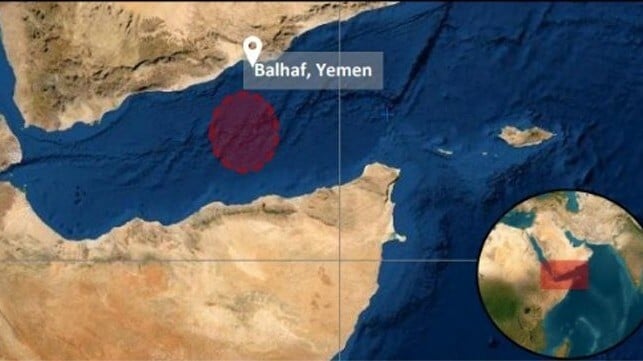
Recent reporting from the Gulf of Aden details an illegal boarding off Yemen that caused bridge damage, a second pursuit by four armed individuals, crew citadel use, and subsequent UKMTO warnings, with crews reported safe and authorities investigating. NASA logged two thermal detections over the Red Sea in the past 48 hours, one at high confidence, which record heat but not cause. Houthi maritime risk endures in the background, with previous hijackings taking 36 crew and renewed Houthi attacks on Israel this spring following an earlier halt. Operation Prosperity Guardian and allied assets, including HMS Dragon and German minesweepers in Djibouti, are present but cannot guarantee safety. War‑risk premiums for Red Sea transits remain far above pre‑crisis, the southern Red Sea and Bab el‑Mandeb remain on the JWC list, Suez container transits previously fell sharply, and the Port of Eilat’s shutdown reflects persistent commercial impact. Separately, the United States authorised departure of some personnel from Oman, signalling a tense regional security environment.
Change from previous assessment
Since the 1 July brief, there is reporting of an illegal boarding off Yemen with bridge damage, a second armed pursuit, and crew citadel use, prompting fresh UKMTO advisories and an investigation. NASA recorded two new thermal detections over the Red Sea. Separately, the United States authorised departure of some personnel from Oman due to safety risks. These developments reinforce but do not materially change the prior assessment of elevated risk and sustained insurance pressure.
Key judgments
- Piracy in the Gulf of Aden and approaches to Bab el‑Mandeb is likely to persist in the near term, compounding Red Sea shipping risks. (Confidence: medium · ASSESSED)
- I&W: Further UKMTO advisories of armed boarding or close approaches within 100 nm of Balhaf or Bab el‑Mandeb. (0-14 days)
- I&W: Absence of UKMTO reports of boardings in the Gulf of Aden and Bab el‑Mandeb. (1-3 months)
- Houthi targeting of commercial shipping in the Red Sea is likely to persist, given prior hijackings and renewed Houthi belligerence since late March 2026 despite a reported 2025 pause. (Confidence: medium · ASSESSED)
- I&W: A Houthi‑claimed attack or interdiction attempt against a merchant vessel in the southern Red Sea reported by shipowners or UKMTO. (0-14 days)
- I&W: A verified Houthi statement halting maritime attacks, matched by the absence of Red Sea incidents. (1-3 months)
- Coalition maritime deployments in and around Bab el‑Mandeb are unlikely to remove the risk to civilian shipping entirely. (Confidence: low · ASSESSED)
- I&W: Continued UKMTO reports of boardings or armed approaches in the Gulf of Aden and Bab el‑Mandeb despite coalition patrols. (1-3 months)
- I&W: Removal of the southern Red Sea and Bab el‑Mandeb from the JWC War Listed Areas and a marked recovery in Suez container transits. (1-3 months)
- War‑risk and insurance costs for Red Sea transits are likely to remain elevated relative to pre‑crisis levels, sustaining diversions and higher freight costs through the next quarter. (Confidence: medium · ASSESSED)
- I&W: Underwriters continue quoting war‑risk add‑ons in the 0.5-1.0 percent range for southern Red Sea and Bab el‑Mandeb transits. (1-3 months)
- I&W: JWC retracts southern Red Sea and Bab el‑Mandeb from its War Listed Areas and brokers report easing of war‑risk rates toward pre‑crisis norms. (1-3 months)
- New satellite thermal detections over the Red Sea very likely reflect episodic heat events along the corridor, but they do not indicate causation on their own. (Confidence: high · REPORTED)
- I&W: Additional high‑confidence FIRMS anomalies clustered along Red Sea shipping lanes concurrent with incident reporting. (0-14 days)
- I&W: No new Red Sea thermal anomalies and no matching incident reports. (0-14 days)
Outlook & scenarios
Protracted elevated risk with continued diversions (60%)
Armed boardings and close approaches recur around Bab el‑Mandeb, Houthi maritime risk endures in the background, and coalition patrols limit but do not eliminate exposure. War‑risk premiums remain high, the JWC keeps the southern Red Sea and Bab el‑Mandeb listed, and carriers continue to route a portion of services away from Suez.
Sharp escalation at the Bab el‑Mandeb choke point (35%)
Another successful boarding or a copycat hijacking near Yemen, potentially accompanied by a Houthi‑linked threat to merchant traffic, prompts insurers to lift premia again and carriers to pause more Suez transits. Regional statements harden and naval escorts tighten, but exposure remains elevated.
Gradual stabilisation under a heavier security footprint (25%)
Coalition operations and shipboard hardening reduce attempted boardings, UKMTO advisories decline, and war‑risk pricing begins to ease from current levels. Over time, more services return to Suez routings, though vigilance persists given the underlying threat environment.
Recommendations
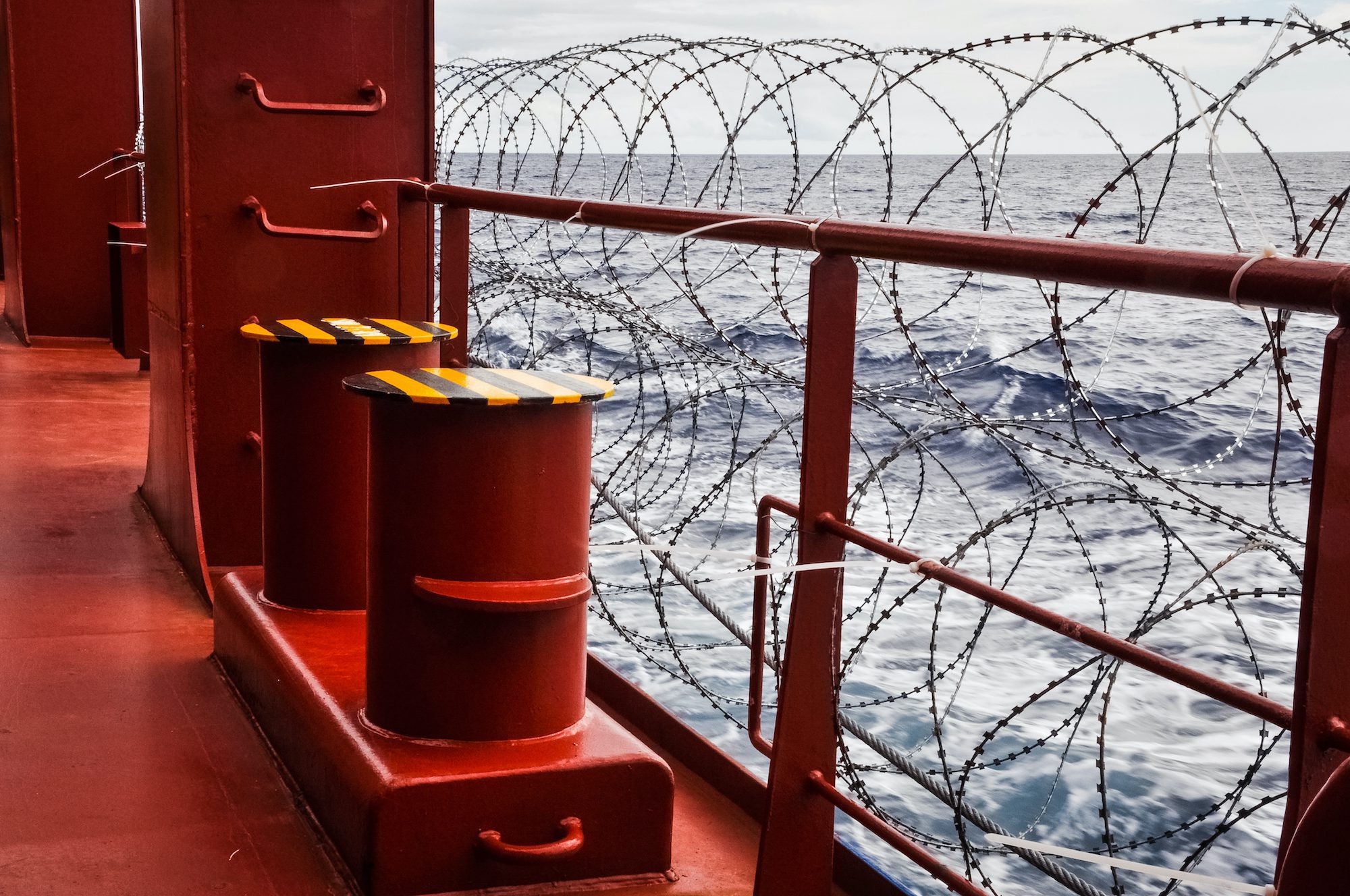
- Advise masters to maintain heightened watch in the Gulf of Aden and near Bab el‑Mandeb, rehearse citadel procedures, and ensure rapid UKMTO reporting protocols are in place during transits.
- Coordinate voyage planning with coalition maritime security nodes, including Operation Prosperity Guardian contacts, to align with advised transit windows and current threat briefs.
- Engage underwriters early to lock in war‑risk coverage and budget for add‑ons in line with prevailing 0.5-1.0 percent ranges for southern Red Sea passages; build schedule buffers for potential re‑routing.
- Task indications and warnings teams to monitor UKMTO advisories and NASA FIRMS anomalies over the Red Sea bounding box and cross‑cue them against company security incident logs.
- Review cargo and network contingencies for sustained Suez disruption, including alternative routings and port calls, noting the commercial impacts evidenced by the Eilat shutdown.
Confidence & uncertainty
Overall confidence is medium. The armed boarding and pursuit off Yemen are supported by multiple consistent reports, including crew actions, locations south of Balhaf, and UKMTO advisories. NASA’s thermal detections are authoritative and high confidence, though they do not indicate cause. Assessments about the persistence of Houthi maritime risk and the effectiveness of coalition patrols rely on indirect indicators and historical reporting, including prior hijackings and resumed Houthi activity, which introduces some uncertainty. Insurance and routing impacts are drawn from trade publications and market commentary with medium reliability and limited near‑term quantification.
Alternative analysis (red cell)
The reporting documents discrete maritime incidents and thermal detections (e.g., 775b0d9e; 5cd2b81d; 89fcfec7), but timelines and attribution are inconsistent across claims (see 92f5d54b vs. d1c61ffb and the 'contradiction_unaddressed' lint). A sober alternative estimate is that recent events represent episodic, localized incidents with ambiguous perpetrators and unclear persistence rather than a confirmed, sustained surge in Red Sea piracy or Houthi maritime campaigns. Resolving this requires consolidated incident trend data, stronger attribution (forensic/SIGINT), and post‑deployment operational assessments.
Intelligence gaps
- [EEI 1.3 · PARTIAL] Unusual Houthi force posture indicators along Yemen’s Red Sea coast: movement or concentration of small boats, visible coastal missile/rocket emplacements, or logistics buildup at known launch sites (locations, timestamps). Recommended collection: imagery/satellite
- [EEI 1.4 · UNCOVERED] Intercepts or communications indicating orders, targeting lists, or intent to strike merchant shipping (messages referencing specific vessel classes, companies, or chokepoints). Recommended collection: signals/communications
- [EEI 2.1 · UNCOVERED] Reports or visual confirmation of floating or moored mines and debris fields in shipping lanes or approaches to Bab-el-Mandeb, with geolocation and time. Recommended collection: imagery/satellite
- [EEI 2.2 · UNCOVERED] Detection of mine-laying activity: small vessels loitering in lane approaches, unexpected AIS track patterns consistent with mine deployment, or salvage/mining vessels operating in the area. Recommended collection: maritime/AIS
- [EEI 2.4 · UNCOVERED] Naval or commercial reports of mine-countermeasure operations or confirmed mine removal events (location, time, platforms involved). Recommended collection: naval/intelligence
- [EEI 3.3 · PARTIAL] Recorded interactions between naval forces and vessels in the corridor (hailings, boardings, warnings, defensive strikes), including timestamps and outcomes. Recommended collection: maritime/AIS
- [EEI 3.4 · PARTIAL] Planned or ongoing multinational exercises, air ISR sorties, or logistics moves that increase or decrease naval capacity in the area (exercise name, participating units, dates, locations). Recommended collection: open-source/military_reporting
- [EEI 4.3 · PARTIAL] Freight and charter market signals tied to the corridor: spot rates for container, tanker, and dry bulk routes affected by Red Sea disruptions, and reported port congestion or turnaround-time increases at nearby hubs. Recommended collection: commercial/market_data
- [EEI 4.4 · UNCOVERED] Incidents of cargo denial or diversion for critical goods (crude oil, refined products, LNG, high-value container cargo) including vessel IDs, cargo type, reroute/turnback actions, and economic impact estimates where available. Recommended collection: maritime/AIS
Cited sources
[1] gcaptain.com · Armed Boarders Damage Merchant Ship Off Yemen as Second Vessel Reports Suspicious Approach (B) · sha256:a7e2b7ab56c8 [2] maritime-executive.com · Pirates Board and Damage Vessel and Then Pursue Second Ship in Gulf of Aden (B) · sha256:4726cf638642 [3] Wikipedia · Red Sea crisis (B) · sha256:f72f5874f8ef [4] islamist-movements.com · القوة الأوروبية في مضيق هرمز. مهمة أمنية تواجه تحديات سياسية معقدة (C) · sha256:a6fb32320c8f [5] المركز الأوروبي لدراسات مكافحة الإرهاب والاستخبارات · مضيق هرمز ـ لماذا تستبعد ألمانيا المشاركة العسكرية في تأمين الملاحة البحرية؟ - المركز الأوروبي لدراسات مكافحة الإرهاب والاستخبارات (C) · sha256:dbc7ed5d97e0 [6] U.S. Department of State · Oman Travel Advisory | Travel.State.gov (A) · sha256:dfdad5d52acc [7] maritime-executive.com · The Insurance Chokepoint: War-Risk Pricing as an Instrument of Coercion (C) · sha256:babf18adcd89 [8] NASA · NASA FIRMS thermal detections — Red Sea (2d) (A) · sha256:0728b5d0b3a8
Source content hashes were computed at collection time; the cited text is preserved unmodified for the life of this product.
Red cell review: PARTIAL DISSENT
TLP:CLEAR