Red Sea: Houthi ‘ban’ and carrier curbs keep Bab el‑Mandeb a high‑risk corridor
Time window: Last 7 days · Audience: Logistics client · Type: Client risk memo · DTG: 2026-06-09 09:17Z · Overall confidence: MEDIUM
BLUF
The Houthis on 8 June 2026 declared a complete ban on Israeli maritime navigation in the Red Sea while claiming strikes on central Israel; Maersk has imposed route‑specific booking pauses and import‑only acceptance at Red Sea/Gulf nodes. With Saudi crude re‑routed to Yanbu and an estimated 3.3 million bpd transiting Bab el‑Mandeb, disruption risks to commercial shipping are very likely to persist; plan dynamic routing, verify Israel linkages, and pre‑authorize Cape of Good Hope contingencies.
Executive summary
Reported: Yemen’s Iran‑aligned Houthis announced on 8 June a total ban on Israeli shipping in the Red Sea and took credit for rocket/missile strikes that triggered sirens across central Israel. Maersk issued multiple advisories pausing landside bookings on lanes touching Jeddah, Salalah and Sohar, while accepting import‑only flows into Jeddah/King Abdullah, Salalah/Sohar and Khor Fakkan, and prioritizing perishable/medical cargo. Red Sea sailings remain below pre‑October 2023 levels despite a partial recovery by March 2026. UKMTO reported a tanker fire near Masirah Island, Oman, with crew evacuated and cause undetermined; U.S. forces separately disabled sanctioned tankers in the Gulf of Oman, and advisories warn of blockade enforcement near Iranian ports. Assessment: The southern Red Sea/Bab el‑Mandeb is very likely to remain a volatile, capacity‑constrained corridor with episodic maritime security incidents and shifting carrier acceptance, while dual‑chokepoint stress (Hormuz/Red Sea) elevates exposure for energy and containerized trade.
Key judgments
- Very likely elevated threat to Israel‑linked and perceived “enemy” shipping in the southern Red Sea/Bab el‑Mandeb in the near term following the Houthis’ 8 June 2026 declaration of a complete ban on Israeli maritime navigation and same‑day long‑range strikes claimed against central Israel. Reported indicators: Houthis announced a total/complete ban (JPost/MarineLink/Insurance Journal); Yahya Saree warned any Israeli target will be attacked; rockets/missile fire triggered sirens; Houthis stated all enemy movements are legitimate targets; the group has previously targeted ships with no direct Israel link. (Confidence: high)
- Likely near‑term operational volatility in bookings and inland moves across Jeddah, Salalah, Sohar and Khor Fakkan as Maersk imposes route‑specific pauses and import‑only acceptance while triaging critical cargo. Reported indicators: pauses on landside bookings from UAE/Qatar via Jeddah and Oman ports; from Jeddah to UAE/Oman/Qatar; from Salalah/Sohar to UAE/Saudi/Kuwait/Bahrain/Qatar; simultaneous acceptance for import‑only to Jeddah & King Abdullah, Jordan, Lebanon, Israel, Salalah/Sohar and Khor Fakkan; priority handling for food/medicine/perishables. (Confidence: medium)
- Likely rising risk to Saudi crude export continuity via the Red Sea if Houthi activity resumes at scale, given Riyadh’s diversion of flows to Yanbu and reliance on Bab el‑Mandeb. Reported indicators: Saudi Arabia diverted >70% of normal crude exports to Yanbu and redirected exports from Hormuz to the Red Sea; East‑West pipeline ships millions of barrels per day to the Red Sea; reports that millions of bpd have moved through Bab el‑Mandeb since Hormuz restrictions; an estimated 3.3 million bpd traverse Bab el‑Mandeb; renewed attacks could jeopardize Yanbu exports; any Houthi attacks would worry energy markets. (Confidence: medium)
- Very likely the southern Red Sea remains below pre‑October 2023 traffic levels and vulnerable to renewed collapse in Suez‑bound flows if attacks intensify, sustaining incentives for Cape of Good Hope diversions. Reported indicators: traffic has not returned to pre‑October 2023 baselines; March 2026 averaged 1,034 crossings; earlier Houthi attacks prompted diversions around Africa and led to a collapse in waterway traffic; prior campaign reportedly reduced Suez Canal transits by roughly two‑thirds. (Confidence: medium)
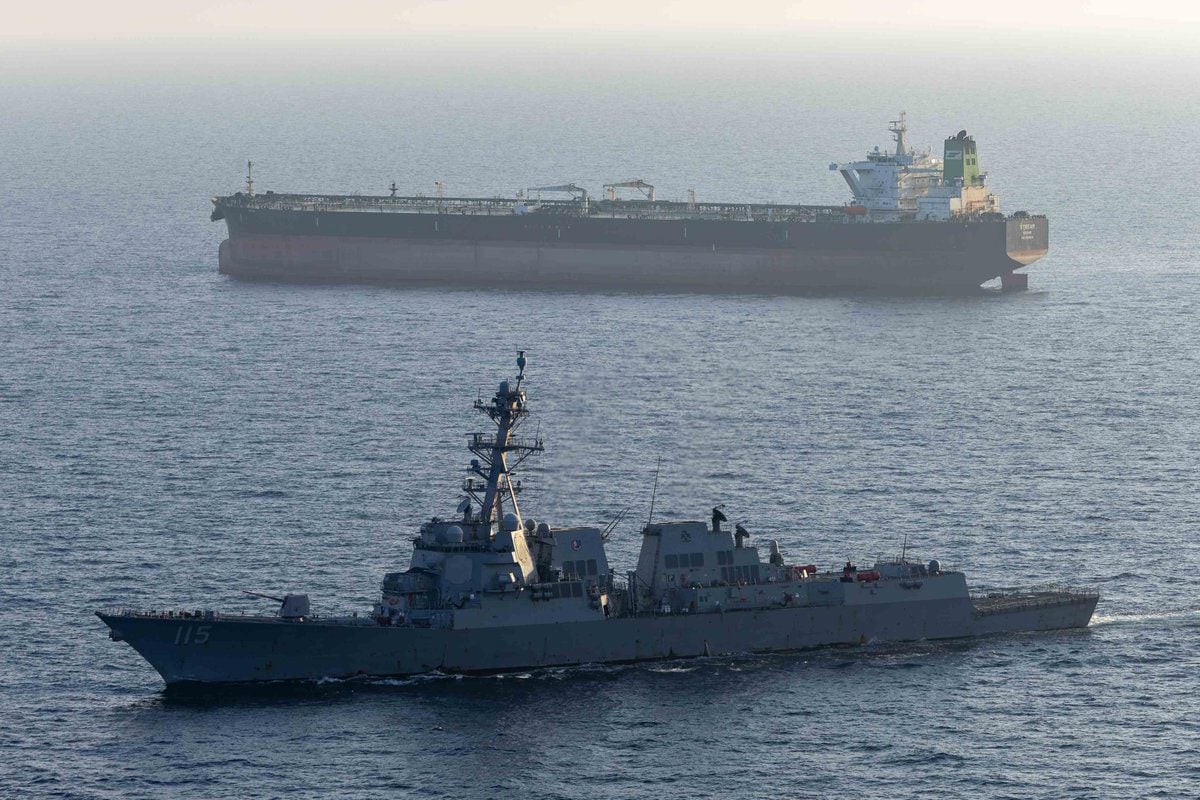
- Very likely heightened operational and legal exposure for voyages near the Gulf of Oman/Strait of Hormuz in June, independent of Red Sea dynamics, due to security incidents and enforcement activity. Reported indicators: UKMTO warned on a tanker fire ~15 nm NE of Masirah Island with crew evacuation and undetermined cause; UKMTO advised caution; U.S. forces disabled the sanctioned tanker M/T Marivex with an F/A‑18 strike and have boarded other sanctioned tankers (MT Davina) amid advisories that vessels near Iranian ports are subject to blockade enforcement; open‑source reporting notes suppressed Hormuz transits. (Confidence: medium)
- Unlikely that Yemeni Coastguard enhancements alone will materially reduce Houthi launch risk in the near term, though they likely improve local maritime domain awareness along Bab el‑Mandeb’s eastern approaches. Reported indicators: UK‑sponsored Mayun patrol boat now based on Perim Island; creation of a Coastguard Red Sea Sector covering waters between Perim and the Hanish Islands; reinvigoration of the Yemeni Coastguard with Saudi, UK and EU donor support; planned Saudi‑funded harbor upgrades on the Hanish Islands. (Confidence: low)
- Roughly even chance that neutral or third‑country vessels could be exposed to attack or misidentification if Houthi operations intensify, given the group’s past practice of striking ships with no direct Israel link and reporting that more than 100 commercial vessels were attacked during a prior campaign (single‑source for the latter). (Confidence: low)
Outlook & scenarios
Escalation around Bab el‑Mandeb constrains commercial transits, 55%
Within 30-45 days, the Houthis operationalize their 8 June ‘ban’ with intermittent missile/UAV harassment in the southern Red Sea. Israel‑linked or perceived enemy hulls avoid the Bab el‑Mandeb; carriers extend booking pauses on Jeddah/Salalah/Sohar lanes and restrict acceptance to import‑only gateways. Average monthly crossings fall from the March 2026 baseline of 1,034, and diversions around Africa increase. Saudi Yanbu loadings face higher schedule risk as any renewed attacks would jeopardize Red Sea exports.
Managed‑risk plateau with constrained but steady flows, 35%
A U.S.‑led mission continues strikes on Houthi targets and Yemeni Coastguard patrols around Perim enhance detection, limiting effective interdiction. The Houthi ‘ban’ remains largely rhetorical beyond Israel‑linked hulls. Red Sea transits hover near March 2026 levels while war‑risk premiums remain around reported levels, and Maersk gradually narrows booking pauses while continuing to prioritize perishable and medical shipments.
Dual‑chokepoint stress: Hormuz suppression + Red Sea harassment, 25%
Suppressed Strait of Hormuz transits persist alongside episodic Red Sea harassment. Saudi Arabia maximizes the East‑West pipeline and Yanbu, pushing more crude through Bab el‑Mandeb (where an estimated 3.3 million bpd already transit). Market sensitivity rises as insurers and charterers reassess exposure; additional diversions around Africa add time and cost.
Partial de‑escalation; sub‑baseline normalization, 20%
Kinetic activity ebbs; carriers reopen some suspended lanes and import‑only gateways expand. Red Sea sailings climb but remain below pre‑October 2023 baselines. Israel‑bound containerized trade relies predominantly on Haifa and Ashdod, while the Port of Eilat’s activity stays muted relative to historic norms.
Recommendations
- For Israel‑bound cargo, route via the Mediterranean ports of Haifa and Ashdod rather than Eilat/Red Sea to avoid the Bab el‑Mandeb exposure cited in the 8 June ‘ban’.
- Pre‑authorize Cape of Good Hope contingencies in contracts and schedules for Red Sea routings; use the March 2026 baseline (1,034 southern Red Sea crossings) as the optimistic capacity case and plan buffers given sub‑baseline traffic since October 2023.
- Tighten due diligence on vessel/cargo Israel linkages (flags, ownership, charterers, and port‑call histories), as the Houthis have previously targeted ships with no direct link to Israel and stated that ‘all enemy movements’ are legitimate targets.
- Exploit currently open import‑only gateways and acceptance windows: Jeddah & King Abdullah Port, Salalah, Sohar, Khor Fakkan, Jordan, Lebanon, and Israel; avoid paused corridors where Maersk has announced landside booking suspensions from Jeddah/UAE/Qatar/Salalah/Sohar.
- For critical foodstuffs, medicines, and perishables, align lift plans with Maersk’s stated priority handling to mitigate dwell and rollover risk (support: 74a0ea01).
- If calling Oman/Hormuz approaches, register and report to UKMTO, avoid the immediate vicinity of the Masirah incident location (~15 nm NE of Masirah Island, per Warning 064‑26), and follow caution advisories while investigations remain underway.
- For energy movements and cargoes touching Saudi Arabia, favor Yanbu/Red Sea routings over Persian Gulf loadings while maintaining contingency plans for Houthi‑related interruptions to Yanbu exports.
- Avoid chartering sanctioned or shadow‑fleet tonnage and ensure rigorous sanctions screening; U.S. forces have disabled and boarded sanctioned tankers (e.g., M/T Marivex; MT Davina) and advisories warn of blockade enforcement near Iranian ports.
- Review war‑risk insurance adequacy for Red Sea and Gulf of Oman transits and lock in terms proactively; industry reporting shows Red Sea war‑risk rates recently around 0.3% of hull value but subject to rapid repricing if attacks resume.
- Engage local authorities enhancing maritime security in the Bab el‑Mandeb (Perim/Mayun and the Coastguard Red Sea Sector) for situational awareness, recognizing these measures are unlikely to neutralize Houthi long‑range threats.
Confidence & uncertainty
Overall confidence is medium. The 8 June Houthi ‘ban’ and coincident strikes are multi‑source and consistent across major outlets (high confidence). Maersk’s acceptance/pausing notices are authoritative but internally inconsistent across updates, driving medium confidence on the exact scope of restrictions. The status of Hormuz traffic and enforcement is variably reported (medium to low confidence) but UKMTO incident reporting and U.S. actions against sanctioned tankers substantiate elevated risk near Oman/Iran. Claims about historical attack counts and casualty figures rely on single or secondary sources (low confidence) and are treated cautiously.