TLP:CLEAR, Disclosure is not limited.
Red Sea: Houthis ban Israeli‑linked shipping; EU escorts sustain flows as skiff incident off Balhaf highlights south Red Sea risk
Time window: Last 7 days · Audience: General analyst · Type: Situation report · DTG: 2026-06-11 09:12Z · Overall confidence: MEDIUM
BLUF
The Houthis’ 8 June total, immediate ban on Israeli‑linked maritime navigation in the Red Sea, paired with warnings that such vessels are military targets, likely raises near‑term risk around Bab‑el‑Mandeb. Naval protection (EU Operation ASPIDES) is enabling continued traffic, while the 10 June armed‑skiff approach 88 nm southwest of Balhaf appears piracy‑style rather than Houthi‑directed.
Executive summary
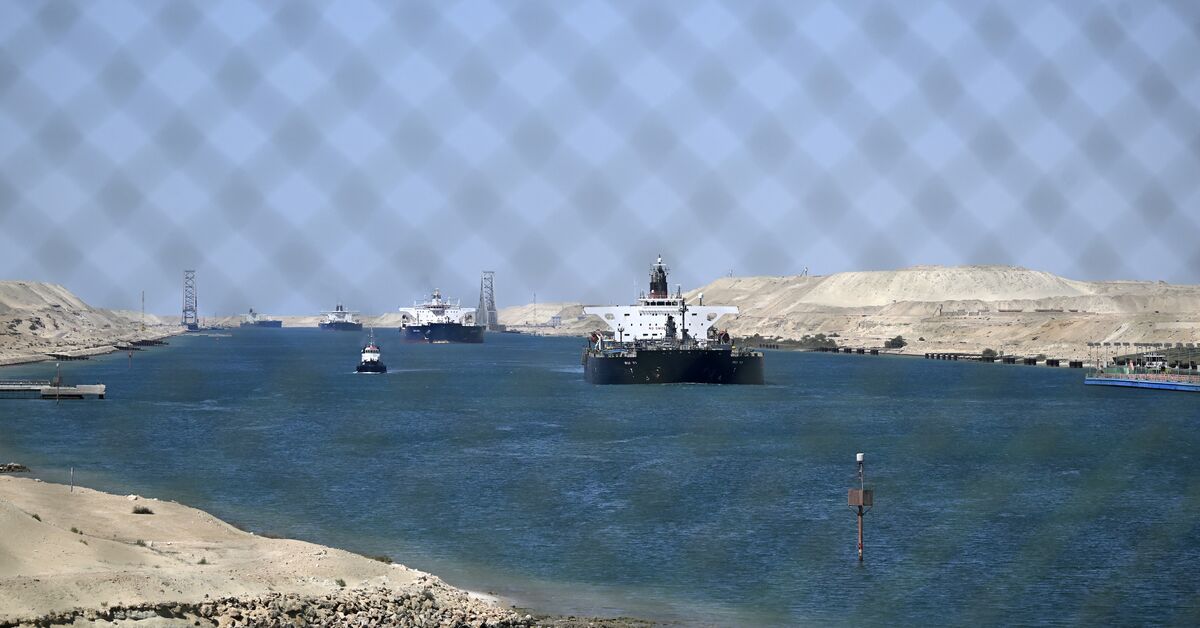
On 8 June, the Houthi movement declared a total and immediate ban on Israeli‑linked shipping in the Red Sea and warned any Israel‑linked vessel would be treated as a military target. EU Operation ASPIDES reports protecting 600 vessels and assisting 1,700, underscoring sustained escort capacity as Houthi threats continue. On 10 June, a cargo ship exchanged fire with a six‑man skiff about 88 nm southwest of Yemen’s Balhaf; the attackers broke off, no casualties or damage were reported, UKMTO logged the event and issued Warning 065‑26, and the Houthis have not claimed responsibility. Despite the threat environment, oil‑tanker traffic via the Suez Canal surged in April 2026 to 529 transits with $419 million in revenue; authorities estimate at least $9 billion of potential revenue has been lost due to earlier disruption, and the Suez Canal Authority plans to raise surcharges on 15 July.
Change from previous assessment
Initial assessment of this topic for this run: we incorporate the 8 June Houthi Red Sea ban and immediate‑effect statements; quantify EU Operation ASPIDES protection (600 protected; 1,700 assisted); add details from UKMTO Warning 065‑26 on the 10 June skiff incident off Balhaf, including the absence of a Houthi claim; and integrate April 2026 Suez traffic and revenue data alongside the planned 15 July surcharge increase.
Key judgments
- The Houthi movement declared on 8 June 2026 a total and immediate ban on Israeli‑linked maritime navigation in the Red Sea and warned that any Israel‑linked vessel would be treated as a military target. (Confidence: high · REPORTED)
- I&W: Houthi official channels publicize or attempt an interdiction of a named Israeli‑owned/flagged vessel transiting Bab‑el‑Mandeb. (0-14 days)
- I&W: An official statement by Yahya Saree narrowing or rescinding the Red Sea ban. (1-3 months)
- Near‑term enforcement pressure on Israeli‑linked hulls is likely to increase around Bab‑el‑Mandeb as the Houthis resume projectile launches at Israel and signal intent to intensify operations alongside allied actors. (Confidence: medium · ASSESSED)
- I&W: UKMTO warnings referencing harassment or attack attempts against vessels publicly identified as Israeli‑linked transiting Bab‑el‑Mandeb. (0-14 days)
- I&W: A 30‑day period with no Houthi maritime attack claims and multiple reported Israeli‑linked transits without interference. (1-3 months)
- The 10 June armed‑skiff approach roughly 88 nm southwest of Balhaf exhibits piracy‑style characteristics rather than Houthi direction: a small craft with six armed men closed, exchanged fire, then broke off; no casualties or damage were reported, UKMTO issued Warning 065‑26, and the Houthis did not claim responsibility. (Confidence: medium · ASSESSED)
- I&W: Pattern of similar small‑boat approaches in the Gulf of Aden/near Balhaf without ideological claims and with break‑offs under return fire. (1-3 months)
- I&W: A Houthi claim of responsibility or forensic linkage of the skiff or weapons to known Houthi units. (0-14 days)
- EU Operation ASPIDES has materially increased protection for commercial shipping in the Red Sea, reporting 600 vessels protected and assistance to 1,700 transits as EU officials highlight Houthi threats to European ships. (Confidence: high · REPORTED)
- I&W: EU NAVFOR announcements of additional ASPIDES‑escorted or protected transits in the Red Sea. (0-14 days)
- I&W: A successful attack against an ASPIDES‑escorted EU‑flag vessel. (1-3 months)
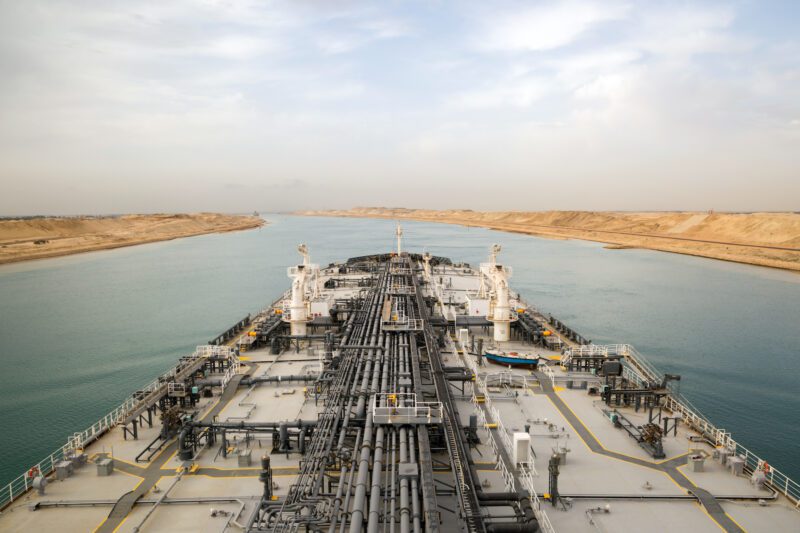
- Despite the threat environment, oil‑tanker traffic via the Suez Canal in April 2026 rose by roughly a third to 529 tankers and generated $419 million in revenue, while authorities estimate at least $9 billion of potential revenue has been lost during prior disruption; Hormuz‑related disruptions are pushing more energy shipments toward the Red Sea route. (Confidence: high · REPORTED)
- I&W: Suez Canal Authority monthly statistics sustain >500 tanker transits and circa $400M monthly revenue. (1-3 months)
- I&W: A marked decline in tanker transits (<400/month) attributed to security concerns. (1-3 months)
- The Suez Canal Authority will likely raise transit surcharges from 15 July 2026, adding costs to Red Sea routing amid elevated demand. (Confidence: medium · REPORTED)
- I&W: An SCA circular or website posting implementing new surcharge rates effective 15 July. (0-14 days)
- I&W: Public SCA notice postponing or cancelling the 15 July surcharge increase. (1-3 months)
- The operating environment tied to Yemen remains high‑risk for U.S. persons and commercial activity: U.S. citizens face high risk of kidnapping/detention, Yemeni ports lack effective anti‑terrorism measures, and the official advisory is Do Not Travel. (Confidence: high · REPORTED)
- I&W: Updated U.S. Department of State Yemen advisory maintaining 'Do Not Travel' with kidnapping/detention risk language. (1-3 months)
- I&W: U.S. Coast Guard revises Yemeni port anti‑terrorism assessments to effective status. (1-3 months)
Outlook & scenarios
Targeted Houthi enforcement against Israeli‑linked ships at Bab‑el‑Mandeb, 55%
Houthis act on the 8 June ban and warning by attempting interdictions or standoff attacks against vessels publicly tied to Israeli ownership, flags, or charters transiting the southern Red Sea. Their statements about intensifying operations and coordination with allied forces, alongside resumed projectile launches at Israel, translate into near‑term maritime action focused on Israeli‑linked targets near the chokepoint.
Managed risk under naval protection; traffic continues with sporadic incidents, 50%
EU Operation ASPIDES maintains escorts/protective presence, enabling continued Red Sea/Suez transits despite threats. The pattern resembles the 10 June skiff event, isolated small‑craft approaches and warnings logged by UKMTO, with limited impact on overall flows. Oil‑tanker transits and revenue remain elevated compared to a year earlier.
Hormuz disruptions channel more energy via Suez as costs rise, 50%
Disruptions at the Strait of Hormuz keep pushing energy cargoes toward the Red Sea route, reinforcing April’s surge to 529 tanker transits and higher revenues. With the Suez Canal Authority’s planned 15 July surcharge increase, voyage economics tighten even as shippers continue to favor Suez over alternatives.
Wildcard: Miscalculation hits a European vessel, prompting escalated naval response, 15%
A Houthi strike or interdiction attempt erroneously targets an EU‑linked vessel amid threats to European ships, breaching the current protective deterrent. A rapid multinational naval response follows, with short‑term traffic pauses around Bab‑el‑Mandeb before escorts expand and routes reopen.
Recommendations
- Prioritize collection and monitoring of Houthi official channels for target designations and enforcement statements; maintain a running list of hulls and operators with any Israeli linkages to assess Red Sea transit exposure.
- Direct maritime watch centers to maintain continuous liaison with UKMTO and EU NAVFOR Operation ASPIDES for high‑risk transits, and to capture and distribute UKMTO warnings (e.g., the 10 June Warning 065‑26 pattern) to operators in real time.
- Update voyage economics and chartering guidance to incorporate the Suez Canal Authority’s planned 15 July surcharge increase and the sustained elevation in tanker traffic and revenues.
- Advise against calls to Yemeni ports and routings that approach the Yemeni littoral where practical, consistent with the U.S. Do Not Travel advisory and the assessment of ineffective port anti‑terrorism measures.
- Establish standing tripwires for escalation: (a) any UKMTO report of harassment/attack attempts explicitly referencing Israeli‑linked ownership or flags; (b) ASPIDES reporting of attacks on escorted EU‑flag ships; (c) SCA notices implementing or deferring surcharge changes.
Confidence & uncertainty
Overall confidence is medium. The Houthi Red Sea ban and targeting guidance and EU Operation ASPIDES results are supported by multiple official and major‑media sources, yielding high confidence on those points. The Balhaf skiff event attribution is assessed with medium confidence given single‑incident evidence and absence of a Houthi claim. Traffic and revenue figures for Suez in April 2026 are consistently reported across outlets, while forward risk from wider regional hostilities (including reported Hormuz disruptions) is less firmly sourced, contributing to uncertainty about the pace and scope of spillover into Red Sea enforcement.
Alternative analysis (red cell)
The record shows public Houthi declarations and elevated regional threat activity, but reporting contains date/scope contradictions, clustered single‑source items, and limited operational corroboration. It is therefore plausible that Houthi statements are primarily political signaling with ambiguous enforceability, and that isolated skiff attacks could be opportunistic piracy rather than evidence of an immediate, organized interdiction campaign focused on Bab‑el‑Mandeb. Absent direct operational corroboration (tasking, interdictions, forensic linkage), analysts should treat claims of an immediate, enforceable ban and a near‑term geographic intensification as uncertain.
Cited sources
[1] easternherald.com, Gunfight at Sea Off Yemen: Who Really Attacked That Cargo Ship? (B) · sha256:44f11081eb97 [2] ttnews.com, Suez Canal Gets Oil Tanker Boost Amid Hormuz Strait Shutdown - TT (B) · sha256:8b0af594eb0b [3] vesti.az, Хуситы «закрыли» Красное море для израильских судов (B) · sha256:7f6259c7b1bf [4] lenta.profinansy.ru, Угрозы хуситов судоходству в Красном море подчеркивают важность операции ASPIDES - представитель Каллас | Новости pro.finansy (A) · sha256:bcb564c6e4dc [5] Jerusalem Post, Cargo vessel exchanges fire with armed craft off of Yemen, UKMTO reports (A) · sha256:1a1ed7d4b8ce [6] ru.euronews.com, Видео. Хуситы вступили в войну Ирана, под угрозой торговля в Красном море (B) · sha256:33d7e33929ba [7] Wikipedia, 2026 Houthi strikes on Israel (B) · sha256:54e4427f70e0 [8] Wikipedia, Red Sea crisis (B) · sha256:45761a3ca86a [9] al-monitor.com, Suez Canal traffic soars as Hormuz disruptions reroute energy trade (B) · sha256:36bfcde09432 [10] gcaptain.com, Suez Canal Gets Oil-Tanker Boost Amid Hormuz Strait Shutdown (B) · sha256:6d8c104a121b [11] africa.businessinsider.com, Suez Canal traffic jumps nearly 30% as Strait of Hormuz disruption pushes more oil shipments through Egypt (B) · sha256:e6b22d964c62 [12] U.S. Department of State, Yemen Travel Advisory | Travel.State.gov (A) · sha256:d87365caec69
Source content hashes were computed at collection time; the cited text is preserved unmodified for the life of this product.
Red cell review: PARTIAL DISSENT
TLP:CLEAR