TLP:CLEAR · Disclosure is not limited.
Red Sea: Iran signals Houthi-led Bab el‑Mandeb threat; shipping risk elevated
Time window: Last 7 days · Audience: General analyst · Type: Situation report · DTG: 2026-07-17 01:12Z · Overall confidence: MEDIUM
BLUF
Risk to merchant shipping in the southern Red Sea and Bab el‑Mandeb is very likely elevated after Iran directed the Houthis to prepare for a possible closure and Houthi units deployed missiles and drones near the strait. A Houthi interdiction would very likely disrupt around 7 percent of global energy flows and a low-teens share of world seaborne trade, with Saudi Red Sea exports exposed.
Executive summary
Multiple major-media reports indicate Iran has told Yemen’s Houthi movement to be ready to close the Bab el‑Mandeb if U.S. actions cross specified thresholds, while Houthi units have completed preparations by deploying missiles and drones near the waterway. Iran’s leadership and the IRGC have publicly signalled willingness to open a Bab el‑Mandeb front, and U.S. forces have conducted new strikes on Iranian military targets. The corridor handles roughly 7 percent of global energy flows and 12-15 percent of global maritime trade. Maritime security advisers have urged operators to pause voyages, and a renewed Houthi campaign would add 10-15 days via the Cape route, increase costs and depress Suez-linked volumes. Saudi Arabia’s shift of about 70 percent of its energy exports to Red Sea routes heightens exposure if attacks begin.
Change from previous assessment
Since the 15 July brief, credible reporting emerged that Iran told the Houthis to prepare to close the Bab el‑Mandeb and that Houthi missiles and drones have been deployed near the strait. U.S. forces conducted fresh strikes on Iranian military targets, increasing the salience of Iranian signalling to open a Red Sea front. A maritime security advisory urged operators to pause voyages. We raise the assessed near‑term shipping risk to very likely elevated, add an attempted‑closure scenario, and maintain caution on the probability of actual interdiction pending further triggers.
Key judgments
- It is very likely that risk to merchant shipping in the southern Red Sea and Bab el‑Mandeb is elevated this week, given reporting that Iran directed the Houthis to prepare for a possible closure and that Houthi units have positioned missiles and drones near the strait. (Confidence: high · ASSESSED)
- I&W: Public Houthi or IRGC announcement of a blockade or commencement of attacks on commercial shipping at Bab el‑Mandeb. (0-14 days)
- I&W: Authoritative reporting or imagery showing withdrawal of Houthi missile and drone units from coastal launch areas near the strait. (0-14 days)
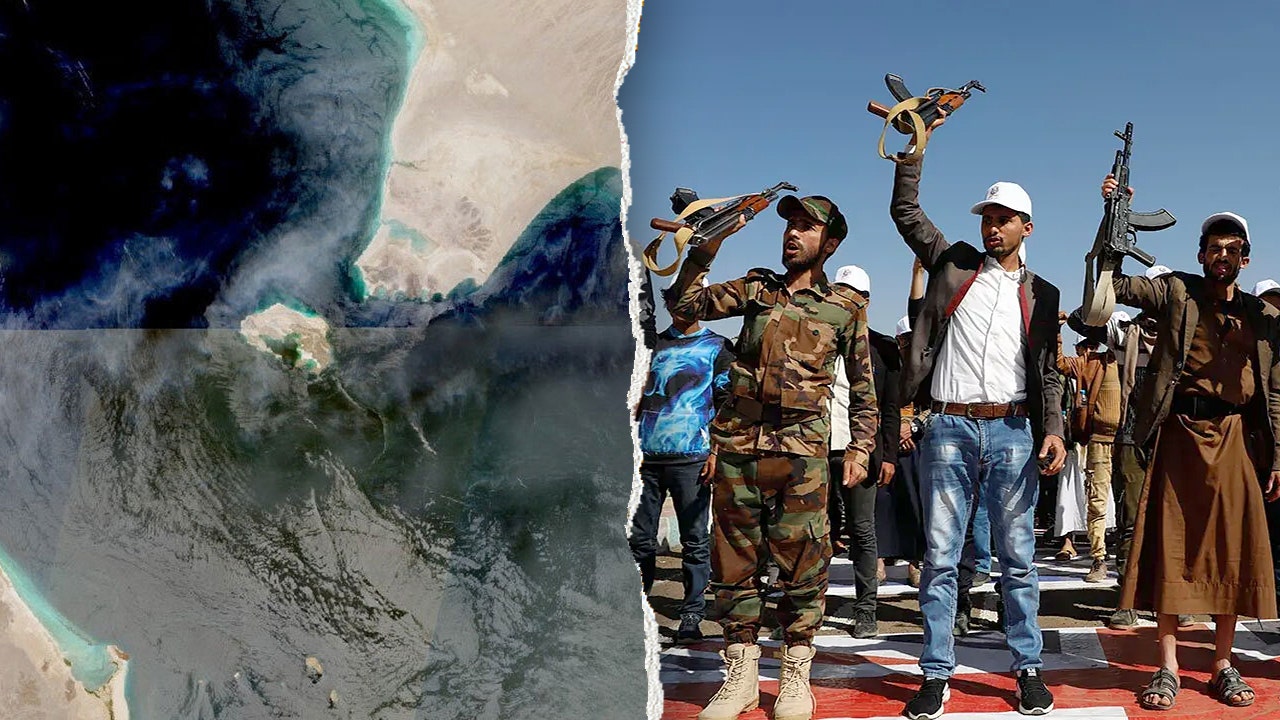
- Houthi forces have completed preparations to attack shipping by deploying missiles and drones around Bab el‑Mandeb and are awaiting an order to engage. (Confidence: high · REPORTED)
- I&W: Imagery or on-water reporting of identifiable missile TELs, UAV launch sites, or associated logistics near the Yemeni littoral astride Bab el‑Mandeb. (0-30 days)
- I&W: Absence of UKMTO or naval warnings on credible missile or drone threats in the strait for two consecutive weeks. (0-30 days)
- A successful Houthi attempt to close or seriously degrade traffic through Bab el‑Mandeb would very likely disrupt around 7 percent of global energy flows and a low‑teens share of world seaborne trade, with potential oil throughput losses of 8-9 million barrels per day; Saudi flows routed via the Red Sea would be highly exposed. (Confidence: medium · ASSESSED)
- I&W: Sustained fall in AIS‑tracked transits at Bab el‑Mandeb and Suez alongside insurer notices raising war‑risk surcharges for Red Sea routes. (1-3 months)
- I&W: Stable or rising Red Sea transits and unchanged insurance pricing despite Houthi threats. (1-3 months)
- There is a roughly even chance over the next 1-3 months that Tehran authorises a Houthi campaign to interdict Bab el‑Mandeb if U.S. strikes expand to Iranian power infrastructure, given leadership discussions on using the Houthis, IRGC rhetoric and reported IRGC presence and control links in Yemen. (Confidence: low · ASSESSED)
- I&W: Confirmed U.S. strikes on Iranian power infrastructure followed by Houthi missile or drone salvos on multiple merchant vessels in the strait within days. (1-3 months)
- I&W: Credible reporting of Tehran issuing stand‑down guidance to Houthi leadership or the departure of IRGC facilitators from Yemen. (1-3 months)
- Commercial posture is tightening: maritime security advisers have urged operators to pause voyages and, given past Houthi campaigns increased costs, lengthened transits and depressed Suez traffic, operators are likely to sustain Cape routings if attacks resume. (Confidence: medium · ASSESSED)
- I&W: Public statements by major liners reinstating Cape of Good Hope routings for Red Sea services and brokers reporting higher war‑risk premia. (0-14 days)
- I&W: Announcements by top carriers of resumed Red Sea transits at scale or insurers cutting war‑risk rates for the corridor. (0-14 days)
Outlook & scenarios
Contained Houthi harassment while corridor remains open (60%)
Houthi forces conduct intermittent missile or drone attacks against transiting tankers and boxships near the Yemeni coast, generating near‑misses and some damage but not a full stoppage. Naval forces intercept or deter a portion of strikes. Insurers lift premia and some operators reroute, but a restricted flow continues through Bab el‑Mandeb.
Attempted Bab el‑Mandeb closure (35%)
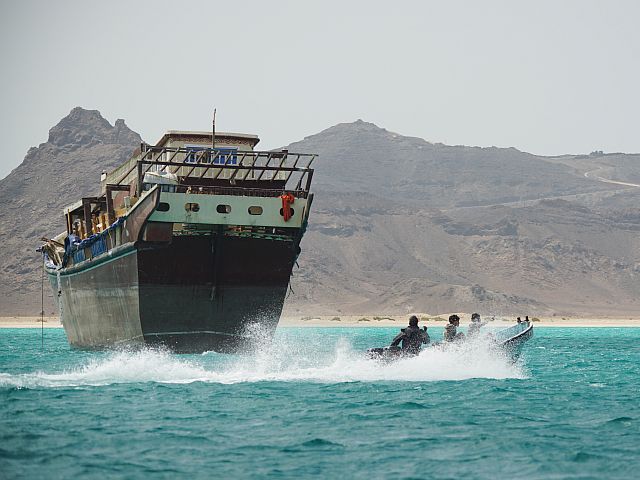
Following further U.S. actions that Tehran deems escalatory, the Houthis launch a coordinated interdiction campaign under IRGC guidance, combining anti‑ship missiles, drones and small‑boat swarms to deny passage for days to weeks. A sharp fall in Suez‑linked traffic and a shift to the Cape route drive higher freight and energy prices, with Saudi Red Sea exports facing elevated risk.
Signalling without shots (25%)
Tehran and the Houthis sustain rhetorical pressure and visible military posturing around the strait but hold fire while gauging international response. Operators delay sailings and adjust insurance, yet the corridor sees steady if reduced throughput.
Wildcard: dual chokepoint pressure (10%)
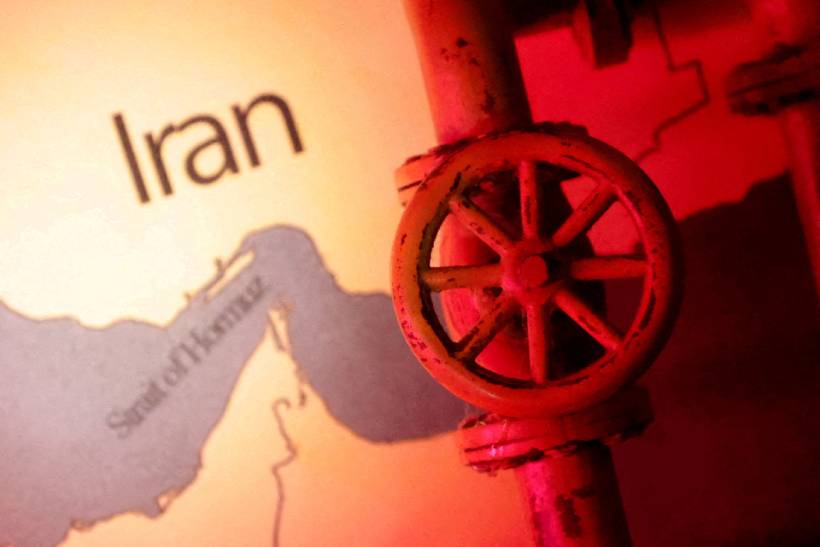
Escalation links Bab el‑Mandeb threats with heightened risk messaging around the Strait of Hormuz, prompting risk‑off behaviour across both routes. Even without full closures, perceived two‑front exposure forces broad rerouting and accelerates contingency planning.
Recommendations
- Prioritise open‑source and commercial satellite collection on Houthi missile and UAV deployments along the Yemeni littoral astride Bab el‑Mandeb, focusing on transporter‑erector‑launchers, coastal batteries, logistics hubs and UAV launch sites.
- Task maritime watch to fuse AIS, LRIT and high‑frequency radio reporting for early warning of clustering or erratic slow‑downs in Red Sea convoys indicating pre‑attack staging.
- Intensify OSINT on IRGC facilitation networks in Yemen, including named intermediaries and command links, to detect any shift from preparation to execution authority.
- Establish a standing cross‑check with maritime security advisories and insurer circulars to track changes in war‑risk premia and routing guidance affecting Bab el‑Mandeb.
- Prepare a decision memo on U.S. engagement options with Riyadh and Cairo for contingency convoying, deconfliction and rapid repair support to Red Sea energy terminals and navigation aids.
- Map U.S. and allied trade flows and critical cargoes reliant on the Suez route over the next 60 days and identify priority shipments for diversion windows if interdiction begins.
- Draft tripwire‑based warning products for operators and interagency partners keyed to triggers such as confirmed Houthi missile launches in the strait or a public blockade declaration.
- Pre‑position analytic templates to quantify impacts on oil and LNG flows if Bab el‑Mandeb throughput falls, using known baselines for energy share and potential 8-9 million bpd losses.
Confidence & uncertainty
Reporting that Iran instructed the Houthis to prepare for a Bab el‑Mandeb closure and that Houthi units deployed missiles and drones near the strait is carried by multiple major‑media outlets and corroborated by several independent claims, including IRGC rhetoric and analysis of likely Iranian reliance on the Houthis. However, key elements rest on anonymously sourced reporting about Iranian directives and conditional triggers, and some figures and timelines vary across sources. The consequence assessments draw on solid baseline flow statistics but infer forward impacts. These factors support an overall confidence of medium.
Alternative analysis (red cell)
Reporting indicates plausible intent signalling and repeated allegations of Houthi deployments, but the evidence set contains duplicate narratives, several lower‑confidence items, and at least one unaddressed contradiction. A sober alternative estimate is that risk to shipping is elevated but less certain this week than portrayed; the scale of potential economic disruption and Tehran's willingness to authorize a major interdiction remain ambiguous absent independent corroboration of physical deployments, command orders, and reconciled throughput data.
Intelligence gaps
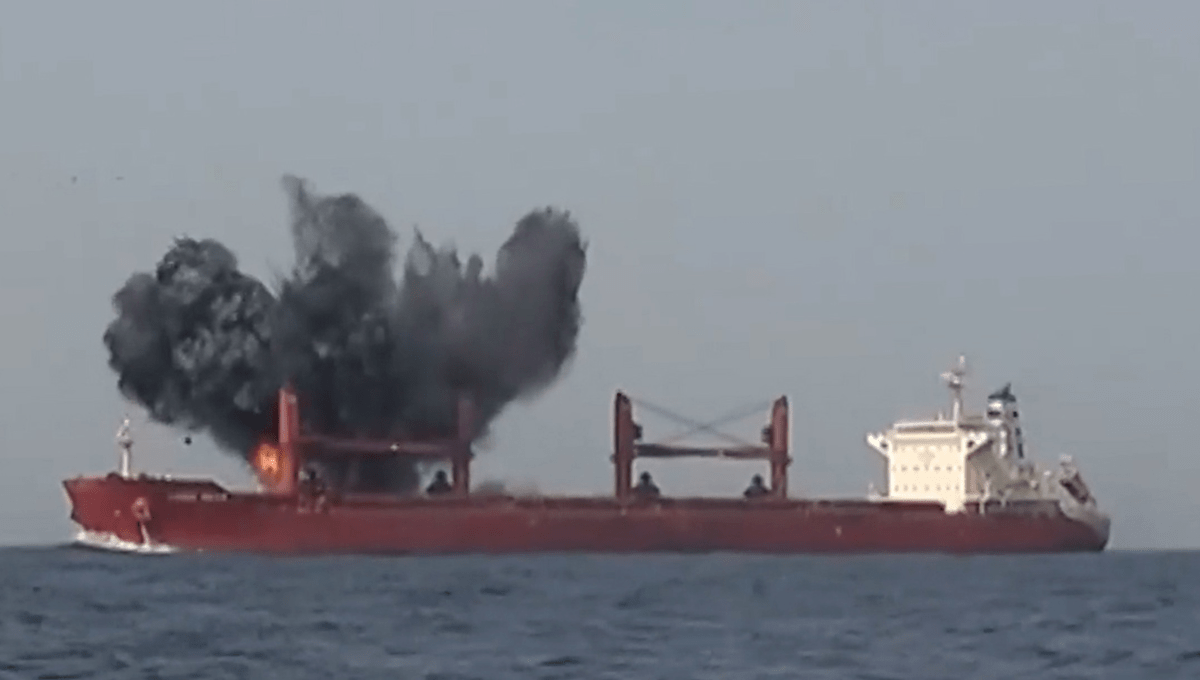
- [EEI 1.1 · PARTIAL] Incidents of hostile action against commercial vessels: vessel name/IMO, position (lat/long), time/date, observable damage or casualties, and weapon type reported (missile, drone, small-arms, explosive-laden boat). Recommended collection: maritime/AIS
- [EEI 1.3 · PARTIAL] Unusual Houthi force posture indicators along Yemen’s Red Sea coast: movement or concentration of small boats, visible coastal missile/rocket emplacements, or logistics buildup at known launch sites (locations, timestamps). Recommended collection: imagery/satellite
- [EEI 2.1 · UNCOVERED] Reports or visual confirmation of floating or moored mines and debris fields in shipping lanes or approaches to Bab-el-Mandeb, with geolocation and time. Recommended collection: imagery/satellite
- [EEI 2.2 · UNCOVERED] Detection of mine-laying activity: small vessels loitering in lane approaches, unexpected AIS track patterns consistent with mine deployment, or salvage/mining vessels operating in the area. Recommended collection: maritime/AIS
- [EEI 2.3 · UNCOVERED] Hydrographic notices, naval warnings, or port authority advisories closing lanes or imposing route restrictions (text of Notice to Mariners, issuing agency, effective times/areas). Recommended collection: naval/port_authority
- [EEI 2.4 · UNCOVERED] Naval or commercial reports of mine-countermeasure operations or confirmed mine removal events (location, time, platforms involved). Recommended collection: naval/intelligence
- [EEI 3.1 · PARTIAL] Movements and presence of foreign warships and support vessels: names/classes, task group compositions, patrol areas and timelines, and whether vessels are conducting escort or interdiction operations. Recommended collection: naval/intelligence
- [EEI 3.2 · PARTIAL] Official announcements or directives from states/coalitions regarding convoys, armed escorts, protected corridor establishment, or changes to rules of engagement for merchant protection. Recommended collection: diplomatic/public_affairs
- [EEI 3.3 · PARTIAL] Recorded interactions between naval forces and vessels in the corridor (hailings, boardings, warnings, defensive strikes), including timestamps and outcomes. Recommended collection: maritime/AIS
- [EEI 3.4 · UNCOVERED] Planned or ongoing multinational exercises, air ISR sorties, or logistics moves that increase or decrease naval capacity in the area (exercise name, participating units, dates, locations). Recommended collection: open-source/military_reporting
- [EEI 4.2 · UNCOVERED] War-risk and hull insurance coverage changes: issuance refusals, premium increases for Red Sea transits, or explicit route exclusions by underwriters (policy notices or market rate data with dates). Recommended collection: commercial/insurance_data
- [EEI 4.3 · PARTIAL] Freight and charter market signals tied to the corridor: spot rates for container, tanker, and dry bulk routes affected by Red Sea disruptions, and reported port congestion or turnaround-time increases at nearby hubs. Recommended collection: commercial/market_data
Cited sources
[1] haaretz.com · Report: Iran tells Yemen's Houthis to prepare to close Red Sea oil route if U.S. strikes power grid (B) · sha256:7c22f327050d [2] jpost.com · Iran tells Houthis to close Red Sea gateway if US hits power network, sources say (B) · sha256:92ec8dadb1fc [3] VERTEX · After Hormuz, Red Sea Next? Iran's Houthi Plan Threatens World's Biggest Shipping Routes | VERTEX (B) · sha256:89672b87b170 [4] foxnews.com · Iran calls on Houthis to prepare to cut off Red Sea gateway — can the terror group do it? (B) · sha256:30d7470989ff [5] ynetnews.com · Iran threatens Red Sea shipping, tells Houthis to ready Bab el-Mandeb blockade (B) · sha256:c04f2ecbd9de [6] tbsnews.net · Iran tells Houthis to close Red Sea gateway if US hits power network, sources say (B) · sha256:93ec1951be30 [7] investinglive.com · investingLive | Forex News, Technical Analysis and Trading Tools (B) · sha256:148550356502 [8] newsru.co.il · Хуситы готовы перекрыть Баб-эль-Мандебский пролив по приказу Ирана - NEWSru.co.il (B) · sha256:492e9bc6d91e [9] Times of India · Iran eyes the Red Sea: How it can control the vital maritime chokepoint (B) · sha256:38c5fe485964 [10] time.com · Will Iran Target Another Maritime Chokepoint? The Bab El-Mandeb Strait Is Under Threat (A) · sha256:8a330b223a55 [11] Newsweek · Red Sea chokepoint: Iran-Backed Houthis threaten another key trade route (B) · sha256:98d19ca73dd3 [12] aljazeera.com · How serious is Iran’s threat to disrupt shipping in the Red Sea? (B) · sha256:654cf5e705fa [13] moderndiplomacy.eu · Iran Warns Strait of Hormuz Is a 'Red Line' as US Iran Conflict Deepens (B) · sha256:8ce0d48b82f1 [14] centralchronicle.in · Some ships refusing US | DD News (B) · sha256:d33967fcfb08
Source content hashes were computed at collection time; the cited text is preserved unmodified for the life of this product.
Red cell review: PARTIAL DISSENT
TLP:CLEAR