TLP:CLEAR · Disclosure is not limited.
Red Sea Shipping Disruption: Hodeidah Warning Raises Port Risk
Time window: Last 7 days · Audience: General analyst · Type: Situation report · DTG: 2026-11-25 01:15Z · Overall confidence: HIGH
BLUF
Red Sea shipping is likely to remain disrupted, while the immediate escalation risk centres on Hodeidah and Saudi Red Sea ports. The Saudi-led coalition has ordered civilians to leave Hodeidah, and Houthi spokesman Yahya Saree has threatened Jeddah and other Saudi Red Sea ports if Hodeidah is attacked. The supplied reporting does not confirm a Saudi port strike or establish Houthi control of the Bab-el-Mandeb channel.
Executive summary
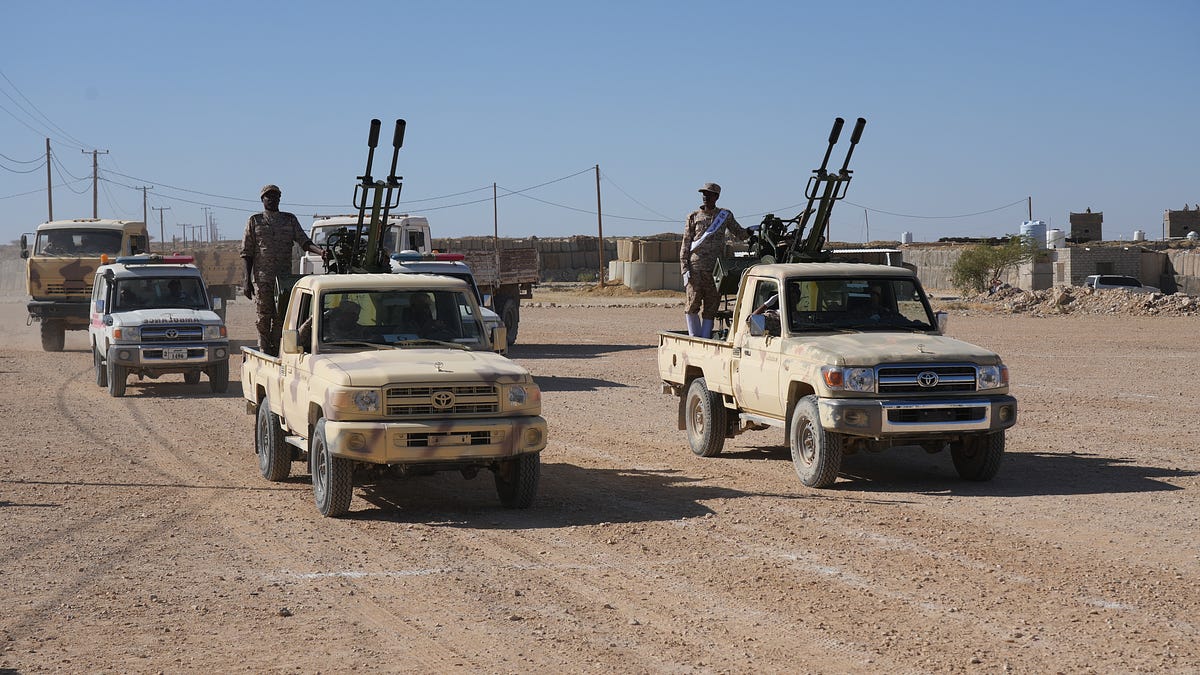
Reports describe continued Red Sea shipping disruption, including Cape of Good Hope rerouting and higher insurance costs. The main near-term change is the Saudi-led coalition's evacuation order for Hodeidah port, followed by Houthi calls for port workers and nearby residents to leave and for shipping companies to withdraw vessels. The order is dated 24 or 25 November in different reports. Yahya Saree has threatened Jeddah and other Saudi Red Sea ports if Hodeidah is attacked. A Houthi attack on a Riyadh financial-district tower on 24 November injured 11 people, according to reports citing Saudi authorities; the attack was the second incident targeting buildings in the district in less than a week. Claims that the Houthis control Bab-el-Mandeb are not independently established and conflict with accounts of force movements along Yemen's western coast.
Change from previous assessment
Since the 24 November prior brief, the main change is the Saudi-led coalition evacuation order for Hodeidah and the Houthis' call for port workers, nearby residents and shipping companies to leave. This makes the Hodeidah-Jeddah threat sequence more immediate, but the order's date is reported as either 24 or 25 November and no closure or Saudi port strike is confirmed. The prior brief already assessed the Riyadh attack and the threat to Saudi ports, so those are not new developments. I retain a roughly even chance of a damaging Saudi port strike, with low confidence. The new claim that the Houthis control Bab-el-Mandeb does not justify changing the prior assessment because it lacks direct corroboration.
Key judgments
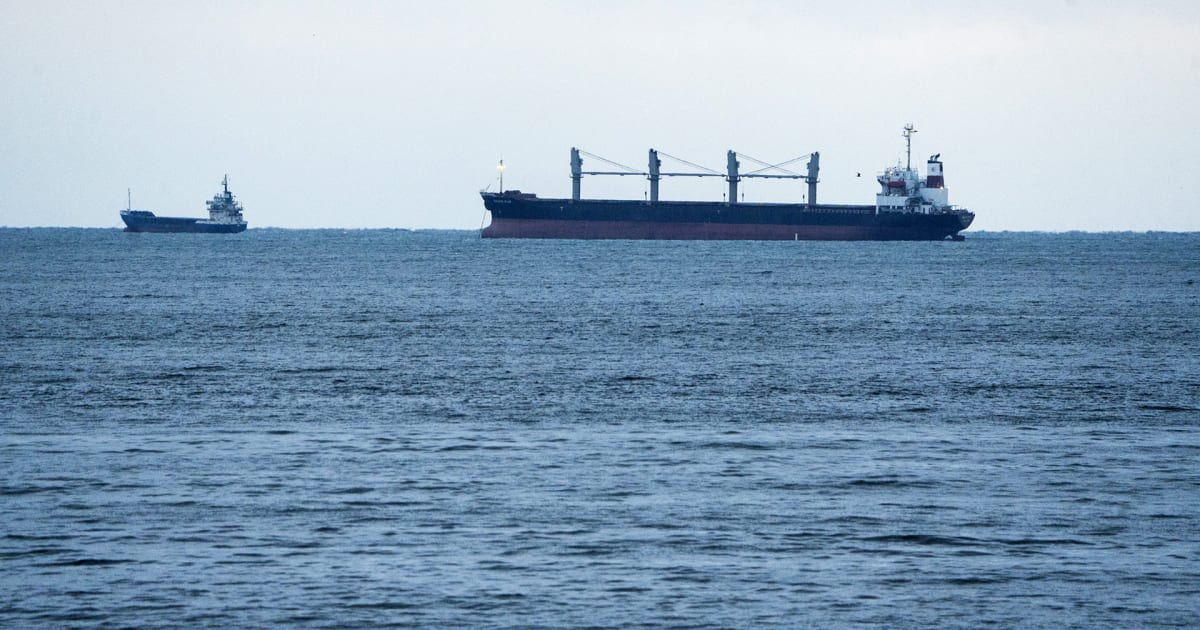
- Commercial shipping on the Red Sea route is likely to remain disrupted through 24 December, with Cape of Good Hope rerouting and higher insurance costs continuing. A think tank estimates that a Saudi oil tanker diverted around the Cape could add about one month in transit and around $2.5 million in fuel and Suez Canal fees. A social-media post claims the latest UKMTO report covered three ship attacks but provides no locations or vessel details, so it does not establish a new Red Sea attack. Confidence is medium because rerouting and cost effects are reported by more than one source type, but the available claims do not provide current Red Sea transit counts. (Confidence: medium · ASSESSED)
- I&W: Confirm if subsequent shipping assessments continue to report Cape of Good Hope rerouting or elevated Red Sea war-risk premiums. (0-14 days)
- I&W: Break if two consecutive weekly traffic assessments report Red Sea and Suez Canal transits at pre-disruption levels and shipping advisories report a return to normal premiums. (1-3 months)
- A Houthi strike that physically damages at least one Saudi Red Sea port is a roughly even chance by 24 December. Yahya Saree has threatened Jeddah and other Saudi Red Sea ports if Hodeidah is attacked, and a separate Houthi-aligned report claims Yemeni forces targeted Jizan Port after an attack on Hodeidah. The Jizan claim is not independently confirmed. The reported 24 November Houthi attack on a Riyadh tower, which injured 11 people, adds evidence of an active retaliation cycle but does not confirm a port strike. Confidence is low because the port threat and Jizan account rely on conflict-party statements, with no confirmed damage to a Saudi port in the supplied reporting. (Confidence: low · ASSESSED)
- I&W: Confirm if Saudi authorities or independently verified imagery document physical damage at Jeddah, Jizan, or another Saudi Red Sea port. (0-30 days)
- I&W: Break if the Hodeidah threat sequence de-escalates and no physical strike on a Saudi Red Sea port is reported by 24 December. (By 24 December)
- A temporary interruption to Hodeidah port operations is likely by 9 December. The Saudi-led coalition has ordered civilians to leave the port, while the Houthis have urged port workers and nearby residents to evacuate and shipping companies to withdraw their vessels. Hodeidah, Salif and Ras Isa handle food, fuel and essential imports for millions of people in northern Yemen. The supplied reporting does not establish that Hodeidah has closed or been struck under this warning. Confidence is medium because the evacuation order and Houthi response are reported, but the order's date differs between reports and no port-closure confirmation is provided. (Confidence: medium · ASSESSED)
- I&W: Confirm if a port authority or shipping operator reports suspended vessel calls, or verified imagery shows damage to Hodeidah's berths or loading equipment. (0-14 days)
- I&W: Break if the coalition lifts the evacuation order and scheduled vessel calls continue at Hodeidah without reported interruption. (0-14 days)
- It is unlikely that the Houthis have established control of the navigable Bab-el-Mandeb channel by 24 December. One NGO report says the Houthis gained control of the strait, but it does not provide direct evidence of control over channel navigation. Other reporting describes Southern Armed Forces redeployment from the Bab-el-Mandeb area and conflicting movements along the western coast, rather than verified Houthi control of the channel itself. Confidence is low because the control claim is not independently corroborated and the force-movement accounts are inconsistent. (Confidence: low · ASSESSED)
- I&W: Confirm if independently verified reporting shows Houthi forces controlling coastal positions and directing or restricting vessel passage at Bab-el-Mandeb. (0-30 days)
- I&W: Break if verified reporting shows Southern Armed Forces holding the Bab-el-Mandeb approaches while commercial vessels transit without Houthi restrictions. (0-30 days)
Outlook & scenarios
Continued disruption without a confirmed port strike (50%)
Cape rerouting and higher insurance costs persist. The coalition's Hodeidah evacuation order remains a warning rather than a confirmed port closure, and Houthi threats against Jeddah and other Saudi Red Sea ports do not result in verified physical damage.
Hodeidah strike followed by Saudi port retaliation (30%)
Coalition action at Hodeidah triggers the Houthi threat to target Jeddah or another Saudi Red Sea port. A verified strike would deepen disruption to port operations and increase the likelihood of further reciprocal action.
De-escalation around Hodeidah (15%)
The coalition lifts or does not act on the Hodeidah evacuation order, and the Houthis withdraw their call for ships to leave. Port operations continue without a confirmed attack on a Saudi Red Sea port.
Wildcard: sustained Bab-el-Mandeb access restrictions (5%)
Houthi forces establish effective control over access to the navigable channel and restrict commercial passage. The current reporting does not verify this outcome, but it would create a more severe shipping disruption than the rerouting and insurance effects reported so far.
Recommendations
- Track Hodeidah evacuation notices, coalition statements and port-call information daily for the next 14 days. Distinguish an evacuation warning from evidence that the port has stopped operating.
- Treat Houthi control of Bab-el-Mandeb and the claimed targeting of Jizan Port as unverified until independent reporting, imagery or port records corroborate them.
- Maintain a separate indicator for physical damage to Jeddah, Jizan and other Saudi Red Sea ports. Do not treat the Riyadh tower attack or Houthi threats as evidence that a port has been hit.
- Seek clarification of the Hodeidah evacuation order's date and the location and vessels associated with the reported UKMTO attacks before revising the Red Sea incident picture.
- Track Cape of Good Hope rerouting and insurance-premium reporting alongside any verified transit data, so changes in commercial behaviour are not mistaken for closure of Bab-el-Mandeb.
Confidence & uncertainty
Overall confidence is high for the core reported developments: several major-media reports cite Saudi authorities or the Saudi-led coalition on the Riyadh attack and the 11 injuries, while the Hodeidah evacuation order and Houthi port threats are reported by multiple outlets. Shipping disruption is also described by think tank and NGO reporting. Confidence in forecasts is lower because current Red Sea transit counts are absent, the Hodeidah order's date differs between reports, and claims of Houthi control of Bab-el-Mandeb and a Jizan Port strike lack independent confirmation.
Alternative analysis (red cell)
The available evidence indicates a serious escalation risk around Hodeidah and Saudi coastal ports, but it does not support assigning a roughly even chance to a damaging Saudi port strike by 24 December. The strongest evidence consists of conditional Houthi threats and an unverified Jizan report (48577372-d321-4f71-ac87-490cccdeae24; 1b061b17-0101-4da7-a0a5-17bf0a0f75e8), while the Riyadh attack evidence shows retaliation capability without establishing a port-strike pattern. A below-even probability is therefore more defensible pending independent confirmation of Jizan damage or further Saudi coastal targeting.
Intelligence gaps
- [EEI 1.1 · PARTIAL] Incidents of hostile action against commercial vessels: vessel name/IMO, position (lat/long), time/date, observable damage or casualties, and weapon type reported (missile, drone, small-arms, explosive-laden boat). Recommended collection: maritime/AIS
- [EEI 1.3 · PARTIAL] Unusual Houthi force posture indicators along Yemen’s Red Sea coast: movement or concentration of small boats, visible coastal missile/rocket emplacements, or logistics buildup at known launch sites (locations, timestamps). Recommended collection: imagery/satellite
- [EEI 1.4 · UNCOVERED] Intercepts or communications indicating orders, targeting lists, or intent to strike merchant shipping (messages referencing specific vessel classes, companies, or chokepoints). Recommended collection: signals/communications
- [EEI 2.1 · UNCOVERED] Reports or visual confirmation of floating or moored mines and debris fields in shipping lanes or approaches to Bab-el-Mandeb, with geolocation and time. Recommended collection: imagery/satellite
- [EEI 2.2 · UNCOVERED] Detection of mine-laying activity: small vessels loitering in lane approaches, unexpected AIS track patterns consistent with mine deployment, or salvage/mining vessels operating in the area. Recommended collection: maritime/AIS
- [EEI 2.3 · UNCOVERED] Hydrographic notices, naval warnings, or port authority advisories closing lanes or imposing route restrictions (text of Notice to Mariners, issuing agency, effective times/areas). Recommended collection: naval/port_authority
- [EEI 2.4 · UNCOVERED] Naval or commercial reports of mine-countermeasure operations or confirmed mine removal events (location, time, platforms involved). Recommended collection: naval/intelligence
- [EEI 3.1 · PARTIAL] Movements and presence of foreign warships and support vessels: names/classes, task group compositions, patrol areas and timelines, and whether vessels are conducting escort or interdiction operations. Recommended collection: naval/intelligence
- [EEI 3.2 · PARTIAL] Official announcements or directives from states/coalitions regarding convoys, armed escorts, protected corridor establishment, or changes to rules of engagement for merchant protection. Recommended collection: diplomatic/public_affairs
- [EEI 3.3 · UNCOVERED] Recorded interactions between naval forces and vessels in the corridor (hailings, boardings, warnings, defensive strikes), including timestamps and outcomes. Recommended collection: maritime/AIS
- [EEI 3.4 · UNCOVERED] Planned or ongoing multinational exercises, air ISR sorties, or logistics moves that increase or decrease naval capacity in the area (exercise name, participating units, dates, locations). Recommended collection: open-source/military_reporting
- [EEI 4.1 · PARTIAL] Transit volume and pattern changes: number of commercial transits per day/week through Bab-el-Mandeb and southern Red Sea compared with baseline, and instances of rerouting around Africa (position/time data). Recommended collection: maritime/AIS
- [EEI 4.2 · PARTIAL] War-risk and hull insurance coverage changes: issuance refusals, premium increases for Red Sea transits, or explicit route exclusions by underwriters (policy notices or market rate data with dates). Recommended collection: commercial/insurance_data
- [EEI 4.3 · PARTIAL] Freight and charter market signals tied to the corridor: spot rates for container, tanker, and dry bulk routes affected by Red Sea disruptions, and reported port congestion or turnaround-time increases at nearby hubs. Recommended collection: commercial/market_data
- [EEI 4.4 · PARTIAL] Incidents of cargo denial or diversion for critical goods (crude oil, refined products, LNG, high-value container cargo) including vessel IDs, cargo type, reroute/turnback actions, and economic impact estimates where available. Recommended collection: maritime/AIS
Red cell review: PARTIAL DISSENT
TLP:CLEAR