Red Sea Shipping Disruption: Houthi Ban, Bab el‑Mandeb Threats, and Hormuz Uncertainty
Time window: Last 7 days · Audience: General analyst · Type: Situation report · DTG: 2026-06-11 01:13Z · Overall confidence: MEDIUM
BLUF
The Houthis have declared a complete ban on Israeli‑linked shipping in the Red Sea and a closure of Bab el‑Mandeb to Israeli vessels, while a live small‑boat attack near the Yemen coast underscores persistent threats to transiting ships. Most major carriers are likely to keep diverting around Africa in the near term; escalation risks remain elevated as the Houthis resume missile launches at Israel and vow to match escalation with escalation, amid contested reporting on a wider closure of the Strait of Hormuz.
Executive summary
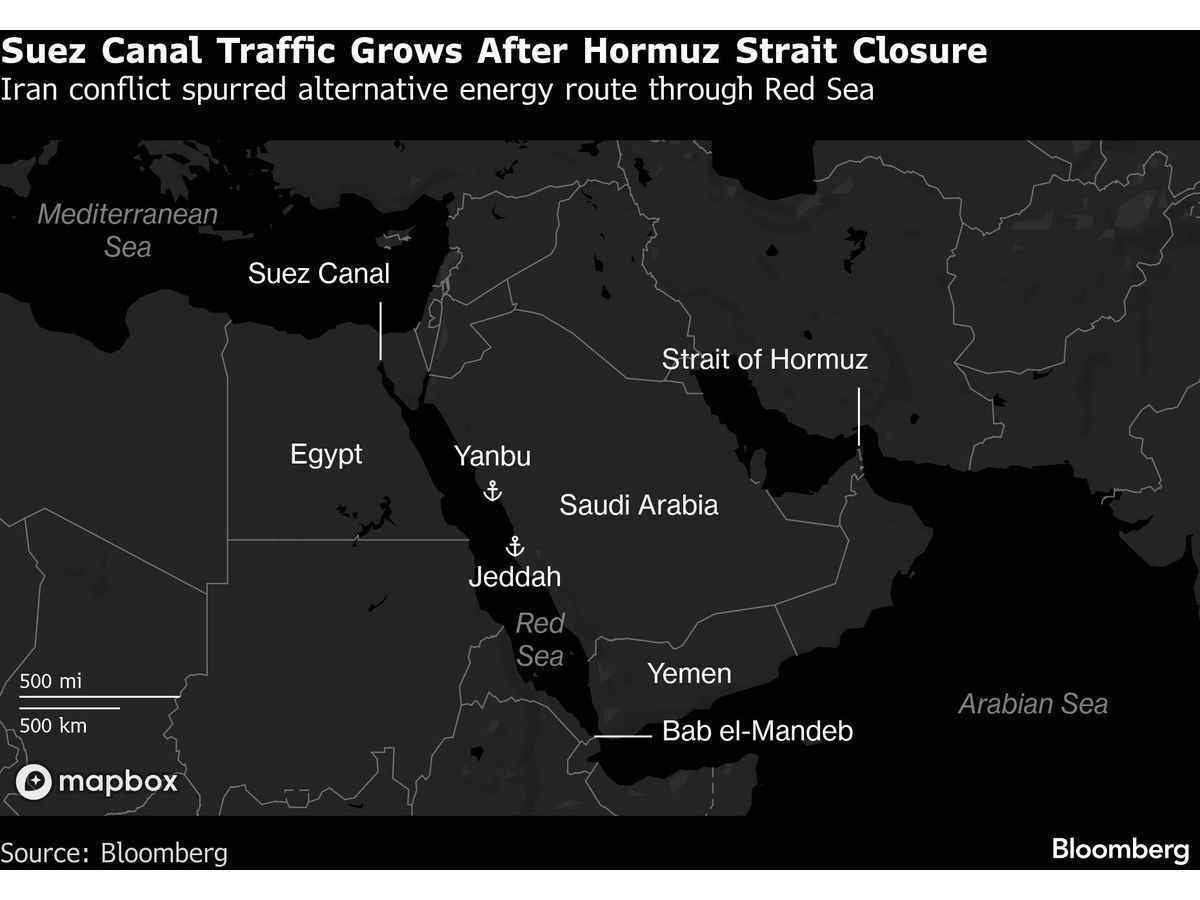
During 4-11 June 2026, the Houthi movement publicly announced a complete ban on Israeli shipping in the Red Sea and asserted closure of Bab el‑Mandeb to Israeli vessels. A cargo ship southwest of Balhaf, Yemen, reported an approach by six armed individuals in a small craft and an exchange of fire; no casualties or damage were reported. Shipping lines largely continue to avoid the southern Red Sea, and analysts highlight ongoing cost pressures; authorities estimate at least $9 billion in lost Suez Canal potential revenue tied to disruption. The Houthis launched missiles at Israel on 7-8 June and warned of further escalation, with reporting warning that renewed attacks could jeopardize exports from Saudi Arabia’s Red Sea port of Yanbu. In parallel, claims regarding a formal closure of the Strait of Hormuz are conflicting: Iran signaled targeting of transiting vessels, while U.S. Central Command reported ongoing commercial transits and denied naval escorts even as public statements touted covert assistance to hundreds of ships.
Key judgments
- The Houthis announced a “complete/total ban” on Israeli‑linked shipping in the Red Sea and said they closed the Bab el‑Mandeb to Israeli vessels. (Confidence: high · REPORTED)
- I&W: Houthi media or military channels publicly name and attempt to interdict an Israeli‑flagged or Israel‑port‑using merchant vessel transiting Bab el‑Mandeb. (0-14 days)
- I&W: An Israeli‑linked vessel publicly completes a Red Sea/Bab el‑Mandeb transit without interference and the Houthis issue a statement rescinding or softening the ban. (1-3 months)
- Most deep‑sea container lines are likely to keep avoiding the southern Red Sea in the near term; traffic through Bab el‑Mandeb has not returned to pre‑October 2023 levels after Houthi attacks that drove Maersk, Hapag‑Lloyd, and others to route around Africa. (Confidence: medium · ASSESSED)
- I&W: Maersk or Hapag‑Lloyd advisories extend Cape of Good Hope routings for Asia, Europe loops instead of reinstating Suez/Bab el‑Mandeb services. (0-14 days)
- I&W: Major carriers publish schedules reintroducing regular Bab el‑Mandeb transits and execute visible AIS‑tracked convoys. (1-3 months)
- A live small‑boat attack southwest of Balhaf underscores a persistent threat to merchant shipping near Bab el‑Mandeb; the targeted cargo ship’s security team exchanged fire with six armed assailants, and authorities reported no casualties or damage. (Confidence: high · REPORTED)
- I&W: Additional UKMTO incident reports of approaches by armed small craft within 50 nm of Bab el‑Mandeb. (0-14 days)
- I&W: A sustained absence of UKMTO/IMB incident reports in the Balhaf, Bab el‑Mandeb grid. (1-3 months)
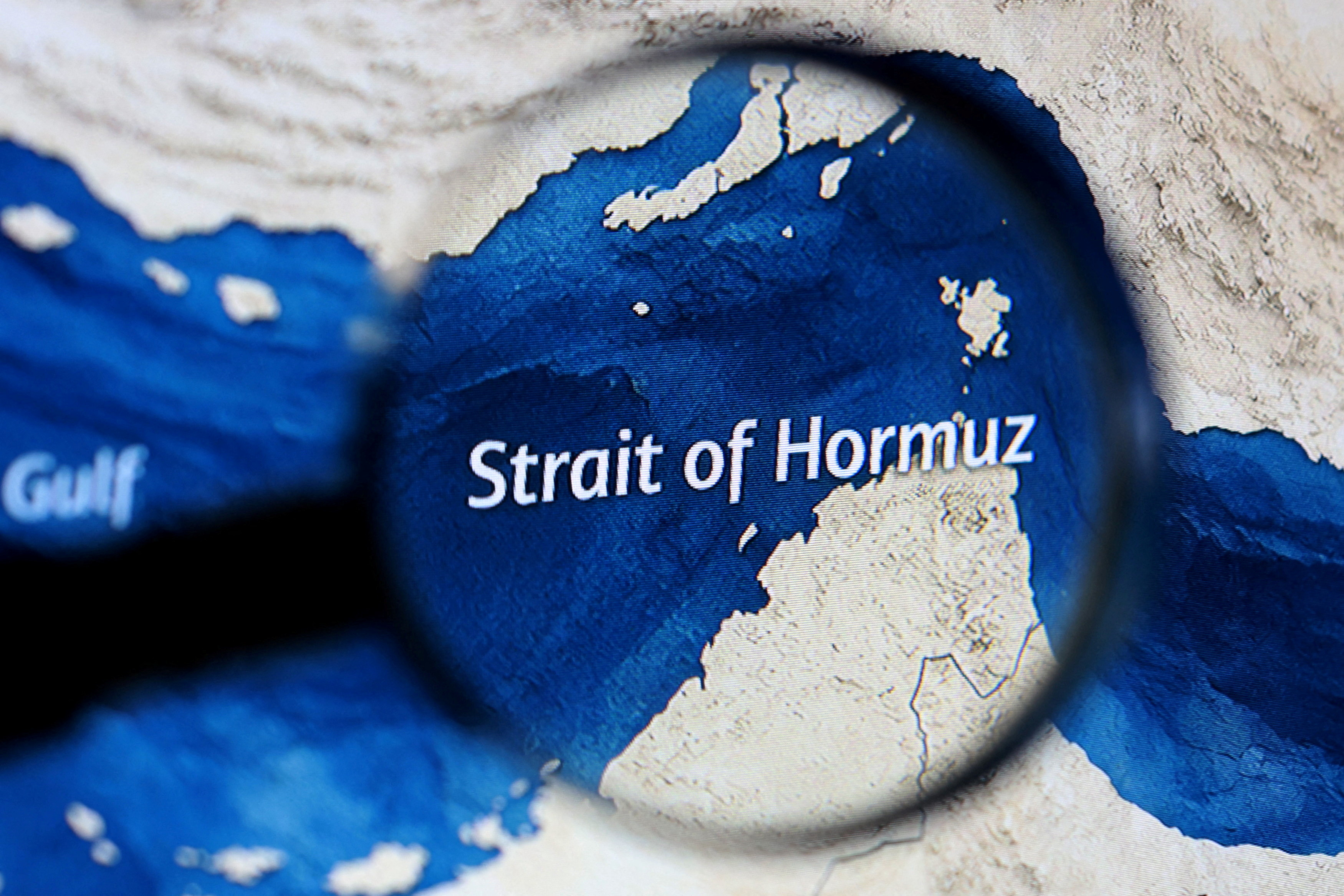
- A verified, sustained closure of the Strait of Hormuz is unlikely in the near term; reporting is contradictory, Tehran claims it will target any vessel and close the strait, while U.S. Central Command reports ongoing commercial transits, denies naval escorts, and public statements tout covert assistance to hundreds of ships. (Confidence: medium · ASSESSED)
- I&W: AIS shows broad non‑Iranian traffic halting at Hormuz traffic separation schemes alongside official closure/advisory notices. (0-14 days)
- I&W: Consistent daily commercial convoying through Hormuz reported by U.S. Central Command and maritime authorities without Iranian interference. (0-14 days)
- Escalation risk to Red Sea shipping is likely to rise if Houthi‑Israel exchanges persist; the group launched missiles at Israel on 7-8 June, vowed to respond to escalation with escalation, and renewed activity could jeopardize exports from Saudi Arabia’s Red Sea port of Yanbu. (Confidence: medium · ASSESSED)
- I&W: Additional Houthi missile/UAV launches toward Israel or IDF intercept reports attributed to launches from Yemen. (0-14 days)
- I&W: Saudi advisories or operational slowdowns at Yanbu attributed to Houthi threats or attacks. (1-3 months)
- Red Sea, adjacent disruptions are imposing measurable economic costs; authorities estimate at least $9 billion in lost Suez Canal potential revenue tied to disruption, and analysts flag pressure on transport costs, freight rates, and consumer prices. (Confidence: medium · REPORTED)
- I&W: Suez Canal Authority or Egyptian government references to cumulative revenue shortfalls tied to Red Sea insecurity. (1-3 months)
- I&W: Carrier notices of general rate increases or surcharges tied to Red Sea diversions (or, conversely, reductions if traffic normalizes). (1-3 months)
Outlook & scenarios
Baseline: Protracted selective blockade and diversions persist, 60%
The Houthi ban targeting Israeli‑linked vessels remains in effect, with intermittent harassment around Bab el‑Mandeb. Most deep‑sea container lines continue Cape of Good Hope routings and avoid the southern Red Sea, keeping traffic below pre‑October 2023 levels and sustaining elevated costs and schedules. Occasional attempted approaches by armed small craft are reported, but most non‑Israel‑linked traffic adapts with risk‑mitigation measures.
Escalatory arc: Wider targeting and risks to Yanbu, 40%
Continued Houthi missile/UAV activity toward Israel and declared intent to escalate prompts bolder interdiction attempts that expand beyond strictly Israel‑linked definitions. Threats to Saudi Arabia’s western energy/export nodes, including Yanbu, rise, prompting precautionary slowdowns and further diversions. Insurance and freight costs remain elevated and timelines lengthen.
Two‑chokepoint crunch (low probability, high impact), 20%
A verified and enforced restriction of Hormuz coincides with persistent Red Sea threats. Tanker and cargo flows are squeezed between chokepoints, driving widescale rerouting around Africa and adding strain to Suez‑adjacent revenues and global supply chains. Market and policy responses intensify to manage capacity, security escorts, and congestion.
De‑escalation and partial normalization, 25%
Public Houthi statements and activity levels recede, with a lull in missile launches and harassment around Bab el‑Mandeb. Major carriers cautiously reinstate selective Suez routings with armed guards and risk premiums. Economic pressure on freight and insurance begins to ease, though vigilance remains high.
Recommendations
- Maintain a daily integrated watch on UKMTO incident reports in the Balhaf, Bab el‑Mandeb corridor and correlate with vessel AIS tracks to detect armed small‑craft approaches and attempted boardings in near‑real time.
- Task collection to Houthi official channels (including spokesperson statements) for fresh directives about targeting criteria and escalation; flag any shifts from Israel‑linked to broader categories for immediate analytic and policy notification.
- Develop and maintain an exposure register of vessels and operators deemed “Israel‑linked” under Houthi definitions (including companies that call Israeli ports) to prioritize warning and routing advisories for affected owners and insurers.
- Establish an indicator dashboard for contested Hormuz status that blends CENTCOM statements, NOTAMs/maritime safety broadcasts, and aggregated AIS transit counts at the traffic separation schemes to adjudicate closure claims quickly.
- Coordinate with economic analysts to refresh impacts from diversions (costs, schedules, insurance) and to reconcile Suez Canal revenue trends with ongoing Red Sea avoidance, using carrier advisories and official revenue statements as inputs.
- Use NASA FIRMS thermal detections as a corroborative cue (not attribution) by geofencing Red Sea shipping lanes; triage new anomalies against contemporaneous maritime incident reports to cue imagery and HUMINT collection.
- Prioritize monitoring and contingency planning for Saudi Arabia’s Yanbu port operations and associated export flows in light of warnings that renewed attacks could jeopardize Red Sea exports.
Confidence & uncertainty
Overall confidence is medium. The Houthi ban on Israeli‑linked shipping and the Bab el‑Mandeb small‑boat incident rest on multiple, consistent reports from maritime and media sources. Economic impact reporting is supported by more than one source but uses aggregate estimates. The principal uncertainty stems from conflicting accounts regarding the status of the Strait of Hormuz, claims of closure and targeting by Iran contrast with U.S. statements of continuing commercial transits and denial of escorts, reducing confidence in the extent of knock‑on rerouting via the Red Sea.
Cited sources
[1] ynetnews.com, Houthis renew Red Sea blockade on Israel (B) [2] Financial Post, Suez Canal Gets Oil-Tanker Boost Amid Hormuz Strait Shutdown (B) [3] insurancejournal.com, Houthis to Impose 'Complete Ban' on Israeli Ships in Red Sea (B) [4] marinelink.com, Yemeni Houthis Threaten Israeli Red Sea Shipping (A) [5] NewsX World, HOUTHIS BLOCK ISRAELI SHIPPING AS IRAN-ISRAEL WAR ESCALATES | NewsX World (B) [6] News18 J&K, Houthis Announce Massive Red Sea Blockade Against Israel, Global Trade Routes Face Major Disruption (B) [7] New York Post, Iranian-backed Houthi rebels vow to block Israeli ships sailing in Red Sea (B) [8] wwd.com, New Red Sea Threats ‘Would Not Change Much for Freight’ (B) [9] Oil & Gas 360, Why are the Houthis threatening to attack Red Sea shipping and what does it mean for oil markets? - Oil & Gas 360 (B) [10] The National, Guards on cargo vessel fight off attack from small boat near Yemeni coast (A) [11] inkl.com, Middle East crisis live: US military launches second day of airstrikes at ‘multiple targets’ in Iran (B) [12] gcaptain.com, Trump Claims Covert U.S. Operation Helped 200 Ships Transit Hormuz (B) [13] Economic Times, Suez Canal sees oil tanker surge amid Strait of Hormuz disruption (A) [14] channelnewsasia.com, Commentary: Renewed hostilities in the Middle East is a question of when, not if (B) [15] Wikipedia, 2026 Houthi strikes on Israel (B) [16] cyprus-mail.com, Shipping faces new pressure as Red Sea tensions rise (B)