TLP:CLEAR, Disclosure is not limited.
Red Sea Shipping Disruption, Houthi Ban, Balhaf Skiff Incident, and Rising Suez Costs (12 Jun 2026)
Time window: Last 7 days · Audience: General analyst · Type: Situation report · DTG: 2026-06-12 01:13Z · Overall confidence: MEDIUM
BLUF
The Houthis are likely to try enforcing their 8-10 June ban on Israeli-linked shipping in the southern Red Sea/Bab-el-Mandeb, while the 10 June armed-skiff approach southwest of Balhaf was likely piracy-style, not Houthi-directed. Red Sea, Suez traffic remains elevated and delivered costs are very likely to rise into Q3 with Suez surcharges and higher fuel/freight prices.
Executive summary
Yemen’s Houthis declared a ban on Israeli maritime navigation on 8-10 June and paired this with renewed missile/rocket fire toward Israel and warnings of intensified operations. At sea, a cargo vessel 88 nm southwest of Balhaf on 10 June reported an approach by a small craft with six armed men, a brief exchange of small-arms fire, and the skiff’s rapid disengagement, a profile consistent with opportunistic piracy rather than a Houthi-directed attack. Despite the threat environment, Red Sea, Suez energy flows remain elevated amid Strait of Hormuz disruption, with 529 tankers (+28% y/y) and $419 million in Suez revenue reported for April 2026. The Suez Canal Authority will raise transit surcharges effective 15 July, and bunker and container spot rates have surged, pointing to higher delivered costs over the next 1-3 months. Official U.S. advisories continue to flag Yemen as extremely high risk for U.S. persons and commercial activity, and civil aviation restrictions remain in effect for Yemeni airspace.
Change from previous assessment
Core judgments are unchanged from the 11 June brief. Additional corroboration of the Houthi ban and warnings, detailed reporting on the 10 June Balhaf skiff encounter (supporting a piracy-style assessment), and April 2026 Suez Canal performance (529 tankers, $419 million revenue) reinforce earlier assessments of elevated Red Sea, Suez flows and rising cost pressures ahead of the 15 July surcharge increase.
Key judgments
- The Houthis are likely to attempt near-term enforcement against Israeli-linked shipping in the southern Red Sea and Bab-el-Mandeb, following their 8-10 June declarations barring Israeli maritime navigation and concurrent missile/rocket launches and warnings of escalation against Israel. (Confidence: medium · ASSESSED)
- I&W: Verified interdiction attempt or strike against a declared Israel-linked merchant vessel transiting Bab-el-Mandeb or the southern Red Sea. (0-14 days)
- I&W: Official Houthi statement suspending or narrowing the announced ban on Israeli navigation. (0-14 days)
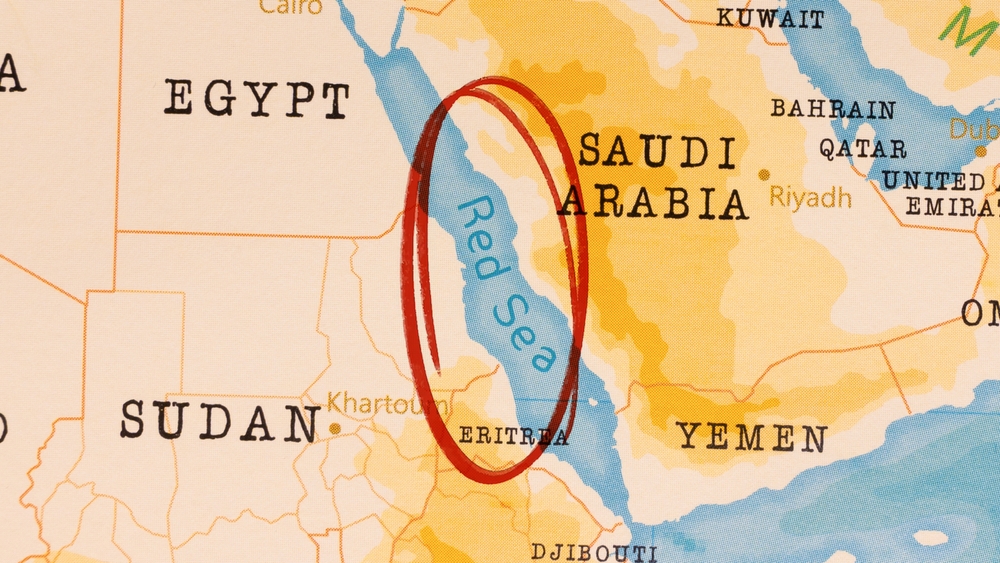
- Shipping disruption risk in the Bab-el-Mandeb, Red Sea corridor is likely to persist over the next 1-3 months under continued Houthi threat and regional escalation, with authorities continuing to advise ships to avoid the area and at least 30 vessels already reported damaged. (Confidence: medium · ASSESSED)
- I&W: Additional UKMTO/IMSC reports of vessel damage or attempted attacks in/near Bab-el-Mandeb. (0-14 days)
- I&W: A 14-30 day lull in reported attacks/incidents along the corridor. (1-3 months)
- The 10 June armed-skiff approach about 88 nm southwest of Balhaf was likely piracy-style opportunism rather than a Houthi-directed attack, given the single small craft, close-range small-arms exchange, and rapid disengagement reported by UKMTO and media. (Confidence: medium · ASSESSED)
- I&W: Regional maritime reporting classifies the incident as attempted piracy with no credible Houthi claim of responsibility. (0-30 days)
- I&W: Official Houthi claim of responsibility for the Balhaf skiff incident. (0-30 days)
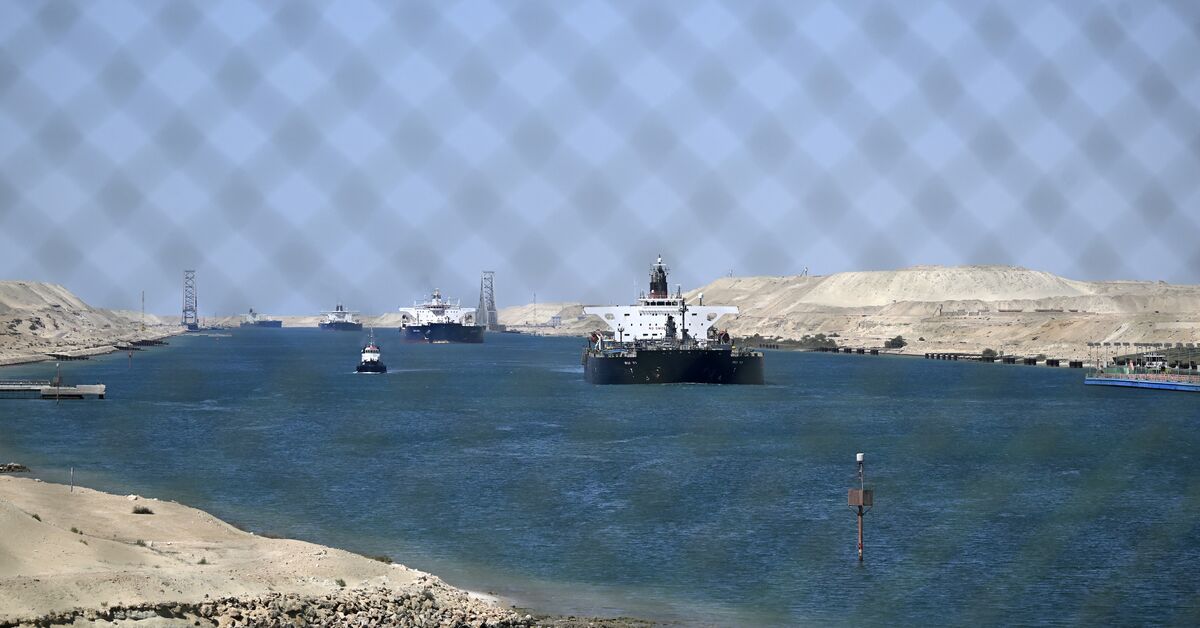
- Red Sea, Suez energy throughput has very likely risen and will remain elevated in the near term as Strait of Hormuz disruption diverts flows; Suez handled 529 tankers in April 2026 (+28% y/y) and generated $419 million in revenue (+27% y/y). (Confidence: high · ASSESSED)
- I&W: Suez Canal monthly statistics continue to show elevated tanker counts relative to prior-year baselines. (1-3 months)
- I&W: Sustained reopening of normal traffic through the Strait of Hormuz with a concurrent decline in Suez tanker traffic. (1-3 months)
- Delivered costs for vessels using the Red Sea, Suez route are very likely to rise into Q3 2026 as the Suez Canal Authority increases surcharges on 15 July and fuel and container spot rates remain elevated. (Confidence: medium · ASSESSED)
- I&W: Suez surcharge adjustment takes effect on 15 July and carriers publish higher war-risk and bunkering surcharges for Red Sea routings. (0-60 days)
- I&W: Suez Canal Authority rescinds or defers the announced surcharge increase. (0-60 days)
- The operating environment around Yemen is almost certainly high risk for U.S. persons and commercial activity, with Yemeni ports lacking effective anti-terrorism measures, widespread landmines/unexploded ordnance, the Houthis designated as an FTO, and FAA restrictions on Yemeni airspace. (Confidence: high · REPORTED)
- I&W: U.S. ‘Do Not Travel’ advisory for Yemen and FAA SFAR/NOTAM remain in force without downgrading. (1-3 months)
- I&W: Resumption of U.S. Embassy operations in Sana’a or formal downgrade of travel/aviation restrictions for Yemen. (1-6 months)
- International naval missions (U.S.-led Operation Prosperity Guardian and the EU’s Aspides) likely reduce but will not eliminate attack risks along the corridor. (Confidence: low · ASSESSED)
- I&W: Documented interceptions/disruptions of attack attempts within mission areas of operation with a decline in successful strikes month over month. (1-3 months)
- I&W: Successful large-scale strike or hijacking within mission coverage areas. (0-90 days)
Outlook & scenarios
Selective Houthi enforcement against Israel-linked vessels, 45%
Houthis focus on vessels with declared Israeli beneficial ownership or trade links, attempting interdictions or stand-off strikes in the southern Red Sea/Bab-el-Mandeb while publicizing warnings. Most third-country shipping continues with rerouting, armed guards, and naval escorts, but faces schedule and insurance pressure.
Broader blockade posture and spillover escalation, 30%
Escalation between Iran and Israel prompts the Houthis to widen target definitions beyond explicit Israel-linked ships, increasing attack frequency and geographic spread. Additional vessel damage and insurer withdrawals drive major carriers to suspend transits through Bab-el-Mandeb, amplifying global energy and trade impacts.
Short de-escalation window with elevated costs persisting, 20%
Regional back-channel pressure yields a temporary slowdown in Houthi maritime operations and fewer incidents reported to UKMTO. Nevertheless, Suez Canal surcharges and elevated bunker/spot rates keep delivered costs high, sustaining wider supply-chain delays and detours.
Recommendations
- Map and flag Israeli-linked beneficial ownership and charter-party exposures in voyage planning for Red Sea/Bab-el-Mandeb transits to assess targeting risk under the Houthi ban declarations.
- Reinforce routing and onboard security posture consistent with authorities’ guidance to steer away from high-risk areas where feasible and increase security measures; ensure embarked security teams are briefed on small-skiff encounter patterns reported off Balhaf.
- Set and monitor tripwires tied to the indicators above, including UKMTO incident logs, Houthi spokesperson statements, and any interdiction/strike against declared Israel-linked vessels transiting the southern Red Sea.
- Prepare cost models reflecting the 15 July Suez surcharge increase and elevated bunker and container spot rates; pre-brief stakeholders on likely Q3 delivered-cost impacts and potential need for schedule or routing adjustments.
- Leverage NASA FIRMS thermal anomaly monitoring as a corroborative tool for reported strikes or fires near Yemeni coastal areas and key maritime approaches to Bab-el-Mandeb.
- Maintain strict adherence to U.S. travel and aviation advisories regarding Yemen and Yemeni airspace when planning personnel and contractor movements supporting maritime operations or port calls.
Confidence & uncertainty
Overall confidence is medium. Several judgments rest on multiple, mutually reinforcing reports (official advisories, major-media reporting, and trade-press data on Suez volumes and pricing), supporting high confidence in the elevated-risk environment and cost pressures. Assessments of Houthi enforcement intent and the piracy-style characterization of the Balhaf skiff incident rely on credible but non-official reporting and behavioral inference, lowering confidence. Notable uncertainties include the precise scope and methods of Houthi ‘Israeli-linked’ targeting, potential misattribution between piracy and militant activity, and the trajectory of regional escalation affecting shipping behavior and Suez throughput. Some economic and operational figures are reported across different outlets and years; where date discrepancies exist, this brief cites the most recent figures.
Alternative analysis (red cell)
Public Houthi declarations banning Israeli-linked navigation and threats to Israeli targets indicate intent but the available reporting lacks operational linkage, tasking orders, maritime unit activity, or attributable incidents, that would support an estimate of imminent, organized enforcement against Israeli shipping. Isolated maritime approaches (92552ca2 / 25d890e7 and related reports) could represent opportunistic piracy, proxy actions, or early-stage Houthi maritime operations; current evidence does not definitively discriminate among these possibilities, so assessments should emphasize attribution gaps and prioritize targeted maritime collection before concluding a coordinated enforcement campaign is imminent.
Intelligence gaps
- [EEI 1.1 · UNCOVERED] Incidents of hostile action against commercial vessels: vessel name/IMO, position (lat/long), time/date, observable damage or casualties, and weapon type reported (missile, drone, small-arms, explosive-laden boat)., recommended collection: maritime/AIS
- [EEI 1.2 · UNCOVERED] Public Houthi claims of attacks or warnings tied to specific dates/routes, including social-media posts, official statements, and timing relative to merchant transits., recommended collection: open-source/social_media
- [EEI 1.3 · UNCOVERED] Unusual Houthi force posture indicators along Yemen’s Red Sea coast: movement or concentration of small boats, visible coastal missile/rocket emplacements, or logistics buildup at known launch sites (locations, timestamps)., recommended collection: imagery/satellite
- [EEI 1.4 · UNCOVERED] Intercepts or communications indicating orders, targeting lists, or intent to strike merchant shipping (messages referencing specific vessel classes, companies, or chokepoints)., recommended collection: signals/communications
- [EEI 2.1 · UNCOVERED] Reports or visual confirmation of floating or moored mines and debris fields in shipping lanes or approaches to Bab-el-Mandeb, with geolocation and time., recommended collection: imagery/satellite
- [EEI 2.2 · UNCOVERED] Detection of mine-laying activity: small vessels loitering in lane approaches, unexpected AIS track patterns consistent with mine deployment, or salvage/mining vessels operating in the area., recommended collection: maritime/AIS
- [EEI 2.3 · UNCOVERED] Hydrographic notices, naval warnings, or port authority advisories closing lanes or imposing route restrictions (text of Notice to Mariners, issuing agency, effective times/areas)., recommended collection: naval/port_authority
- [EEI 2.4 · UNCOVERED] Naval or commercial reports of mine-countermeasure operations or confirmed mine removal events (location, time, platforms involved)., recommended collection: naval/intelligence
- [EEI 3.1 · UNCOVERED] Movements and presence of foreign warships and support vessels: names/classes, task group compositions, patrol areas and timelines, and whether vessels are conducting escort or interdiction operations., recommended collection: naval/intelligence
- [EEI 3.2 · UNCOVERED] Official announcements or directives from states/coalitions regarding convoys, armed escorts, protected corridor establishment, or changes to rules of engagement for merchant protection., recommended collection: diplomatic/public_affairs
- [EEI 3.3 · UNCOVERED] Recorded interactions between naval forces and vessels in the corridor (hailings, boardings, warnings, defensive strikes), including timestamps and outcomes., recommended collection: maritime/AIS
- [EEI 3.4 · UNCOVERED] Planned or ongoing multinational exercises, air ISR sorties, or logistics moves that increase or decrease naval capacity in the area (exercise name, participating units, dates, locations)., recommended collection: open-source/military_reporting
- [EEI 4.1 · UNCOVERED] Transit volume and pattern changes: number of commercial transits per day/week through Bab-el-Mandeb and southern Red Sea compared with baseline, and instances of rerouting around Africa (position/time data)., recommended collection: maritime/AIS
- [EEI 4.2 · UNCOVERED] War-risk and hull insurance coverage changes: issuance refusals, premium increases for Red Sea transits, or explicit route exclusions by underwriters (policy notices or market rate data with dates)., recommended collection: commercial/insurance_data
- [EEI 4.3 · UNCOVERED] Freight and charter market signals tied to the corridor: spot rates for container, tanker, and dry bulk routes affected by Red Sea disruptions, and reported port congestion or turnaround-time increases at nearby hubs., recommended collection: commercial/market_data
- [EEI 4.4 · UNCOVERED] Incidents of cargo denial or diversion for critical goods (crude oil, refined products, LNG, high-value container cargo) including vessel IDs, cargo type, reroute/turnback actions, and economic impact estimates where available., recommended collection: maritime/AIS
Cited sources
[1] Wikipedia, 2026 Houthi strikes on Israel (B) · sha256:54e4427f70e0 [2] Jerusalem Post, Cargo vessel exchanges fire with armed craft off of Yemen, UKMTO reports (B) · sha256:1a1ed7d4b8ce [3] straitstimes.com, How Iran-linked Houthis’ Red Sea shipping threat risks bigger oil shock (B) · sha256:4c182e4249dd [4] Wikipedia, Red Sea crisis (B) · sha256:26efb177f81e [5] cyprus-mail.com, Cyprus Business Now: banks, shipping, Leptos group, CySEC, unemployment (B) · sha256:b5f3f649036a [6] maritime-executive.com, Small Boat Trades Gunfire with Cargo Ship off Yemen as Incidents Continue (B) · sha256:e0a74d192164 [7] en.radiozamaneh.com, Bab al-Mandab: How a Red Sea Chokepoint Can Shake Oil and Food Markets (B) · sha256:222efe705c9a [8] africa.businessinsider.com, Suez Canal traffic jumps nearly 30% as Strait of Hormuz disruption pushes more oil shipments through Egypt (B) · sha256:e6b22d964c62 [9] al-monitor.com, Suez Canal traffic soars as Hormuz disruptions reroute energy trade (B) · sha256:36bfcde09432 [10] marinelink.com, Shipping Costs Spike Amidst Iran War Anxiety (B) · sha256:cdf4f1261c25 [11] worldoil.com, Enverus sees Brent above $100 through 2027 after Hormuz disruption (C) · sha256:7e013772c877 [12] U.S. Department of State, Yemen Travel Advisory | Travel.State.gov (A) · sha256:d87365caec69 [13] U.S. Department of State, Oman Travel Advisory | Travel.State.gov (A) · sha256:ca9e5f8de5d8
Source content hashes were computed at collection time; the cited text is preserved unmodified for the life of this product.
Red cell review: PARTIAL DISSENT
TLP:CLEAR