Red Sea Shipping Disruption: Houthi Ban, Skiff Incident off Balhaf, and Suez Route Shifts
Time window: Last 7 days · Audience: General analyst · Type: Situation report · DTG: 2026-06-11 06:22Z · Overall confidence: MEDIUM
BLUF
The Houthis have very likely instituted a Red Sea ban on Israeli‑linked shipping and signaled intent to attack Israeli targets, while the June 10 skiff incident 88 nm southwest of Balhaf appears piracy‑style rather than Houthi-directed. Oil tanker use of the Suez route is elevated and Egypt will raise canal surcharges on July 15, increasing costs as more flows bypass Hormuz toward the Red Sea.
Executive summary
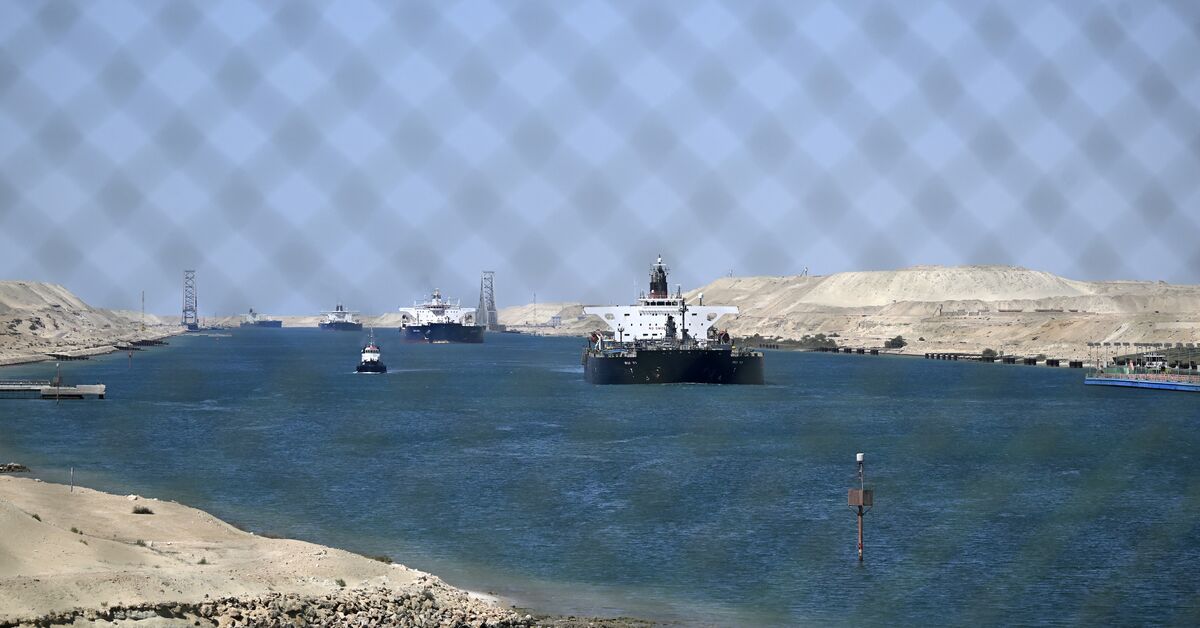
Houthi authorities announced on June 8 a complete ban on Israeli maritime navigation in the Red Sea and warned that any Israeli target would be attacked. On June 10, a cargo vessel reported an approach by a skiff carrying six armed men about 88 nm southwest of Balhaf, Yemen; the ship’s armed team exchanged fire, the skiff broke off, and the Houthis have not claimed responsibility. Suez Canal oil tanker transits reached 529 vessels in April 2026 (up 28% year-on-year), generating about $419 million in revenue, and the Suez Canal Authority will raise surcharges on crude and product tankers from 25% to 37% effective July 15. In parallel, Saudi Arabia activated a backup pipeline to route crude to Yanbu on the Red Sea. Conflicting statements persist on the status of the Strait of Hormuz, but reported flows and past transits indicate at least some traffic continues, sustaining incentives to route via the Red Sea/Suez corridor.
Change from previous assessment
New detail and corroboration since the prior brief: multiple sources now document the 8 June Houthi ‘complete ban’ and threats against Israeli targets; the June 10 Balhaf incident is further described (armed exchange, UKMTO warning, and no Houthi claim); April Suez Canal metrics (529 tankers; ~$419 million revenue) and a confirmed July 15 surcharge hike refine the cost and routing picture; and reporting indicates Saudi activation of a backup pipeline to Yanbu, reinforcing Red Sea flows. Initial assessment of broader implications for sustained rerouting remains cautious amid contradictory claims on Hormuz traffic.
Key judgments
- The Houthis very likely declared on 8 June 2026 a complete ban on Israeli maritime navigation in the Red Sea and warned that any Israel‑linked vessel would be treated as a military target. (Confidence: high · REPORTED)
- I&W: Houthi media (e.g., Al‑Masirah/official Telegram) publishes vessel lists or flag/ownership criteria for interdiction and posts enforcement footage. (0-14 days)
- I&W: An Israeli‑flagged or Israeli‑major‑beneficial‑owned vessel openly transits Bab el‑Mandeb and reports no harassment via UKMTO/AIS‑verified tracks. (0-14 days)
- It is likely the 10 June approach by a six‑man armed skiff about 88 nm southwest of Balhaf, Yemen, was a piracy‑style incident rather than a Houthi operation; the cargo ship’s armed team exchanged fire and forced the skiff to break off, and the Houthis have not claimed responsibility. (Confidence: medium · ASSESSED)
- I&W: Yemeni or regional authorities detain suspects linked to non‑Houthi criminal networks for the June 10 approach. (0-14 days)
- I&W: Houthi channels claim responsibility or release attack footage naming the targeted ship. (0-14 days)
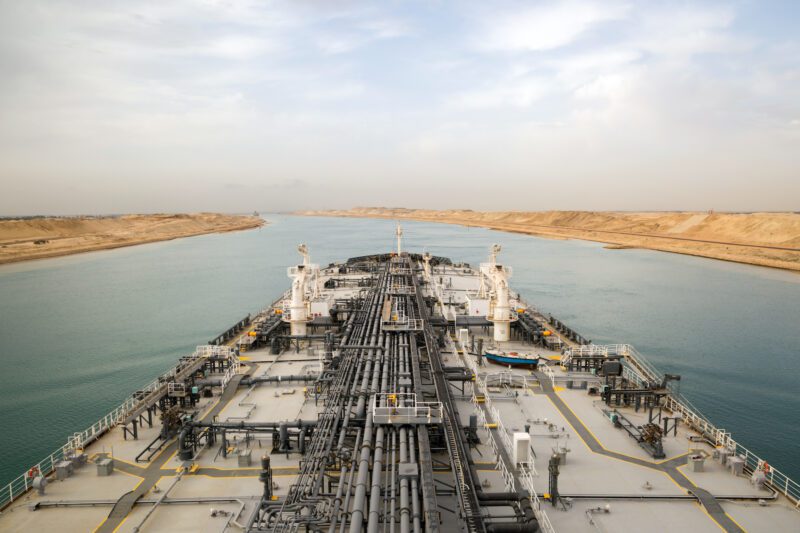
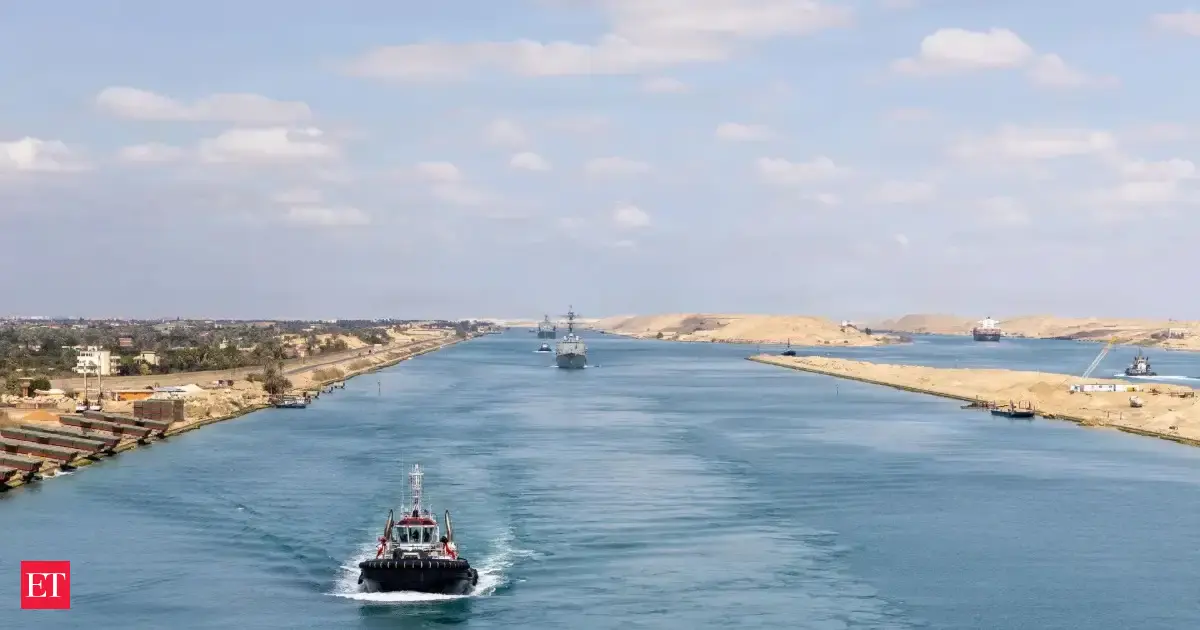
- Oil tanker use of the Suez Canal was high in April 2026-529 tanker transits (up 28% year‑over‑year) with about $419 million in revenue, and this likely reflects routing choices amid Hormuz‑related risk and uncertainty. (Confidence: medium · ASSESSED)
- I&W: SCA monthly bulletins show May/June tanker counts near or above April’s 529 level, with revenues comparable to April’s reported figure. (1-3 months)
- I&W: SCA monthly bulletins show a marked drop in tanker transits from April levels following any easing at Hormuz. (1-3 months)
- The Suez Canal Authority will very likely raise crude and product tanker surcharges from 25% to 37% effective 15 July 2026, increasing near‑term costs for Red Sea routing. (Confidence: high · REPORTED)
- I&W: Post‑15 July SCA invoices for crude/product tankers reflect a 37% surcharge. (1-3 months)
- I&W: SCA issues a follow‑up circular delaying or revising the surcharge. (0-14 days)
- Saudi Arabia likely increased Red Sea export capacity by activating a backup pipeline to Yanbu, signaling efforts to bypass Hormuz constraints. (Confidence: medium · ASSESSED)
- I&W: Higher crude loadings from Yanbu appear in public port/terminal data and AIS‑visible tanker departures. (1-3 months)
- I&W: Official Saudi statements indicate the backup pipeline has been throttled back or idled. (1-3 months)
- Escalation pressure on Red Sea shipping is likely to increase as the Houthis resume firing missiles/rockets at Israel (8-10 June) while enforcing a Red Sea ban targeting Israel‑linked traffic. (Confidence: medium · ASSESSED)
- I&W: UKMTO reports an attempted interdiction or strike on an Israel‑linked merchant vessel in the Southern Red Sea/Bab el‑Mandeb. (0-14 days)
- I&W: Fourteen consecutive days without Houthi maritime threats or UKMTO warnings for the Southern Red Sea/Bab el‑Mandeb. (0-14 days)
Outlook & scenarios
Enforcement attack on an Israel‑linked merchant ship in the Southern Red Sea, 40%
Following the June 8 Red Sea ban and renewed Houthi fires on Israel, a Houthi unit targets or boards a vessel with Israeli flag, ownership, or cargo link transiting near Bab el‑Mandeb. Outcome is limited hull damage or a failed boarding, but insurance premia and risk premiums rise along the Red Sea corridor.
Managed risk and elevated costs; no major shipping strike, 50%
Skiff harassment incidents like the June 10 Balhaf approach recur sporadically without confirmed Houthi attribution, while the Suez route remains busy and the July 15 surcharge takes effect. Saudi crude movements to Yanbu continue, supporting Red Sea flows despite unresolved Hormuz uncertainty.
De‑escalation window under coalition presence, 20%
Existing international naval posture (e.g., Operation Prosperity Guardian) and back‑channel messaging limit Houthi maritime operations. Rhetoric persists, but Red Sea attack rates drop and Suez tanker counts stabilize rather than accelerate.
Recommendations
- Prioritize continuous monitoring of Houthi official channels (e.g., Al‑Masirah, Yahya Saree statements) for enforcement cues (target lists, flag/ownership criteria) and disseminate alerts to maritime stakeholders transiting Bab el‑Mandeb.
- Task analytic watch to correlate UKMTO reports with AIS and company disclosures to rapidly attribute small‑craft approaches near Balhaf and along the Gulf of Aden, distinguishing piracy‑style activity from Houthi operations.
- Engage industry via UKMTO and regional maritime security centers to reinforce best practices: pre‑notification to UKMTO, embarked security teams where permissible, and heightened watches in the 80-100 nm arc southwest of Balhaf.
- Model Suez Canal surcharge impacts on government and commercial logistics from July 15; pre‑coordinate transit windows and budget for a crude/product surcharge increase from 25% to 37%.
- Establish a collection line on Yanbu export activity (port stats, AIS‑visible tanker departures) to track the scale and persistence of Saudi Red Sea flows as an alternative to Hormuz.
- Integrate NASA FIRMS thermal alerts into maritime incident triage to quickly flag potential shipboard fires or port‑area strikes along the Red Sea littoral and cue imagery collection.
Confidence & uncertainty
Overall confidence is medium. The Houthi Red Sea ban is well‑corroborated across multiple outlets with consistent dating and rhetoric, supporting high confidence for that judgment. The Balhaf skiff event is documented by UKMTO‑referenced reporting, but attribution beyond criminal/piracy indicators is inferential and unclaimed by the Houthis, lowering confidence to medium. Suez traffic and revenue figures are consistently reported, yet economic interpretations vary and coexist with separate estimates of prior revenue losses, keeping confidence at medium for causal assessments. Conflicting claims about the status of Hormuz and covert transits inject uncertainty into the extent and durability of rerouting pressures on the Red Sea.
Cited sources
[1] Wikipedia, 2026 Houthi strikes on Israel (B) [2] ttnews.com, Suez Canal Gets Oil Tanker Boost Amid Hormuz Strait Shutdown - TT (B) [3] easternherald.com, Gunfight at Sea Off Yemen: Who Really Attacked That Cargo Ship? (B) [4] Jerusalem Post, Cargo vessel exchanges fire with armed craft off of Yemen, UKMTO reports (A) [5] Wikipedia, Red Sea crisis (B) [6] al-monitor.com, Suez Canal traffic soars as Hormuz disruptions reroute energy trade (B) [7] gcaptain.com, Suez Canal Gets Oil-Tanker Boost Amid Hormuz Strait Shutdown (B) [8] ynetnews.com, Iran clash emboldens Houthis as Yemenis warn of dangerous return to war (B) [9] Economic Times, Suez Canal sees oil tanker surge amid Strait of Hormuz disruption (A)