Red Sea Shipping Disruption: Houthi Ban, Yemen Small‑Boat Incident, and Gulf of Oman Tanker Strike (4-11 June 2026)
Time window: Last 7 days · Audience: General analyst · Type: Situation report · DTG: 2026-06-11 03:02Z · Overall confidence: MEDIUM
BLUF
The Houthis declared a complete ban on Israeli‑linked shipping in the Red Sea as Houthi, Israel exchanges resumed, while a small‑boat attack off Yemen and a U.S. disabling strike on the tanker Settebello in the Gulf of Oman underscore elevated and diffuse maritime risks from Bab el‑Mandeb to Hormuz.
Executive summary
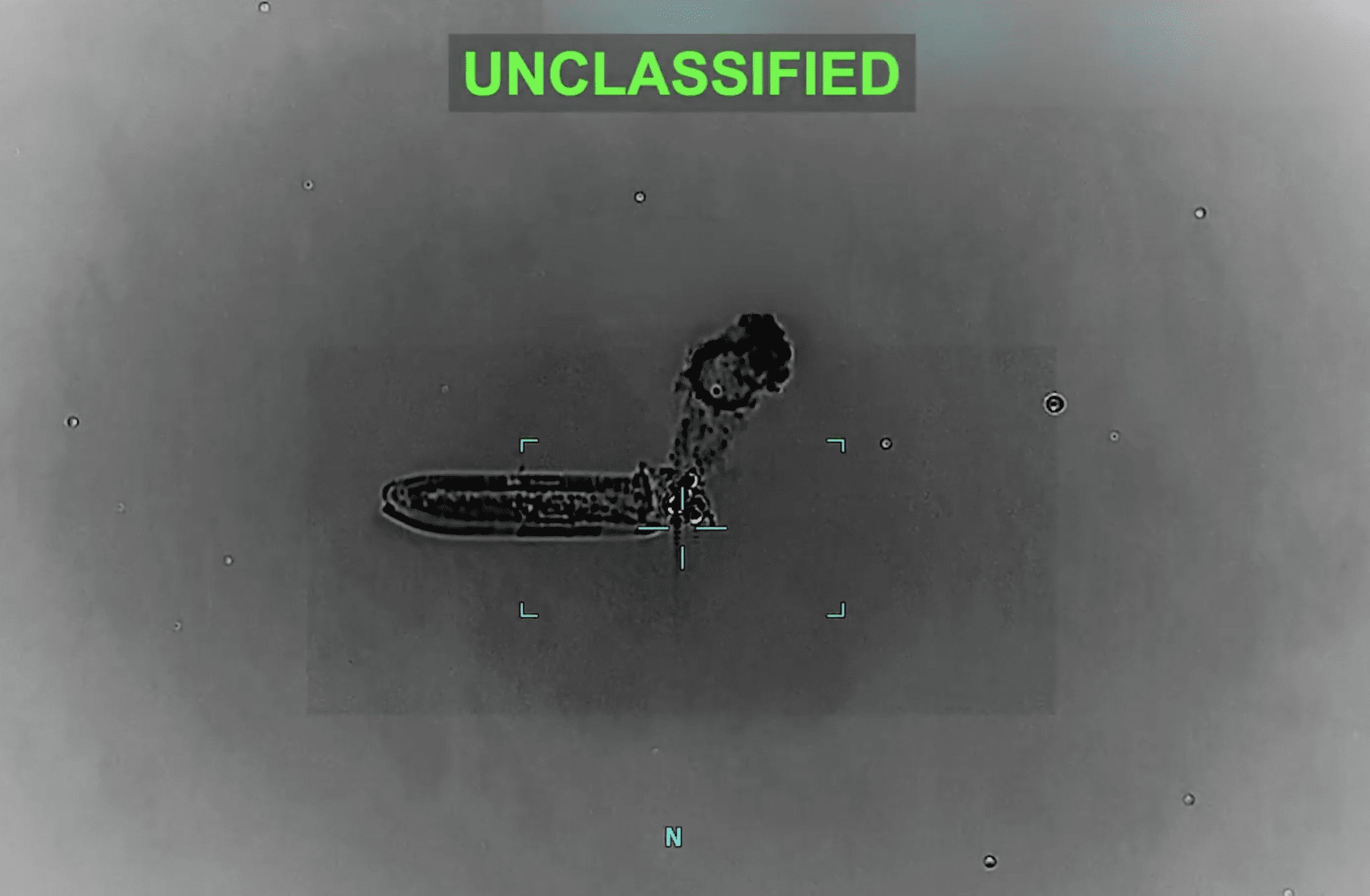
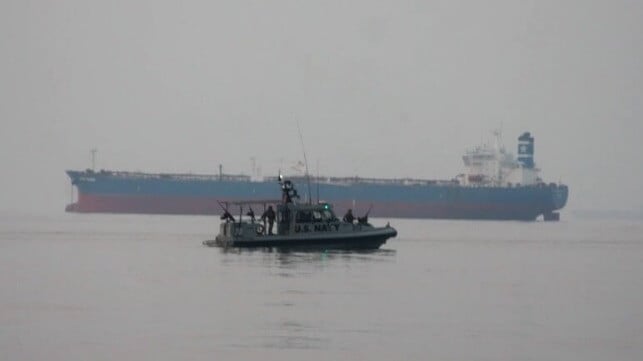
On 8-10 June, Houthi authorities publicly announced a complete ban on Israeli maritime navigation in the Red Sea and warned that Israeli‑linked vessels would be treated as military targets. On 10 June, a cargo vessel about 88 nm southwest of Balhaf, Yemen, reported an approach by a small armed craft and exchanged fire before the skiff broke off; no casualties or damage were reported, and the profile appears more consistent with piracy than with recent Houthi tactics. Separately, U.S. forces disabled the Palau‑flagged tanker M/T Settebello near Oman on 9-10 June; reporting indicates 21 Indian seafarers were rescued and two to three remain missing, prompting India to summon the U.S. deputy chief of mission. Despite claims that the Strait of Hormuz is effectively shut, multiple reports indicate constrained but ongoing oil flows and ship transits, while Suez Canal tanker traffic and revenues rose in April and carriers report higher costs and reduced Gulf services.
Change from previous assessment
New since the prior brief: (1) U.S. Central Command reporting and media coverage confirm the disabling of the Palau‑flagged Settebello near Oman, with Indian authorities reporting rescues and missing seafarers and India summoning the U.S. deputy chief of mission; casualty figures vary across reports. (2) UKMTO issued a warning after a cargo ship exchanged fire with a small craft about 88 nm southwest of Balhaf; no casualties or damage were reported, and the incident profile appears piracy‑like. (3) JMIC reporting noted no confirmed merchant‑shipping attacks in the Southern Red Sea or Bab el‑Mandeb in recent days, despite intensified Houthi rhetoric. (4) Additional economic detail indicates April Suez Canal tanker transits and revenues rose, while a major carrier quantified higher rerouting costs and reduced Gulf service. Core judgments on elevated Red Sea risk and continued rerouting persist, with added granularity on Gulf of Oman risk and diplomatic fallout.
Key judgments
- The Houthis almost certainly announced on 8-10 June a complete ban on Israeli maritime navigation in the Red Sea and warned that Israeli‑linked vessels would be treated as military targets. (Confidence: high · REPORTED)
- I&W: Houthi authorities claim and publicize an interdiction or attack on an Israeli‑linked merchant vessel in the Red Sea. (0-14 days)
- I&W: A public Houthi statement rescinds or narrows the ban’s scope (e.g., exemptions by flag, ownership, or cargo). (1-3 months)
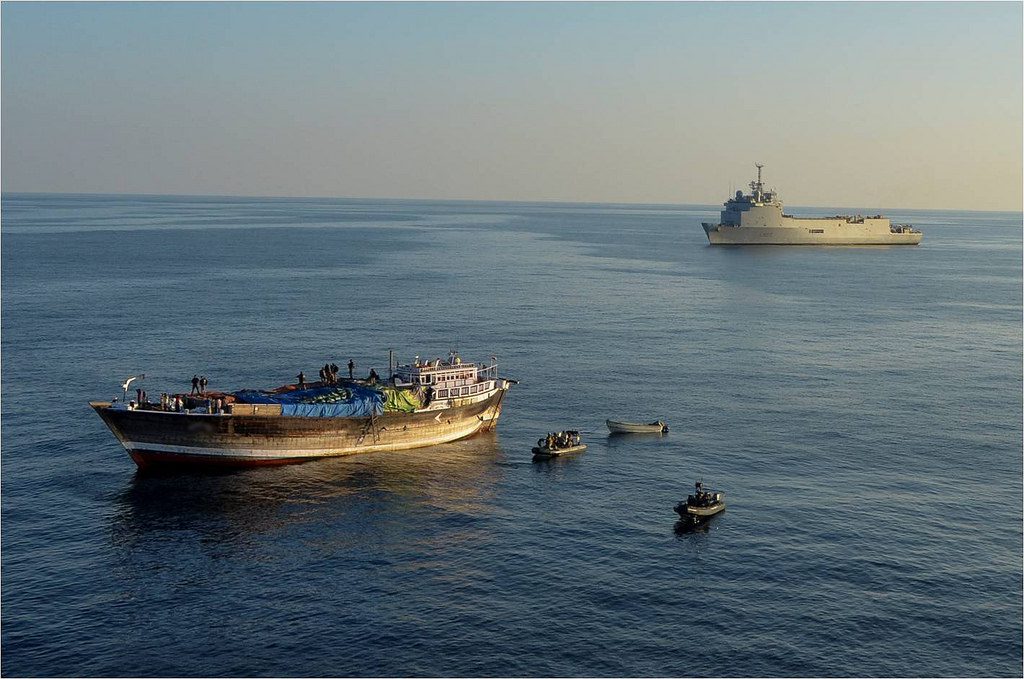
- The 10 June approach by a six‑man armed craft about 88 nm southwest of Balhaf, Yemen, was likely a piracy‑style incident rather than a Houthi operation; the cargo ship’s armed team exchanged fire and the skiff departed, with no casualties or damage reported. (Confidence: medium · ASSESSED)
- I&W: UKMTO/IMB formally classifies the case as piracy and regional forces detain suspects from a skiff in the reported area. (0-14 days)
- I&W: A Houthi claim of responsibility with typical Houthi weapon signatures (UAV/anti‑ship missile/USV) contradicts the piracy profile. (0-14 days)
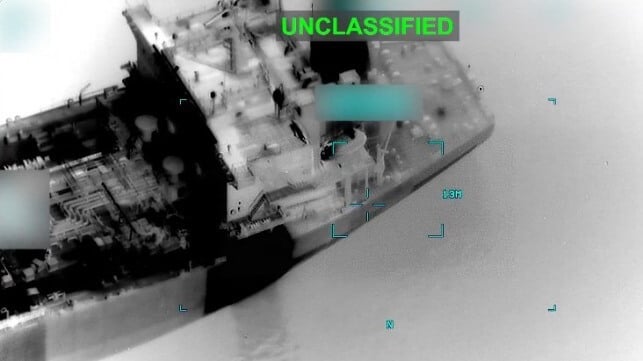
- U.S. forces very likely disabled the Palau‑flagged tanker M/T Settebello in the Gulf of Oman on 9-10 June, resulting in missing Indian seafarers and a diplomatic protest from New Delhi; casualty reporting varies between two and three missing, with 21 rescued. (Confidence: medium · REPORTED)
- I&W: Official U.S. and Indian statements converge on a final casualty count and sequence of events for Settebello. (0-14 days)
- I&W: An independent investigation attributes the incident to non‑combat causes, contradicting strike‑related damage reporting. (1-3 months)
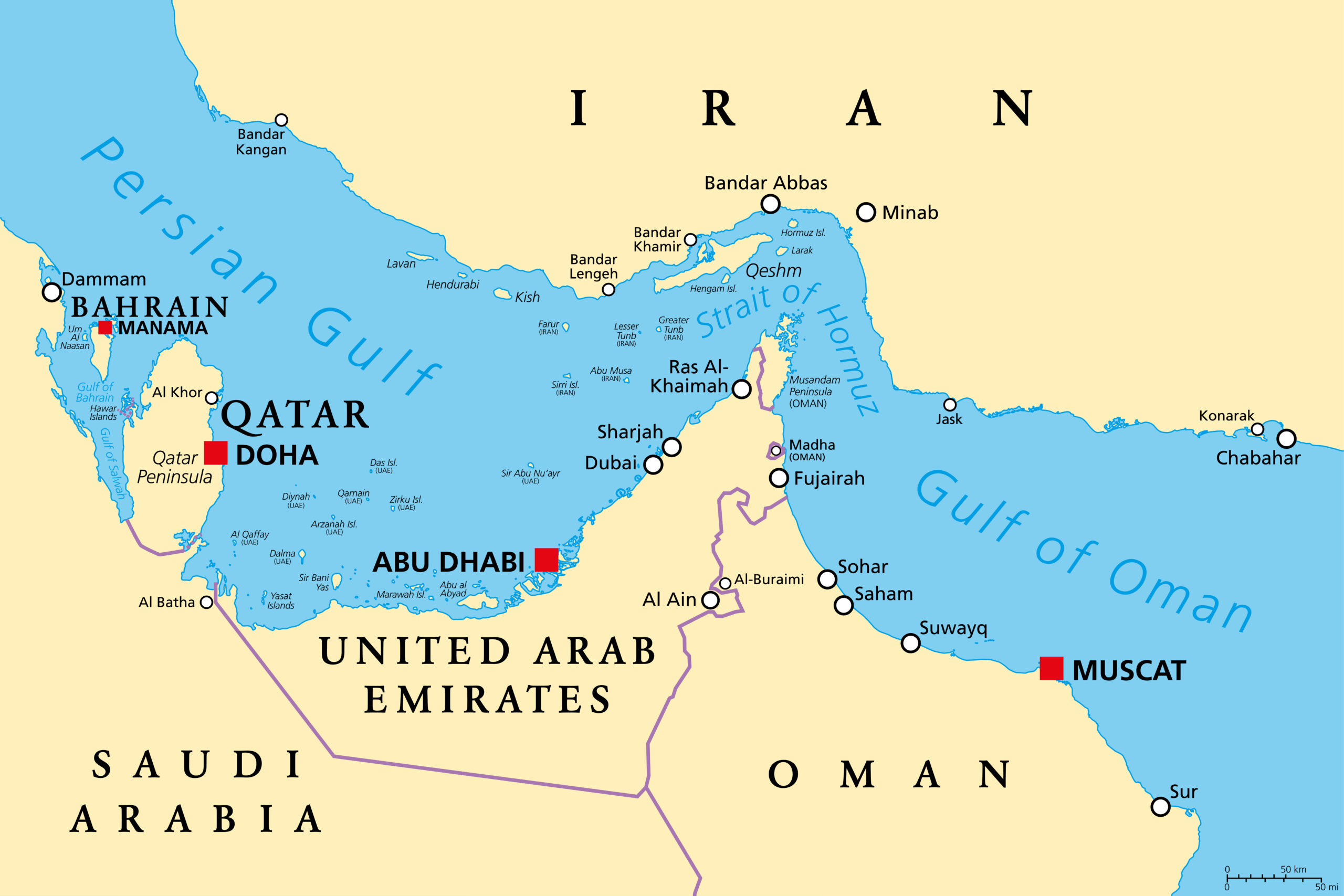
- Despite claims that the Strait of Hormuz is effectively shut, it is likely that constrained but ongoing commercial flows and ship transits continue under elevated risk, including reported oil flows of about 2 million barrels per day and more than 200 ship transits. (Confidence: medium · ASSESSED)
- I&W: Continued reporting of tanker loadings at UAE terminals and VLCC crossings of Hormuz alongside weekly/monthly flow estimates near current levels. (1-3 months)
- I&W: Two consecutive weeks without reported commercial transits and issuance of authoritative closure warnings for Hormuz. (0-14 days)
- Carriers are likely to continue redesigning networks and absorbing higher costs: oil tanker transits and revenues through the Suez Canal rose in April, while a major line reports higher rerouting costs and reduced Gulf service, and Gulf producers promote alternatives to Hormuz (e.g., sales outside the strait and routing to Yanbu). (Confidence: medium · ASSESSED)
- I&W: CAPMAS/Suez Canal data sustain elevated monthly tanker counts and revenues near recent levels; carriers maintain diversion schedules and war‑risk surcharges. (1-3 months)
- I&W: Major carriers restore pre‑conflict Gulf service volumes and lower surcharges, and Suez tanker counts revert toward 2025 baselines. (1-3 months)
- Escalation risk to Red Sea shipping is likely to increase if Houthi, Israel exchanges persist, even as there were no confirmed merchant‑shipping attacks in the Southern Red Sea or Bab el‑Mandeb in recent days. (Confidence: medium · ASSESSED)
- I&W: UKMTO/JMIC log attempted interdictions or strikes on Israeli‑linked merchant vessels near Bab el‑Mandeb or the Southern Red Sea. (0-14 days)
- I&W: A multi‑week pause in Houthi long‑range launches and explicit de‑escalatory messaging on maritime targeting. (0-1 month)
Outlook & scenarios
Protracted elevated‑risk status quo along the Red Sea corridor, 60%
Houthi authorities maintain the declared Red Sea ban and threatening rhetoric without frequent kinetic interdictions against merchant shipping in the Southern Red Sea/Bab el‑Mandeb; sporadic piracy‑style approaches persist off Yemen’s south coast; carriers keep diversions and cost surcharges in place; Suez tanker transits and revenues remain above 2025 levels.
Houthi interdiction attempt on Israeli‑linked shipping in the Red Sea, 35%
The Houthis translate the Red Sea ban and threats into a high‑visibility interdiction or strike on an Israeli‑linked vessel transiting the Red Sea, producing short‑term spikes in diversions, insurance, and naval presence near Bab el‑Mandeb, with heightened alerting from UKMTO/JMIC.
Partial normalization at Hormuz; Red Sea reroutes persist, 40%
Commercial flows through Hormuz become steadier at constrained volumes amid continued risk; more Gulf barrels move, while Red Sea diversions and Suez Canal utilization stay elevated relative to 2025 due to sustained carrier caution and alternative routing via Yanbu and non‑Hormuz sales.
Wildcard: A mass‑casualty Gulf of Oman incident triggers broad operator pullbacks, 15%
A further disabling strike or miscalculation in the Gulf of Oman results in substantial crew casualties, leading some operators to pause Hormuz‑adjacent transits and intensifying diplomatic friction similar to India’s reaction to the Settebello case.
Recommendations
- Flag and map any Israeli links (flag, ownership, charter, cargo) in voyage plans transiting the Red Sea and Bab el‑Mandeb, and consider alternate routings for those exposures in light of Houthi threats and the declared ban.
- Ensure all voyages in the Gulf of Aden and approaches to Bab el‑Mandeb are registered with UKMTO and that bridge teams are briefed on the latest advisories and warnings; disseminate UKMTO Warning 065‑26 details to relevant masters.
- Maintain enhanced watch and security postures off Yemen’s southern coast where small‑craft approaches have been reported; coordinate with company security officers on armed team rules for use of force in line with incident profiles.
- Review risk acceptance and insurance coverage for Hormuz/Gulf of Oman transits, incorporating recent disabling action against Settebello, IMO warnings on danger to commercial shipping, and reports of attacks around Hormuz.
- Prepare crew‑care and casualty response checklists (SAR contacts, medical evacuation, consular notification) for Oman‑adjacent waters given reported rescues and missing seafarers after the Settebello strike.
- Monitor Suez Canal monthly CAPMAS statistics and carrier advisories for sustained elevated tanker transits and cost guidance; update network models for continued diversions and potential use of alternatives to Hormuz, including Yanbu routings.
- Engage with major carriers regarding offered alternative routings and schedule reliability, and incorporate reported cost impacts into freight and inventory risk estimates.
Confidence & uncertainty
Overall confidence is medium. The Houthi Red Sea ban and threat language, the Balhaf small‑boat approach, and the Settebello disabling are supported by multiple independent sources, including official statements and major media. Uncertainty is higher around the exact casualty counts from the Settebello incident and the operational status of Hormuz, where credible reports of ongoing flows and transits conflict with characterizations of the strait as effectively shut. Attribution of the Balhaf encounter is assessed from incident profile and corroborating notes that no confirmed merchant‑shipping attacks occurred in the Southern Red Sea/Bab el‑Mandeb in recent days, but definitive investigation outcomes are pending.
Cited sources
[1] Wikipedia, 2026 Houthi strikes on Israel (B) [2] ttnews.com, Suez Canal Gets Oil Tanker Boost Amid Hormuz Strait Shutdown - TT (B) [3] easternherald.com, Gunfight at Sea Off Yemen: Who Really Attacked That Cargo Ship? (B) [4] Jerusalem Post, Cargo vessel exchanges fire with armed craft off of Yemen, UKMTO reports (B) [5] Foundation for Defense of Democracies, Houthis attack Israel and announce ban on Israeli vessels in the Red Sea (C) [6] gcaptain.com, Armed Security Team Repels Suspected Pirate Attack Off Yemen (B) [7] aljazeera.com, India summons US envoy over attack on ship carrying Indian sailors off Oman (A) [8] insurancejournal.com, Update: Three Indian Seafarers Missing After US Strike on Tanker off Oman (B) [9] maritime-executive.com, U.S. Confirms Attack That Left Three Missing from Product Tanker off Oman (B) [10] gcaptain.com, Trump Claims Covert U.S. Operation Helped 200 Ships Transit Hormuz (B) [11] gcaptain.com, First Seafarer Casualties Reported as U.S. Iran Blockade Takes Human Toll (A) [12] gcaptain.com, Oil Tankers Go Dark to Sneak More Gulf Barrels Through Hormuz (B) [13] maritime-executive.com, Trump Say US Conducted Mission to Brings Ships Out of Persian Gulf (B) [14] gcaptain.com, Suez Canal Gets Oil-Tanker Boost Amid Hormuz Strait Shutdown (A) [15] gcaptain.com, Suez Canal Gets Oil-Tanker Boost Amid Hormuz Strait Shutdown (B) [16] marinelink.com, CMA CGM Chief: “Unwise” to Assume Hormuz Will Return to Pre-War Situation (B) [17] ynetnews.com, Iran clash emboldens Houthis as Yemenis warn of dangerous return to war (B)