TLP:CLEAR · Disclosure is not limited.
Red Sea shipping disruption: Houthi harassment persists as Yemen approaches show boarding attempt
Time window: Last 7 days · Audience: General analyst · Type: Situation report · DTG: 2026-07-03 01:12Z · Overall confidence: MEDIUM
BLUF
Houthi threats to commercial shipping in the Red Sea remain active and targeted, with continued missile and drone activity and explicit bans on Israel-linked vessels. An attempted boarding off Yemen’s coast highlights exposure on approaches, while multinational naval operations are containing but not removing the risk.
Executive summary
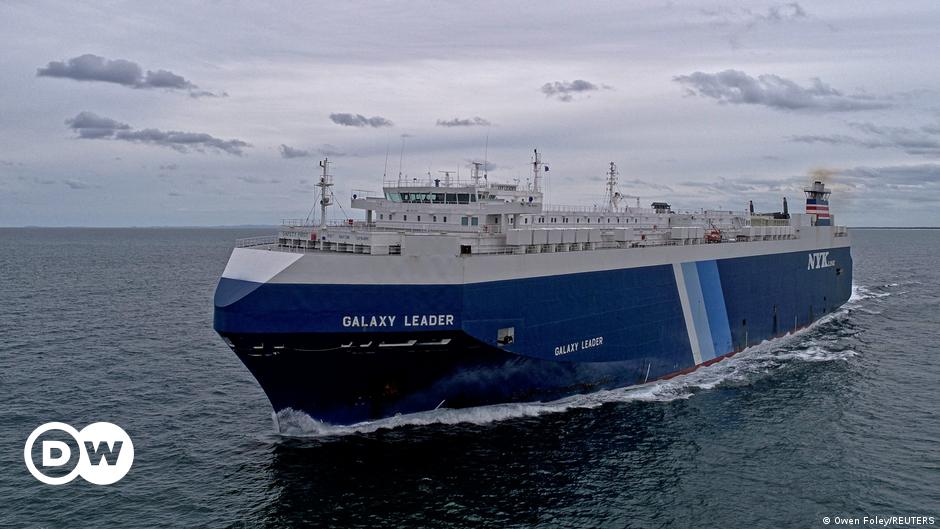
Reporting this week points to sustained Houthi pressure on Red Sea shipping through continued attacks and interceptions over the Red Sea, coupled with public declarations targeting Israel-linked vessels. An attempted boarding of a tanker off Yemen’s coast underscores vulnerability along approaches to Bab el-Mandeb. United States and European naval missions are engaged in protection and interception, but incidents continue. Satellite thermal detections have increased over the Red Sea, but those readings record heat rather than cause and require corroboration with incident reporting.
Change from previous assessment
Since the prior brief, there is additional reporting of interceptions over the Red Sea and attacks on three commercial vessels, renewed Houthi declarations targeting Israel-linked shipping, and a UKMTO-noted attempted boarding off Yemen’s coast. These developments raise the assessed persistence of threat and widen the risk picture to include approaches outside the Red Sea, while reinforcing that naval deployments mitigate but do not remove the hazard. Initial assessment of this topic for the current weekly cycle.
Key judgments
- Houthi targeting of commercial shipping in the Red Sea is likely to persist, with a particular focus on vessels they view as linked to Israel, as indicated by ongoing attacks, interceptions over the Red Sea, and explicit targeting declarations. (Confidence: medium · ASSESSED)
- I&W: Further IDF or US reporting of drone or missile interceptions over the Red Sea or confirmed strikes on merchant vessels (0-14 days)
- I&W: Houthi public communiqués naming targeted ships or renewing bans on Israel-linked vessels (0-1 month)
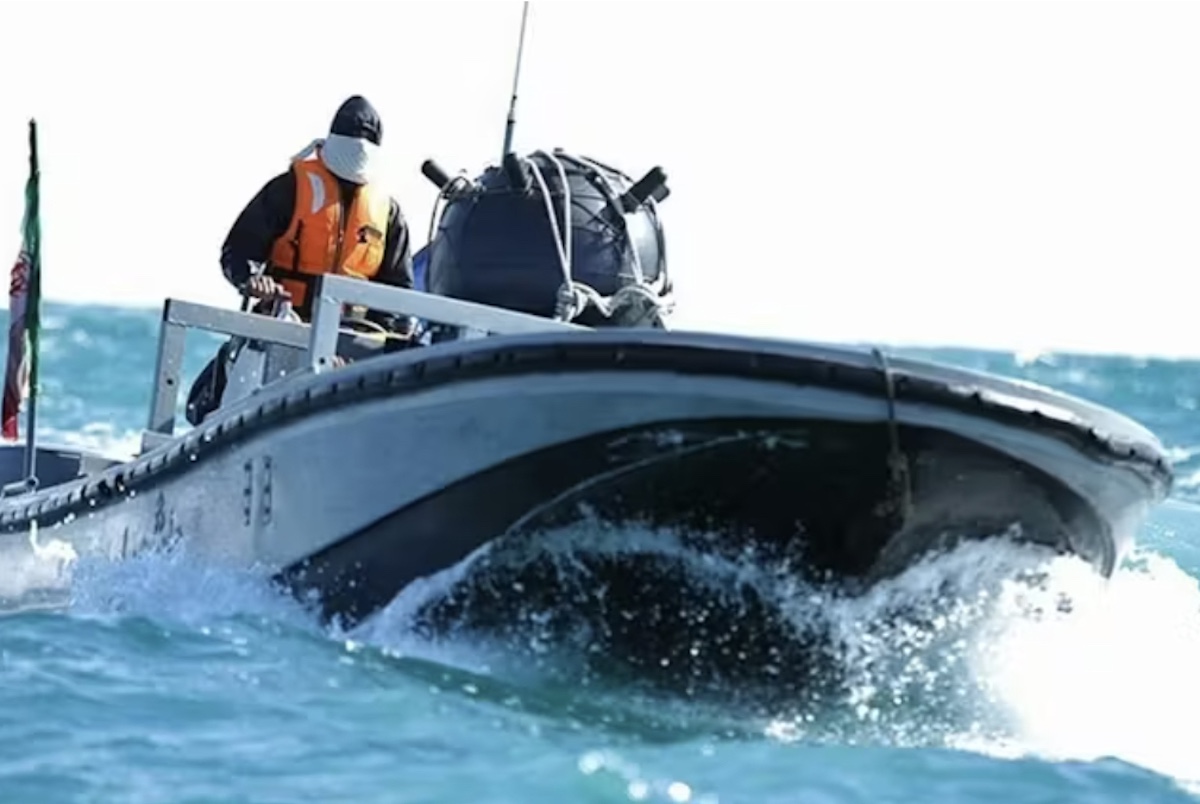
- Exposure on the maritime approaches to the Red Sea is likely to include opportunistic boarding attempts near Yemen’s coastline, elevating transit risk on routes into and out of Bab el-Mandeb. (Confidence: low · ASSESSED)
- I&W: Additional UKMTO alerts of approaches or attempted boardings within 200 nm of Yemen (0-30 days)
- I&W: Master reports of small craft with armed personnel shadowing or attempting to close on tankers or bulkers on the Yemen leg (0-30 days)
- Multinational naval operations are very likely mitigating, but not eliminating, the risk to civilian shipping in the Red Sea, as protective deployments coincide with continued attacks and interceptions. (Confidence: medium · ASSESSED)
- I&W: Sustained reporting of interceptions or attempted attacks despite active US and EU naval patrols (0-2 months)
- I&W: Noticeable decline in UKMTO incident advisories and no reported attacks for 60 consecutive days (1-3 months)
- Israeli-flagged, owned, operated, or cargo-linked vessels are very likely at the highest risk in the Red Sea corridor due to Houthi policy statements designating them as targets and announcing a ban. (Confidence: medium · ASSESSED)
- I&W: Houthi claims or visual evidence of attacks against vessels publicly tied to Israeli ownership, management, or cargo (0-30 days)
- I&W: Public Houthi rescission of the ban and targeting guidance (1-3 months)
- New NASA detections of thermal activity over the Red Sea almost certainly record heat sources and do not by themselves prove attacks or their cause without corroborating reporting. (Confidence: high · REPORTED)
- I&W: Independent incident reporting that temporally and geospatially aligns specific FIRMS detections with confirmed maritime strikes (0-2 months)
- I&W: Clear divergence between FIRMS hotspots and known incident locations, reinforcing non-attribution (0-2 months)
Outlook & scenarios
Baseline: Continued Houthi harassment contained by intercepts (60%)
Houthi forces maintain a drumbeat of harassment and attempted attacks in the southern Red Sea and near Bab el-Mandeb, with coalition assets intercepting most inbound drones and missiles. Israel-linked vessels face the greatest targeting risk and heightened boarding vigilance continues on approaches off Yemen. Disruptions remain episodic but persistent.
Escalation: Successful strike or boarding in the southern Red Sea (35%)
A salvo or complex attack sequence penetrates defences and damages a merchant vessel transiting the southern Red Sea, or a boarding attempt in waters off Yemen succeeds. Casualties or pollution elevate political pressure, trigger tighter routing and convoy discipline, and prompt additional naval deployments.
De-escalation: Operational and diplomatic pressure reduces incidents (20%)
Sustained multinational patrols, interdictions and diplomatic pressure yield a measurable decline in attempted attacks and interceptions. Houthi messaging softens from categorical bans to conditional threats, and incident reporting drops for a sustained period, allowing some operators to reassess risk tolerances.
Recommendations
- For any Red Sea or Bab el-Mandeb transit in the next 30 days, maintain direct liaison with UKMTO and follow its incident reporting protocols; ensure masters are briefed on immediate reporting and defensive manoeuvre procedures.
- Prioritise enhanced due diligence on beneficial ownership, chartering and cargo ties that could be construed as Israel-linked, and adjust routing or scheduling accordingly to reduce exposure.
- For approaches along Yemen’s coastline, increase distance off the coast where practicable, maintain higher transit speed through threat zones, and rehearse crew citadel and lockdown procedures prior to entry.
- Synchronise transits with known multinational naval presence when feasible, and monitor Notices to Mariners and coalition advisories associated with Operation Prosperity Guardian and EU patrol areas.
- Use NASA FIRMS thermal layers as a supplementary cue only and corroborate any hotspot with trusted incident reporting before altering routing decisions.
Confidence & uncertainty
Overall confidence is medium. Multiple independent and reliable reports corroborate active Houthi threats, interceptions over the Red Sea, explicit targeting guidance against Israel-linked shipping, and a recent attempted boarding off Yemen. Protective naval deployments by the United States and the European Union are well attested. However, elements rely on single incidents for the Yemen approaches, some claims are contested by earlier reports of a previous pause in attacks, and satellite heat detections require contextual corroboration. These gaps and contradictions preclude a high-confidence judgment.
Alternative analysis (red cell)
An alternative, defensible reading is that current reporting documents episodic Houthi maritime activity and rhetorical targeting of Israel-linked shipping but does not yet establish a sustained, campaign-level threat focused exclusively on Israeli-linked vessels. The available incident reports are limited in number and detail (many single events or declaratory statements), source attribution and independence are unclear (see contradiction entries involving c341b111 vs. ongoing attack claims), and there are no robust pre/post measures of multinational naval effectiveness; thus, estimates of persistence, selective targeting, and the mitigating effect of naval deployments are premature without additional trend, forensic, and intelligence correlation.
Intelligence gaps
- [EEI 1.1 · PARTIAL] Incidents of hostile action against commercial vessels: vessel name/IMO, position (lat/long), time/date, observable damage or casualties, and weapon type reported (missile, drone, small-arms, explosive-laden boat). Recommended collection: maritime/AIS
- [EEI 1.3 · UNCOVERED] Unusual Houthi force posture indicators along Yemen’s Red Sea coast: movement or concentration of small boats, visible coastal missile/rocket emplacements, or logistics buildup at known launch sites (locations, timestamps). Recommended collection: imagery/satellite
- [EEI 1.4 · UNCOVERED] Intercepts or communications indicating orders, targeting lists, or intent to strike merchant shipping (messages referencing specific vessel classes, companies, or chokepoints). Recommended collection: signals/communications
- [EEI 2.1 · UNCOVERED] Reports or visual confirmation of floating or moored mines and debris fields in shipping lanes or approaches to Bab-el-Mandeb, with geolocation and time. Recommended collection: imagery/satellite
- [EEI 2.2 · UNCOVERED] Detection of mine-laying activity: small vessels loitering in lane approaches, unexpected AIS track patterns consistent with mine deployment, or salvage/mining vessels operating in the area. Recommended collection: maritime/AIS
- [EEI 2.3 · UNCOVERED] Hydrographic notices, naval warnings, or port authority advisories closing lanes or imposing route restrictions (text of Notice to Mariners, issuing agency, effective times/areas). Recommended collection: naval/port_authority
- [EEI 2.4 · UNCOVERED] Naval or commercial reports of mine-countermeasure operations or confirmed mine removal events (location, time, platforms involved). Recommended collection: naval/intelligence
- [EEI 3.2 · PARTIAL] Official announcements or directives from states/coalitions regarding convoys, armed escorts, protected corridor establishment, or changes to rules of engagement for merchant protection. Recommended collection: diplomatic/public_affairs
- [EEI 4.1 · UNCOVERED] Transit volume and pattern changes: number of commercial transits per day/week through Bab-el-Mandeb and southern Red Sea compared with baseline, and instances of rerouting around Africa (position/time data). Recommended collection: maritime/AIS
- [EEI 4.2 · UNCOVERED] War-risk and hull insurance coverage changes: issuance refusals, premium increases for Red Sea transits, or explicit route exclusions by underwriters (policy notices or market rate data with dates). Recommended collection: commercial/insurance_data
- [EEI 4.3 · UNCOVERED] Freight and charter market signals tied to the corridor: spot rates for container, tanker, and dry bulk routes affected by Red Sea disruptions, and reported port congestion or turnaround-time increases at nearby hubs. Recommended collection: commercial/market_data
- [EEI 4.4 · UNCOVERED] Incidents of cargo denial or diversion for critical goods (crude oil, refined products, LNG, high-value container cargo) including vessel IDs, cargo type, reroute/turnback actions, and economic impact estimates where available. Recommended collection: maritime/AIS
Cited sources
[1] dw.com · Yemen: Houthis turning Red Sea into 'crucial front line' (A) · sha256:a7ef8721b52d [2] Wikipedia · Red Sea crisis (B) · sha256:c1de94bb01fd [3] Systemic Error · Global trade faces 'two-front crisis' as Trump's war sparks second strait blockade (B) · sha256:a0fd715dd51c [4] dahab.pro · Йемен Новости, обзор СМИ (D) · sha256:9833229628cb [5] Asia Times · Europe's Gulf drift has run out of road - Asia Times (B) · sha256:59d280063302 [6] NASA · NASA FIRMS thermal detections — Red Sea (2d) (A) · sha256:a3fcc8ee050d
Source content hashes were computed at collection time; the cited text is preserved unmodified for the life of this product.
Red cell review: PARTIAL DISSENT
TLP:CLEAR