TLP:CLEAR · Disclosure is not limited.
Red Sea shipping disruption: Houthi leverage rises as Saudi export routes tighten
Time window: Last 7 days · Audience: General analyst · Type: Situation report · DTG: 2026-09-15 01:06Z · Overall confidence: HIGH
BLUF
Likely, Houthi control of positions around Mocha, Dhubab and Perim will keep commercial shipping through Bab al-Mandeb constrained and favour rerouting around the Cape of Good Hope over the next 0-14 days. Full closure is not established, but Saudi-linked cargoes and Yanbu exports face the clearest immediate exposure as pipeline damage and separate Strait of Hormuz disruption raise costs.
Executive summary
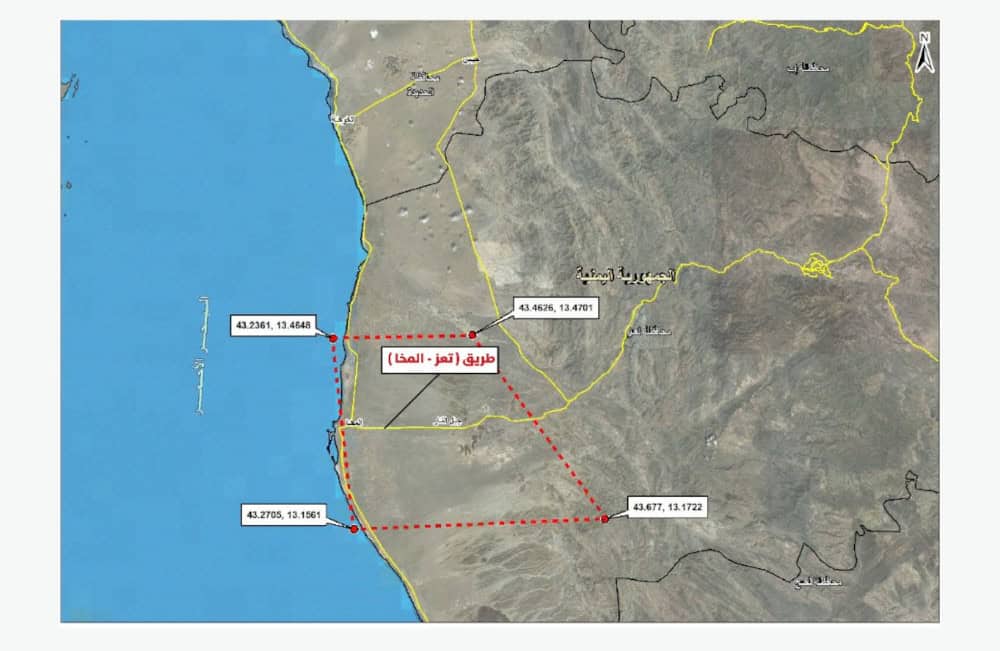
Reporting from major media, wire services, trade publications and multilateral organisations indicates that Houthi forces seized Mocha, the Hanish and Zuqar islands, Dhubab and Perim Island between 10 and 13 September, giving them substantial leverage over the southern Red Sea and Bab al-Mandeb. The Yemeni Armed Forces separately announced that government troops recovered territory near Bab al-Mandeb on 13 September, so the extent of uncontested Houthi control remains unresolved. Saudi-linked shipping is under pressure from Houthi attacks and rerouting, while the East-West pipeline outage places about 4 million barrels per day of Yanbu shipments at risk and could take 3-5 weeks to repair. The wider energy impact is difficult to attribute to the Red Sea alone because Strait of Hormuz traffic is also disrupted.
Change from previous assessment
Since the 14 September prior brief, the reported geographic scope of Houthi gains is broader, with additional reporting on the Hanish and Zuqar islands and claims of control over the full Yemeni Red Sea coast. The assessment continues to favour selective constraint rather than full Bab al-Mandeb closure, but confidence in any claim of uncontested Houthi control remains medium because the Yemeni Armed Forces reported recovering territory near the strait. The energy judgement is now more specific: Yanbu stocks are assessed at five to seven days and full pipeline-flow restoration at 3-5 weeks. The humanitarian judgement is retained but now uses a wider, explicitly separated displacement range of more than 80,000 to 125,000 people.
Key judgments
- Likely, Houthi forces have gained operational leverage over Bab al-Mandeb through reported control of Mocha, the Hanish and Zuqar islands, Dhubab and Perim Island, but uncontested control of the strait is not established. Reporting places the seizures between 10 and 13 September, while the Yemeni Armed Forces announced the recovery of some territory near Bab al-Mandeb on 13 September. The conflicting accounts indicate contested or fluctuating control rather than a verified complete closure mechanism. (Confidence: medium · ASSESSED)
- I&W: Confirm: independent imagery, maritime operator reporting or Yemeni government reporting shows Houthi forces maintaining positions on Perim, Dhubab and the approaches to Mocha for seven consecutive days. (0-14 days)
- I&W: Break: Yemeni government forces demonstrate sustained control of shipping-facing positions near Bab al-Mandeb and Houthi forces withdraw from Perim or Dhubab. (0-14 days)
- Likely, commercial shipping between the Red Sea and Bab al-Mandeb will remain constrained and rerouted over the next 0-14 days, while a complete halt is unlikely. Major shipping operators continue to favour routes around the Cape of Good Hope that add more than 20 transit days, Asian refiners have adapted to longer routes for Saudi crude, and IMF PortWatch recorded a 50-55 percent fall in Red Sea shipping volume and tonnage between 2023 and 2025. This judgement rests partly on historical and indirect indicators because the current reporting does not provide independent live transit counts for Bab al-Mandeb, and a Houthi official claims navigation remains safe. (Confidence: medium · ASSESSED)
- I&W: Confirm: independent vessel-tracking data and port calls show sustained rerouting around the Cape of Good Hope and fewer direct Red Sea transits for at least five consecutive days. (0-14 days)
- I&W: Break: major operators announce resumed direct Red Sea services and independent tracking records regular Bab al-Mandeb transits at pre-disruption levels. (0-14 days)
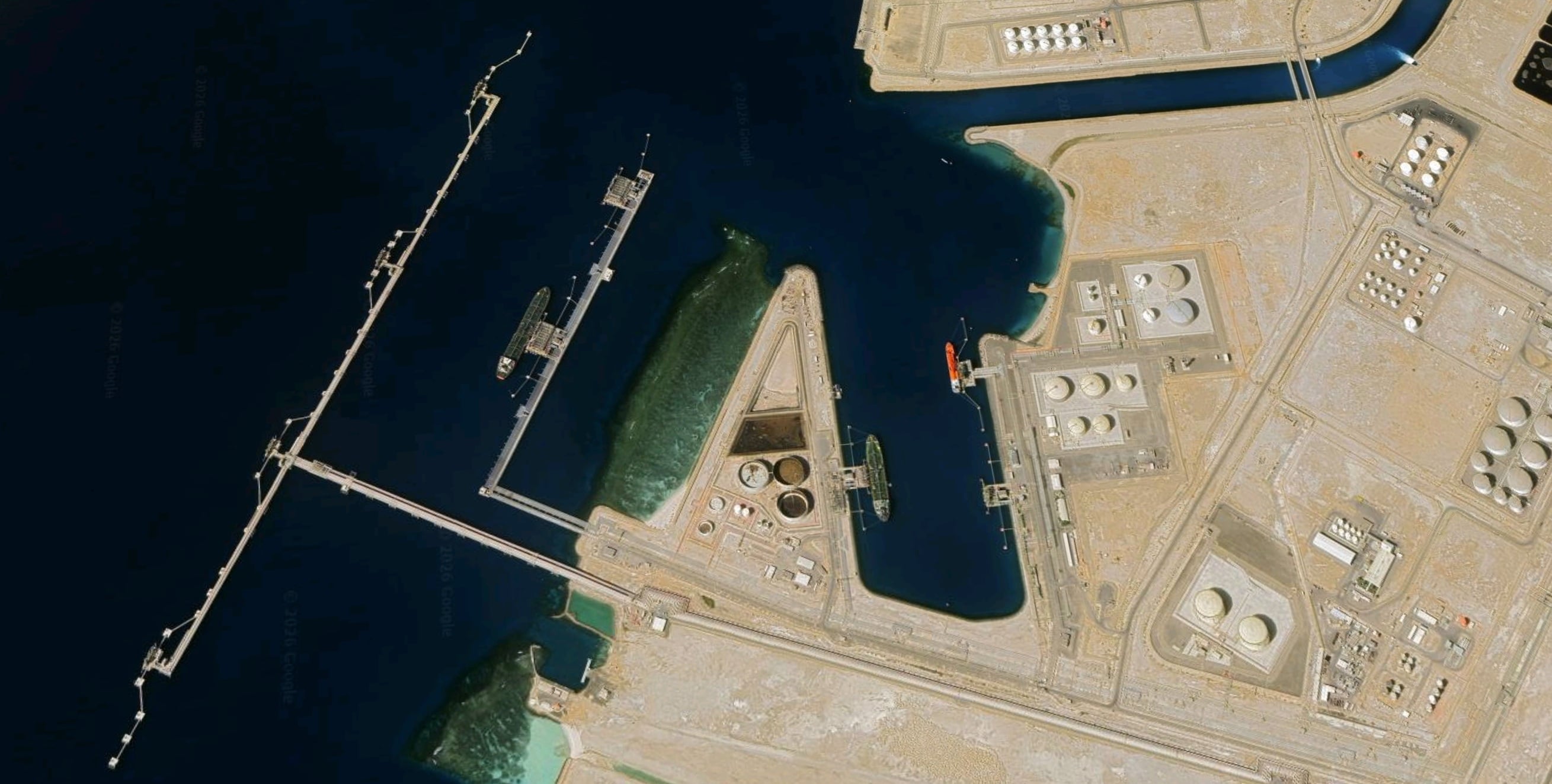
- Very likely, Saudi-linked shipping and Yanbu exports will remain the highest-exposure commercial category over the next 0-14 days. Houthi reporting and wider media accounts link the group to attacks on Saudi shipping, while Asian refiners have already adapted routes for Saudi crude. The East-West pipeline closure places about 4 million barrels per day of Yanbu shipments at risk, with reported Yanbu stocks sufficient for only five to seven days and full pipeline-flow restoration assessed at 3-5 weeks. Pipeline damage, its operational status and attribution remain contested because Saudi Arabia described the shutdown as precautionary, while other reporting describes a destroyed pumping station and blames Iran-backed fighters in Iraq. (Confidence: medium · ASSESSED)
- I&W: Confirm: Saudi Aramco reports cancelled or delayed Yanbu loadings, while repair or bypass activity does not restore pipeline flow within the reported 3-5 week window. (0-1 month)
- I&W: Break: Saudi Arabia reports normal East-West pipeline flow and Yanbu loading schedules return to normal without additional attacks on Saudi-linked vessels. (0-14 days)
- Very likely, Saudi-Houthi kinetic exchanges will continue around southern Saudi Arabia and Yemen's Red Sea coast over the next 0-14 days. Houthi attacks have been reported against Abha, Khamis Mushait, Jizan and Najran, with 73 people reportedly injured, while Houthi statements describe attacks on King Khalid Airbase and King Fahd Airbase and Saudi authorities issued emergency alerts. Mohammed bin Salman requested US military assistance on 10 September, but President Trump declined airstrikes and offered intelligence and targeting support instead. The exact targets and scale of the 14 September operation remain partly contested, but the continuation assessment is supported by multiple reports and official alerts. (Confidence: high · ASSESSED)
- I&W: Confirm: Saudi authorities issue new alerts or report impacts in Abha, Khamis Mushait, Jizan, Najran or at King Khalid and King Fahd airbases following additional Houthi missile or drone claims. (0-14 days)
- I&W: Break: Saudi Arabia and the Houthis announce a verifiable cessation of attacks, followed by 14 days without new alerts or reported strikes. (0-14 days)
- Likely, energy and freight cost pressure will remain elevated for 1-3 months, but the Red Sea contribution will remain difficult to separate from the wider Strait of Hormuz disruption. Brent was reported between a US$106 settlement and intraday levels above US$109 on 14 September, oil-tanker hire rates exceeded US$1 million per day, and US retail diesel exceeded US$6.20 per gallon. Separate reporting records reduced Hormuz transits, Iranian restrictions on shipping and conflicting claims from President Trump and Iran's Foreign Minister about reopening the strait. These indicators support continued market pressure but do not isolate the effect of Bab al-Mandeb from Hormuz. (Confidence: medium · ASSESSED)
- I&W: Confirm: Brent remains above US$100, tanker hire rates remain above US$1 million per day, and Yanbu loading disruptions persist after independent reporting separates Red Sea and Hormuz effects. (1-3 months)
- I&W: Break: East-West pipeline flow resumes, direct Red Sea shipping increases and independent tracking shows sustained recovery in Hormuz transits. (1-3 months)
- Very likely, fighting along Yemen's western coast will continue to drive displacement and constrain humanitarian access over the next 1-3 months. IOM and UNHCR reporting places recent displacement at more than 80,000 people, while OCHA and OHCHR report 125,000 displaced people and 40 verified civilian casualties since 1 September. More than 2,000 people reportedly fled to Djibouti in 24 hours, and OCHA reports critically low supplies and inadequate funding. The displacement totals use different methods and cut-off dates, so the scale is uncertain even though the direction of the humanitarian trend is strongly corroborated. (Confidence: medium · ASSESSED)
- I&W: Confirm: IOM, OCHA or UNHCR report additional displacement from Mocha, Dhubab, Taiz or the western coast, while aid supplies and funding remain below assessed needs. (0-1 month)
- I&W: Break: fighting pauses around the western coast, new displacement reports stop and OCHA records restored supply access to affected households. (1-3 months)
Outlook & scenarios
Selective Red Sea disruption persists (50%)
Houthi forces retain positions around Mocha, Dhubab and Perim, while government forces contest parts of the Bab al-Mandeb approaches. Saudi-linked vessels continue to favour routes around Africa, but general commercial traffic is not fully halted. Saudi Arabia relies on intelligence support, pipeline repair and a bypass line rather than immediate US airstrikes.
Houthi enforcement expands against Saudi-linked traffic (25%)
Houthi forces consolidate the southern Red Sea coast and translate territorial leverage into repeated attacks, boardings or interception attempts against Saudi-linked vessels. Yanbu loadings slow as the East-West pipeline remains impaired, Saudi airstrikes continue and tanker rates remain above US$1 million per day.
Contested corridor and partial restoration (15%)
Yemeni government forces retain or recover positions near Bab al-Mandeb, preventing uncontested Houthi control. Saudi Aramco completes bypass work or repairs within the reported 3-5 week period, Yanbu schedules stabilise and some operators resume direct Red Sea services. The postponed Oman meeting does not produce an immediate settlement, so local fighting continues at a lower level.
Low-probability, high-impact dual chokepoint tightening (10%)
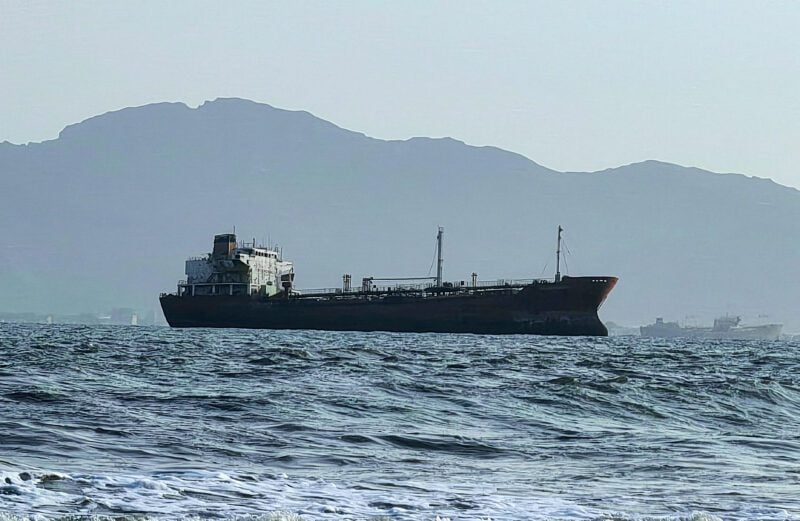
The Red Sea disruption persists while Iran maintains restrictions around the Strait of Hormuz and commercial vessels face further attacks or detention threats. Simultaneous pressure on Bab al-Mandeb and Hormuz drives a sharper fall in maritime energy flows, prolonged rerouting and sustained fuel-price pressure. The reported Houthi tanker interception at Hodeidah, currently based on low-reliability social-media reporting, becomes a confirmed enforcement pattern.
Recommendations
- Maintain separate daily watchlines for Bab al-Mandeb, the wider Red Sea and the Strait of Hormuz. Do not use Hormuz transit figures as a proxy for Bab al-Mandeb closure. Reconcile independent vessel tracking, port calls and operator routing notices.
- Prioritise collection on Houthi positions at Perim, Dhubab, Mocha, Hanish and Zuqar. Distinguish confirmed presence, claimed control and temporary territorial recovery in all updates.
- Track Yanbu loading schedules, East-West pipeline repair and bypass-line progress against the reported five-to-seven-day stock estimate and 3-5 week restoration window. Treat cancelled loadings or continued lack of flow restoration as escalation triggers.
- Separate attribution of the East-West pipeline attack from its operational effects. Report Saudi allegations concerning Iran-backed fighters in Iraq as attribution claims unless independently corroborated.
- Place Saudi-linked tankers and cargoes on the highest-priority maritime watchlist. Flag new missile or drone claims, emergency alerts in Abha, Khamis Mushait, Jizan and Najran, and any confirmed boarding or interception involving an oil tanker.
- Keep humanitarian figures agency-specific. Report IOM, UNHCR and OCHA estimates separately rather than merging the 80,000-125,000 displacement range, and monitor arrivals in Djibouti, aid stocks and access around Mocha, Dhubab and Taiz.
- Review the assessment immediately if the United States moves from intelligence support to direct airstrikes, if Saudi Arabia reports sustained control of the East-West pipeline route, or if independent tracking shows a sustained return of direct Bab al-Mandeb traffic.
Confidence & uncertainty
Overall confidence is high because the core developments are supported by multiple independent major-media, wire-service, trade-publication and multilateral sources. Reporting consistently indicates Houthi advances on Yemen's Red Sea coast, attacks affecting Saudi Arabia, rerouting pressure and substantial humanitarian displacement. The main uncertainties concern the extent of uncontested Houthi control near Bab al-Mandeb, the East-West pipeline's precise operational status and attribution, conflicting current traffic signals in the Red Sea and Strait of Hormuz, and differing displacement methodologies.
Intelligence gaps
- [EEI 1.1 · PARTIAL] Incidents of hostile action against commercial vessels: vessel name/IMO, position (lat/long), time/date, observable damage or casualties, and weapon type reported (missile, drone, small-arms, explosive-laden boat). Recommended collection: maritime/AIS
- [EEI 1.2 · PARTIAL] Public Houthi claims of attacks or warnings tied to specific dates/routes, including social-media posts, official statements, and timing relative to merchant transits. Recommended collection: open-source/social_media
- [EEI 1.3 · UNCOVERED] Unusual Houthi force posture indicators along Yemen’s Red Sea coast: movement or concentration of small boats, visible coastal missile/rocket emplacements, or logistics buildup at known launch sites (locations, timestamps). Recommended collection: imagery/satellite
- [EEI 1.4 · UNCOVERED] Intercepts or communications indicating orders, targeting lists, or intent to strike merchant shipping (messages referencing specific vessel classes, companies, or chokepoints). Recommended collection: signals/communications
- [EEI 2.1 · UNCOVERED] Reports or visual confirmation of floating or moored mines and debris fields in shipping lanes or approaches to Bab-el-Mandeb, with geolocation and time. Recommended collection: imagery/satellite
- [EEI 2.2 · UNCOVERED] Detection of mine-laying activity: small vessels loitering in lane approaches, unexpected AIS track patterns consistent with mine deployment, or salvage/mining vessels operating in the area. Recommended collection: maritime/AIS
- [EEI 2.3 · UNCOVERED] Hydrographic notices, naval warnings, or port authority advisories closing lanes or imposing route restrictions (text of Notice to Mariners, issuing agency, effective times/areas). Recommended collection: naval/port_authority
- [EEI 2.4 · UNCOVERED] Naval or commercial reports of mine-countermeasure operations or confirmed mine removal events (location, time, platforms involved). Recommended collection: naval/intelligence
- [EEI 3.1 · UNCOVERED] Movements and presence of foreign warships and support vessels: names/classes, task group compositions, patrol areas and timelines, and whether vessels are conducting escort or interdiction operations. Recommended collection: naval/intelligence
- [EEI 3.2 · UNCOVERED] Official announcements or directives from states/coalitions regarding convoys, armed escorts, protected corridor establishment, or changes to rules of engagement for merchant protection. Recommended collection: diplomatic/public_affairs
- [EEI 3.3 · PARTIAL] Recorded interactions between naval forces and vessels in the corridor (hailings, boardings, warnings, defensive strikes), including timestamps and outcomes. Recommended collection: maritime/AIS
- [EEI 3.4 · UNCOVERED] Planned or ongoing multinational exercises, air ISR sorties, or logistics moves that increase or decrease naval capacity in the area (exercise name, participating units, dates, locations). Recommended collection: open-source/military_reporting
- [EEI 4.2 · UNCOVERED] War-risk and hull insurance coverage changes: issuance refusals, premium increases for Red Sea transits, or explicit route exclusions by underwriters (policy notices or market rate data with dates). Recommended collection: commercial/insurance_data
- [EEI 4.3 · UNCOVERED] Freight and charter market signals tied to the corridor: spot rates for container, tanker, and dry bulk routes affected by Red Sea disruptions, and reported port congestion or turnaround-time increases at nearby hubs. Recommended collection: commercial/market_data
- [EEI 4.4 · PARTIAL] Incidents of cargo denial or diversion for critical goods (crude oil, refined products, LNG, high-value container cargo) including vessel IDs, cargo type, reroute/turnback actions, and economic impact estimates where available. Recommended collection: maritime/AIS
Cited sources
[1] The Long War Journal (Foundation for Defense of Democracies) · Houthis take Yemen’s Red Sea coast and key Bab al Mandeb islands (C) · Mon Sep 14 2026 14:03:56 GMT+0000 (Coordinated Universal Time) · sha256:f0ab2684a649 [2] Reuters (republished by gCaptain) · Gulf States Postpone Iran Talks as Houthis Strike Saudi Arabia (A) · Mon Sep 14 2026 16:25:34 GMT+0000 (Coordinated Universal Time) · sha256:512a0d9b66a4 [3] Al Jazeera · US says it’s clearing Hormuz traffic: Why are oil futures beyond $100? (A) · Mon Sep 14 2026 11:06:17 GMT+0000 (Coordinated Universal Time) · sha256:ac3a555c4e60 [4] Al Jazeera · Red Sea nations watch as Houthis seize Bab al-Mandeb strait (A) · Sun Sep 13 2026 15:00:47 GMT+0000 (Coordinated Universal Time) · sha256:1c781cf70bdc [5] gCaptain (republishing Bloomberg content by Alex Longley) · Oil Tanker Rates Top $1 Million a Day as Hormuz War Squeezes Fleet (C) · Mon Sep 14 2026 18:24:16 GMT+0000 (Coordinated Universal Time) · sha256:7fa98a8725a6 [6] Oilprice.com · Asian Refiners Seek Answers After Saudi Pipeline Shutdown (C) · Mon Sep 14 2026 10:30:00 GMT+0000 (Coordinated Universal Time) · sha256:6f234241f325 [7] United Nations (UN News) · Civilians bear the brunt, with deadly US strikes in Iran and thousands displaced in Yemen (A) · Mon Sep 14 2026 17:49:42 GMT+0000 (Coordinated Universal Time) · sha256:09a759600f1a [8] gCaptain (republishing Reuters) · New Attacks in Hormuz and Saudi Test Nerves as War's Spread Worsens Oil Disruption (B) · Mon Sep 14 2026 17:16:46 GMT+0000 (Coordinated Universal Time) · sha256:1221258d67d5 [9] The Maritime Executive · Key Saudi Pipeline Could Be Slowed for Weeks, Affecting Global Oil Trade (C) · sha256:37e293ec0ccd [10] Al Jazeera · Inside the Houthis’ expanding war economy in Yemen (A) · Mon Sep 14 2026 20:41:47 GMT+0000 (Coordinated Universal Time) · sha256:763aabb6806f
Source content hashes were computed at collection time; the cited text is preserved unmodified for the life of this product.
TLP:CLEAR