TLP:CLEAR · Disclosure is not limited.
Red Sea shipping disruption: Houthi pressure and Gulf of Aden piracy
Time window: Last 7 days · Audience: General analyst · Type: Situation report · DTG: 2026-09-03 01:10Z · Overall confidence: HIGH
BLUF
The Houthi threat to Saudi-linked and other commercial shipping in the Red Sea and Bab-el-Mandeb is very likely to remain elevated over the next 0-14 days. Commercial transit is likely to remain constrained rather than fully closed, while Saudi Arabia continues to reroute oil through the northern Red Sea and Egypt and Somali piracy adds a separate risk to Gulf of Aden traffic.
Executive summary
The latest reporting indicates sustained maritime pressure around Yemen. On 31 August, Ansar Allah fired three ballistic missiles towards the Khawkha area, while Yemeni government naval forces confronted four Houthi suicide boats near Hanish and Zuqar islands and destroyed an explosive-laden drone boat. Somali pirates boarded the tanker SIBU 1 about 155 miles east of Al Mukalla on 27 August and diverted it towards Somalia. Saudi shippers are using the Yanbu to Ain Sukhna route and Egypt's Sumed pipeline, although the formal status and geographic scope of the Houthi blockade remain disputed. NASA FIRMS detected five thermal anomalies in the Bab-el-Mandeb area over two days as of 2 September, but none was classified as high-confidence.
Change from previous assessment
Since the 2 September brief, the assessment of sustained Houthi pressure is unchanged, but the current reporting provides more precise detail on activity near Khawkha, Fajra, Hanish and Zuqar. Confidence in active Somali piracy is strengthened by the reported SIBU 1 hijacking and updated International Maritime Organization figures, although confidence in a continuing surge remains medium because UNODC reports that piracy is below its historical peak and the vessel counts have different scopes. A new caution has been added on the five NASA FIRMS thermal anomalies, none of which is high-confidence. The disputed Houthi-pirate relationship remains a low-confidence judgement.
Key judgments
- It is very likely that the Houthi threat to Saudi-linked and other commercial shipping in the Red Sea and Bab-el-Mandeb will remain elevated over the next 0-14 days. The Houthis declared a maritime blockade on Saudi-linked shipping on 20 July, attacked a crude tanker off Saudi Arabia, extended threats to Bab-el-Mandeb, and have used missiles, drones and suicide boats. On 31 August, Ansar Allah fired three ballistic missiles towards the Khawkha area, while Yemeni government forces confronted four Houthi suicide boats near Hanish and Zuqar islands. The geographic scope and formal status of the blockade remain contested, so confidence is medium. (Confidence: medium · ASSESSED)
- I&W: A further Houthi missile, drone-boat or suicide-boat attack on a vessel or Yemeni government forces near Bab-el-Mandeb, Hanish, Zuqar, Khawkha or the Saudi coast would confirm the judgement. (0-14 days)
- I&W: Saudi-linked vessels resume regular passage through Bab-el-Mandeb without reported Houthi interference, alongside no further Houthi maritime or missile activity in the area, would break the judgement. (0-14 days)
- Commercial shipping through Bab-el-Mandeb is likely to remain constrained rather than fully closed over the next 0-14 days. Reporting describes resumed Houthi attacks as seriously limiting transit and creating an informal blockade, while Saudi Arabia has cut back Bab-el-Mandeb oil shipments and Saudi shippers are using Yanbu, Ain Sukhna, the Sumed pipeline and Sidi Kerir. No single contemporaneous traffic count establishes the scale of disruption, and sources disagree over whether the blockade is formal and whether it targets Saudi ports or the strait itself. Confidence is medium. (Confidence: medium · ASSESSED)
- I&W: A verified halt in the Yanbu to Ain Sukhna, Sumed and Sidi Kerir oil flow, or a Houthi declaration applying to all commercial shipping through Bab-el-Mandeb, would indicate movement from constrained transit towards effective closure. (0-14 days)
- I&W: Contemporaneous reporting of regular direct commercial transits through Bab-el-Mandeb, together with a reduction in Saudi use of the northern Red Sea route, would break the judgement. (0-14 days)
- Saudi Arabia is likely to continue using northern Red Sea and Egyptian routes for oil exports over the next 1-3 months, with longer and costlier voyages. Saudi shippers are routing crude from Yanbu to Ain Sukhna and through the Sumed pipeline to Sidi Kerir. Kpler reported more than 1.9 million barrels per day through the Sumed route in August, compared with fewer than 650,000 barrels per day in June. Rerouting around southern Africa adds two to four weeks and at least 5 US dollars per barrel, while Saudi Arabia is seeking a 2 million barrel per day expansion of the East-West pipeline. Confidence is medium because the duration of the routing pattern and the pipeline expansion are not established. (Confidence: medium · ASSESSED)
- I&W: September reporting shows Sumed flows remaining near or above the August average and Saudi shippers continuing movements from Yanbu to Ain Sukhna would confirm the judgement. (1-3 months)
- I&W: Saudi-linked tankers return to regular Bab-el-Mandeb passages or Sumed flows fall towards the June level of fewer than 650,000 barrels per day would break the judgement. (1-3 months)
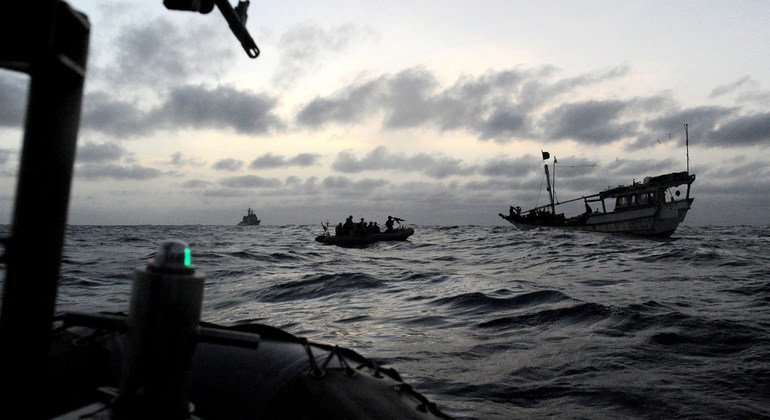
- Piracy is likely to compound Houthi-related risk for shipping in the Gulf of Aden over the next 0-14 days, despite improved regional response capacity. Six armed men boarded SIBU 1 about 155 miles east of Al Mukalla on 27 August, and two cargo vessels were seized in the Gulf of Aden within four days. Reporting puts the number of ships attacked since the start of 2026 at at least 13, while Somali pirates have captured six vessels and more than 100 crew members since April. The International Maritime Organization recorded 38 piracy and armed-robbery incidents worldwide in the first half of 2026 and attributed 94 per cent of hijackings to Somali pirates. UNODC assesses that piracy remains below its historical peak and that response capacity has improved. Confidence is medium because the vessel counts have different scopes and the trend evidence is mixed. (Confidence: medium · ASSESSED)
- I&W: Another boarding or seizure involving a named vessel in the Gulf of Aden or off Al Mukalla would confirm the judgement. (0-14 days)
- I&W: No further Gulf of Aden incidents, combined with the release of the vessels currently held near Bander Beyla, would break the judgement. (0-14 days)
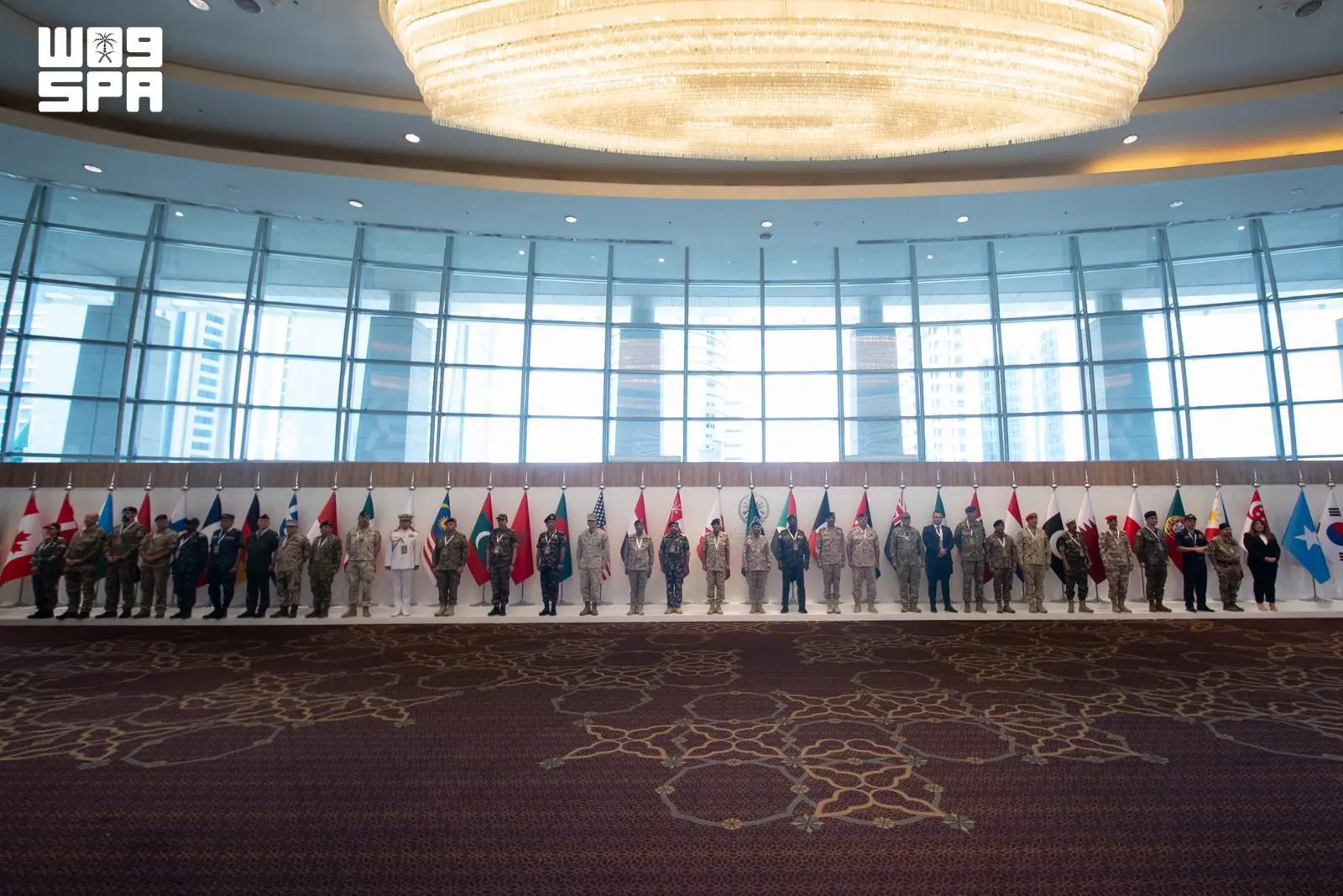
- Saudi-led maritime cooperation is likely to improve information sharing and response coordination in the Red Sea and Gulf of Aden over the next 1-3 months, but is unlikely by itself to restore normal commercial transit. Saudi Arabia established the MMDA with a declared focus on Bab-el-Mandeb, the Red Sea and the Gulf of Aden, and Riyadh is designated to host its command-and-control and maritime operations centres. UNODC, the EU, INTERPOL, IMO and IGAD supported the Nairobi Maritime Law Enforcement Dialogue involving Ethiopia, Yemen, Djibouti and Somalia. Implementation remains uncertain, and Puntland has threatened to reduce antipiracy cooperation if disputed bombardments are not clarified. Confidence is medium. (Confidence: medium · ASSESSED)
- I&W: The MMDA command-and-control or combined maritime operations centre in Riyadh becomes operational, or Ethiopia, Djibouti, Yemen and Somalia establish the proposed harmonised maritime information system, would confirm the judgement. (1-3 months)
- I&W: Puntland implements its warning to reduce antipiracy cooperation, or the Nairobi participants report no practical information-sharing measures, would break the judgement. (1-3 months)
- It is unlikely that current reporting supports a confident judgement that the Houthis are assisting Somali pirates. A Yemeni military intelligence report points to Houthi assistance, but Puntland authorities identify only an unnamed external actor. Neither account establishes operational coordination. Confidence is low because the attribution rests on thin reporting and lacks corroboration from Puntland or another independent source. (Confidence: low · ASSESSED)
- I&W: Puntland authorities name the Houthis and provide evidence of weapons, communications or operational coordination with Somali pirates would confirm the link. (1-3 months)
- I&W: Puntland identifies a different external actor, or independent reporting attributes pirate support to a non-Houthi source, would break the judgement. (1-3 months)
- The five NASA FIRMS thermal anomalies detected in the Bab-el-Mandeb area over two days as of 2 September do not by themselves establish a new attack. None of the five detections was classified as high-confidence, and the data were recorded by the VIIRS instrument. Confidence is high for the reported satellite classification, but the underlying cause of the anomalies remains unresolved. (Confidence: high · ASSESSED)
- I&W: A future NASA FIRMS detection classified as high-confidence and aligned with contemporaneous vessel or military reporting would confirm an attack-related interpretation. (0-14 days)
- I&W: Further low-confidence thermal detections without corroborating vessel, military or official reporting would break any inference that the anomalies represent attacks. (0-14 days)
Outlook & scenarios
Persistent constrained transit (65%)
This is the likely baseline over the next 1-3 months. The Houthis maintain intermittent pressure on Saudi-linked shipping and Yemeni government positions, while Saudi Arabia continues using Yanbu, Ain Sukhna and the Sumed pipeline. Somali pirates retain the capacity to seize vessels in the Gulf of Aden, adding insurance and routing pressure without closing the corridor completely.
Wider Houthi maritime escalation (25%)
The Houthis expand attacks from Saudi-linked shipping to a broader set of commercial vessels or sustain attacks near Bab-el-Mandeb, producing an effective closure for some traffic. Saudi oil exports rely more heavily on northern Red Sea and Egyptian routes, and voyage times and freight costs rise further.
Partial containment through regional coordination (30%)
The MMDA develops practical command arrangements in Riyadh, while the Nairobi participants improve information sharing among Ethiopia, Yemen, Djibouti and Somalia. Yemeni government forces continue intercepting Houthi boats, and the frequency of attacks falls enough for some commercial operators to resume Bab-el-Mandeb transits. Piracy remains a separate risk.
Wildcard: linked Houthi and Somali pirate operations (10%)
A low-probability, high-impact outcome is that independent evidence substantiates Houthi assistance to Somali pirates. Coordinated pressure on shipping in Bab-el-Mandeb and the Gulf of Aden would then compound missile, drone and hijacking risks and strain Puntland cooperation with international maritime forces.
Recommendations
- Keep Houthi maritime attacks, Somali piracy and the wider Iran-related disruption as separate reporting lines. Do not describe Bab-el-Mandeb as formally closed unless the blockade scope and policy status are verified.
- Prioritise collection on contemporaneous commercial traffic through Bab-el-Mandeb and on the status of Saudi movements from Yanbu to Ain Sukhna, through Sumed and onward from Sidi Kerir.
- Track the specific vessels and incidents named in current reporting, especially SIBU 1, MV Lutuf and the cargo vessels held near Bander Beyla. Reconcile the conflicting dates for the MV Lutuf hijacking before using it in trend analysis.
- Monitor whether the MMDA command-and-control and combined maritime operations centres in Riyadh become operational. Assess whether the Nairobi dialogue produces a working information-sharing mechanism among Ethiopia, Yemen, Djibouti and Somalia.
- Treat the alleged Houthi link to Somali piracy and the attribution of Puntland drone strikes to Türkiye as unresolved. Require independent corroboration before incorporating either claim into an operational assessment.
- Use NASA FIRMS thermal anomalies as collection cues rather than attack confirmation. Seek corroboration from vessel reporting, Yemeni government statements and other reliable operational reporting before revising the maritime threat assessment.
Confidence & uncertainty
Overall confidence is high because the principal developments are supported by multiple reliable sources, including UN News and UNODC reporting, major-media accounts of recent hijackings, Al Jazeera reporting on Houthi and Yemeni government activity, and official NASA FIRMS data. Confidence is lower for the formal status and geographic scope of the Houthi blockade, the exact totals and dates associated with Somali piracy, the attribution of strikes in Puntland, and any Houthi relationship with Somali pirates.
Intelligence gaps
- [EEI 1.1 · PARTIAL] Incidents of hostile action against commercial vessels: vessel name/IMO, position (lat/long), time/date, observable damage or casualties, and weapon type reported (missile, drone, small-arms, explosive-laden boat). Recommended collection: maritime/AIS
- [EEI 1.2 · PARTIAL] Public Houthi claims of attacks or warnings tied to specific dates/routes, including social-media posts, official statements, and timing relative to merchant transits. Recommended collection: open-source/social_media
- [EEI 1.4 · PARTIAL] Intercepts or communications indicating orders, targeting lists, or intent to strike merchant shipping (messages referencing specific vessel classes, companies, or chokepoints). Recommended collection: signals/communications
- [EEI 2.1 · UNCOVERED] Reports or visual confirmation of floating or moored mines and debris fields in shipping lanes or approaches to Bab-el-Mandeb, with geolocation and time. Recommended collection: imagery/satellite
- [EEI 2.2 · UNCOVERED] Detection of mine-laying activity: small vessels loitering in lane approaches, unexpected AIS track patterns consistent with mine deployment, or salvage/mining vessels operating in the area. Recommended collection: maritime/AIS
- [EEI 2.3 · UNCOVERED] Hydrographic notices, naval warnings, or port authority advisories closing lanes or imposing route restrictions (text of Notice to Mariners, issuing agency, effective times/areas). Recommended collection: naval/port_authority
- [EEI 2.4 · UNCOVERED] Naval or commercial reports of mine-countermeasure operations or confirmed mine removal events (location, time, platforms involved). Recommended collection: naval/intelligence
- [EEI 3.1 · UNCOVERED] Movements and presence of foreign warships and support vessels: names/classes, task group compositions, patrol areas and timelines, and whether vessels are conducting escort or interdiction operations. Recommended collection: naval/intelligence
- [EEI 3.2 · PARTIAL] Official announcements or directives from states/coalitions regarding convoys, armed escorts, protected corridor establishment, or changes to rules of engagement for merchant protection. Recommended collection: diplomatic/public_affairs
- [EEI 3.3 · PARTIAL] Recorded interactions between naval forces and vessels in the corridor (hailings, boardings, warnings, defensive strikes), including timestamps and outcomes. Recommended collection: maritime/AIS
- [EEI 3.4 · UNCOVERED] Planned or ongoing multinational exercises, air ISR sorties, or logistics moves that increase or decrease naval capacity in the area (exercise name, participating units, dates, locations). Recommended collection: open-source/military_reporting
- [EEI 4.1 · PARTIAL] Transit volume and pattern changes: number of commercial transits per day/week through Bab-el-Mandeb and southern Red Sea compared with baseline, and instances of rerouting around Africa (position/time data). Recommended collection: maritime/AIS
- [EEI 4.2 · PARTIAL] War-risk and hull insurance coverage changes: issuance refusals, premium increases for Red Sea transits, or explicit route exclusions by underwriters (policy notices or market rate data with dates). Recommended collection: commercial/insurance_data
- [EEI 4.3 · PARTIAL] Freight and charter market signals tied to the corridor: spot rates for container, tanker, and dry bulk routes affected by Red Sea disruptions, and reported port congestion or turnaround-time increases at nearby hubs. Recommended collection: commercial/market_data
- [EEI 4.4 · PARTIAL] Incidents of cargo denial or diversion for critical goods (crude oil, refined products, LNG, high-value container cargo) including vessel IDs, cargo type, reroute/turnback actions, and economic impact estimates where available. Recommended collection: maritime/AIS
TLP:CLEAR