TLP:CLEAR · Disclosure is not limited.
Red Sea shipping disruption: Houthi threat persists, Israel‑linked vessels at highest risk, as regional maritime risk widens
Time window: Last 7 days · Audience: General analyst · Type: Situation report · DTG: 2026-06-30 01:14Z · Overall confidence: MEDIUM
BLUF
Houthi intent and capability to threaten merchant traffic in the Red Sea remain active. Israel‑linked vessels are very likely at greatest risk, carriers are keeping contingency measures in place, and the 27 June attack on tanker Kiku at the Strait of Hormuz highlights a wider regional maritime risk premium.
Executive summary
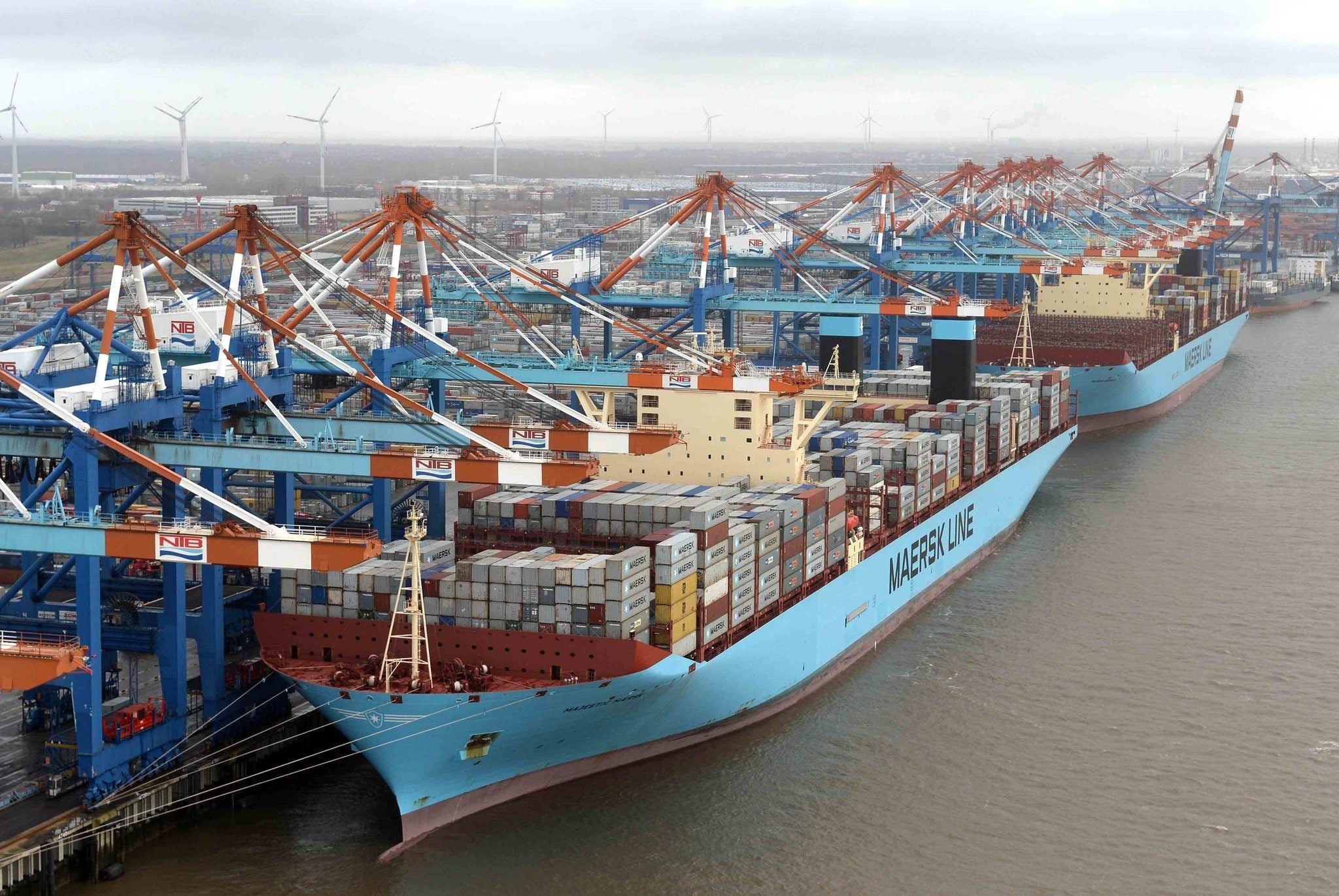
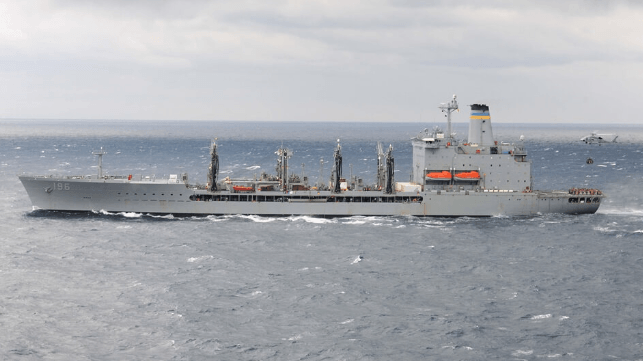
The Houthi movement continues to shape a high‑risk operating environment for commercial shipping in the Red Sea, having disrupted global shipping and attacked 178 vessels over a two‑year period. On 8 June the Houthis announced a total ban on Israeli maritime navigation in the Red Sea, reinforcing that Israel‑linked ships face the highest threat. Industry responses indicate adaptation rather than normalisation: Maersk reports continued operations under extensive contingency measures in the Middle East and is restricting bookings to several Gulf markets. Naval protection remains engaged through the United States‑led Operation Prosperity Guardian, and U.S. naval logistics assets have been recognised for sustained Red Sea crisis operations, but such measures do not eliminate risk. The 27 June Iran‑attributed attack on the oil tanker Kiku in the Strait of Hormuz, despite no reported casualties, reinforces a broader maritime risk across regional chokepoints. UN Security Council condemnation of Houthi attacks since 2024 has not produced behavioural change, with Houthi missile activity against Israel resuming in March 2026 and a renewed maritime ban in June.
Change from previous assessment
Since the 28 June brief, an Iran‑attributed attack on the tanker Kiku at the Strait of Hormuz on 27 June reinforced the broader regional maritime risk environment; industry signalling shows Maersk continuing contingency operations and restricting some Gulf bookings; and a major insurer characterised Red Sea and Hormuz disruptions as structural. Core judgments on persistent Red Sea risk and heightened exposure for Israel‑linked vessels are unchanged. We added an explicit judgment on regional spillover from Hormuz and kept confidence at medium given continued gaps in near‑term Red Sea incident reporting.
Key judgments
- Houthi threat to merchant shipping in the Red Sea is likely to persist over the next 1-3 months. (Confidence: medium · ASSESSED)
- I&W: Houthi media channels or official statements claim new targeting or attacks against commercial vessels in the Red Sea shipping lanes. (0-14 days)
- I&W: Major carriers publicly lift Middle East contingency advisories specific to Red Sea routes and resume routine schedules without escort notices. (1-3 months)
- Vessels with Israeli ownership, management, cargo, or destination are very likely at heightened risk in the Red Sea. (Confidence: high · ASSESSED)
- I&W: Houthi leadership issues further statements reiterating or expanding the June ban to include additional categories of Israeli‑linked maritime activity. (0-14 days)
- I&W: Announcement by Houthi authorities rescinding the June ban on Israeli maritime navigation and halting threats against Israel‑linked shipping. (1-3 months)
- Commercial traffic is likely to continue on a constrained basis, with carriers maintaining contingency routings and selective market restrictions. (Confidence: medium · ASSESSED)
- I&W: Carrier operational advisories maintain or expand contingency measures for Middle East services, citing Red Sea exposure. (0-14 days)
- I&W: Carriers lift booking restrictions to affected Gulf markets and normalise service rotations tied to Red Sea trades. (1-3 months)
- Coalition naval measures very likely reduce, but do not eliminate, risk to Red Sea shipping. (Confidence: medium · ASSESSED)
- I&W: Public reporting of successful naval interceptions alongside continued Houthi claims of attempted maritime attacks. (0-14 days)
- I&W: Sustained period without Houthi maritime attack claims coupled with carriers’ removal of escort or convoy references in advisories. (1-3 months)
- Regional spillover, highlighted by the 27 June attack on tanker Kiku in the Strait of Hormuz, is likely to sustain elevated caution and insurance costs across Middle East waterways, reinforcing a broader risk premium that also affects Red Sea decision‑making. (Confidence: medium · ASSESSED)
- I&W: Owner or broker circulars explicitly reference both Red Sea and Hormuz exposures when adjusting premiums or routing guidance. (1-3 months)
- I&W: Notable lull in reported Gulf of Oman or Hormuz attacks paired with downward revisions to industry risk assessments. (1-3 months)
- Diplomatic condemnation is unlikely to curb Houthi targeting in the near term. (Confidence: medium · ASSESSED)
- I&W: Further Houthi missile or maritime operation claims against Israel despite renewed international statements or resolutions. (0-14 days)
- I&W: Publicly verified Houthi pause or cessation of Red Sea targeting following diplomatic engagement. (1-3 months)
Outlook & scenarios
Baseline drag: intermittent Houthi activity, constrained but continuing commerce (60%)
Houthi threats and occasional attack claims persist against selected targets, particularly Israel‑linked shipping. Carriers keep contingency routings and commercial restrictions in place, enabling some throughput but leaving schedules volatile. Naval forces continue interceptions and escorts, containing but not neutralising risk.
Escalation: targeting widens beyond Israel‑linked exposure (30%)
Houthi operations expand to include a broader set of Western or coalition‑affiliated maritime targets transiting the Red Sea. Attack tempo and geographic spread increase, prompting additional diversions, higher premiums, and tighter carrier restrictions across Middle East services.
Regional compound risk: Red Sea, Hormuz dual‑pressure environment (25%)
Further incidents around the Strait of Hormuz keep owners and insurers on heightened alert, reinforcing a conservative posture across regional chokepoints. Even without a step‑up in Red Sea attacks, the broader risk premium sustains diversions, reduced bookings, and prolonged contingency operations.
De‑escalation: reduced Houthi activity and easing advisories (20%)
Following diplomatic engagement or internal recalibration by Houthi leadership, maritime attack claims diminish and the June ban is softened or lifted. Carriers begin to ease contingency measures and expand bookings, though navies maintain a visible presence pending confirmation of a durable trend.
Recommendations
- Prioritise screening of voyages, owners, managers, cargoes and consignees for Israel‑linked exposure when assessing Red Sea transits, and flag higher‑risk itineraries for additional mitigation.
- Maintain a live watch of carrier operational advisories for the Middle East, with emphasis on Maersk and peers’ contingency notices and booking restrictions, and update routing risk maps accordingly.
- Task collection to monitor Houthi leadership messaging for maritime threats or exclusions, particularly any expansion or rescission of the 8 June ban, and fuse with naval reporting from Operation Prosperity Guardian.
- Engage regularly with maritime risk counterparts to incorporate insurer and broker assessments of Middle East waterways, noting shifts in premiums or warranty terms tied to Red Sea and Hormuz exposures.
- Prepare decision memos outlining conditions for advising clients or stakeholders to defer Red Sea transits, including triggers such as increased Houthi attack claims or carrier suspension of services.
- Track UN and partner government statements on Red Sea security, but weight operational indicators higher than diplomatic signalling when adjusting short‑term risk posture.
Confidence & uncertainty
Overall confidence is medium. Multiple independent sources corroborate sustained Houthi intent and capability to disrupt Red Sea shipping, explicit threats against Israel‑linked vessels, continuing carrier contingency postures, and active naval protection. The June maritime ban is clearly attested, though reporting varies on its timing within the month, and there is limited incident‑level Red Sea reporting within the past week. The Hormuz tanker attack is well supported and relevant to the wider maritime risk environment, but extrapolating its effect on Red Sea decisions is an assessment. These factors justify medium, not high, confidence.
Alternative analysis (red cell)
Several judgments rely on declaratory or single‑source reporting and do not reconcile documented contradictions (see contradiction e831f266 vs 12a957d7 and tradecraft_lint: contradiction_unaddressed). Alternative, defensible assessments are that threat persistence and targeting specificity are uncertain without recent ISR, ship‑level attribution, and market data; carrier responses and the efficacy of coalition and diplomatic measures are likely to vary and are not settled by the current evidence.
Intelligence gaps
- [EEI 1.1 · PARTIAL] Incidents of hostile action against commercial vessels: vessel name/IMO, position (lat/long), time/date, observable damage or casualties, and weapon type reported (missile, drone, small-arms, explosive-laden boat). Recommended collection: maritime/AIS
- [EEI 1.3 · UNCOVERED] Unusual Houthi force posture indicators along Yemen’s Red Sea coast: movement or concentration of small boats, visible coastal missile/rocket emplacements, or logistics buildup at known launch sites (locations, timestamps). Recommended collection: imagery/satellite
- [EEI 1.4 · PARTIAL] Intercepts or communications indicating orders, targeting lists, or intent to strike merchant shipping (messages referencing specific vessel classes, companies, or chokepoints). Recommended collection: signals/communications
- [EEI 2.1 · UNCOVERED] Reports or visual confirmation of floating or moored mines and debris fields in shipping lanes or approaches to Bab-el-Mandeb, with geolocation and time. Recommended collection: imagery/satellite
- [EEI 2.2 · UNCOVERED] Detection of mine-laying activity: small vessels loitering in lane approaches, unexpected AIS track patterns consistent with mine deployment, or salvage/mining vessels operating in the area. Recommended collection: maritime/AIS
- [EEI 2.3 · PARTIAL] Hydrographic notices, naval warnings, or port authority advisories closing lanes or imposing route restrictions (text of Notice to Mariners, issuing agency, effective times/areas). Recommended collection: naval/port_authority
- [EEI 2.4 · UNCOVERED] Naval or commercial reports of mine-countermeasure operations or confirmed mine removal events (location, time, platforms involved). Recommended collection: naval/intelligence
- [EEI 3.3 · UNCOVERED] Recorded interactions between naval forces and vessels in the corridor (hailings, boardings, warnings, defensive strikes), including timestamps and outcomes. Recommended collection: maritime/AIS
- [EEI 3.4 · PARTIAL] Planned or ongoing multinational exercises, air ISR sorties, or logistics moves that increase or decrease naval capacity in the area (exercise name, participating units, dates, locations). Recommended collection: open-source/military_reporting
- [EEI 4.1 · PARTIAL] Transit volume and pattern changes: number of commercial transits per day/week through Bab-el-Mandeb and southern Red Sea compared with baseline, and instances of rerouting around Africa (position/time data). Recommended collection: maritime/AIS
- [EEI 4.2 · PARTIAL] War-risk and hull insurance coverage changes: issuance refusals, premium increases for Red Sea transits, or explicit route exclusions by underwriters (policy notices or market rate data with dates). Recommended collection: commercial/insurance_data
- [EEI 4.3 · UNCOVERED] Freight and charter market signals tied to the corridor: spot rates for container, tanker, and dry bulk routes affected by Red Sea disruptions, and reported port congestion or turnaround-time increases at nearby hubs. Recommended collection: commercial/market_data
- [EEI 4.4 · PARTIAL] Incidents of cargo denial or diversion for critical goods (crude oil, refined products, LNG, high-value container cargo) including vessel IDs, cargo type, reroute/turnback actions, and economic impact estimates where available. Recommended collection: maritime/AIS
Cited sources
[1] Middle Eastern Observer · Houthis: How They Broke Global Shipping (B) · sha256:7f14aff87ba3 [2] Wikipedia · Red Sea crisis (B) · sha256:ec006a805c65 [3] Wikipedia · 2026 Houthi strikes on Israel (B) · sha256:54e4427f70e0 [4] U.S. Department of State · Oman Travel Advisory | Travel.State.gov (A) · sha256:dfdad5d52acc [5] gcaptain.com · Maersk Raises 2026 Earnings Outlook as Container Market Strength Continues (C) · sha256:5f4d01195c30 [6] maritime-executive.com · USNS Kanawha is First MSC Ship to Get the Military's Highest Unit Award (A) · sha256:29d5fb4550be [7] shipsupply.ru · Shipsupply - новости (D) · sha256:103b76d088f1
Source content hashes were computed at collection time; the cited text is preserved unmodified for the life of this product.
Red cell review: PARTIAL DISSENT
TLP:CLEAR