TLP:CLEAR · Disclosure is not limited.
Red Sea Shipping Disruption: Passage Remains at Risk, Closure Not Established
Time window: Last 7 days · Audience: General analyst · Type: Situation report · DTG: 2026-10-26 01:12Z · Overall confidence: HIGH
BLUF
Commercial traffic through Bab-el-Mandeb is likely to remain below pre-Houthi levels over the next 0 to 14 days, but the supplied reporting does not establish a full closure or a confirmed Houthi attack on a commercial vessel in the Red Sea during 19 to 25 October. The reported September traffic declines are weakly sourced or stale, so they do not establish current transit volumes.
Executive summary
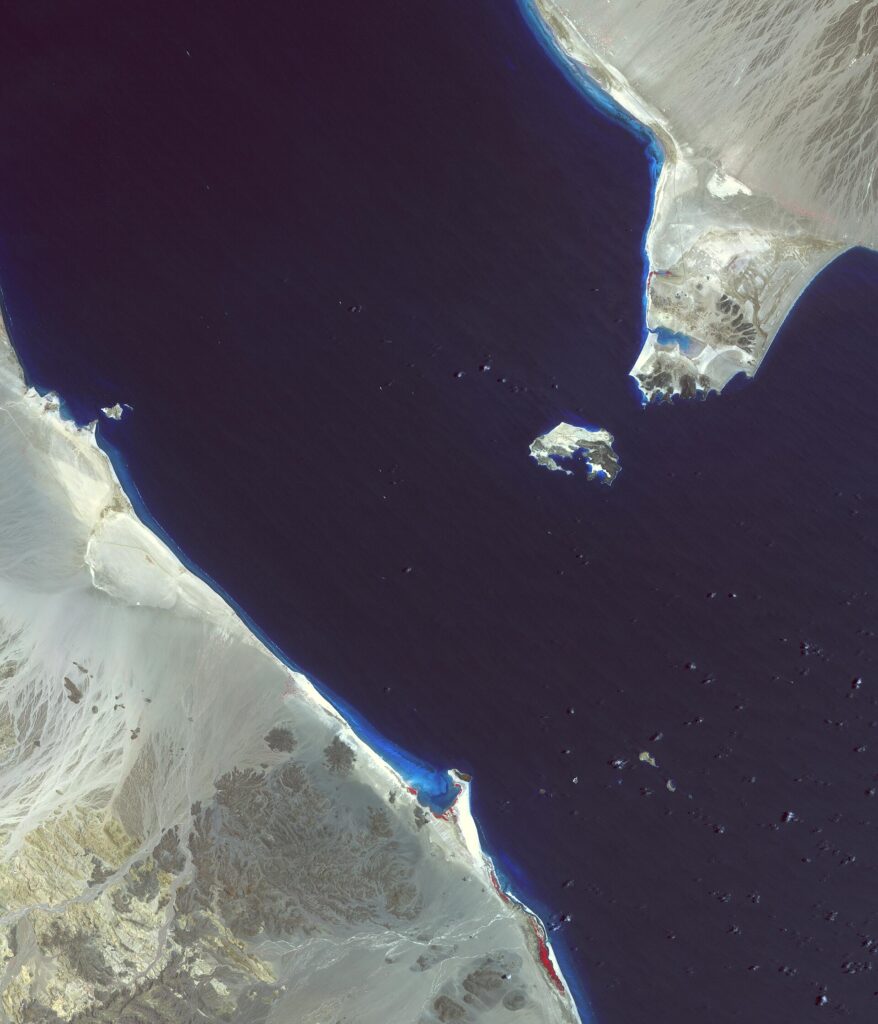
Reporting describes continued fighting near Yemen’s western coast and Bab al-Mandab. On 24 October, the Yemeni Armed Forces said strikes targeted Houthi field commanders in Taiz and Al-Jawf, a command-and-control centre in Lahj, and mobilisations in Lahj and Bab al-Mandab. Homeland Shield forces and the Giants Brigades reported thwarting an attack at Kahbub after about 30 hours of clashes. Reports of Houthi advances around Mokha, Dhubab and Mayyun Island conflict with Yemeni government claims of recaptures, leaving current control uncertain. On 25 October, Saudi Arabia reported intercepting 10 ballistic missiles aimed at its southern region; that escalation is not evidence of an attack on Red Sea commercial shipping. September estimates put Bab al-Mandab traffic 47% below pre-Houthi levels and Suez traffic 39% below, but the Bab figure is weakly sourced and neither estimate provides current daily transit counts.
Change from previous assessment
Since the 25 October prior brief, this assessment adds September estimates of Bab al-Mandab and Suez traffic declines, plus reporting on fighting near Kahbub and competing claims over Mokha, Dhubab and Mayyun Island. These additions do not establish current transit volumes, a full closure or a new commercial-vessel attack, so confidence in the near-term traffic assessment remains low. The prior judgment about the effect of the 23 October R4 statement is not carried forward because the supplied reporting adds no evidence of a Houthi response to that statement.
Key judgments
- Commercial traffic through Bab-el-Mandeb is likely to remain below pre-Houthi levels over the next 0 to 14 days, while a full physical closure is unlikely. Reported September estimates put Bab al-Mandab traffic 47% below the pre-Houthi level and Suez traffic 39% below it. Assessment: these figures indicate persistent disruption, but the Bab estimate comes from a blog headline and social-media reporting, and neither figure measures traffic during 19 to 25 October. The supplied reporting gives no daily vessel counts or confirmed closure. Confidence is low because the traffic figures are dated and weakly sourced. (Confidence: low · ASSESSED)
- I&W: Confirm: a daily AIS-based count shows Bab-el-Mandeb transits at least 40% below a consistently defined pre-Houthi benchmark for seven consecutive days. (0-14 days)
- I&W: Break: the same count shows transits within 10% of that benchmark for seven consecutive days. (0-14 days)
- Current control of Mokha, Dhubab and Mayyun Island remains uncertain in the supplied reporting. Reports place Houthi forces in Mokha and describe advances towards Dhubab and Mayyun, while Yemeni government accounts say government-aligned forces took Mokha and regained positions around Dhubab and Bab al-Mandab. These conflicting, partly belligerent-sourced accounts do not establish who currently controls the approaches or island. Confidence is low because the claims conflict and current control lacks independent confirmation. (Confidence: low · ASSESSED)
- I&W: Confirm Houthi control: dated, geolocated imagery or independent reporting verifies sustained Houthi presence at Mokha port, Dhubab or Mayyun Island. (0-14 days)
- I&W: Break Houthi control: dated, geolocated imagery or independent reporting verifies Yemeni government-aligned forces holding one or more of those locations. (0-14 days)
- Commercial shipping risk near Bab-el-Mandeb is likely to remain elevated over the next 0 to 30 days. Reports describe Houthi advances towards Dhubab and Mayyun, Yemeni Armed Forces operations near Bab al-Mandab, and clashes at Kahbub involving Homeland Shield forces and the Giants Brigades. These reports indicate armed activity around the approaches, not a confirmed attack on a commercial vessel there. Confidence is medium: several reports describe activity near the strait, but control claims are contested and the reporting does not establish a recent vessel attack. (Confidence: medium · ASSESSED)
- I&W: Confirm: a UKMTO notice or named vessel operator reports an attack, attempted boarding or other direct incident involving a commercial vessel in Bab-el-Mandeb or the adjacent Gulf of Aden. (0-14 days)
- I&W: Break: no direct vessel incidents are reported and the daily AIS-based transit count returns to within 10% of the pre-Houthi benchmark for seven consecutive days. (1-3 months)
Outlook & scenarios
Continued disruption without full closure (60%)
Likely. Fighting and competing control claims persist around Yemen’s western approaches. Operators continue to assess Bab-el-Mandeb route risk, and traffic remains below the pre-Houthi benchmark without a complete halt to commercial passage.
Expanded fighting drives a sharper reduction in passage (25%)
Unlikely. Further Houthi advances or clashes around Mokha, Dhubab, Mayyun Island or Kahbub, followed by a direct incident involving a commercial vessel, prompt operators to reduce or pause passage through Bab-el-Mandeb.
Fighting eases and traffic recovers (10%)
Unlikely. A reduction in fighting around the approaches and clearer evidence of secure passage lead operators to restore traffic towards pre-Houthi levels.
High-impact wildcard: temporary halt after a direct vessel attack (5%)
Very unlikely, but high impact. A direct attack on a commercial vessel coincides with renewed fighting around Mayyun Island or the Bab al-Mandab approaches, leading to a temporary halt in commercial passage.
Recommendations
- Maintain a daily Bab-el-Mandeb transit ledger using AIS-based counts. Record the comparison period and benchmark method, and keep September estimates separate from current observations.
- Treat the reported 47% Bab al-Mandab and 39% Suez traffic declines as historical, provisional figures. Do not use them as current transit measures without updated counts.
- Track Mokha port, Dhubab, Mayyun Island and Kahbub separately. Require dated, geolocated evidence or independent reporting before updating assessments of territorial control.
- Separate reports of missile interceptions in Saudi Arabia and fighting in Yemen from confirmed incidents involving Red Sea commercial vessels. Update the shipping risk assessment when a direct vessel incident or a sustained change in transit counts is reported.
Confidence & uncertainty
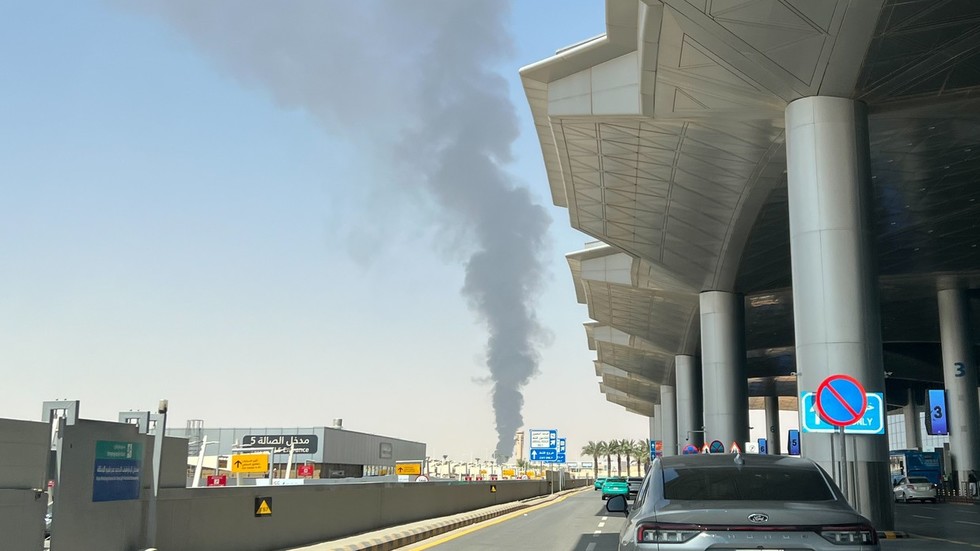
Overall confidence is high for the occurrence of the reported escalation events: multiple major-media and wire-service accounts describe Houthi attacks, Saudi interceptions and the partial reopening of King Khalid International Airport, while separate reporting describes fighting near Bab al-Mandab. Some accounts rely on statements by parties to the conflict, and missile tallies and casualty figures are not fully consistent. Confidence in current Bab-el-Mandeb traffic volumes and control of the coastal approaches is lower because the traffic estimates are dated or weakly sourced and the control claims conflict.
Alternative analysis (red cell)
The evidence may support a more differentiated control assessment than the brief presents. Government-aligned claims dated 5 October report recapture of Mokha and positions around Dhubab and Bab al-Mandab, potentially superseding earlier Houthi advances, while Mayyun remains unresolved. Accordingly, uncertainty may be concentrated on the island and durability of the recapture rather than applying equally to all three locations.
Intelligence gaps
- [EEI 1.1 · UNCOVERED] Incidents of hostile action against commercial vessels: vessel name/IMO, position (lat/long), time/date, observable damage or casualties, and weapon type reported (missile, drone, small-arms, explosive-laden boat). Recommended collection: maritime/AIS
- [EEI 1.2 · UNCOVERED] Public Houthi claims of attacks or warnings tied to specific dates/routes, including social-media posts, official statements, and timing relative to merchant transits. Recommended collection: open-source/social_media
- [EEI 1.3 · PARTIAL] Unusual Houthi force posture indicators along Yemen’s Red Sea coast: movement or concentration of small boats, visible coastal missile/rocket emplacements, or logistics buildup at known launch sites (locations, timestamps). Recommended collection: imagery/satellite
- [EEI 1.4 · UNCOVERED] Intercepts or communications indicating orders, targeting lists, or intent to strike merchant shipping (messages referencing specific vessel classes, companies, or chokepoints). Recommended collection: signals/communications
- [EEI 2.1 · UNCOVERED] Reports or visual confirmation of floating or moored mines and debris fields in shipping lanes or approaches to Bab-el-Mandeb, with geolocation and time. Recommended collection: imagery/satellite
- [EEI 2.2 · UNCOVERED] Detection of mine-laying activity: small vessels loitering in lane approaches, unexpected AIS track patterns consistent with mine deployment, or salvage/mining vessels operating in the area. Recommended collection: maritime/AIS
- [EEI 2.3 · UNCOVERED] Hydrographic notices, naval warnings, or port authority advisories closing lanes or imposing route restrictions (text of Notice to Mariners, issuing agency, effective times/areas). Recommended collection: naval/port_authority
- [EEI 2.4 · UNCOVERED] Naval or commercial reports of mine-countermeasure operations or confirmed mine removal events (location, time, platforms involved). Recommended collection: naval/intelligence
- [EEI 3.1 · UNCOVERED] Movements and presence of foreign warships and support vessels: names/classes, task group compositions, patrol areas and timelines, and whether vessels are conducting escort or interdiction operations. Recommended collection: naval/intelligence
- [EEI 3.2 · PARTIAL] Official announcements or directives from states/coalitions regarding convoys, armed escorts, protected corridor establishment, or changes to rules of engagement for merchant protection. Recommended collection: diplomatic/public_affairs
- [EEI 3.3 · UNCOVERED] Recorded interactions between naval forces and vessels in the corridor (hailings, boardings, warnings, defensive strikes), including timestamps and outcomes. Recommended collection: maritime/AIS
- [EEI 3.4 · UNCOVERED] Planned or ongoing multinational exercises, air ISR sorties, or logistics moves that increase or decrease naval capacity in the area (exercise name, participating units, dates, locations). Recommended collection: open-source/military_reporting
- [EEI 4.2 · PARTIAL] War-risk and hull insurance coverage changes: issuance refusals, premium increases for Red Sea transits, or explicit route exclusions by underwriters (policy notices or market rate data with dates). Recommended collection: commercial/insurance_data
- [EEI 4.3 · UNCOVERED] Freight and charter market signals tied to the corridor: spot rates for container, tanker, and dry bulk routes affected by Red Sea disruptions, and reported port congestion or turnaround-time increases at nearby hubs. Recommended collection: commercial/market_data
- [EEI 4.4 · PARTIAL] Incidents of cargo denial or diversion for critical goods (crude oil, refined products, LNG, high-value container cargo) including vessel IDs, cargo type, reroute/turnback actions, and economic impact estimates where available. Recommended collection: maritime/AIS
Red cell review: PARTIAL DISSENT
TLP:CLEAR