TLP:CLEAR · Disclosure is not limited.
Red Sea shipping disruption: skiff swarm near Aden and Houthi, Saudi escalation sustain elevated risk
Time window: Last 7 days · Audience: General analyst · Type: Situation report · DTG: 2026-07-15 01:10Z · Overall confidence: LOW
BLUF
Risk to merchant shipping in the southern Red Sea and Bab el-Mandeb is very likely elevated this week after a 13 July small-boat swarm near Aden and UKMTO warnings, while a renewed Houthi, Saudi missile exchange and Saudi reliance on Red Sea export routes increase the chance of spillover targeting. Red Sea volumes remain depressed as operators sustain Cape routings, a posture reinforced by disrupted Strait of Hormuz traffic and higher war-risk pricing.
Executive summary
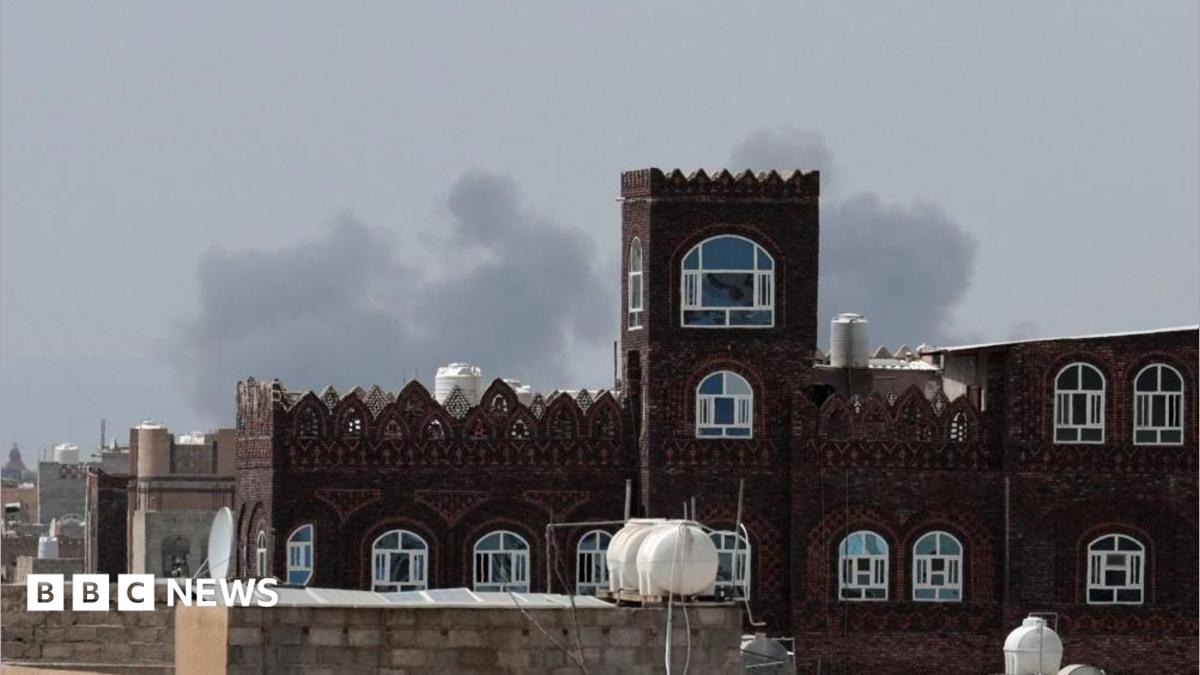
On 13 July, a tanker 50 nautical miles south of Aden reported being approached by six skiffs, prompting evasive manoeuvres and warning shots before the boats broke off, and UKMTO flagged suspicious activity off Yemen. In parallel, Saudi strikes on Sana’a airport and Houthi missile launches at Saudi airports marked a clear escalation, with Houthi figures warning about closing Bab al-Mandeb. Red Sea shipping has not rebounded and major carriers previously rerouted around southern Africa. Saudi Arabia is maximising crude exports from Yanbu on the Red Sea via the East, West Pipeline, and industry sources fear Yanbu could be targeted. Outside the Red Sea, reports of a reimposed US blockade of Iranian ports, depressed transits through Hormuz, and rising oil prices and expected insurance premia are likely sustaining shipowners’ caution about resuming Suez, Red Sea routings.
Change from previous assessment
Initial assessment of this topic for this run. Notable developments since the prior brief include the 13 July skiff swarm incident south of Aden with warning shots, UKMTO’s caution off Yemen, fresh Saudi, Houthi escalation around Sana’a and Saudi airports, continued reporting that Red Sea shipping has not rebounded, elevated Yanbu loadings on the Red Sea, and reports of depressed Hormuz transits and higher oil prices.
Key judgments
- It is very likely that risk to merchant shipping in the southern Red Sea and Bab el-Mandeb is elevated this week, evidenced by the 13 July small‑boat swarm that closed on a tanker 50 nautical miles south of Aden and UKMTO’s warning of suspicious activity off Yemen. (Confidence: high · ASSESSED)
- I&W: Further UKMTO reports of skiff approaches or warning shots within 100 nautical miles of Bab el-Mandeb. (0-14 days)
- I&W: Break: A two‑week period with no UKMTO advisories of small‑boat approaches in the southern Red Sea and Gulf of Aden. (0-14 days)
- The Houthi, Saudi escalation is likely to persist and raise Red Sea maritime risk signalling, as shown by Saudi strikes on Sana’a airport and subsequent Houthi missile launches at Saudi airports alongside Houthi threats to close Bab el‑Mandeb. (Confidence: medium · ASSESSED)
- I&W: Public Houthi statements reiterating intent to close Bab el‑Mandeb or naming Red Sea ports as imminent targets. (0-14 days)
- I&W: Break: A mutually announced pause in cross‑border missile and drone fire with no Houthi maritime threat statements. (1-3 months)
- Red Sea shipping very likely remains depressed relative to pre‑crisis levels, with major carriers having rerouted around southern Africa and commercial actors still wary of transiting the corridor. (Confidence: high · REPORTED)
- I&W: Continued carrier advisories and voyage plans routing around the Cape of Good Hope instead of Suez, Red Sea services. (1-3 months)
- I&W: Break: Major lines announce restoration of regular Suez, Red Sea strings and resume east, west schedules through Bab el‑Mandeb. (1-3 months)
- Saudi Arabia’s push to maximise crude exports from Yanbu on the Red Sea likely increases the attractiveness of Red Sea energy infrastructure and adjacent shipping as a Houthi target set. (Confidence: medium · ASSESSED)
- I&W: Houthi messaging or attack attempts naming Yanbu, or attempted strikes on tankers loading off Yanbu. (0-14 days)
- I&W: Break: Sustained reduction of Yanbu crude loadings below four million barrels per day without Houthi threats to Red Sea assets. (1-3 months)
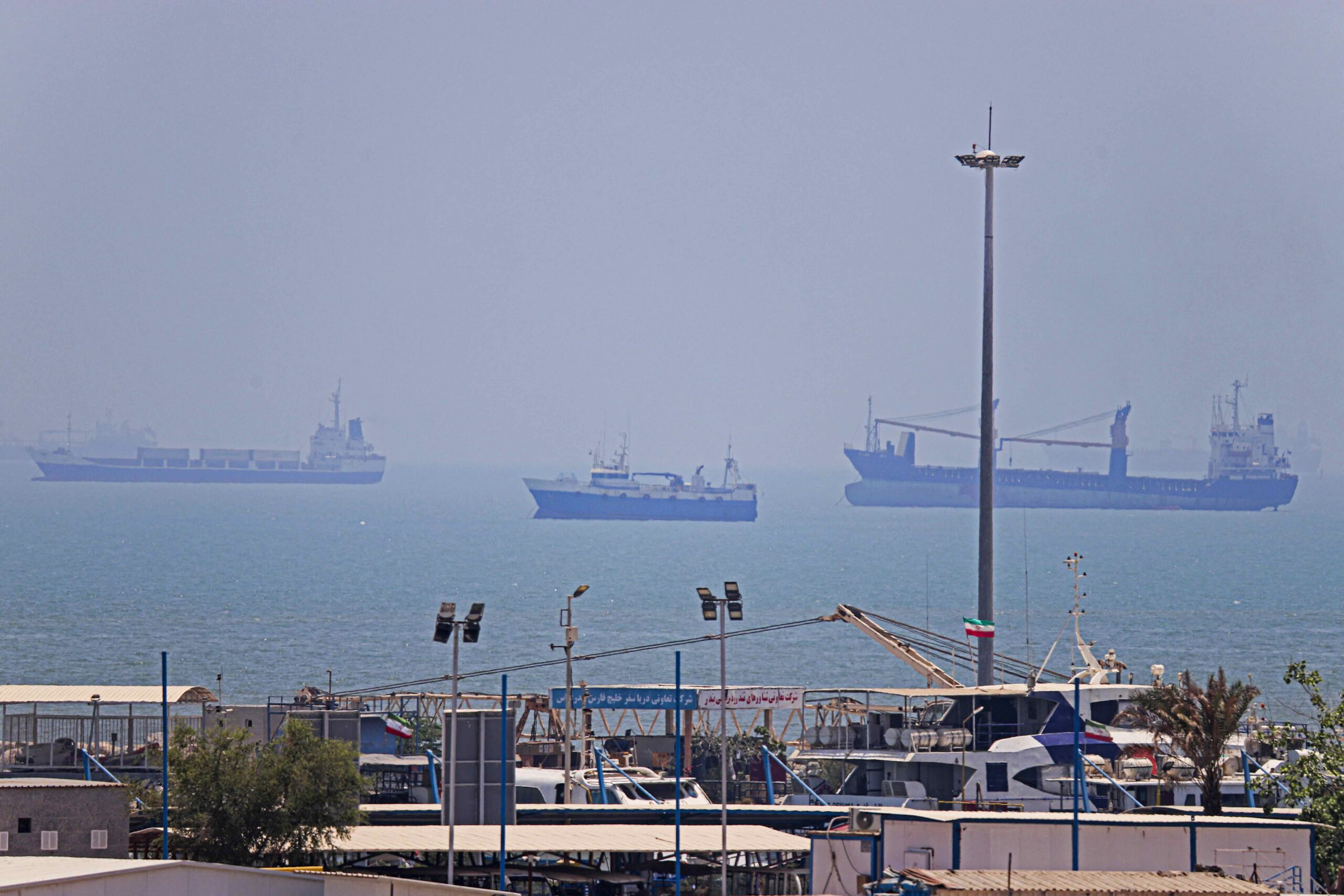
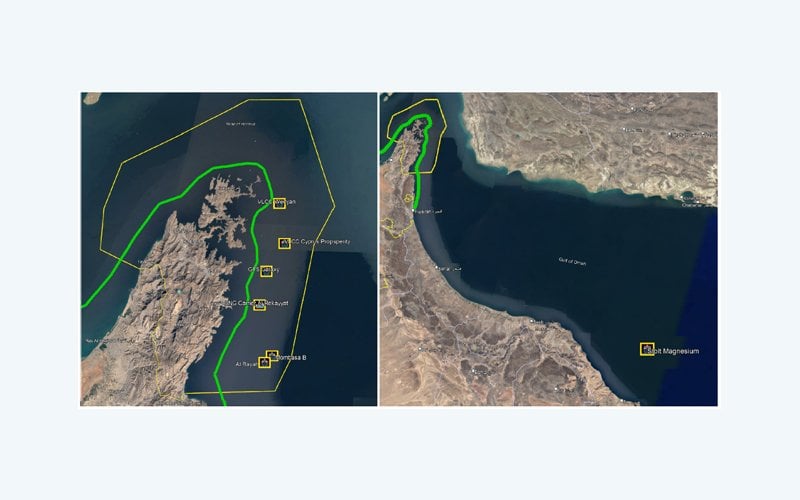
- Disruption and risk signalling at the Strait of Hormuz are likely sustaining operator caution and war‑risk pricing and thereby indirectly prolonging reluctance to resume Red Sea transits at scale. (Confidence: medium · ASSESSED)
- I&W: JMIC maintains SEVERE for Hormuz and commercial datasets continue to show depressed transits versus pre‑crisis baselines. (1-3 months)
- I&W: Break: Official rollback of blockade‑related measures and a return toward PortWatch and Kpler pre‑crisis daily transit counts. (1-3 months)
Outlook & scenarios
Persistent harassment, sustained rerouting (60%)
Small‑boat approaches and intermittent missile activity persist around Bab el‑Mandeb, reinforcing UKMTO caution and keeping carriers on Cape routings. Saudi relies on Yanbu for exports without direct strikes, while threat rhetoric continues. Red Sea volumes remain below pre‑crisis levels.
Attempted Bab el‑Mandeb closure and spillover to Red Sea energy targets (25%)
Houthi actors attempt to enforce a partial closure through threat messaging and strikes against Red Sea shipping lanes or Saudi Red Sea infrastructure, including near Yanbu. Operators largely halt Suez routings temporarily, insurance premia spike, and oil prices rise further.
Tactical pause at sea amid continued land‑based exchanges (30%)
Cross‑border missile launches continue, but small‑boat harassment off Yemen dips for several weeks. A handful of carriers trial Red Sea transits with heavy security, yet broader resumption remains constrained by Hormuz disruption and insurance pricing.
Wildcard: High‑impact strike on Yanbu (10%)
A successful attack on loading operations or approaches off Yanbu forces a multi‑day export halt. Energy markets react sharply and shipowners expand Cape detours across additional trades beyond those already rerouted.
Recommendations
- Maintain continuous monitoring of UKMTO advisories and coastal incident reports off Yemen, and brief operators on any small‑boat approach reports within 100 nautical miles of Bab el‑Mandeb.
- Sustain contingency voyage planning via the Cape of Good Hope for high‑exposure trades, given continued reporting that Red Sea shipping has not rebounded and prior widespread rerouting.
- Establish a daily tracker that collates Kpler, PortWatch and Windward‑type transit counts and JMIC threat levels for Hormuz to inform Red Sea routing risk and insurance assumptions.
- Engage insurance partners to update war‑risk pricing assumptions for Red Sea transits in light of expected premium reassessments and recent oil price moves.
- Prioritise collection on Houthi intent and capability to target Red Sea energy infrastructure, including specific references to Yanbu, and watch for changes in Saudi loading patterns as a risk tripwire.
- Advise fleet security teams transiting the Gulf of Aden to prepare for evasive manoeuvres and controlled warning‑shot protocols consistent with the latest incident reporting south of Aden.
- Alert stakeholders with Indian crews or callings to coordinate with flag‑state guidance following New Delhi’s expression of concern over recent maritime casualties.
Confidence & uncertainty
The evidence base mixes high‑confidence reporting on the 13 July skiff approach south of Aden, UKMTO warnings, sustained rerouting around southern Africa, and Saudi crude loadings at Yanbu with medium to low‑confidence elements on Hormuz traffic counts and the status of a US blockade and proposed fees. Several figures for Hormuz transits vary across sources, and policy statements on fees and blockades conflict. Houthi threats to close Bab el‑Mandeb are largely declaratory. These inconsistencies and reliance on risk assessments and statements, rather than uniformly corroborated operational data, warrant a low overall confidence rating.
Alternative analysis (red cell)
The incident set (small‑boat approach plus UKMTO advisory) and the strikes/threat statements are better characterized as episodic and partly ambiguous in attribution rather than conclusive evidence of sustained, high‑probability escalation. Given contradictory reporting on the Sana'a strike attribution and mixed quality of Hormuz blockading claims, a cautious analytic posture treating these as short‑term escalation risks with potential to worsen — not as definitive drivers of prolonged, systemic disruption to Red Sea shipping — is a reasonable alternative estimate.
Intelligence gaps
- [EEI 1.2 · PARTIAL] Public Houthi claims of attacks or warnings tied to specific dates/routes, including social-media posts, official statements, and timing relative to merchant transits. Recommended collection: open-source/social_media
- [EEI 1.3 · PARTIAL] Unusual Houthi force posture indicators along Yemen’s Red Sea coast: movement or concentration of small boats, visible coastal missile/rocket emplacements, or logistics buildup at known launch sites (locations, timestamps). Recommended collection: imagery/satellite
- [EEI 1.4 · PARTIAL] Intercepts or communications indicating orders, targeting lists, or intent to strike merchant shipping (messages referencing specific vessel classes, companies, or chokepoints). Recommended collection: signals/communications
- [EEI 2.1 · UNCOVERED] Reports or visual confirmation of floating or moored mines and debris fields in shipping lanes or approaches to Bab-el-Mandeb, with geolocation and time. Recommended collection: imagery/satellite
- [EEI 2.2 · UNCOVERED] Detection of mine-laying activity: small vessels loitering in lane approaches, unexpected AIS track patterns consistent with mine deployment, or salvage/mining vessels operating in the area. Recommended collection: maritime/AIS
- [EEI 2.3 · PARTIAL] Hydrographic notices, naval warnings, or port authority advisories closing lanes or imposing route restrictions (text of Notice to Mariners, issuing agency, effective times/areas). Recommended collection: naval/port_authority
- [EEI 2.4 · UNCOVERED] Naval or commercial reports of mine-countermeasure operations or confirmed mine removal events (location, time, platforms involved). Recommended collection: naval/intelligence
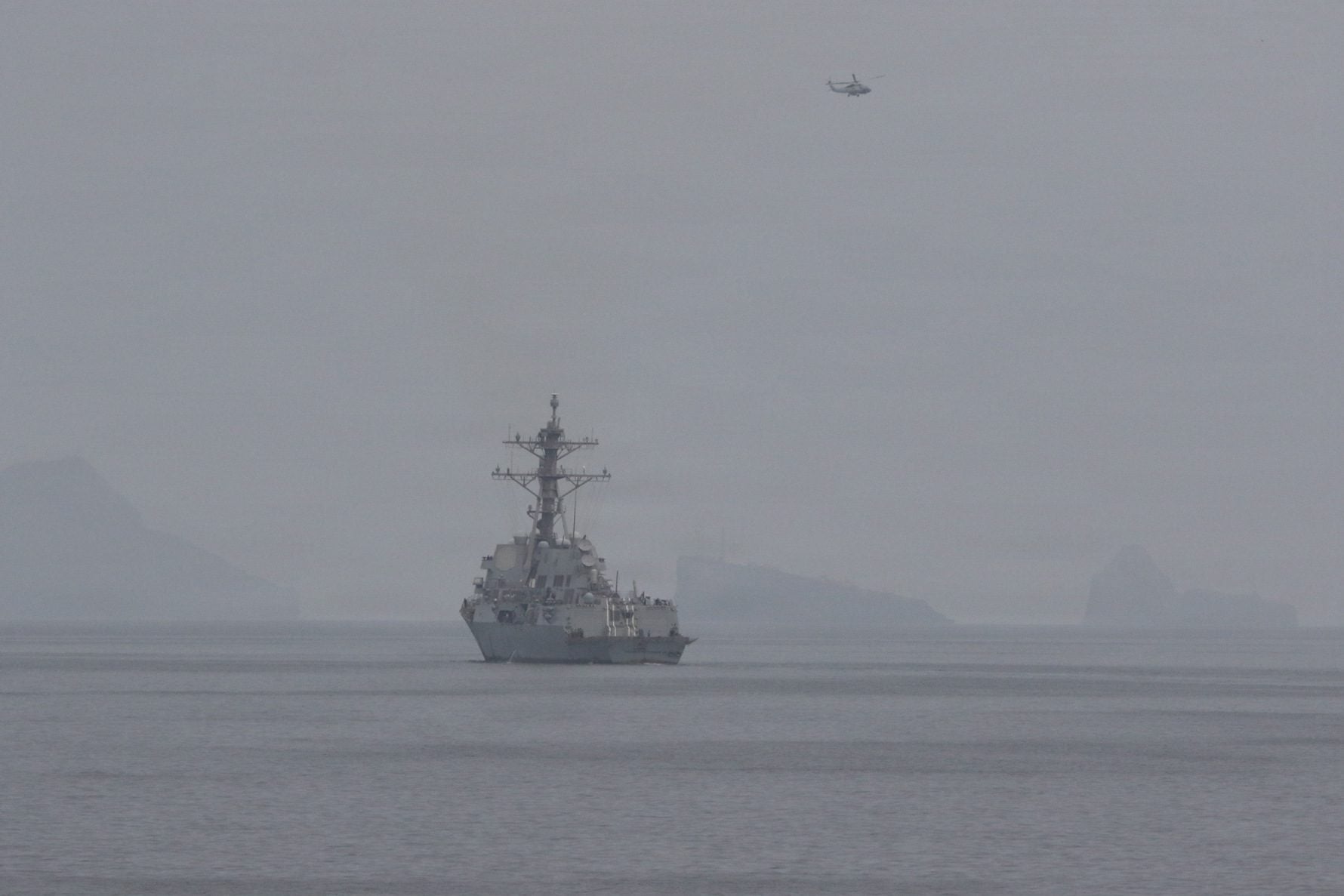
- [EEI 3.1 · PARTIAL] Movements and presence of foreign warships and support vessels: names/classes, task group compositions, patrol areas and timelines, and whether vessels are conducting escort or interdiction operations. Recommended collection: naval/intelligence
- [EEI 3.2 · PARTIAL] Official announcements or directives from states/coalitions regarding convoys, armed escorts, protected corridor establishment, or changes to rules of engagement for merchant protection. Recommended collection: diplomatic/public_affairs
- [EEI 3.3 · PARTIAL] Recorded interactions between naval forces and vessels in the corridor (hailings, boardings, warnings, defensive strikes), including timestamps and outcomes. Recommended collection: maritime/AIS
- [EEI 3.4 · UNCOVERED] Planned or ongoing multinational exercises, air ISR sorties, or logistics moves that increase or decrease naval capacity in the area (exercise name, participating units, dates, locations). Recommended collection: open-source/military_reporting
- [EEI 4.2 · PARTIAL] War-risk and hull insurance coverage changes: issuance refusals, premium increases for Red Sea transits, or explicit route exclusions by underwriters (policy notices or market rate data with dates). Recommended collection: commercial/insurance_data
- [EEI 4.4 · PARTIAL] Incidents of cargo denial or diversion for critical goods (crude oil, refined products, LNG, high-value container cargo) including vessel IDs, cargo type, reroute/turnback actions, and economic impact estimates where available. Recommended collection: maritime/AIS
Cited sources
[1] marinelink.com · Tanker Approached by Multiple Small Boats Off Yemen (B) · sha256:af666538c091 [2] nypost.com · Iran-backed Houthis fire missile at Saudi Arabia, vow revenge after airport strike (B) · sha256:0d847ad26ccf [3] thefridaytimes.com · Iran's Last Card: Will The Houthis Draw Saudi Arabia And Pakistan In? (B) · sha256:69dc79e91d18 [4] BBC · Yemen's Houthis launch missiles at Saudi Arabia after strikes on Sanaa airport (A) · sha256:0d8d893f3648 [5] marinelink.com · Yanbu Port Reaches Near Maximum Crude Shipments (C) · sha256:f81634b24161 [6] The Times of India · Economic Doomsday!: Iran-Backed Houthis Threaten to Close Second Strait Amid Hormuz Crisis The #MiddleEast is facing a dangerous new escalation. While global attention remains focused on the #StraitofHormuz and the growing #US-#Iran confrontation, #Yemen's Houthi movement has issued a major warning that could reshape global energy markets. A senior Houthi official says the group is prepared to close the Bab al-Mandeb Strait if Saudi Arabia continues attacks on Yemen's critical infrastructure. | The Times of India (B) · sha256:70db93872916 [7] Keralakaumudi News · സൗദിയിലേക്ക് ചീറ്റി യെമന്, ബാബ് അല് മന്ദബ് പൂട്ടും, ചെങ്കടല് കീറിമുറിക്കും | Bab el-Mandeb (D) · sha256:93ccf8aa6562 [8] warontherocks.com · A Fresh Look at the Houthi Threat to Maritime Shipping (C) · sha256:0f5899782aa2 [9] gcaptain.com · Red Sea Shipping Faces Renewed Risk as Iran Signals Pressure Beyond Hormuz (A) · sha256:f1241170351e [10] Al Jazeera · How new Yemen tensions could complicate the global energy crisis (A) · sha256:be0b4ef72629 [11] dailythepatriot.com · Check out latest news on The Patriot (B) · sha256:10af38874b99 [12] thefrontierpost.com · Oil hits one-month high as US, Iran step up attacks in Strait of Hormuz (B) · sha256:bdff44cb9d25 [13] Los Angeles Times · U.S. military restores blockade after Iran’s attacks on ships in the Strait of Hormuz - Los Angeles Times (A) · sha256:021fd4bc8713 [14] gcaptain.com · The Southern Route Through Hormuz Is No Longer Safe, Regardless of What Trump Says (B) · sha256:9186f99baf24 [15] gcaptain.com · Trump Drops Proposed 20% Hormuz Fee, Replaces It With Gulf Investment Deals (B) · sha256:dbf653cba568 [16] maritime-executive.com · Iran Piles on Pressure and Targets Tanker off Omani LNG Terminal (B) · sha256:105d9bd099da [17] Outlook India · Outlook Explains | How Vessel Traffic Through Hormuz Is Becoming Real Economic Warning Sign (B) · sha256:620148e12de3 [18] insurancejournal.com · UAE Oil Tankers Attacked While Sailing Dark Through Hormuz (A) · sha256:f1490b6f02b4
Source content hashes were computed at collection time; the cited text is preserved unmodified for the life of this product.
Red cell review: PARTIAL DISSENT
TLP:CLEAR