TLP:CLEAR · Disclosure is not limited.
Red Sea Shipping Disruption: Threats Persist, Route Remains Open
Time window: Last 7 days · Audience: General analyst · Type: Situation report · DTG: 2026-10-13 01:11Z · Overall confidence: HIGH
BLUF
Red Sea and Bab al-Mandab shipping risk is likely to remain elevated over the next 0-14 days, but the reporting establishes a Houthi maritime threat, not a closure or a newly confirmed merchant-vessel strike in this period. Saudi oil was still moving through Yanbu and Dhuba in the latest reported data, while control of the nearby coast remains disputed.
Executive summary
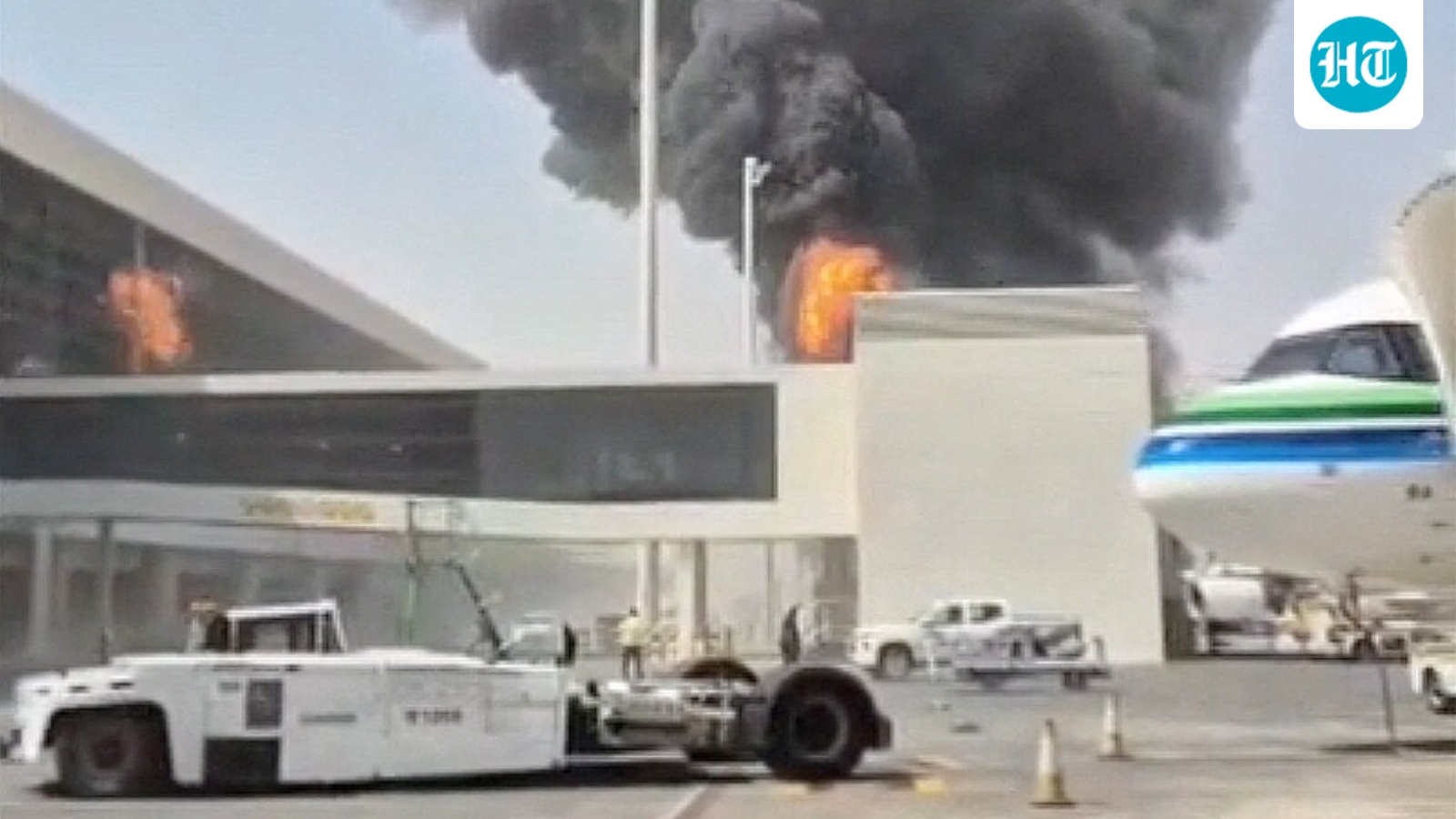
Houthi warnings against Saudi-linked shipping and the July announcement of a maritime embargo continue to present a risk to Red Sea navigation. The clearest recent escalation is a series of Houthi-attributed attacks on Saudi airports, including King Khalid International Airport in Riyadh and King Fahd International Airport in Dammam. Saudi Arabia extended the Riyadh airport suspension until Saturday. These incidents raise the risk of wider retaliation but do not establish disruption to Red Sea merchant traffic. Yemeni government-aligned forces and the Houthis continue to give conflicting accounts of the fighting around Mokha and Dhubab. Meanwhile, reported loadings from Yanbu and Dhuba and East-West pipeline flows show that Saudi crude exports via the Red Sea were continuing in early October.
Change from previous assessment
Since the 12 October brief, reporting has added repeated Houthi-attributed attacks on Saudi airports, including the extension of the King Khalid International Airport suspension, and further Houthi warnings against Saudi aviation. The assessment that Red Sea shipping risk remains elevated is unchanged; the additional attacks raise concern about wider escalation but do not establish a new Red Sea merchant-vessel strike or closure. Control near Mokha and Dhubab remains disputed, so confidence in the battlefield assessment remains low. US direct participation remains under consideration, not confirmed.
Key judgments
- Red Sea and Bab al-Mandab shipping risk is likely to remain elevated over the next 0-14 days. The Houthis announced a maritime embargo and threatened Saudi-linked shipping, and UN Special Envoy Hans Grundberg said those threats undermine freedom of navigation. The supplied reporting records past Houthi attacks on commercial shipping around the Red Sea, but does not establish a closure or a newly confirmed merchant-vessel strike in this reporting period. (Confidence: medium · ASSESSED)
- I&W: A maritime reporting service or ship operator reports a commercial vessel hit in the Red Sea or Bab al-Mandab, or the Houthis issue a new warning naming Saudi-linked vessels. (0-14 days)
- I&W: The Houthis publicly withdraw or suspend their maritime threat and no Red Sea or Bab al-Mandab merchant-vessel incident is reported during the period. (0-14 days)
- It is unlikely that either Yemeni government-aligned forces or the Houthis have established uncontested control of the Bab al-Mandab approaches. Government-aligned reporting describes advances to Dhubab airport and claims the recapture of Mokha, while Houthi sources deny those advances and report attacks around Mokha. The conflicting accounts leave control of the coast unresolved. (Confidence: low · ASSESSED)
- I&W: Independent reporting or geolocated imagery confirms continuing operations by both sides around Mokha or Dhubab airport without evidence of uncontested control. (0-14 days)
- I&W: Independent reporting verifies that one side controls the Bab al-Mandab approaches, including Dhubab, and reports no opposing operations there. (0-14 days)
- Saudi crude exports through Red Sea ports were still active in the latest reported data. Kpler recorded about 45 million barrels shipped from Yanbu and Dhuba between 17 September and 4 October, and Saudi Energy Minister Abdulaziz bin Salman reported East-West pipeline flows to Yanbu of 5.8 million barrels per day on 6 October, after operations resumed following a September drone attack. These figures demonstrate continued flows at those dates, not that the route is free of risk. (Confidence: high · REPORTED)
- I&W: New Kpler data records confirmed loadings from Yanbu or Dhuba, or the Saudi Energy Ministry reports East-West pipeline flows continuing. (0-14 days)
- I&W: Saudi authorities or Kpler report a suspension of East-West pipeline operations or a halt to loadings at Yanbu and Dhuba. (0-14 days)
- It is unlikely that Washington has already decided to join Saudi strikes directly. President Donald Trump said he was considering participation and would make a decision; other reporting describes US intelligence and munitions support while also reporting a refusal of operational engagement. The extent of US involvement therefore remains unresolved. (Confidence: medium · ASSESSED)
- I&W: The White House announces US participation in Saudi strikes, or US forces conduct a strike against Houthi targets. (0-14 days)
- I&W: Trump publicly rules out direct US strikes and no US strike is reported. (0-14 days)
Outlook & scenarios
Threatened corridor, continued commercial flows (60%)
Houthi threats to Saudi-linked shipping persist, but no confirmed attack closes the Red Sea route. Saudi crude continues to move through Yanbu and Dhuba, while ship operators account for the threat in routing decisions.
Contested coastal fighting continues (25%)
Yemeni government-aligned forces seek to hold or extend positions around Mokha and Dhubab, while the Houthis continue operations in Taiz and retain the reported ability to conduct long-range strikes. Conflicting accounts of territorial control persist, leaving the Bab al-Mandab approaches contested.
Wildcard: maritime strike and direct US involvement (15%)
A Houthi attack on a Red Sea merchant vessel coincides with a US decision to join Saudi strikes. This low-probability, high-impact path would widen the conflict and sharply raise the risk of commercial disruption around Bab al-Mandab.
Recommendations
- Track confirmed merchant-vessel incidents in the Red Sea and Bab al-Mandab separately from Houthi threats and past attacks. Treat a named vessel strike as a material change to the shipping risk assessment.
- Monitor reported Yanbu and Dhuba loadings and East-West pipeline flows. Distinguish planned capacity from actual throughput and confirmed exports.
- Treat claims about control of Mokha, Dhubab and nearby positions as contested until independent reporting or imagery supports one account.
- Track public statements by Trump and the White House on direct US participation, separately from reported intelligence, munitions or planning support.
- Flag any confirmed Red Sea merchant-vessel strike, interruption to East-West pipeline operations, or verified change in control near Dhubab for an immediate update.
Confidence & uncertainty
Overall confidence is high for the principal reported developments because major-media and wire-service accounts, Saudi aviation reporting, UN statements and Kpler data corroborate the airport disruption, humanitarian impact and continued Red Sea-bound oil flows. Confidence is lower on the maritime picture: the reporting documents threats and general past attacks but no dated merchant-vessel strike in this period. Territorial control near Mokha and Dhubab remains disputed, and reported airport death totals vary by scope and update.
Intelligence gaps
- [EEI 1.1 · PARTIAL] Incidents of hostile action against commercial vessels: vessel name/IMO, position (lat/long), time/date, observable damage or casualties, and weapon type reported (missile, drone, small-arms, explosive-laden boat). Recommended collection: maritime/AIS
- [EEI 1.2 · PARTIAL] Public Houthi claims of attacks or warnings tied to specific dates/routes, including social-media posts, official statements, and timing relative to merchant transits. Recommended collection: open-source/social_media
- [EEI 1.3 · UNCOVERED] Unusual Houthi force posture indicators along Yemen’s Red Sea coast: movement or concentration of small boats, visible coastal missile/rocket emplacements, or logistics buildup at known launch sites (locations, timestamps). Recommended collection: imagery/satellite
- [EEI 1.4 · PARTIAL] Intercepts or communications indicating orders, targeting lists, or intent to strike merchant shipping (messages referencing specific vessel classes, companies, or chokepoints). Recommended collection: signals/communications
- [EEI 2.1 · UNCOVERED] Reports or visual confirmation of floating or moored mines and debris fields in shipping lanes or approaches to Bab-el-Mandeb, with geolocation and time. Recommended collection: imagery/satellite
- [EEI 2.2 · UNCOVERED] Detection of mine-laying activity: small vessels loitering in lane approaches, unexpected AIS track patterns consistent with mine deployment, or salvage/mining vessels operating in the area. Recommended collection: maritime/AIS
- [EEI 2.3 · UNCOVERED] Hydrographic notices, naval warnings, or port authority advisories closing lanes or imposing route restrictions (text of Notice to Mariners, issuing agency, effective times/areas). Recommended collection: naval/port_authority
- [EEI 2.4 · UNCOVERED] Naval or commercial reports of mine-countermeasure operations or confirmed mine removal events (location, time, platforms involved). Recommended collection: naval/intelligence
- [EEI 3.1 · UNCOVERED] Movements and presence of foreign warships and support vessels: names/classes, task group compositions, patrol areas and timelines, and whether vessels are conducting escort or interdiction operations. Recommended collection: naval/intelligence
- [EEI 3.2 · UNCOVERED] Official announcements or directives from states/coalitions regarding convoys, armed escorts, protected corridor establishment, or changes to rules of engagement for merchant protection. Recommended collection: diplomatic/public_affairs
- [EEI 3.3 · UNCOVERED] Recorded interactions between naval forces and vessels in the corridor (hailings, boardings, warnings, defensive strikes), including timestamps and outcomes. Recommended collection: maritime/AIS
- [EEI 3.4 · PARTIAL] Planned or ongoing multinational exercises, air ISR sorties, or logistics moves that increase or decrease naval capacity in the area (exercise name, participating units, dates, locations). Recommended collection: open-source/military_reporting
- [EEI 4.1 · UNCOVERED] Transit volume and pattern changes: number of commercial transits per day/week through Bab-el-Mandeb and southern Red Sea compared with baseline, and instances of rerouting around Africa (position/time data). Recommended collection: maritime/AIS
- [EEI 4.2 · UNCOVERED] War-risk and hull insurance coverage changes: issuance refusals, premium increases for Red Sea transits, or explicit route exclusions by underwriters (policy notices or market rate data with dates). Recommended collection: commercial/insurance_data
- [EEI 4.3 · UNCOVERED] Freight and charter market signals tied to the corridor: spot rates for container, tanker, and dry bulk routes affected by Red Sea disruptions, and reported port congestion or turnaround-time increases at nearby hubs. Recommended collection: commercial/market_data
- [EEI 4.4 · UNCOVERED] Incidents of cargo denial or diversion for critical goods (crude oil, refined products, LNG, high-value container cargo) including vessel IDs, cargo type, reroute/turnback actions, and economic impact estimates where available. Recommended collection: maritime/AIS
Cited sources
[1] Hindustan Times · Saudi Arabia facing shortage of interceptor missiles as Houthi strikes threaten oil exports, economy | World News (B) · 12 October 2026 · sha256:0090ea3505c7 [2] Hindustan Times · Saudi airport attack: Why are Yemen’s Houthis targeting Riyadh? | HT Explainers (A) · 12 October 2026 · sha256:290eb8fd11f1 [3] Al Jazeera (aljazeera.net) · اليمن دخل حربا شاملة. تحذير أممي سعودي من تداعيات التصعيد الحوثي (A) · 9 October 2026 · sha256:86c1f5c801af [4] AzerNews · Houthis threaten Saudi airports and airspace, exempting holy cities amid strikes on Riyadh (D) · 12 October 2026 · sha256:e8b5f3b3378a [5] Alhurra (alhurra.com) · ماذا تخسر إيران في باب المندب؟ (B) · 6 October 2026 · sha256:7f9d5b55529a [6] bbc.com · فجر اليمن: أنصار الله يقصفون أهدافاً في السعودية، والرياض تعلن تنفيذ "عملية بحرية عسكرية" - BBC News عربي (F) · 5 October 2026 · sha256:2a801108cdfa [7] Bloomberg (republished by gCaptain) · Saudi Eyes 10 Million Barrels a Day of Oil Pipe Capacity (A) · 12 October 2026 · sha256:25916ea4558f [8] VINnews (republishing Associated Press) · Houthis Report Another Strike On Sanaa’s Airport, Accusing Saudi Arabia (A) · 11 October 2026 · sha256:de44f7866f52 [9] BBC · Saudi minister vows 'serious response' to Houthi attacks on airports (A) · 12 October 2026 · sha256:b102eb230e9e [10] aljazeera.net · يمتلك كل أدوات القوة. ما الذي يمنع ترمب من مهاجمة الحوثيين؟ (F) · 11 October 2026 · sha256:a2a44af8e9c3
Source content hashes were computed at collection time; the cited text is preserved unmodified for the life of this product.
Red cell review: CONCUR WITH COMMENT
TLP:CLEAR