TLP:CLEAR · Disclosure is not limited.
Red Sea Shipping: Diversions Persist Amid Houthi-Saudi Escalation
Time window: Last 7 days · Audience: General analyst · Type: Situation report · DTG: 2026-11-19 01:13Z · Overall confidence: MEDIUM
BLUF
The Houthis have publicly claimed attacks on Saudi oil infrastructure and targets in Riyadh, but the reporting does not confirm damage at the named sites. Most Western-linked ships remain routed around the Cape of Good Hope, while claims that the Houthis control or have closed Bab al-Mandab remain unverified.
Executive summary
Yahya Saree claimed that Houthi operations on 17 November targeted oil pumping stations 8 and 9 on Saudi Arabia’s East-West pipeline, and that a cruise missile attack on 18 November targeted King Khalid International Airport and Riyadh’s financial centre. The Saudi-led coalition reported intercepting incoming weapons, but accounts differ on whether they were drones or cruise missiles; damage to the named sites is not independently confirmed. Most Western-linked ships have rerouted from the Red Sea and Suez Canal to the Cape of Good Hope. Reporting on Yemeni government-force movements near Bab al-Mandab conflicts over whether they were a setback or a redeployment to defend Aden, and does not establish Houthi control of the navigable channel.
Change from previous assessment
Since the prior brief on 18 November, this assessment adds Houthi claims of attacks on Saudi oil pumping stations and Riyadh targets, raising the assessed risk of further cross-border attacks. The Bab al-Mandab assessment remains unresolved: the reported movement of Yemeni government forces is framed both as a setback and as a redeployment to defend Aden, and the available reporting still does not establish Houthi control or closure. The prior view that limited Gemini services might return to the Suez route remains unverified in this run because no claim documents an actual sailing.
Key judgments
- The Houthis are likely to sustain cross-border attacks on Saudi targets over the next 1-3 months. Yahya Saree said operations on 17 November targeted oil pumping stations 8 and 9 west of Riyadh, and claimed a cruise missile attack on King Khalid International Airport and Riyadh’s financial centre on 18 November. The claimed damage remains unverified; the Saudi-led coalition reported interceptions, while accounts differ on whether the incoming weapons were drones or cruise missiles. (Confidence: medium · ASSESSED)
- I&W: A further Houthi claim against a named Saudi oil or strategic target is accompanied by a Saudi-led coalition alert or independent evidence of a launch. (0-30 days)
- I&W: No further Houthi operational claims or Saudi-led coalition alerts concerning attacks on Saudi targets are reported for 30 consecutive days, or the Houthis announce a halt to such operations. (0-30 days)
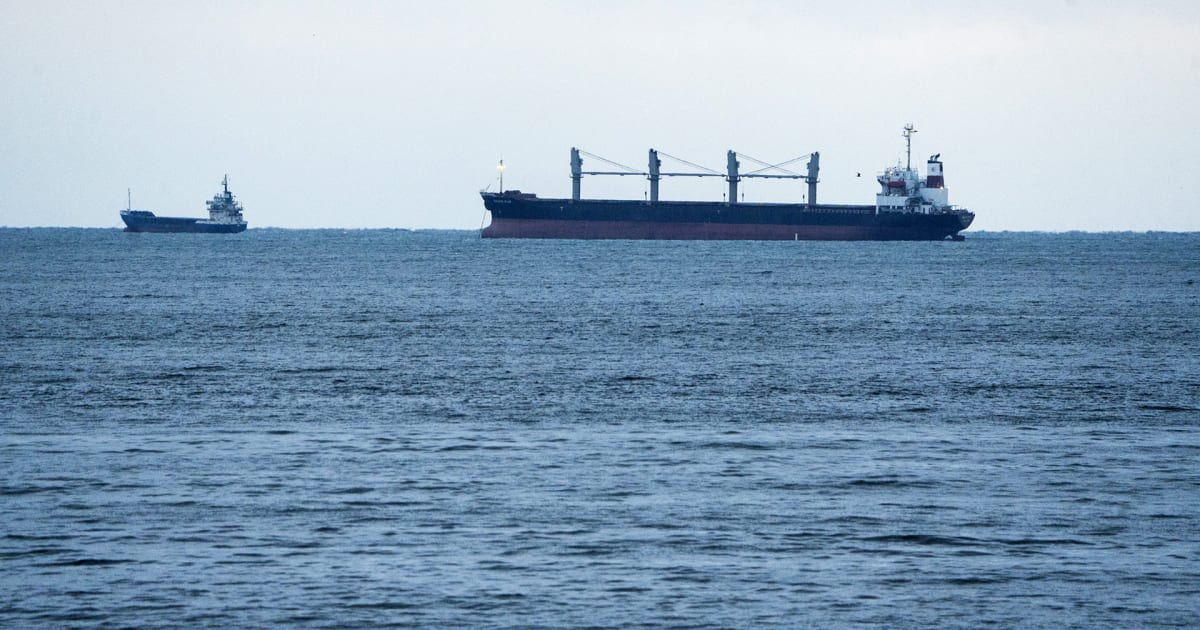
- Most Western-linked ships are likely to continue using the Cape of Good Hope route rather than the Red Sea and Suez Canal over the next 1-3 months. A cited Saudi tanker example estimates that the Cape route adds about one month in transit and around US$2.5 million in fuel and canal costs. This outlook rests on reporting that most Western-linked ships have rerouted and on a think-tank assessment that Houthi efforts to disrupt Bab al-Mandab are intensifying; it does not establish that the channel is closed. (Confidence: medium · ASSESSED)
- I&W: Shipping advisories and transit counts show most Western-linked ships continuing to use the Cape route rather than the Red Sea and Suez Canal. (0-30 days)
- I&W: Transit counts show a sustained return of Western-linked ships to the Red Sea and Suez Canal for two consecutive weeks. (1-3 months)
- Available reporting does not establish Houthi control of the navigable Bab al-Mandab channel or its closure. Accounts of Yemeni government-force movements near Bab al-Mandab describe both a setback and a redeployment intended to strengthen Aden’s defence; those movement reports were read only in summary. The claim that the Houthis seized the strait appears in a social media post, while Akram Kamal Sirwi said ships continued to pass freely. (Confidence: low · ASSESSED)
- I&W: UKMTO or another named maritime authority reports commercial transits interrupted by Houthi action at Bab al-Mandab. (0-14 days)
- I&W: Verified reports document commercial vessels continuing to transit Bab al-Mandab without Houthi interference. (0-14 days)
Outlook & scenarios
Continued diversion without verified closure (60%)
Houthi claims of attacks on Saudi targets continue, while damage to those targets remains contested. Most Western-linked ships retain Cape of Good Hope routings, and commercial passage through Bab al-Mandab is not shown to have stopped.
Verified escalation at the strait (20%)
Houthi action interrupts commercial transit at Bab al-Mandab, or independently verified damage from attacks on Saudi targets prompts a wider security response. Shipping operators extend Cape diversions and route disruption deepens.
Limited return to Red Sea routing (15%)
Houthi-Saudi attacks subside and published shipping advisories reflect improved confidence in passage. Some Western-linked ships resume Red Sea and Suez routings, but a broad return does not immediately follow.
Wildcard: effective interdiction of Bab al-Mandab (5%)
Verified Houthi action prevents commercial vessels from transiting Bab al-Mandab. Operators divert more broadly around the Cape of Good Hope, extending transit times and costs.
Recommendations
- Separate Houthi claims of successful strikes from confirmed damage. Seek Saudi government statements or independent imagery before assessing the effects at pumping stations 8 and 9, King Khalid International Airport, or Riyadh’s financial centre.
- Track shipping advisories and actual transit counts separately. Use the proportion of Western-linked ships on Cape versus Red Sea and Suez routings to assess whether route avoidance is easing.
- Do not describe Bab al-Mandab as under Houthi control or closed without independently verifiable reporting of interrupted commercial transits. Treat summary-only movement reports and social media claims as unconfirmed.
- Keep the 16-19 November attacks on TARA GAS and NAVIG8 MESSI in the Strait of Hormuz out of Red Sea and Bab al-Mandab incident assessments.
Confidence & uncertainty
Overall confidence is medium. Multiple media reports reproduce Yahya Saree’s statements about attacks on Saudi targets, and coalition reporting provides a separate account of interceptions, but neither confirms damage and the reports conflict on weapon type. The shipping diversion assessment relies mainly on think-tank reporting, while the Bab al-Mandab position is less certain: movement accounts were read only in summary and the claim of Houthi control comes from social media, opposed by a local-media account describing continued passage.
Intelligence gaps
- [EEI 1.1 · PARTIAL] Incidents of hostile action against commercial vessels: vessel name/IMO, position (lat/long), time/date, observable damage or casualties, and weapon type reported (missile, drone, small-arms, explosive-laden boat). Recommended collection: maritime/AIS
- [EEI 1.2 · PARTIAL] Public Houthi claims of attacks or warnings tied to specific dates/routes, including social-media posts, official statements, and timing relative to merchant transits. Recommended collection: open-source/social_media
- [EEI 1.3 · UNCOVERED] Unusual Houthi force posture indicators along Yemen’s Red Sea coast: movement or concentration of small boats, visible coastal missile/rocket emplacements, or logistics buildup at known launch sites (locations, timestamps). Recommended collection: imagery/satellite
- [EEI 1.4 · UNCOVERED] Intercepts or communications indicating orders, targeting lists, or intent to strike merchant shipping (messages referencing specific vessel classes, companies, or chokepoints). Recommended collection: signals/communications
- [EEI 2.1 · UNCOVERED] Reports or visual confirmation of floating or moored mines and debris fields in shipping lanes or approaches to Bab-el-Mandeb, with geolocation and time. Recommended collection: imagery/satellite
- [EEI 2.2 · UNCOVERED] Detection of mine-laying activity: small vessels loitering in lane approaches, unexpected AIS track patterns consistent with mine deployment, or salvage/mining vessels operating in the area. Recommended collection: maritime/AIS
- [EEI 2.3 · UNCOVERED] Hydrographic notices, naval warnings, or port authority advisories closing lanes or imposing route restrictions (text of Notice to Mariners, issuing agency, effective times/areas). Recommended collection: naval/port_authority
- [EEI 2.4 · UNCOVERED] Naval or commercial reports of mine-countermeasure operations or confirmed mine removal events (location, time, platforms involved). Recommended collection: naval/intelligence
- [EEI 3.1 · PARTIAL] Movements and presence of foreign warships and support vessels: names/classes, task group compositions, patrol areas and timelines, and whether vessels are conducting escort or interdiction operations. Recommended collection: naval/intelligence
- [EEI 3.2 · PARTIAL] Official announcements or directives from states/coalitions regarding convoys, armed escorts, protected corridor establishment, or changes to rules of engagement for merchant protection. Recommended collection: diplomatic/public_affairs
- [EEI 3.3 · UNCOVERED] Recorded interactions between naval forces and vessels in the corridor (hailings, boardings, warnings, defensive strikes), including timestamps and outcomes. Recommended collection: maritime/AIS
- [EEI 3.4 · UNCOVERED] Planned or ongoing multinational exercises, air ISR sorties, or logistics moves that increase or decrease naval capacity in the area (exercise name, participating units, dates, locations). Recommended collection: open-source/military_reporting
- [EEI 4.2 · PARTIAL] War-risk and hull insurance coverage changes: issuance refusals, premium increases for Red Sea transits, or explicit route exclusions by underwriters (policy notices or market rate data with dates). Recommended collection: commercial/insurance_data
- [EEI 4.3 · UNCOVERED] Freight and charter market signals tied to the corridor: spot rates for container, tanker, and dry bulk routes affected by Red Sea disruptions, and reported port congestion or turnaround-time increases at nearby hubs. Recommended collection: commercial/market_data
- [EEI 4.4 · UNCOVERED] Incidents of cargo denial or diversion for critical goods (crude oil, refined products, LNG, high-value container cargo) including vessel IDs, cargo type, reroute/turnback actions, and economic impact estimates where available. Recommended collection: maritime/AIS
Red cell review: CONCUR WITH COMMENT
TLP:CLEAR