TLP:CLEAR, Disclosure is not limited.
Red Sea Shipping: Houthi Ban, Armed‑Skiff Incident off Yemen, and Suez Canal Uptick as Hormuz Disruptions Persist
Time window: Last 7 days · Audience: General analyst · Type: Situation report · DTG: 2026-06-11 09:30Z · Overall confidence: MEDIUM
BLUF
Houthi authorities very likely intend to exert near‑term pressure on Israeli‑linked shipping in the Red Sea following their 8 June ban and threats, while the 10 June armed‑skiff approach 88 nm southwest of Balhaf appears piracy‑style rather than Houthi‑directed. Disruptions at the Strait of Hormuz are likely diverting more energy traffic toward Suez ahead of a 15 July transit‑surcharge hike.
Executive summary
On 8 June, Houthi spokesman Brig. Gen. Yahya Saree declared a total ban on Israeli maritime navigation in the Red Sea and warned that any Israeli target would be attacked; reporting also noted the ban on 10 June. The Houthis resumed strikes on Israel, with two missiles launched on 8 June and a UAV intercepted near Eilat on 9 June. On 10 June, a cargo vessel reported a small craft carrying six armed men approaching about 88 nautical miles southwest of Balhaf, Yemen; after an exchange of fire with the ship’s armed security team, the craft broke off. UKMTO logged the incident and issued Warning 065‑26; the Houthis have not claimed responsibility. Meanwhile, disruptions at the Strait of Hormuz are associated with increased reliance on the Red Sea route: in April 2026 the Suez Canal handled 529 oil‑tanker transits (+28% y/y) and $419 million in revenue, and the Suez Canal Authority will raise transit surcharges effective 15 July. The operating environment around Yemen remains high‑risk for U.S. persons and commercial activity, with U.S. advisories citing terrorist violence, kidnapping targeting foreigners, inadequate port anti‑terrorism measures, and ongoing FAA restrictions for Yemen airspace.
Change from previous assessment
Initial assessment of this topic for this run window: incorporates the Houthis’ 8 June ban and threats, resumed 8-9 June strikes on Israel, UKMTO Warning 065‑26 on the 10 June armed‑skiff approach 88 nm southwest of Balhaf without a Houthi claim, Suez Canal April 2026 traffic/revenue increases, and the Suez Canal Authority’s 15 July surcharge decision; it also notes reported disruptions at the Strait of Hormuz as a driver of Red Sea routing.
Key judgments
- The Houthis are very likely to apply near‑term enforcement pressure against Israeli‑linked shipping in the Red Sea, as evidenced by their 8 June declaration of a total ban and explicit warnings that any Israeli target will be attacked, alongside renewed missile and UAV launches toward Israel on 8-9 June. (Confidence: medium · ASSESSED)
- I&W: Official Houthi communiqués naming specific Israeli‑linked hulls or claiming interdictions near Bab‑el‑Mandeb. (0-14 days)
- I&W: Absence of UKMTO reports of approaches to Israeli‑linked ships and no Houthi statements on targeting for an extended period. (1-3 months)
- The 10 June armed‑skiff approach roughly 88 nautical miles southwest of Balhaf is likely piracy‑style rather than Houthi‑directed, given the small‑craft profile, a brief small‑arms exchange and attacker break‑off, UKMTO’s warning issuance, and the absence of any Houthi claim. (Confidence: medium · ASSESSED)
- I&W: Further UKMTO advisories describing similar small‑craft approaches with small‑arms fire and rapid disengagement in the Gulf of Aden. (0-14 days)
- I&W: A Houthi claim of responsibility naming the 10 June incident or evidence of missile/UAV use against shipping in the same area. (0-14 days)
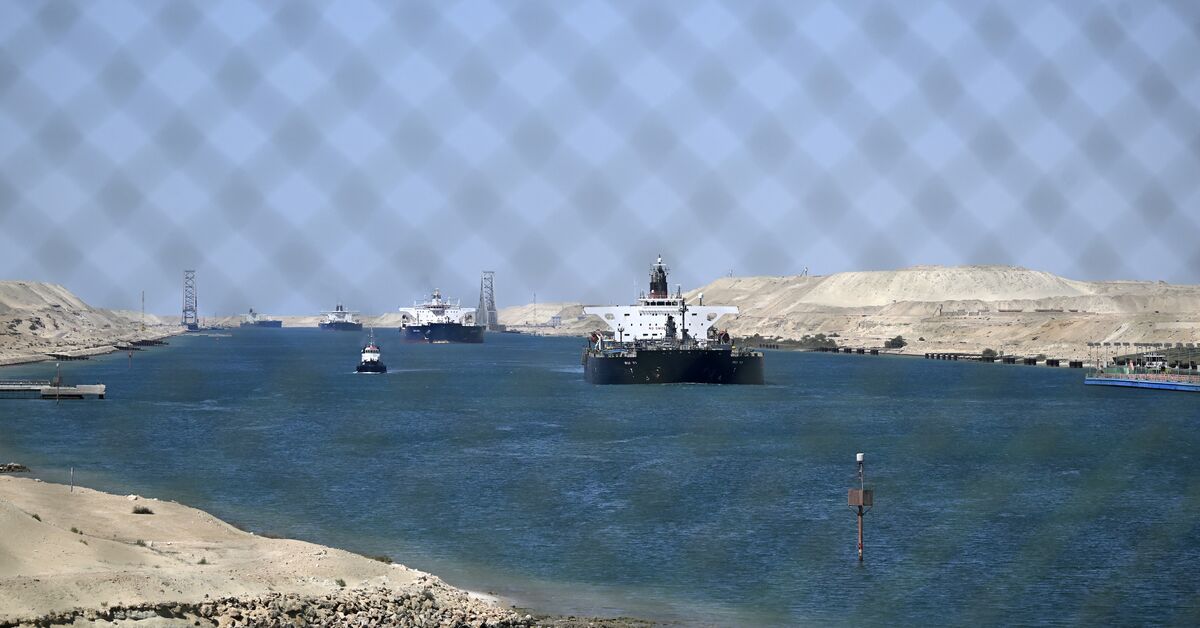
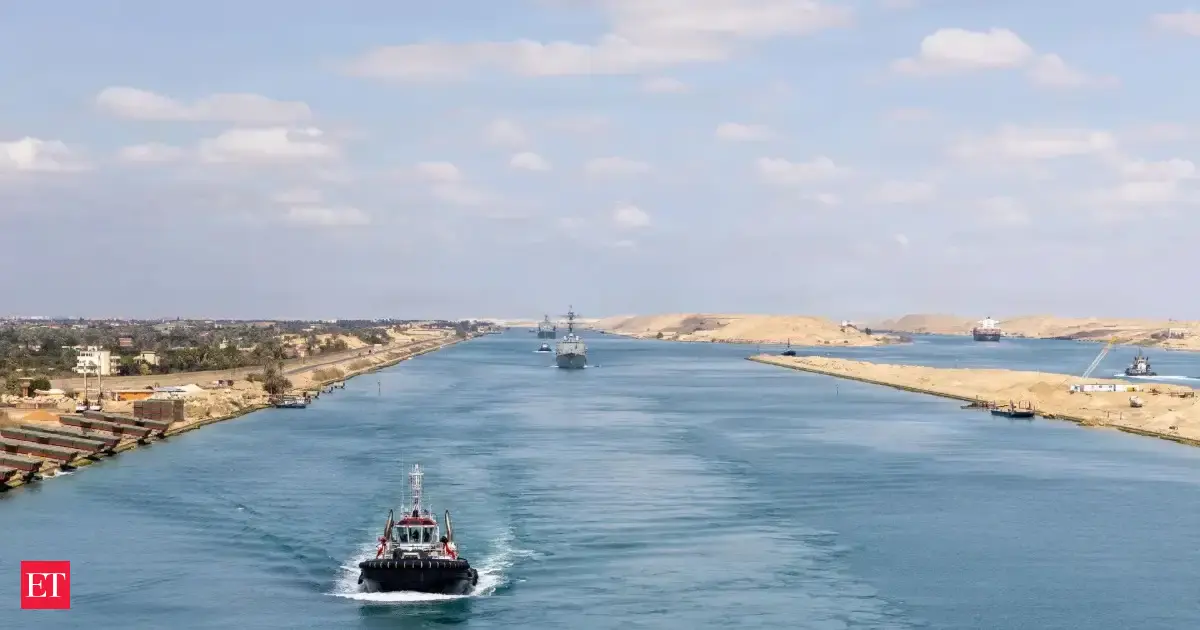
- Disruptions at the Strait of Hormuz are likely diverting energy shipments toward the Red Sea route, contributing to a 28% year‑over‑year rise to 529 oil‑tanker transits and $419 million in Suez Canal revenue in April 2026. (Confidence: medium · ASSESSED)
- I&W: Suez Canal monthly statistics continue to show elevated oil‑tanker transits (near or above April 2026 levels). (1-3 months)
- I&W: Maritime notices or official statements confirm the reopening of Hormuz with a measurable rebound in Gulf export flows. (1-3 months)
- The Suez Canal Authority will increase transit surcharges from 15 July 2026, which is likely to raise costs for vessels choosing the Red Sea, Suez routing during ongoing Hormuz disruptions. (Confidence: medium · ASSESSED)
- I&W: Publication and implementation of the SCA fee circular and carrier advisories reflecting higher surcharges. (0-1 month)
- I&W: Deferral or cancellation of the announced surcharge increase by the SCA. (0-1 month)
- The maritime operating environment around Yemen remains high‑risk for U.S. persons and commercial activity, with U.S. advisories citing persistent terrorist violence and kidnapping threats, Yemeni ports’ lack of effective anti‑terrorism measures, and ongoing FAA restrictions for Yemen airspace. (Confidence: high · REPORTED)
- I&W: Continuation or escalation of U.S. travel advisories and USCG/Yemen port security determinations. (1-3 months)
- I&W: U.S. government revises or rescinds Yemen‑related travel and aviation restrictions or port security determinations. (3-6 months)
Outlook & scenarios
Managed risk: selective Houthi pressure and sporadic small‑craft incidents; Suez remains the preferred route, 60%
Houthi statements and occasional attempts against Israeli‑linked shipping continue, but most commercial traffic transits with caution. UKMTO logs intermittent small‑craft approaches in the Gulf of Aden typical of piracy TTPs, while major carriers keep using Suez due to Hormuz disruptions. The SCA surcharge from 15 July marginally increases voyage costs but does not materially alter routing.
Escalation at Bab‑el‑Mandeb disrupts flows, 40%
Houthi enforcement escalates from threats to successful strikes on an Israeli‑linked vessel near Bab‑el‑Mandeb, prompting multiple operators to reroute around Africa. UKMTO advisories and insurance premiums spike, and the Red Sea corridor experiences reduced throughput despite Suez availability and Hormuz uncertainty.
De‑escalation lowers threat to shipping, 20%
Houthi maritime activity declines after political messaging achieves perceived aims or external pressure mounts. UKMTO incident rates fall, and Israeli‑linked hulls face fewer direct threats. If Hormuz restrictions ease, energy flows partially rebalance, tempering the need for Red Sea reliance despite SCA surcharges.
Recommendations
- For Israeli‑linked or potentially misidentified hulls transiting Bab‑el‑Mandeb, sequence transits during daylight where feasible, maintain maximum CPA from Yemeni shores, and coordinate closely with UKMTO reporting and guidance.
- Direct operators to register Red Sea/Gulf of Aden transits with UKMTO and immediately report any suspicious approach; ensure bridge teams are briefed on recent small‑craft TTPs observed 88 nm southwest of Balhaf on 10 June.
- Where policy and flag allow, consider embarking vetted armed security teams; the 10 June incident indicates such teams can deter small‑craft threats through controlled defensive response.
- Update voyage economics to incorporate the Suez Canal Authority’s 15 July surcharge increase; pre‑plan alternate routings (e.g., around Africa) and bunker strategies to preserve schedule reliability if Red Sea risk escalates.
- Reconfirm corporate exposure to Houthi designations and FTO‑related compliance, and avoid any calls at Yemeni ports given U.S. Coast Guard findings on inadequate anti‑terrorism measures.
- Maintain an open‑source watch for Houthi spokesman communiqués naming ships, UKMTO warnings, and official notices on the status of the Strait of Hormuz to adjust routing and insurance decisions in near‑real time.
Confidence & uncertainty
Overall confidence is medium. Core elements are supported by multiple credible sources: the Houthi ban and threats (major media), resumed strikes on Israel (widely reported), the UKMTO‑logged 10 June skiff incident (reported via reputable outlets), and Suez Canal traffic/revenue data (converging reports). Assessments on intent and likely diversion via Suez rest on inference from consistent but partly second‑hand reporting and claims with some timeline discrepancies (e.g., ban announcement referenced on 8 vs 10 June; descriptions of Hormuz as effectively shut vs newly declared closed on 11 June). The nature of the 10 June attack remains moderately uncertain absent a claimant and forensic detail.
Alternative analysis (red cell)
The evidence does not yet establish that Houthi political declarations equate to organized, near‑term maritime interdiction of Israeli‑linked shipping in the Red Sea; the June missile/UAV strikes against Israel show intent against Israel but not sustained naval enforcement. The June 10 armed‑skiff event lacks forensic attribution and could plausibly be Somali piracy or Houthi/proxy action. Suez traffic and revenue increases are real but attributing the rise primarily to Hormuz closures is contestable without route‑level AIS and operator confirmations.
Intelligence gaps
- [EEI 1.1 · UNCOVERED], recommended collection: maritime/AIS; UKMTO/IMB incident reports; shipping company reports
- [EEI 1.2 · UNCOVERED], recommended collection: official statements; social media channels affiliated with the group; local media
- [EEI 1.3 · UNCOVERED], recommended collection: satellite imagery; local media; commercial imagery analysis
- [EEI 1.4 · UNCOVERED], recommended collection: signals/communications intelligence; allied partner reports
- [EEI 2.1 · UNCOVERED], recommended collection: maritime/AIS; commercial vessel tracking services
- [EEI 2.2 · UNCOVERED], recommended collection: port authority notices; shipping company voyage reports; terminal data
- [EEI 2.3 · UNCOVERED], recommended collection: insurance market reports; shipowner/charterer advisories; shipping industry publications
- [EEI 2.4 · UNCOVERED], recommended collection: naval/maritime safety warnings; UKMTO; local port notices
- [EEI 3.1 · UNCOVERED], recommended collection: maritime/AIS; naval press releases; satellite imagery
- [EEI 3.2 · UNCOVERED], recommended collection: official statements; defence ministry briefings; coalition communiqués
- [EEI 3.3 · UNCOVERED], recommended collection: official military reports; local media; open-source incident tracking
- [EEI 3.4 · UNCOVERED], recommended collection: official statements; satellite imagery; local media
Cited sources
[1] ttnews.com, Suez Canal Gets Oil Tanker Boost Amid Hormuz Strait Shutdown - TT (B) · sha256:8b0af594eb0b [2] easternherald.com, Gunfight at Sea Off Yemen: Who Really Attacked That Cargo Ship? (B) · sha256:44f11081eb97 [3] Jerusalem Post, Cargo vessel exchanges fire with armed craft off of Yemen, UKMTO reports (A) · sha256:1a1ed7d4b8ce [4] Wikipedia, 2026 Houthi strikes on Israel (B) · sha256:54e4427f70e0 [5] al-monitor.com, Suez Canal traffic soars as Hormuz disruptions reroute energy trade (B) · sha256:36bfcde09432 [6] africa.businessinsider.com, Suez Canal traffic jumps nearly 30% as Strait of Hormuz disruption pushes more oil shipments through Egypt (B) · sha256:e6b22d964c62 [7] Economic Times, Suez Canal sees oil tanker surge amid Strait of Hormuz disruption (A) · sha256:0b3b462779cc [8] U.S. Department of State, Yemen Travel Advisory | Travel.State.gov (A) · sha256:d87365caec69 [9] U.S. Department of State, Oman Travel Advisory | Travel.State.gov (A) · sha256:ca9e5f8de5d8
Source content hashes were computed at collection time; the cited text is preserved unmodified for the life of this product.
Red cell review: PARTIAL DISSENT
TLP:CLEAR