TLP:CLEAR · Disclosure is not limited.
Red Sea shipping: Houthi risk endures as carriers test a cautious Suez return, with Hormuz near a standstill
Time window: Last 7 days · Audience: General analyst · Type: Situation report · DTG: 2026-07-10 01:11Z · Overall confidence: MEDIUM
BLUF
Houthi-driven risk to Red Sea and Bab el-Mandeb traffic remains elevated while some container lines, led by Maersk, are only probing a narrow Suez reopening. The near standstill in the Strait of Hormuz and the strike on LNG carrier Al Rekayyat are likely to keep owners risk averse and premiums high, limiting a rapid return to routine Red Sea routings.
Executive summary
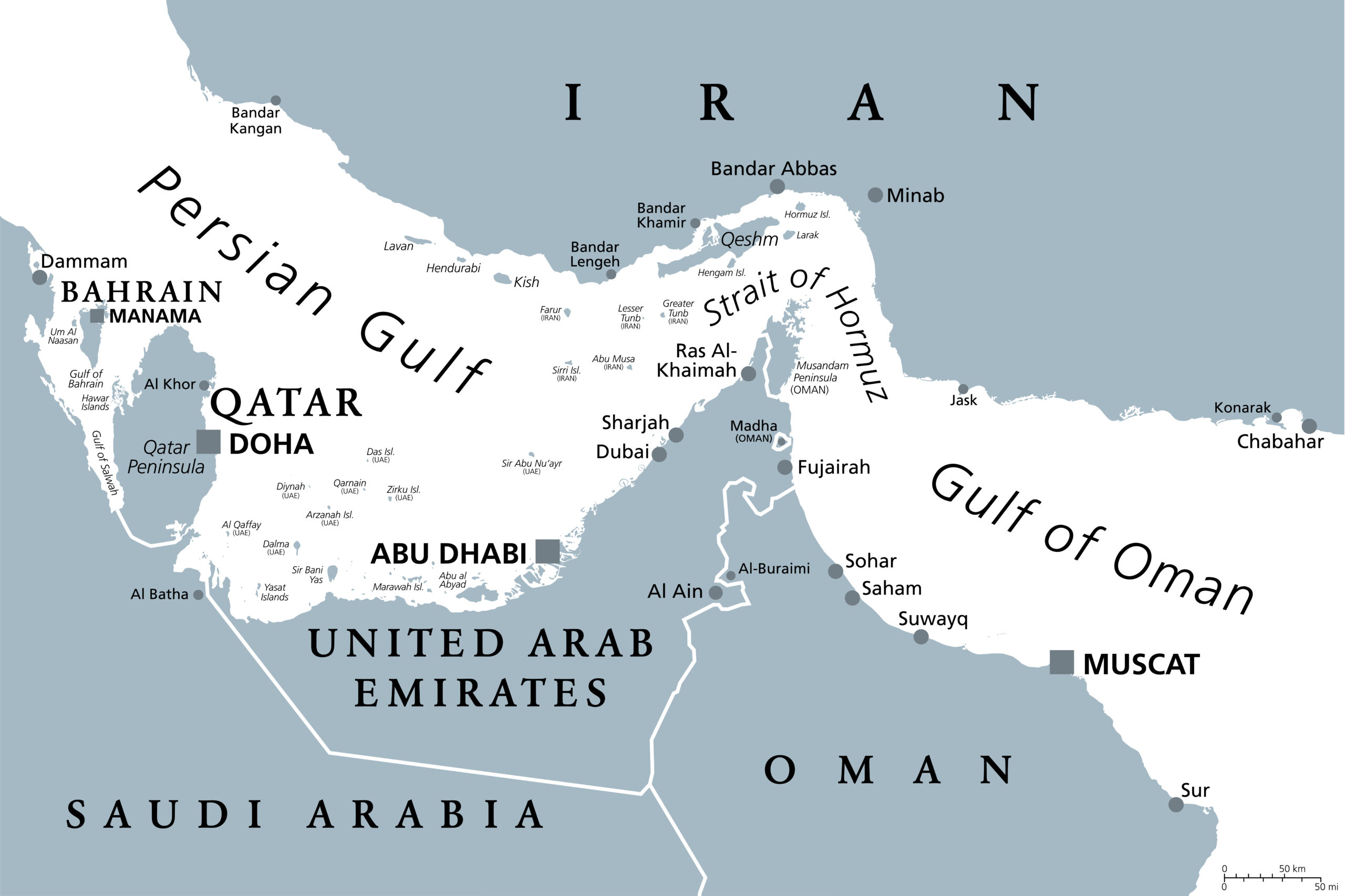
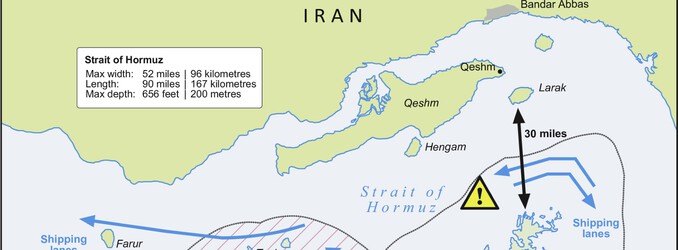
Reporting continues to show sustained Houthi threat activity, including past hijackings and hostages, and international condemnation. Against that backdrop, Maersk has announced the resumption of a single Middle East to U.S. East Coast service via the Suez Canal and trade reporting notes others are only considering a gradual return. In parallel, shipping through the Strait of Hormuz has ground to a near halt after renewed U.S., Iran strikes, with just two tankers transiting in the early hours of 9 July and LNG carrier Al Rekayyat still stranded off Oman after a projectile strike. Marine insurers report fewer inquiries for Hormuz passages and rising war risk costs. NASA FIRMS shows only two thermal anomalies in the Red Sea over 48 hours and, as NASA cautions, such detections record heat rather than cause and require incident corroboration. Overall, Red Sea risk remains high and any normalisation will be selective and contingent on developments in both theatres.
Change from previous assessment
Since the 9 July brief, shipping through Hormuz has been reported at or near a standstill, with only two tankers transiting early on 9 July and an LNG carrier still stranded off Oman after a projectile strike, and insurers reporting fewer inquiries and higher costs. New this cycle, Maersk announced a limited resumption of one Suez service and trade reporting noted some carriers are only considering a gradual return. NASA FIRMS recorded two Red Sea thermal anomalies in 48 hours, reaffirming the need for corroboration. Our core judgment that Red Sea risk remains elevated is unchanged; we add a judgment on selective Suez re-entry and maintain caution on using thermal detections as standalone evidence.
Key judgments
- The maritime threat to commercial shipping in the Red Sea and Bab el-Mandeb is very likely to remain elevated, anchored in Houthi actions including hijacking two ships and holding 36 crew and reinforced by UN condemnations of Houthi attacks and the industry’s earlier withdrawal from Suez routings. (Confidence: high · ASSESSED)
- I&W: Another verified Houthi boarding, missile, or drone attack against a merchant vessel in the Red Sea or Bab el-Mandeb reported by a major wire service. (0-14 days)
- I&W: Published schedules showing multiple weekly Suez services restored by more than one global container line without additional Red Sea security incidents. (1-3 months)
- Container lines are testing a narrow reopening of Suez routings, but a broad return to routine Red Sea transits is unlikely in the near term; Maersk has reinstated a single Middle East to U.S. East Coast service via Suez and others are only considering a gradual return. (Confidence: medium · ASSESSED)
- I&W: Maersk operates the reinstated Suez service on scheduled weekly rotations for at least four consecutive weeks. (1-2 months)
- I&W: Maersk suspends the reinstated service or issues fresh Red Sea avoidance guidance following a new security incident. (0-30 days)
- The near standstill of shipping in the Strait of Hormuz since 7-9 July is likely to keep shipowners risk averse about adding Red Sea exposure and to sustain elevated war risk pricing. (Confidence: medium · ASSESSED)
- I&W: Marine war underwriters maintain or raise additional premiums for Red Sea and Hormuz transits above early-July levels. (1-3 months)
- I&W: Daily Hormuz transits rebound toward about 40 ships and brokers report renewed quoting interest for Hormuz and Suez passages. (0-30 days)
- Thermal hotspots detected over the Red Sea in the last 48 hours almost certainly cannot, by themselves, verify an attack at sea; FIRMS records heat rather than cause and should be treated as corroborative input alongside incident reporting. (Confidence: high · ASSESSED)
- I&W: Additional FIRMS Red Sea thermal anomalies appear without matching incident reports from shipping operators or wire services. (0-14 days)
- I&W: A maritime authority formally adopts FIRMS hotspot detection as sufficient evidence to confirm a Red Sea attack. (1-3 months)
- Vessels with links to Israel are at heightened risk on Red Sea lanes, consistent with Houthi statements that Israel-linked ships are targets and reports that the group resumed attacks on Israel in 2026, though this rests on single-source and again-contested reporting. (Confidence: low · ASSESSED)
- I&W: A verified Houthi claim naming or striking an Israel-linked vessel transiting the Red Sea or Bab el-Mandeb. (1-3 months)
- I&W: A public Houthi statement narrowing targets and signalling de-escalation away from Israel-linked commercial shipping. (1-3 months)
Outlook & scenarios
Holding pattern: elevated Red Sea risk with selective Suez re-entry (60%)
Houthi threat activity continues at a low-to-moderate tempo, deterring a broad return to Bab el-Mandeb by major carriers. Maersk maintains its reinstated Suez service and one or two peers trial limited routings, but widespread schedules remain diverted. War risk pricing stays elevated as Hormuz traffic normalises only gradually from a near standstill.
Cross-theatre escalation disrupts both chokepoints (40%)
Additional hijackings or projectile attacks in the Red Sea coincide with persistent Hormuz disruptions and turnbacks. Insurers raise rates further, carriers pause Suez pilot services, and longer Cape routings dominate. Crew evacuations and incident-related strandings recur.
Gradual normalisation via Suez (30%)
Security incidents in the Red Sea subside, Hormuz traffic rebounds, and container lines expand Suez-based services from limited pilots to broader schedules. War risk premiums ease, though operators retain heightened watch and routing constraints for higher-risk ownership profiles.
Recommendations
- Sustain a daily watch on carrier advisories and schedules for Suez services, led by Maersk’s reinstated Middle East, U.S. East Coast loop, and prepare to adjust the Red Sea risk baseline if weekly rotations hold through a full month.
- Track war risk pricing and broker sentiment for Red Sea and Hormuz transits; capture quoted additional premium ranges week by week and brief if rates rise further or if brokers report renewed quoting interest.
- Treat FIRMS thermal detections as cues only. Require corroboration from wire reporting, operator statements, or recognised maritime alerting channels before issuing incident alerts or adjusting posture.
- Prioritise collection on Houthi maritime intent and targeting, with focused monitoring for any naming of Israel-linked vessels transiting Bab el-Mandeb.
- Maintain a cross-chokepoint lens. Use Hormuz traffic levels, turnbacks, and incident updates as leading indicators for Red Sea routing appetite and insurance behaviour.
Confidence & uncertainty
The brief draws on multiple high-reliability sources for core dynamics: wire and multilateral reporting that Hormuz traffic has been at or near a standstill, the strike and subsequent stranding of LNG carrier Al Rekayyat off Oman, insurer reports of reduced inquiries and higher costs, UN and industry condemnations of recent attacks, and a high-confidence report of Houthi hijackings with hostages. Some key elements, including Maersk’s limited Suez resumption and a possible gradual carrier return, come from trade publications with medium confidence. The assessment on elevated risk to Israel-linked vessels rests on single-source and again-contested reporting, lowering confidence there. Day-to-day traffic counts differ across 8-9 July, which we treat as temporal variation rather than contradiction. On balance this mix supports a medium overall confidence.
Alternative analysis (red cell)
Several judgments rely on limited or clustered sourcing and medium-confidence items that do not definitively establish enduring, systemic effects. An alternative, defensible interpretation is that recent incidents and statements have produced short-term disruption and elevated alerting, but available evidence does not yet demonstrate a persistent, industry-wide shift: some operators are experimenting with limited Suez transits, reporting on Strait of Hormuz traffic is inconsistent and partially single-sourced, and public declarations of targeting (e.g., Israel-linked vessels) lack incident-level corroboration. Additional independent AIS records, insurer transaction data, operator notices, and IMO/port incident logs are necessary to move from episodic disruption to a high-confidence forecast of sustained maritime threat and behavioral change.
Intelligence gaps
- [EEI 1.1 · UNCOVERED] Incidents of hostile action against commercial vessels: vessel name/IMO, position (lat/long), time/date, observable damage or casualties, and weapon type reported (missile, drone, small-arms, explosive-laden boat). Recommended collection: maritime/AIS
- [EEI 1.2 · UNCOVERED] Public Houthi claims of attacks or warnings tied to specific dates/routes, including social-media posts, official statements, and timing relative to merchant transits. Recommended collection: open-source/social_media
- [EEI 1.3 · UNCOVERED] Unusual Houthi force posture indicators along Yemen’s Red Sea coast: movement or concentration of small boats, visible coastal missile/rocket emplacements, or logistics buildup at known launch sites (locations, timestamps). Recommended collection: imagery/satellite
- [EEI 1.4 · UNCOVERED] Intercepts or communications indicating orders, targeting lists, or intent to strike merchant shipping (messages referencing specific vessel classes, companies, or chokepoints). Recommended collection: signals/communications
- [EEI 2.1 · UNCOVERED] Reports or visual confirmation of floating or moored mines and debris fields in shipping lanes or approaches to Bab-el-Mandeb, with geolocation and time. Recommended collection: imagery/satellite
- [EEI 2.2 · UNCOVERED] Detection of mine-laying activity: small vessels loitering in lane approaches, unexpected AIS track patterns consistent with mine deployment, or salvage/mining vessels operating in the area. Recommended collection: maritime/AIS
- [EEI 2.3 · UNCOVERED] Hydrographic notices, naval warnings, or port authority advisories closing lanes or imposing route restrictions (text of Notice to Mariners, issuing agency, effective times/areas). Recommended collection: naval/port_authority
- [EEI 2.4 · UNCOVERED] Naval or commercial reports of mine-countermeasure operations or confirmed mine removal events (location, time, platforms involved). Recommended collection: naval/intelligence
- [EEI 3.1 · UNCOVERED] Movements and presence of foreign warships and support vessels: names/classes, task group compositions, patrol areas and timelines, and whether vessels are conducting escort or interdiction operations. Recommended collection: naval/intelligence
- [EEI 3.2 · UNCOVERED] Official announcements or directives from states/coalitions regarding convoys, armed escorts, protected corridor establishment, or changes to rules of engagement for merchant protection. Recommended collection: diplomatic/public_affairs
- [EEI 3.3 · UNCOVERED] Recorded interactions between naval forces and vessels in the corridor (hailings, boardings, warnings, defensive strikes), including timestamps and outcomes. Recommended collection: maritime/AIS
- [EEI 3.4 · UNCOVERED] Planned or ongoing multinational exercises, air ISR sorties, or logistics moves that increase or decrease naval capacity in the area (exercise name, participating units, dates, locations). Recommended collection: open-source/military_reporting
- [EEI 4.1 · UNCOVERED] Transit volume and pattern changes: number of commercial transits per day/week through Bab-el-Mandeb and southern Red Sea compared with baseline, and instances of rerouting around Africa (position/time data). Recommended collection: maritime/AIS
- [EEI 4.2 · UNCOVERED] War-risk and hull insurance coverage changes: issuance refusals, premium increases for Red Sea transits, or explicit route exclusions by underwriters (policy notices or market rate data with dates). Recommended collection: commercial/insurance_data
- [EEI 4.3 · UNCOVERED] Freight and charter market signals tied to the corridor: spot rates for container, tanker, and dry bulk routes affected by Red Sea disruptions, and reported port congestion or turnaround-time increases at nearby hubs. Recommended collection: commercial/market_data
- [EEI 4.4 · UNCOVERED] Incidents of cargo denial or diversion for critical goods (crude oil, refined products, LNG, high-value container cargo) including vessel IDs, cargo type, reroute/turnback actions, and economic impact estimates where available. Recommended collection: maritime/AIS
Cited sources
[1] Wikipedia · Red Sea crisis (B) · sha256:00804569289e [2] insurancejournal.com · Damaged Qatari LNG Tanker Awaits Salvage After Strike as Hormuz Risks Escalate (A) · sha256:0bbcaa0db6aa [3] marinelink.com · Maersk Resumes Suez Canal Route From Middle East to US (C) · sha256:c850e319155b [4] kitco.com · Oil tanker traffic through Hormuz at near standstill as attacks strain Iran truce (A) · sha256:e0189168ac2e [5] worldoil.com · Hormuz shipping grinds to near halt amid renewed U.S.-Iran strikes (A) · sha256:023c97f8d0a0 [6] kitco.com · Oil tanker traffic through Hormuz at near standstill on fresh attacks (B) · sha256:e333c09ae4e9 [7] gcaptain.com · Hormuz War-Risk Cover Climbs as Shipowners Pull Back (B) · sha256:03376f4f3790 [8] NASA · NASA FIRMS thermal detections — Red Sea (2d) (A) · sha256:ba7d6b4046c9
Source content hashes were computed at collection time; the cited text is preserved unmodified for the life of this product.
Red cell review: PARTIAL DISSENT
TLP:CLEAR