TLP:CLEAR · Disclosure is not limited.
Red Sea Shipping: Selective Pressure, Uneven Route Returns
Time window: Last 7 days · Audience: General analyst · Type: Situation report · DTG: 2026-11-10 01:16Z · Overall confidence: HIGH
BLUF
Selective Houthi pressure on Red Sea access is likely to continue, but reported returns by Evergreen, Maersk, MSC, Hapag-Lloyd and COSCO show route re-entry rather than a general closure. The immediate watchpoint is Saudi-linked shipping amid renewed Saudi-Houthi hostilities; the reported Aramco Tower strike's date and damage remain disputed.
Executive summary
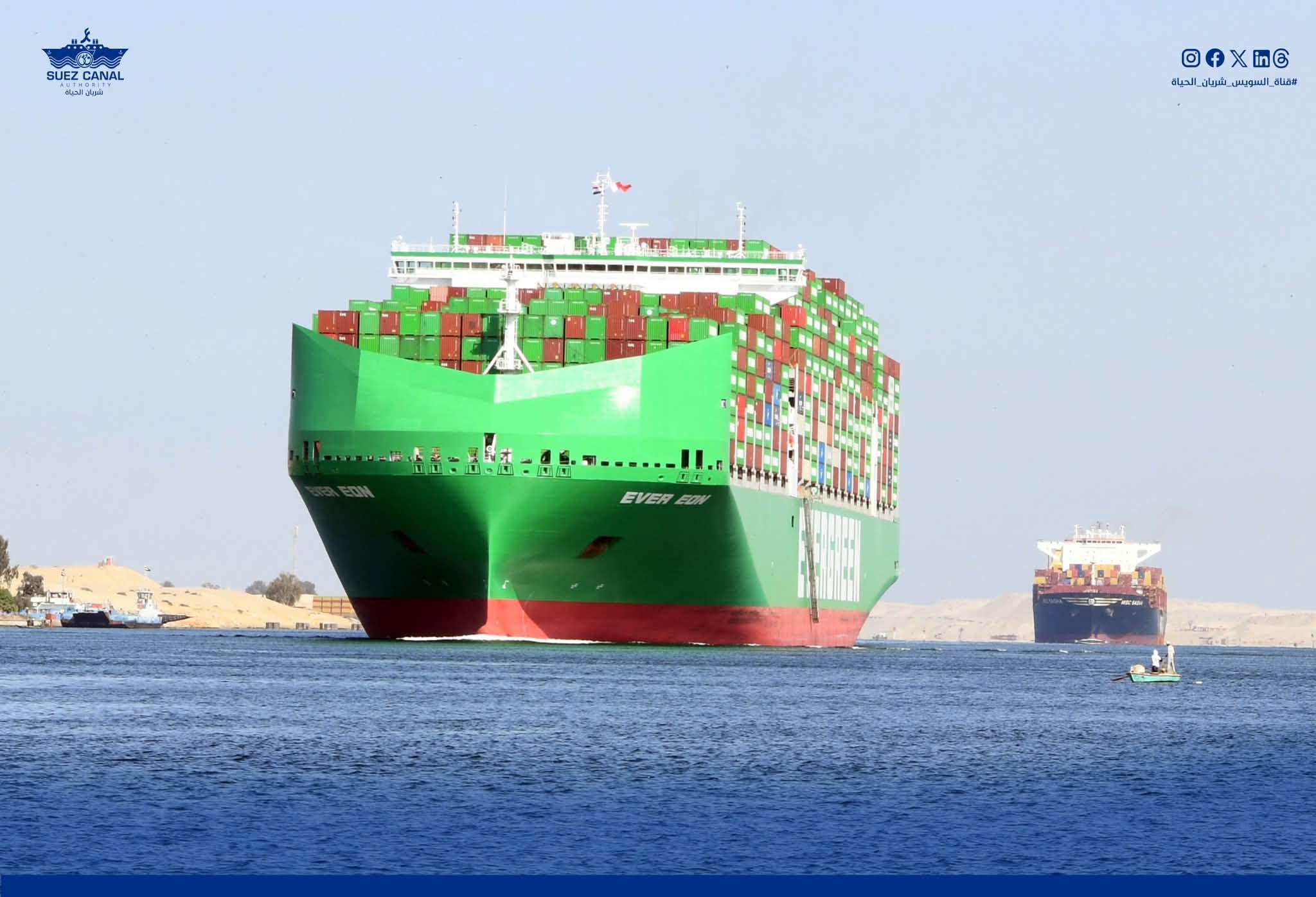
Between 3 November and 10 November 2026, shipping reports described Evergreen's return to the Red Sea and Suez, including a transit by its Ever Eon, and the return of Maersk, MSC, Hapag-Lloyd and COSCO. Other reporting says Zim remains out of the Red Sea and most traffic at Israel's Port of Eilat has shifted to Mediterranean ports. Separate reports describe a Houthi system for requesting passage, but its operating details have limited independent corroboration. Houthi attacks on Saudi targets and Saudi interceptions point to renewed cross-border hostilities. Accounts of the Aramco Tower strike differ on whether it occurred on 7 or 8 November and whether damage was minor or extensive. The evidence supports continued selective pressure and uneven commercial re-entry, not a demonstrated general closure of Bab al-Mandab.
Change from previous assessment
Since the 9 November prior brief, the main change is stronger reporting of commercial re-entry: Evergreen's Ever Eon completed a Suez transit, and reports list Maersk, MSC, Hapag-Lloyd and COSCO as returned to Red Sea service. This raises confidence that route re-entry is occurring, but not that traffic has normalised. The prior assessment of selective Houthi pressure and elevated risk to Saudi-linked shipping remains. The reported permission process remains weakly corroborated, and the Aramco Tower strike timeline and damage remain disputed.
Key judgments
- The Houthis are likely to continue selective management of Red Sea passage over the next 0-14 days rather than impose a general Bab al-Mandab closure. Reporting describes an email-based permission process, replies within 24 hours and a seven-day permit for a Chinese container ship. Earlier reporting described the Houthi embargo as applying to Saudi-flagged vessels, not shipping generally. Confidence is low because the operational details of the permission process have limited independent corroboration. (Confidence: low · ASSESSED)
- I&W: Confirm: A second named vessel receives a documented permit, or another operator reports using the same Houthi email channel and receiving a reply within 24 hours. (0-14 days)
- I&W: Break: Houthi authorities announce that commercial vessels of all flags may transit without permission, or announce a closure applying to all commercial shipping. (0-14 days)
- Red Sea and Suez traffic is likely to recover unevenly over the next 1-3 months, not return fully to its pre-2023 level. Trade reporting says Evergreen returned, the Ever Eon completed a Suez transit, and Maersk, MSC, Hapag-Lloyd and COSCO resumed Red Sea service; CMA CGM maintained service. The same reporting says Zim remains out and most Port of Eilat traffic has shifted to Mediterranean ports. A September 2026 estimate put Red Sea traffic about 60 per cent below its pre-2023 level. Confidence is medium: named carrier actions are reported, but there is no current aggregate transit count and much of the return reporting comes from trade media. (Confidence: medium · ASSESSED)
- I&W: Confirm: Suez Canal Authority records repeated completed transits by Evergreen and at least two of Maersk, MSC, Hapag-Lloyd and COSCO. (1-3 months)
- I&W: Break: Two or more of those named carriers announce suspension or rerouting of their Red Sea services. (0-14 days)
- The risk to Saudi-linked Red Sea shipping is likely to remain elevated over the next 0-14 days, but the available reporting does not establish a general closure of Bab al-Mandab or confirm a new commercial-vessel strike there during 3-10 November. The Houthis have declared an embargo against Saudi Arabia, and recent reporting describes missile and drone attacks on Saudi targets alongside Saudi interceptions. The Aramco Tower strike is attributed to Houthi forces, but reports place it on either 7 or 8 November and disagree over damage severity: Saudi officials described minor damage, while BBC-verified footage showed more extensive damage. Confidence is medium because the renewed threat is reported across several outlets, while the strike timeline and damage are contested and no new Bab al-Mandab merchant-vessel attack is confirmed in the reporting reviewed. (Confidence: medium · ASSESSED)
- I&W: Confirm: A Houthi statement or a verified incident report names a Saudi-flagged or Saudi-linked merchant vessel attacked in the southern Red Sea or near Bab al-Mandab. (0-14 days)
- I&W: Break: The Houthis publicly rescind the Saudi maritime embargo and named Saudi-linked operators report transiting Bab al-Mandab without seeking Houthi permission. (1-3 months)
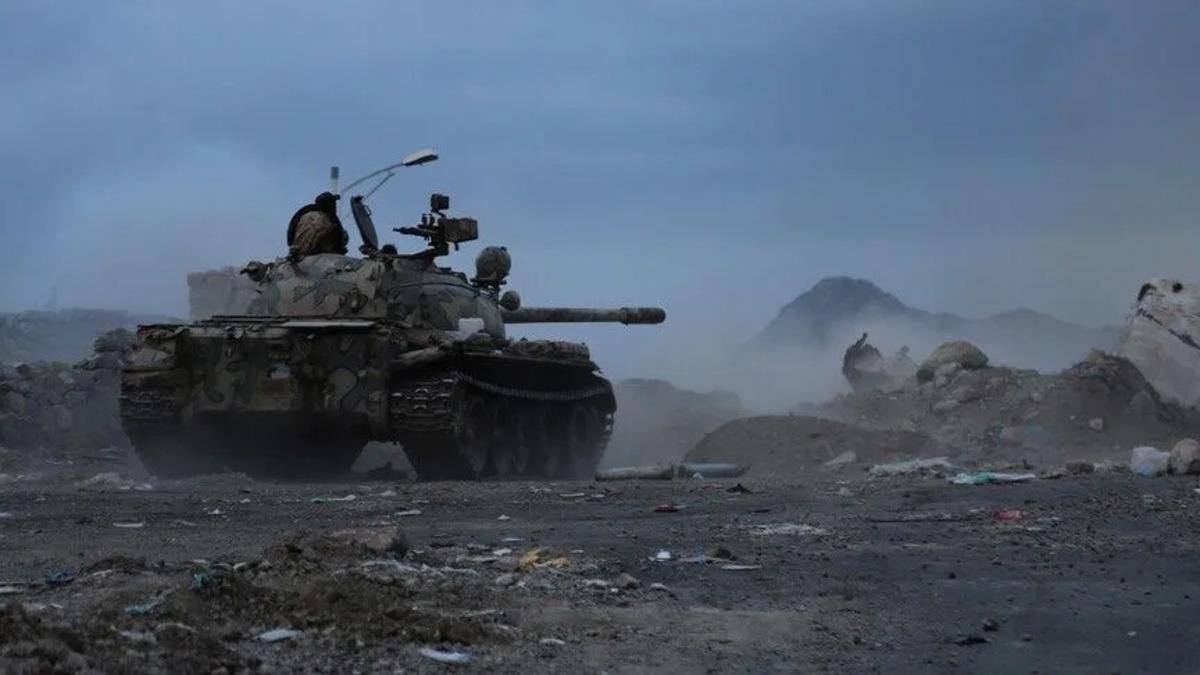
- Fighting on Yemen's fronts is likely to persist over the next 1-3 months, sustaining a volatile security environment but not, by itself, establishing Houthi control over Bab al-Mandab. Reporting says the government-backed Operation Dawn of Yemen began on 5 October, government forces advanced east of al-Hazm and seized positions at al-Muhawala in western Lahj, while the Houthis continue to besiege Taiz. The reported advances and casualty claims largely come from parties to the conflict, which lowers confidence in their scale and durability. (Confidence: medium · ASSESSED)
- I&W: Confirm: Yemen government forces report further advances around al-Hazm or al-Muhawala, with subsequent reporting indicating those positions remain held. (0-14 days)
- I&W: Break: A local ceasefire is announced and reporting records no clashes on the al-Jawf, Lahj and Taiz fronts for at least 14 days. (0-14 days)
Outlook & scenarios
Managed, selective access continues (65%)
This is the most likely outlook over the next 1-3 months. Houthi passage requests continue alongside selective transits, while Evergreen and other returning carriers maintain some Suez services. Zim remains out, and Saudi-linked shipping faces greater exposure than shipping generally. A general closure of Bab al-Mandab does not occur.
Renewed attacks prompt temporary carrier suspensions (25%)
An attack on a Saudi-linked commercial vessel or a further Houthi attack on Saudi infrastructure leads some carriers to pause Red Sea transits or reroute around the Cape of Good Hope. This outcome is unlikely, but it would interrupt the uneven route recovery without necessarily closing Bab al-Mandab to all shipping.
Houthi forces attempt a general Bab al-Mandab closure (10%)
This is a very unlikely, high-impact wildcard. The Houthis move from selective controls and a Saudi-focused embargo to attempts to stop commercial traffic generally, prompting widespread suspensions of Red Sea and Suez services.
Recommendations
- Maintain a daily tracker that separates completed Suez and Red Sea transits from carrier announcements. Record service changes by Evergreen, Maersk, MSC, Hapag-Lloyd, COSCO, CMA CGM and Zim.
- Treat Houthi transit permits as reported permissions, not evidence of safe passage. Record the vessel, flag, route, date and reported conditions, and seek operator or independent confirmation before treating the process as established.
- Keep Bab al-Mandab and Red Sea incidents analytically separate from Strait of Hormuz incidents. For each report, record the location, vessel, date, attributed actor and whether the event was independently confirmed.
- Escalate the assessment of risk to Saudi-linked shipping if a named vessel is attacked near Bab al-Mandab, the Houthis explicitly extend restrictions to all flags, or two or more named carriers suspend Red Sea services.
Confidence & uncertainty
Overall confidence is high for the broad situation because separate major-media and maritime-trade reporting streams cover carrier re-entry, renewed Saudi-Houthi exchanges and shipping-security concerns. Confidence is lower for specific details: the Houthi permission process has limited independent corroboration, current aggregate transit counts are unavailable, and reporting conflicts over the Aramco Tower strike date and damage. The high overall rating applies to the broad pattern, not every event detail.
Intelligence gaps
- [EEI 1.2 · PARTIAL] Public Houthi claims of attacks or warnings tied to specific dates/routes, including social-media posts, official statements, and timing relative to merchant transits. Recommended collection: open-source/social_media
- [EEI 1.3 · PARTIAL] Unusual Houthi force posture indicators along Yemen’s Red Sea coast: movement or concentration of small boats, visible coastal missile/rocket emplacements, or logistics buildup at known launch sites (locations, timestamps). Recommended collection: imagery/satellite
- [EEI 1.4 · PARTIAL] Intercepts or communications indicating orders, targeting lists, or intent to strike merchant shipping (messages referencing specific vessel classes, companies, or chokepoints). Recommended collection: signals/communications
- [EEI 2.1 · UNCOVERED] Reports or visual confirmation of floating or moored mines and debris fields in shipping lanes or approaches to Bab-el-Mandeb, with geolocation and time. Recommended collection: imagery/satellite
- [EEI 2.2 · UNCOVERED] Detection of mine-laying activity: small vessels loitering in lane approaches, unexpected AIS track patterns consistent with mine deployment, or salvage/mining vessels operating in the area. Recommended collection: maritime/AIS
- [EEI 2.3 · PARTIAL] Hydrographic notices, naval warnings, or port authority advisories closing lanes or imposing route restrictions (text of Notice to Mariners, issuing agency, effective times/areas). Recommended collection: naval/port_authority
- [EEI 2.4 · UNCOVERED] Naval or commercial reports of mine-countermeasure operations or confirmed mine removal events (location, time, platforms involved). Recommended collection: naval/intelligence
- [EEI 3.1 · UNCOVERED] Movements and presence of foreign warships and support vessels: names/classes, task group compositions, patrol areas and timelines, and whether vessels are conducting escort or interdiction operations. Recommended collection: naval/intelligence
- [EEI 3.2 · PARTIAL] Official announcements or directives from states/coalitions regarding convoys, armed escorts, protected corridor establishment, or changes to rules of engagement for merchant protection. Recommended collection: diplomatic/public_affairs
- [EEI 3.3 · UNCOVERED] Recorded interactions between naval forces and vessels in the corridor (hailings, boardings, warnings, defensive strikes), including timestamps and outcomes. Recommended collection: maritime/AIS
- [EEI 3.4 · UNCOVERED] Planned or ongoing multinational exercises, air ISR sorties, or logistics moves that increase or decrease naval capacity in the area (exercise name, participating units, dates, locations). Recommended collection: open-source/military_reporting
- [EEI 4.2 · UNCOVERED] War-risk and hull insurance coverage changes: issuance refusals, premium increases for Red Sea transits, or explicit route exclusions by underwriters (policy notices or market rate data with dates). Recommended collection: commercial/insurance_data
- [EEI 4.3 · UNCOVERED] Freight and charter market signals tied to the corridor: spot rates for container, tanker, and dry bulk routes affected by Red Sea disruptions, and reported port congestion or turnaround-time increases at nearby hubs. Recommended collection: commercial/market_data
- [EEI 4.4 · PARTIAL] Incidents of cargo denial or diversion for critical goods (crude oil, refined products, LNG, high-value container cargo) including vessel IDs, cargo type, reroute/turnback actions, and economic impact estimates where available. Recommended collection: maritime/AIS
Red cell review: CONCUR WITH COMMENT
TLP:CLEAR