TLP:CLEAR, Disclosure is not limited.
Red Sea SITREP: Houthi Ban on Israeli Shipping, Skiff Incident off Balhaf, and Suez Traffic Under Hormuz Closure
Time window: Last 7 days · Audience: General analyst · Type: Situation report · DTG: 2026-06-11 09:49Z · Overall confidence: MEDIUM
BLUF
Houthi authorities are very likely to apply near-term enforcement pressure against Israeli-linked shipping in the Red Sea after issuing a 8-10 June ban and warnings, while the 10 June armed-skiff approach 88 nm southwest of Balhaf was likely piracy-style rather than Houthi-directed. Energy flows are shifting toward the Red Sea, Suez corridor amid continued Strait of Hormuz disruption and Iran’s 11 June closure declaration, with Suez surcharges set to rise on 15 July.
Executive summary
Between 8-10 June, Houthi leaders declared a total ban on Israeli maritime navigation in the Red Sea and warned Israeli-linked vessels would be treated as military targets, coinciding with renewed Houthi missile/UAV activity against Israel. On 10 June, a cargo ship exchanged small-arms fire with an armed skiff about 88 nm southwest of Balhaf, Yemen; the assailants disengaged after the vessel’s security team returned fire, and UKMTO logged the incident and cautioned mariners. With the Strait of Hormuz effectively shut since 28 February and Iran declaring it closed on 11 June, Suez oil-tanker transits and revenues have increased, and the Suez Canal Authority plans to raise surcharges on 15 July. The operating environment around Yemen remains high risk per U.S. government advisories and FAA restrictions.
Change from previous assessment
Since the prior brief, new reporting indicates the Houthi ban is now in effect per Yahya Saree (10 June) and includes explicit warnings against Israeli-linked vessels; Israeli air defenses intercepted a Houthi UAV near Eilat (9 June) and rockets were fired at central Israel (10 June), reinforcing assessed intent. The 10 June skiff incident off Balhaf is now documented with UKMTO logging, a brief small‑arms exchange, and attacker break‑off. Open sources report Iran declared the Strait of Hormuz closed on 11 June, complementing earlier assessments of an effective shutdown since 28 February. Suez surcharge details now include a 25%→37% rate for crude/product tankers effective 15 July, and April 2026 figures confirm 529 tanker transits (+28% YoY) and $419 million revenue. These developments sustain earlier judgments on Houthi enforcement intent and piracy-style risks, increase confidence that diversions via Suez will persist, and add specificity on cost pressures. Initial assessment of this topic was issued minutes earlier; confidence levels are unchanged overall.
Key judgments
- The Houthis are very likely to pursue near-term enforcement pressure against Israeli-linked shipping in the Red Sea, following their 8-10 June ban declarations and explicit warnings, alongside renewed UAV and missile launches toward Israel. (Confidence: medium · ASSESSED)
- I&W: UKMTO warning or advisory citing a Houthi-attributed attempt to stop or board an Israeli-linked vessel in the Bab el-Mandeb corridor. (0-14 days)
- I&W: Absence of any Houthi-claimed naval enforcement or anti-ship munition activity near Bab el‑Mandeb for 30 consecutive days. (1-3 months)
- The 10 June armed-skiff approach about 88 nautical miles southwest of Balhaf was likely piracy-style opportunism rather than Houthi-directed, given the small-craft profile, close-range small-arms exchange, rapid break-off under embarked security fire, and UKMTO logging and caution. (Confidence: medium · ASSESSED)
- I&W: Additional UKMTO-reported skiff approaches in the same quadrant featuring small-arms fire and quick disengagement after onboard security response. (0-14 days)
- I&W: Official Houthi media claim credit for the 10 June approach with corroborating imagery or identifiers. (0-14 days)
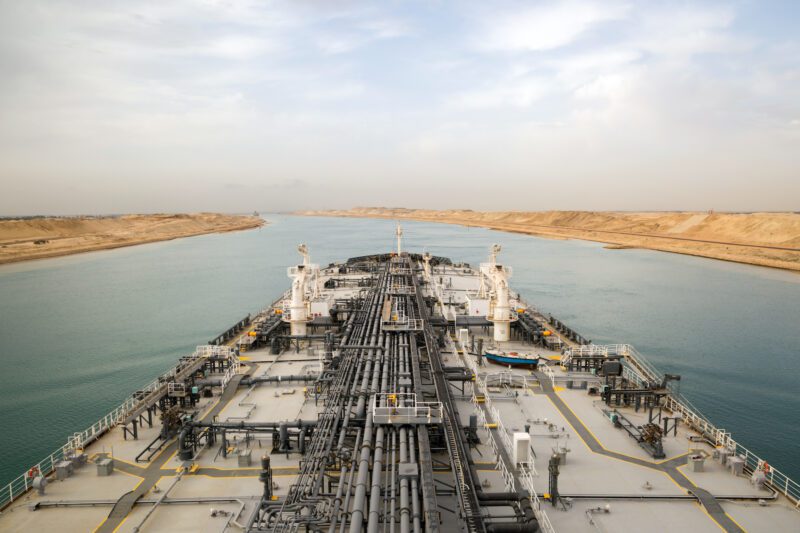
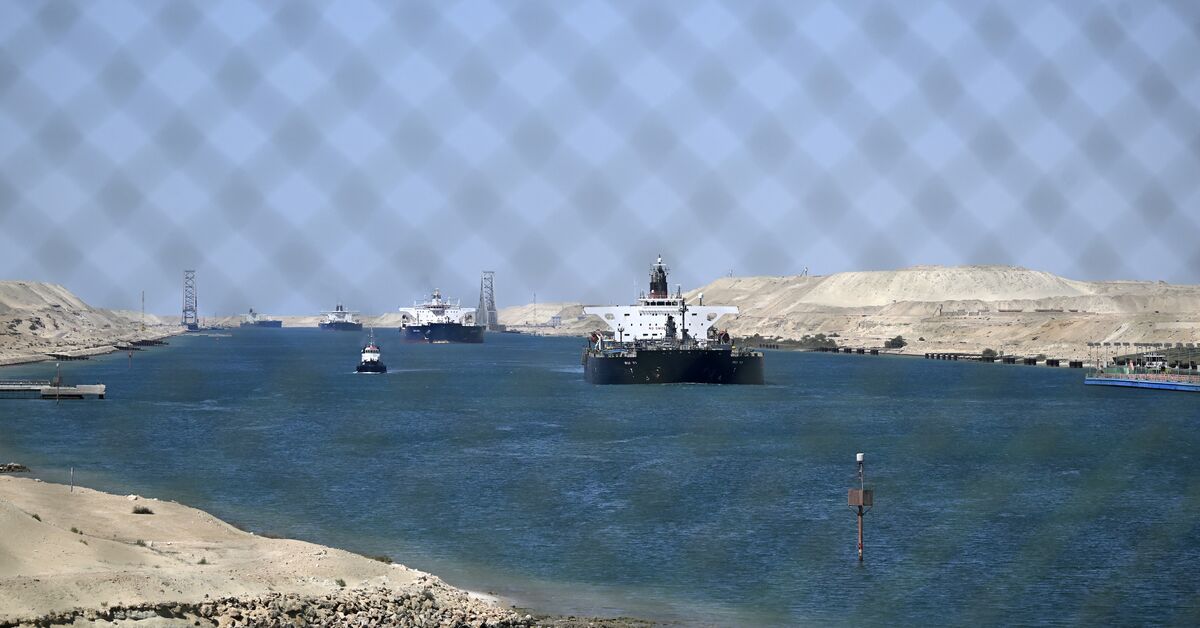
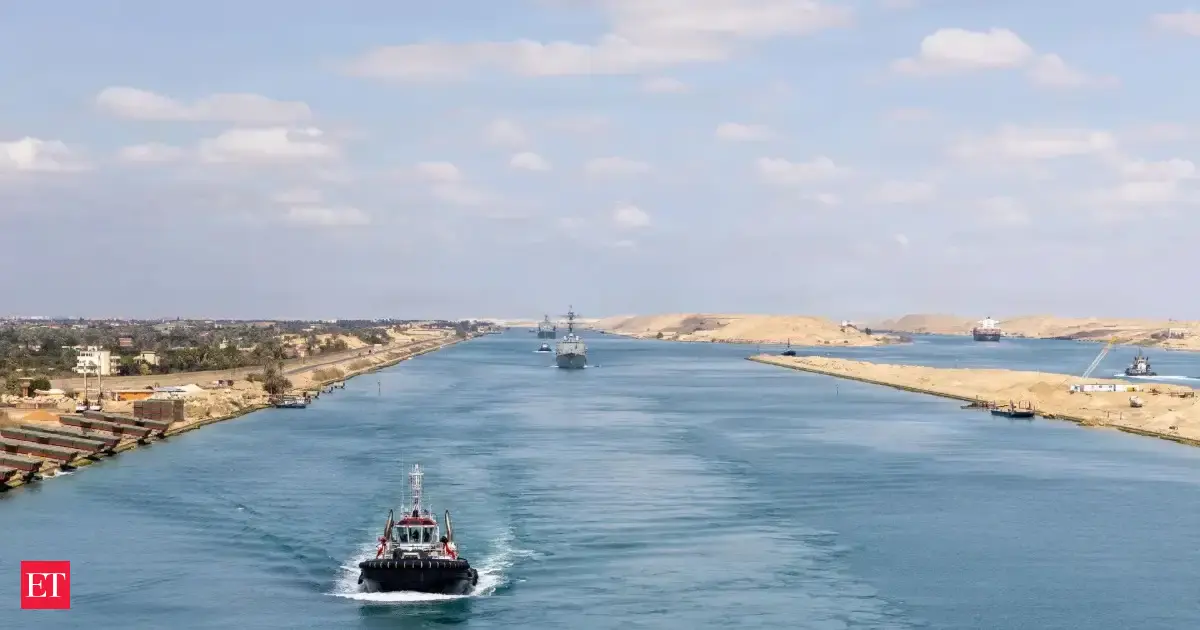
- Red Sea, Suez energy throughput is likely to remain elevated in the near term as the Strait of Hormuz remains effectively shut since 28 February and Iran declared it closed on 11 June; Suez handled 529 oil tankers in April 2026 (up 28% year-on-year) and generated $419 million that month, indicating sustained diversion. (Confidence: medium · ASSESSED)
- I&W: Suez Canal Authority monthly bulletins show >500 oil tanker transits in May/June 2026. (1-3 months)
- I&W: Verified convoys of laden tankers resume transits via Hormuz alongside a corresponding drop of Suez oil-tanker counts below ~450/month. (1-3 months)
- Transit surcharges for crude oil and product tankers via the Suez Canal will rise from 25% to 37% starting 15 July 2026, likely increasing delivered costs for vessels using the Red Sea, Suez routing during prolonged Hormuz disruption. (Confidence: medium · REPORTED)
- I&W: Suez Canal Authority circulars and invoices reflect the 37% surcharge from 15 July. (1-3 months)
- I&W: Announcement by Suez Canal Authority of a deferral or revision of the surcharge increase. (0-14 days)
- The maritime operating environment around Yemen remains high risk for U.S. persons and commercial activity, with U.S. advisories warning against any travel to Yemen, FAA restrictions for Yemeni airspace, Yemeni ports lacking effective anti-terrorism measures, frequent kidnapping risks, limited flight options, and suspended U.S. consular support. (Confidence: high · REPORTED)
- I&W: Continuation of the Yemen Do Not Travel advisory and FAA SFAR/NOTAM coverage for Yemen airspace. (1-3 months)
- I&W: Updated U.S. Coast Guard port security notices upgrading Yemeni port anti-terrorism measures. (1-3 months)
- Saudi Arabia has likely increased westbound crude routing via the East, West network to Yanbu to sustain Red Sea exports while Hormuz is disrupted, following activation of a backup pipeline to Yanbu. (Confidence: medium · ASSESSED)
- I&W: AIS and port data show above-baseline crude liftings from Yanbu (Aframax/Suezmax) over the next reporting cycle. (1-3 months)
- I&W: Reports of reduced pipeline throughput to Yanbu concurrent with verified resumption of eastbound exports via Hormuz. (1-3 months)
Outlook & scenarios
Selective Houthi enforcement at Bab el‑Mandeb with continued Suez diversions, 60%
Houthi units intermittently threaten or attempt to stop Israeli-linked or misidentified vessels near Bab el‑Mandeb while maintaining projectile activity toward Israel. Most global shipping detours continue through the Red Sea, Suez corridor despite higher insurance and the 15 July surcharge.
Piracy layer returns along Gulf of Aden sea lanes, 40%
Opportunistic skiff teams target transiting ships with small arms, testing embarked security and naval response. UKMTO issuances rise, adding a non-state criminal risk atop the Houthi threat and complicating routing and watchstanding.
High‑impact attack on a major tanker or Israeli‑linked container ship near Bab el‑Mandeb, 20%
A successful strike or boarding causes casualties, pollution, and large insured losses, prompting ad hoc convoying, rapid premium spikes, and temporary traffic slowdowns through Suez pending security guarantees.
Partial normalization at Hormuz reduces Suez surge, 25%
A de‑escalation leads to resumed, though controlled, transits at Hormuz. Tanker flows rebalance, easing pressure on the Suez route, but net voyage costs remain elevated due to Suez surcharges and residual security risk.
Recommendations
- Stand up a daily watch on UKMTO advisories/warnings and AIS in the Bab el‑Mandeb box (approx. 12°, 14°N, 43°, 45°E) to flag any Houthi-attributed intercept attempts against Israeli-linked vessels for immediate alerting.
- Maintain and distribute a vetted list of Israeli-linked beneficial owners, operators, and charters to support routing decisions and risk scoring for transits through the southern Red Sea.
- Advise operators transiting the Gulf of Aden/Bab el‑Mandeb to apply BMP5 hardening, maintain embarked armed security, and conduct pre‑transit small‑craft response drills tailored to dawn/night approaches.
- Model 15 July Suez surcharge impacts (25%→37% for crude/product tankers) against alternative routings (e.g., delays vs. costs), and provide decision support to adjust voyage plans and insurance coverage accordingly.
- Task open-source imagery and port-call monitoring for Yanbu to track changes in westbound liftings, corroborating pipeline utilization and Red Sea export continuity.
- Reinforce U.S. government risk communications to U.S. persons and corporate partners: avoid Yemeni ports, heed FAA restrictions in Yemeni FIR, and plan for limited consular support if incidents occur near Yemen.
Confidence & uncertainty
Overall confidence is medium. The Houthi ban/warning timeline and Israel-directed launches are corroborated across multiple outlets, though some sourcing relies on secondary aggregators. The skiff incident details are consistent across UKMTO-cited reporting, but attribution beyond piracy-style TTPs is inferential. Reporting on Hormuz’s status combines prior assessments of effective shutdown with a new 11 June closure declaration of medium confidence; Suez traffic and revenue figures for April 2026 are repeated across trade press. U.S. government advisories on Yemen provide high-confidence baseline risk. Principal uncertainties include Houthi at-sea enforcement capacity, persistence of Hormuz closure conditions, and the trajectory of opportunistic piracy in the Gulf of Aden.
Alternative analysis (red cell)
Houthi public threats and isolated UAV/missile launches signal intent but do not yet constitute demonstrated, sustained maritime enforcement against Israeli-linked commercial shipping. The 10 June small-craft approach lacks attributional evidence and could equally be an opportunistic piracy incident or a low-end Houthi probe. Saudi pipeline activation to Yanbu is documented, but without throughput or port-loading data there is insufficient evidence to conclude diversion has materially increased exports via Yanbu.
Cited sources
[1] ttnews.com, Suez Canal Gets Oil Tanker Boost Amid Hormuz Strait Shutdown - TT (B) · sha256:8b0af594eb0b [2] easternherald.com, Gunfight at Sea Off Yemen: Who Really Attacked That Cargo Ship? (B) · sha256:44f11081eb97 [3] Jerusalem Post, Cargo vessel exchanges fire with armed craft off of Yemen, UKMTO reports (B) · sha256:1a1ed7d4b8ce [4] Wikipedia, 2026 Houthi strikes on Israel (B) · sha256:54e4427f70e0 [5] gcaptain.com, Suez Canal Gets Oil-Tanker Boost Amid Hormuz Strait Shutdown (A) · sha256:6d8c104a121b [6] maritime-executive.com, After US Airstrikes, Iran Declares Hormuz "Closed" to All Vessel Traffic (B) · sha256:783eb5661ca4 [7] al-monitor.com, Suez Canal traffic soars as Hormuz disruptions reroute energy trade (B) · sha256:36bfcde09432 [8] africa.businessinsider.com, Suez Canal traffic jumps nearly 30% as Strait of Hormuz disruption pushes more oil shipments through Egypt (B) · sha256:e6b22d964c62 [9] U.S. Department of State, Yemen Travel Advisory | Travel.State.gov (A) · sha256:d87365caec69 [10] U.S. Department of State, Oman Travel Advisory | Travel.State.gov (A) · sha256:ca9e5f8de5d8 [11] Economic Times, Suez Canal sees oil tanker surge amid Strait of Hormuz disruption (A) · sha256:0b3b462779cc
Source content hashes were computed at collection time; the cited text is preserved unmodified for the life of this product.
Red cell review: PARTIAL DISSENT
TLP:CLEAR