TLP:CLEAR · Disclosure is not limited.
Regional escalation intensifies: Strait of Hormuz incidents and Lebanon-Gaza operational expansion
Time window: Last 7 days · Audience: General analyst · Type: Situation report · DTG: 2026-07-07 22:24Z · Overall confidence: MEDIUM
BLUF
US-Iran exchange of strikes following attacks on Qatari and Saudi tankers in the Strait of Hormuz significantly increases prospects for wider Gulf conflict. Israel advances military operations against Hezbollah positions in southern Lebanon while Hamas's dissolution announcement appears tactical. Civilian casualties and displacement continue at concerning rates across Gaza, Lebanon and northern Israel.
Executive summary
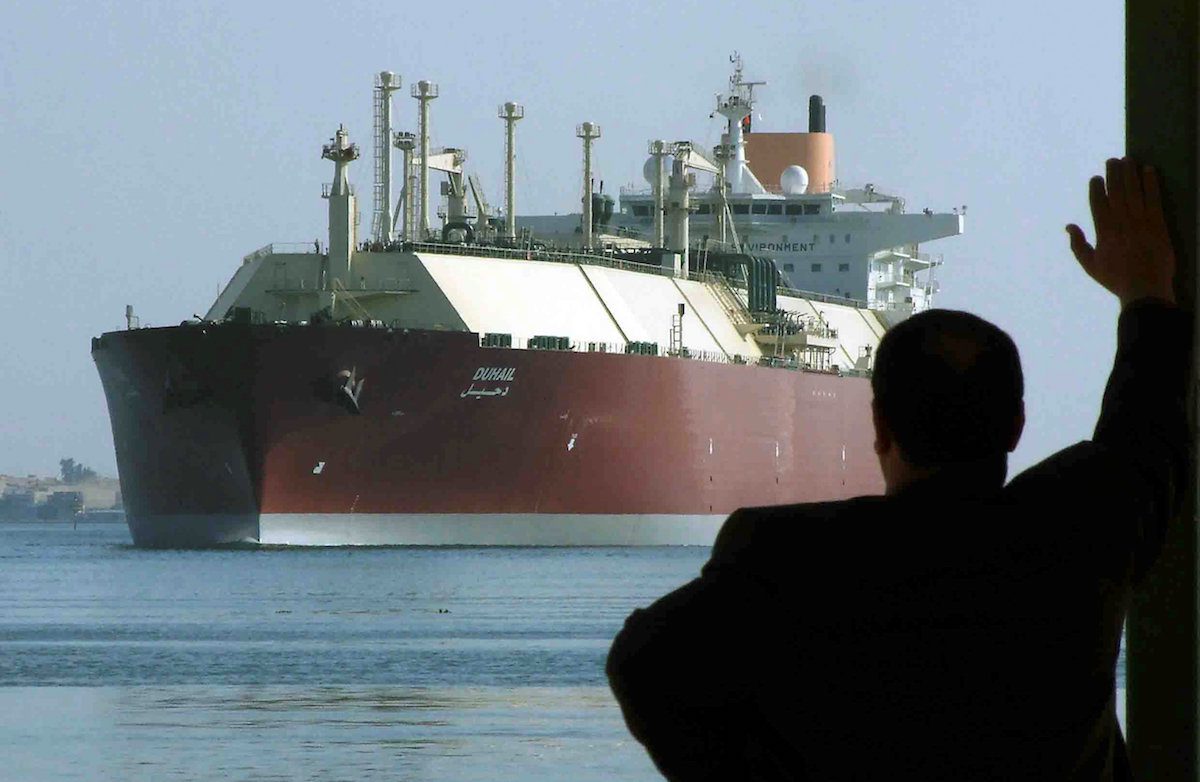
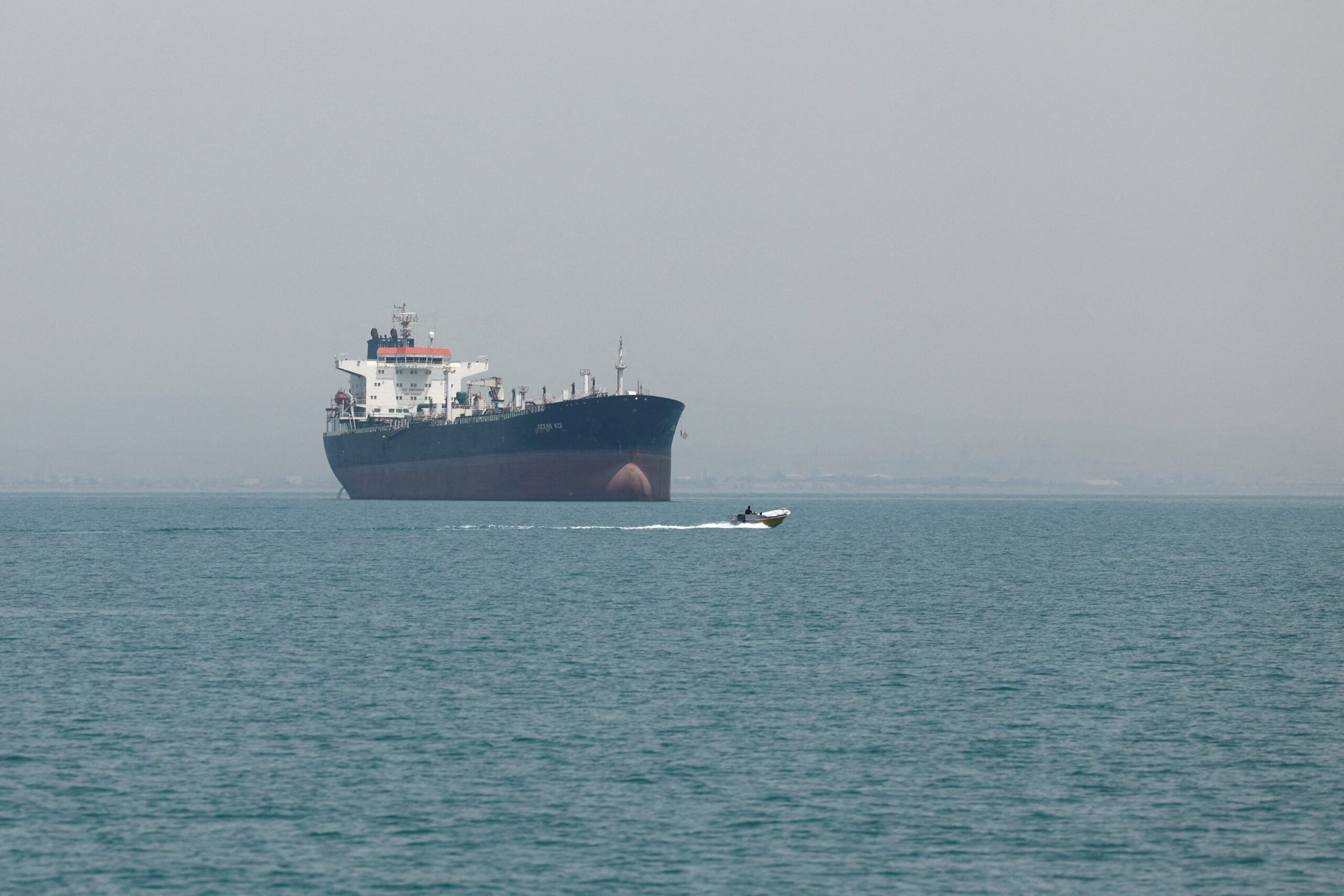
The regional conflict has expanded beyond Gaza into a US-Iran naval confrontation in the Strait of Hormuz and sustained Israeli-Hezbollah fighting in Lebanon. Iranian forces attacked at least three commercial vessels on July 7, 2026, including the Qatari LNG carrier Al Rekayyat and a Saudi-flagged crude oil tanker, prompting US retaliatory strikes against southern Iran. Simultaneously, IDF forces report destroying over 90 terror infrastructure sites and finding more than 150 weapons in Hadatha, Lebanon. Hamas announced plans to dissolve its government but Israeli officials dismiss this as a tactical move, while humanitarian conditions deteriorate with over 1.4 million displaced in Lebanon and continued casualties documented in Gaza.
Change from previous assessment
US-Iran maritime exchanges have escalated beyond prior brief's focus on Iranian strategic pressure, with concrete evidence of vessel attacks and retaliatory strikes. Israel-Hezbollah fighting has intensified with confirmed IDF operations in Lebanon, surpassing the earlier assessment of likely ceasefire collapse by mid-August. Evidence now confirms continued Israeli military operations in Gaza contrary to ceasefire terms. Previous assessment that Hezbollah might not return to pre-March conditions has been validated by their rejection of truce extension on June 4, 2026.
Key judgments
- US-Iran exchange of strikes following attacks on commercial vessels very likely indicates the beginning of sustained regional naval conflict in the Strait of Hormuz. (Confidence: high · ASSESSED)
- I&W: Additional vessel attacks or further US strikes within 72 hours (0-5 days)
- I&W: Iranian Revolutionary Guard Corps claiming responsibility for attacks (0-14 days)
- Israeli military operations against Hezbollah in southern Lebanon very likely represent preparation for more extensive ground operations to achieve strategic objectives beyond the Litani River boundary. (Confidence: high · ASSESSED)
- I&W: IDF moving additional armored units closer to Lebanon border (0-14 days)
- I&W: Israeli declaration requiring all Lebanese border towns' residents to evacuate (0-21 days)
- Hamas's dissolution announcement likely constitutes tactical signaling toward US leadership while maintaining operational control behind the scenes. (Confidence: medium · ASSESSED)
- I&W: Hamas members confirmed attending NCAG coordination meetings in Cairo (1-3 months)
- I&W: Significant reduction in Hamas security personnel movements within northern Gaza (2-4 weeks)
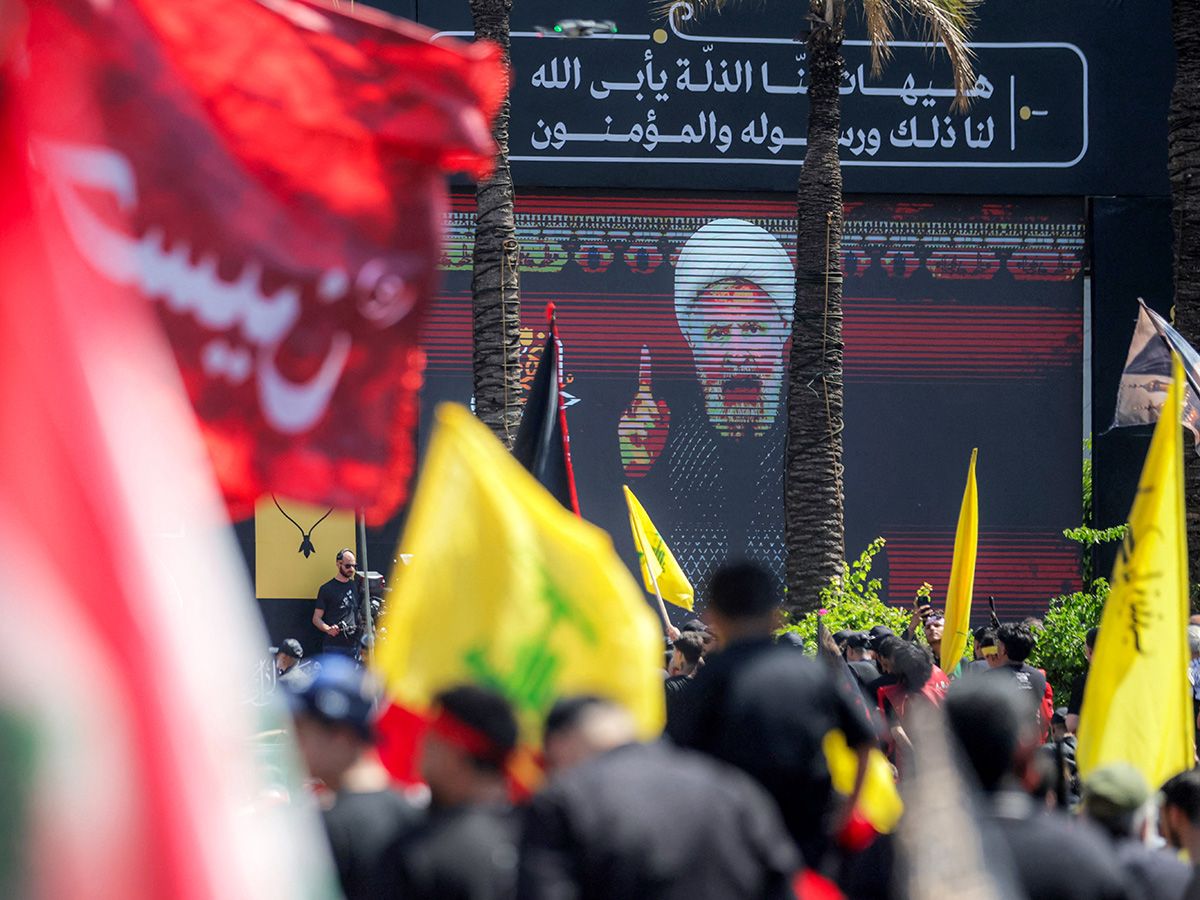
- Over 1.4 million individuals remain displaced in Lebanon due to the conflict, with at least 96,000 displaced from northern Israel, very likely indicating severe strain on regional humanitarian capacity. (Confidence: high · REPORTED)
- I&W: Formal declaration of humanitarian emergency by UNHCR in Lebanon (2-4 weeks)
- I&W: Additional 50,000 displaced from northern Israel within 2 weeks (0-14 days)
- The Israel-Lebanon ceasefire has very likely collapsed despite nominal agreements, with Hezbollah explicitly rejecting return to pre-March status and continued cross-border military activity. (Confidence: high · REPORTED)
- I&W: Hezbollah leadership confirms refusal to move forces north of Litani River (0-7 days)
- I&W: IDF reports destruction of Hezbollah command centers within Beirut suburbs (0-10 days)
Outlook & scenarios
Expanded US-Iran naval conflict (65%)
US-Iran naval exchanges escalate into sustained conflict within the Strait of Hormuz, requiring major maritime force deployment. Iranian Revolutionary Guard Corps intensifies attacks on commercial shipping while US Central Command conducts coordinated strikes on Iranian military infrastructure. Oil prices surge above $130 per barrel within six weeks, triggering global economic strain. NATO members increase naval presence in Gulf waters, raising risks of accidental escalation.
Israeli campaign against Hezbollah (55%)
Israel executes full-scale military operation against Hezbollah, advancing beyond the Litani River with coalition air support. Hezbollah retaliates with precision-guided rockets targeting Israeli population centres, causing significant civilian casualties. Jordan and Egypt face increased pressure to limit Iranian weapons transfers through their territories. US brokers ceasefire after four to six weeks of intensified fighting, with new security arrangements along Israel-Lebanon border.
Stalemate with controlled escalation (70%)
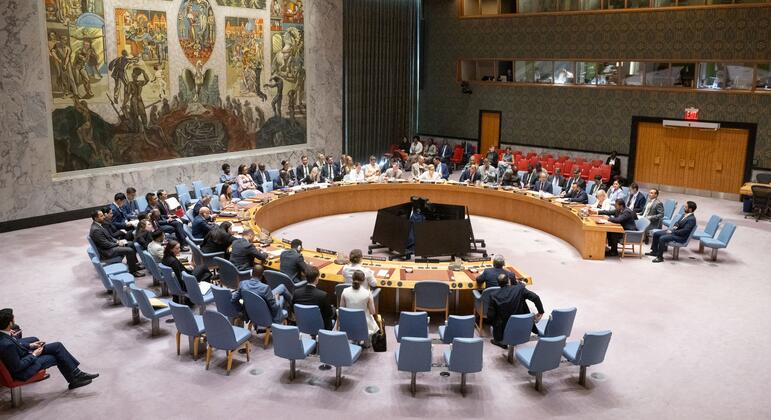
The conflict enters a phase of controlled escalation with continued but limited strikes in the Strait of Hormuz and along the Israel-Lebanon border. Commercial shipping adapts to new routing options while insurance premiums increase. International diplomatic efforts gain traction with UN Security Council Resolution establishing monitoring mechanisms. Casualties and displacement continue but at a reduced pace as de facto ceasefire lines solidify.
Sudden ceasefire breakthrough (30%)
Unexpected diplomatic breakthrough leads to comprehensive ceasefire agreement covering all conflict zones. Key developments include direct US-Iran negotiations producing maritime security arrangement, Hezbollah agreeing to significant force redeployment, and Hamas leadership transitions to NCAG governance. Implementation faces considerable resistance but prevents wider regional conflict for at least six months.
Recommendations
- Monitor thermal anomaly developments via NASA FIRMS to detect potential new military engagements in Gaza
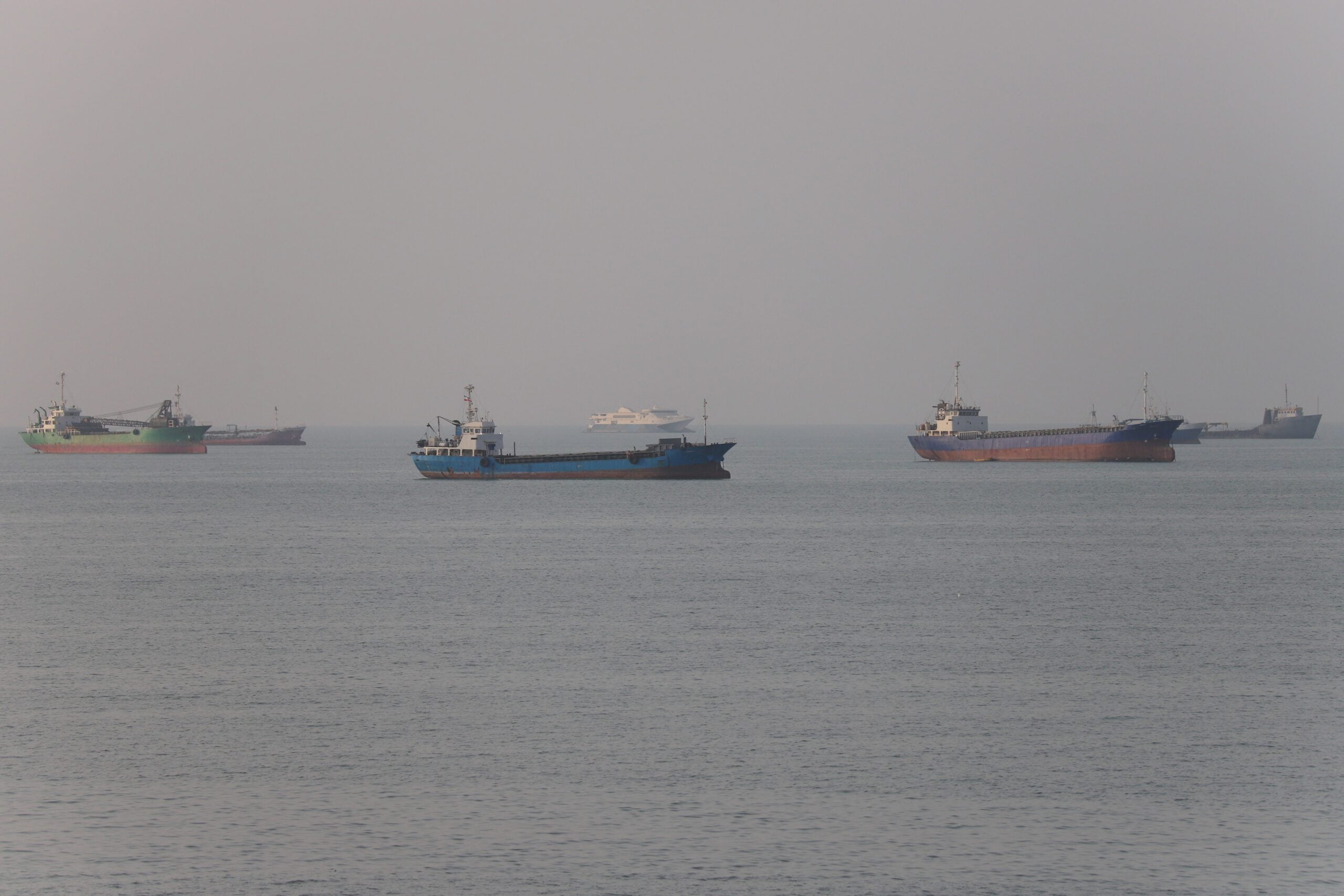
- Track ship movements through Strait of Hormuz using JMIC reports to identify early indicators of renewed US-Iran naval escalation
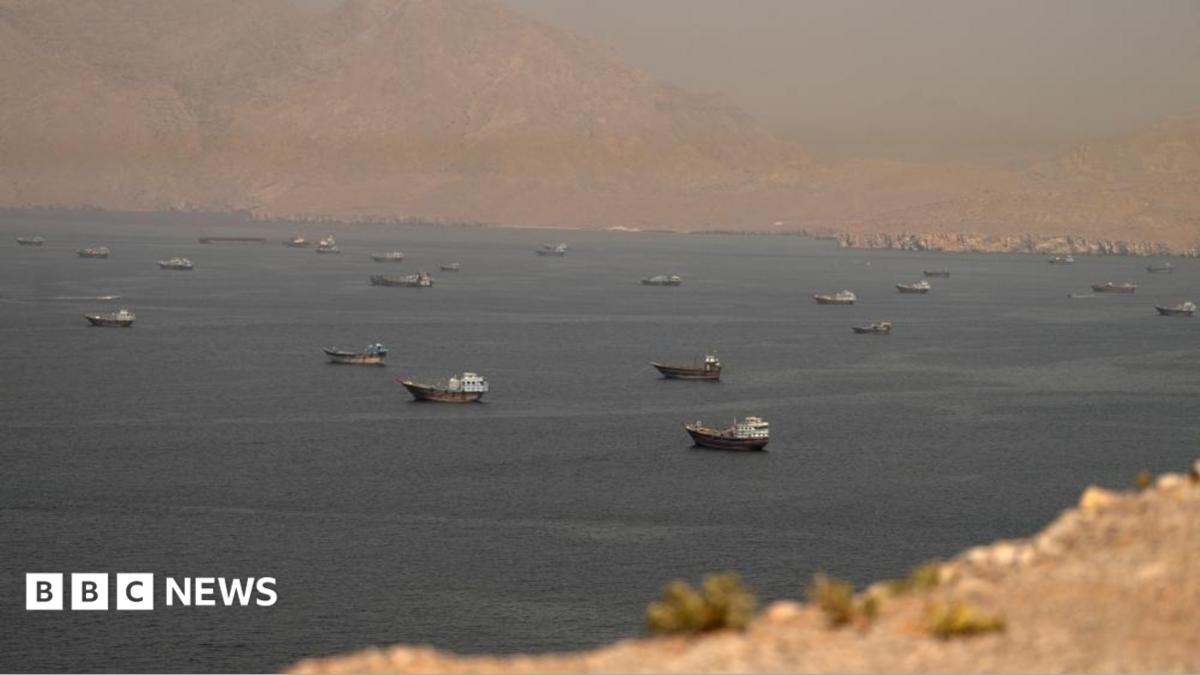
- Coordinate with European partners on de-mining operations in Omani waters to reduce risk to commercial shipping
- Increase humanitarian capacity for displaced populations in northern Israel through temporary housing solutions
- Establish secure communication channels between CENTCOM and Iranian military leadership to prevent accidental escalation
Confidence & uncertainty
Overall confidence assessed as medium due to multiple reliable sources corroborating military exchanges in the Strait of Hormuz and Israeli operations against Hezbollah. Discrepancies exist regarding precise casualty figures and exact timeline of Hamas dissolution announcement, while some sources present conflicting perspectives on Gaza governance transition. Humanitarian impact data generally consistent across UN and multilateral sources. Key uncertainties centre on Iranian decision-making processes and Hamas leadership cohesion following dissolution announcement.
Intelligence gaps
- [EEI 1.1 · UNCOVERED] Number, type and geolocated coordinates of projectiles (rockets, mortars, anti-tank guided missiles) fired from Lebanon into Israel in the last 24/72 hours, including time-stamped launch and impact locations. Recommended collection: signals/intel
- [EEI 1.2 · UNCOVERED] Satellite or aerial imagery showing movement, concentration, or forward displacement of Hezbollah-associated military assets (armored vehicles, artillery pieces, mobile rocket launchers, logistics convoys) to positions within 0–10 km of the Israel-Lebanon border. Recommended collection: satellite/imagery
- [EEI 1.3 · UNCOVERED] Intercepted or captured Hezbollah command-and-control communications or orders explicitly directing cross-border operations or coordinated strikes with Palestinian groups (time-stamped messages, unit identifiers, orders to fire/move). Recommended collection: signals/intel
- [EEI 1.4 · UNCOVERED] Observable changes in Israeli northern-front posture within Israel (numbers and types of reinforcements deployed to northern brigades, activation of reserves, air defense redeployments, evacuation orders or shelter alerts in northern towns), including timestamps and unit IDs where available. Recommended collection: human/intel
- [EEI 2.1 · UNCOVERED] Official or corroborated reports of IDF reservist mobilization and unit-level deployment orders (number of reservists called, named brigades/units ordered to deploy, deployment timelines). Recommended collection: open-source/media
- [EEI 2.2 · UNCOVERED] Satellite or ground imagery showing concentrations of IDF heavy equipment (tanks, infantry fighting vehicles, engineering vehicles), staging areas, field hospitals or forward supply dumps within X km of the Gaza border and at known crossing points. Recommended collection: satellite/imagery
- [EEI 2.3 · UNCOVERED] Change in strike patterns consistent with pre-ground-attack shaping: sustained high-frequency airstrikes on tunnel networks, command nodes, coastal launch sites, and known insurgent concentrations (strike counts, munition types, locations, times). Recommended collection: open-source/media
- [EEI 2.4 · UNCOVERED] Logistics indicators: verified convoys of fuel/ammunition entering staging areas, establishment of forward logistics or medical bases, or documented requisitioning orders for bulk combat supplies with timestamps and quantities. Recommended collection: human/intel
- [EEI 3.1 · UNCOVERED] Number, participants and content of diplomatic contacts or negotiation sessions in the last 48 hours involving mediators (Egypt, Qatar, US, UN), including any proposed ceasefire text, prisoner/exchange lists, timelines or verification mechanisms. Recommended collection: diplomatic
- [EEI 3.2 · UNCOVERED] Public statements, press releases or verified communiqués from Hamas and other Gaza armed groups specifying acceptance, rejection, or conditions for a ceasefire (explicit conditions such as prisoner release lists, withdrawal terms, lifting of blockades), with timestamps and speaker attribution. Recommended collection: open-source/media
- [EEI 3.3 · UNCOVERED] Humanitarian indicators relevant to ceasefire: establishment and operation of agreed humanitarian corridors/checkpoints, number of aid deliveries admitted, civilian evacuations completed, and NGO/hospital reports of access denials or safe-passage violations. Recommended collection: humanitarian/NGO reports
- [EEI 3.4 · UNCOVERED] Operational evidence of a de facto pause: verified sustained reduction (e.g., ≥12 hours) in strikes or launches from either side in specific sectors, supported by strike/impact logs, radar tracks and incident reports. Recommended collection: open-source/media
Cited sources
[1] gcaptain.com · Oil Rises After Attacks Near Strait of Hormuz Renew Supply Fears (A) · sha256:103afc21b3c7 [2] haaretz.com · U.S. launches 'series of powerful strikes against Iran,' CENTCOM says (A) · sha256:fbc8e30c734e [3] United Nations · Security Council LIVE: Emergency meeting on Iranian attack in Bahrain (A) · sha256:8a0d2c085c67 [4] gcaptain.com · Three Tankers Attacked Near Strait of Hormuz as JMIC Warns of 'Severe' Threat (B) · sha256:a8b43daa30da [5] bbc.co.uk · US launches strikes on Iran after tankers hit in Strait of Hormuz (A) · sha256:a9eb4ed754ea [6] gcaptain.com · LNG Tanker 'Al Rekayyat' at Risk of Exploding After Attack Near Hormuz (A) · sha256:85a8e8b63072 [7] The Jerusalem Post · Live Updates: Latest from Israel, Iran, and Middle East | The Jerusalem Post (B) · sha256:e88dfb54ea03 [8] jpost.com · IDF destroys Hezbollah infrastructure, locates over 150 weapons in southern Lebanon village (B) · sha256:f00f644394b5 [9] Wikipedia · Hezbollah–Israel conflict (2023–present) (B) · sha256:7eafc688cb01 [10] nationalpost.com · Future of Lebanon-Israel peace deal in doubt as Hezbollah vows to derail it (B) · sha256:0b1333681648 [11] Al Jazeera · What is the new Gaza administration as Hamas dissolves government? (A) · sha256:db9a0c1777c9 [12] jpost.com · If Hamas dissolves its Gaza government, who will enforce its disarmament? - analysis (B) · sha256:e8f88b169b74 [13] Wikipedia · 2026 Israel–Lebanon ceasefire (F) · sha256:c0cc91cecd1b [14] Wikipedia · 2024 Israel–Lebanon ceasefire agreement (B) · sha256:ea1529c6f848
Source content hashes were computed at collection time; the cited text is preserved unmodified for the life of this product.
TLP:CLEAR